
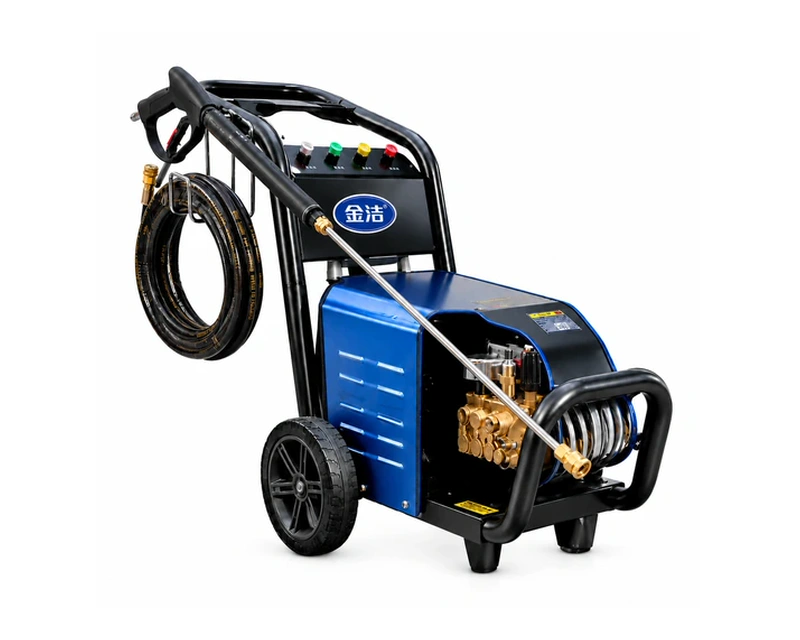
A 220 V designation is one supply condition, not permission to connect and start. Compare the machine’s electrical documentation with the actual supply, working distance, water and wastewater arrangements. Socket appearance, motor rating and a pressure label cannot substitute for assessment of connection and protective requirements in the intended environment.
Provide the responsible qualified person with the supply location, known installation information, working point and proposed cable route. Operators should not improvise wiring or bypass protection to accommodate distance. Cable and hose placement also affect pedestrian and vehicle access. Include those routes and the permitted stopping point in the work arrangement rather than assessing only the footprint of the base machine.
Verify the documented inlet requirements and the availability of a suitable water source and waste-handling method. Reconcile the machine, gun, nozzle, hose and connections with the approved schedule. An authorised task trial should evaluate the surface result and associated controls, not merely show that an electric motor starts. Keep receipt of equipment separate from site readiness. Neither voltage nor the choice between electric and petrol power establishes continuous duty, universal material compatibility or a guaranteed cleaning rate.
Applying the decision to the record
The readiness record can identify the machine documentation revision, supply location, connection reviewer, cable route, water point, inlet requirement, waste route and open action. Let the responsible qualified person record the electrical conclusion; the buyer should not enter an assumed approval. At handover, separate what the supplier delivered from what the site completed. If utilities or protection remain unresolved, record the restricted next step rather than energising the machine to demonstrate progress. Verify the cleaning task only after its required conditions are available.
Applying the method to a site problem
For work on multiple floors, check transport, power, water and drainage on each floor. Electrical access alone cannot establish suitability.
Manufacturing and configuration reference
Zhaoqing coordinates assembly, configuration checks and delivery preparation around the agreed duty. Process illustrations show the workflow. Confirm individual models, quantities and tests from the project documents.
View equipment options for this application ↗
Have site power conditions checked by a qualified person
Provide the site power supply, cleaning object and available water when discussing a Jinjie model. Headquarters coordinates specifications, Guangzhou supports demonstrations and purchasing, and Zhaoqing prepares the confirmed build. Use model-specific voltage, power, pump and accessory records.
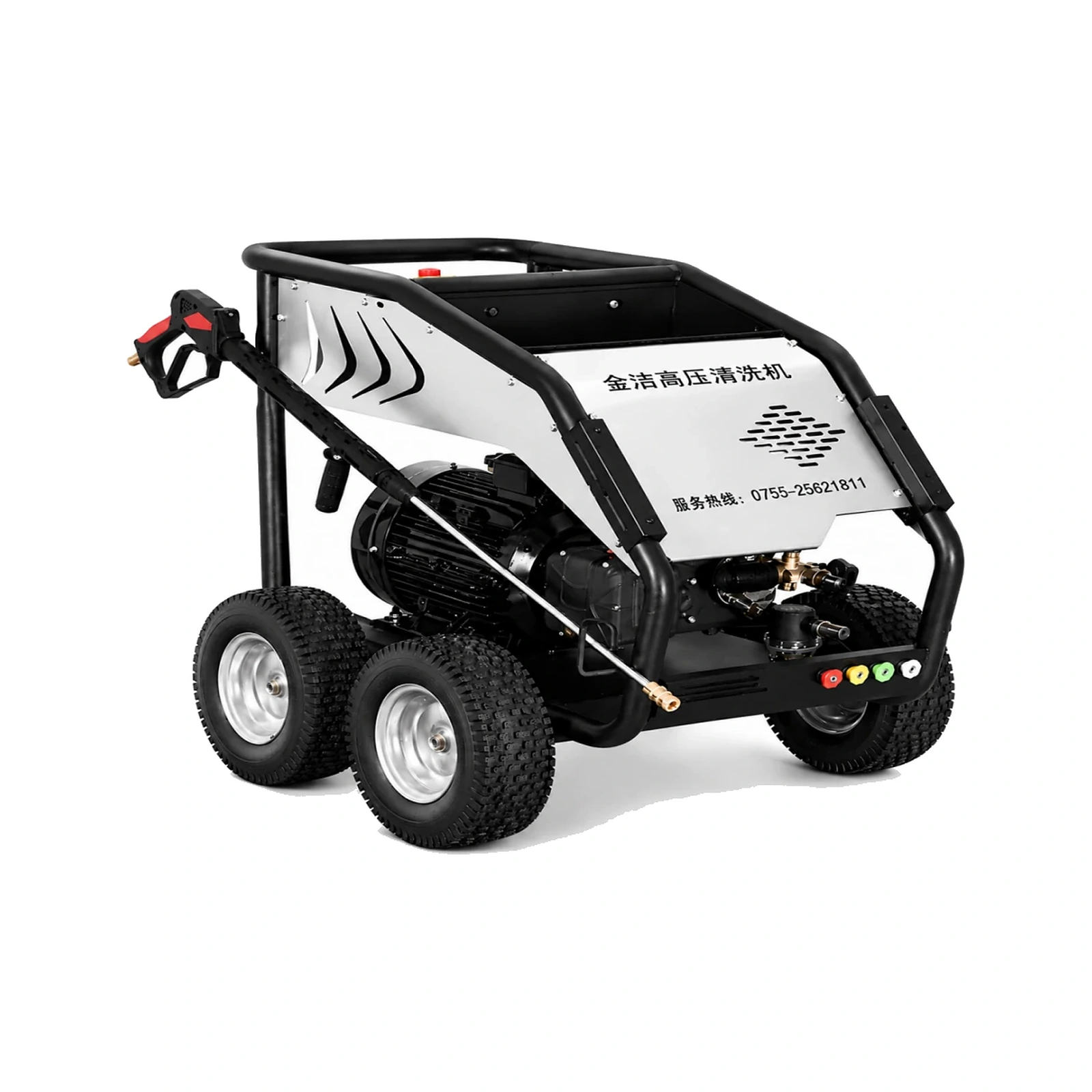
What to record on site
Before delivery, assign responsibility for the machine, accessories, water and power. Have a qualified person check electrical connections. Record moves, start-up, operating time and shutdown during a trial. For portable work, assess handling and hose layout as well as supply access.
How site conditions affect equipment performance
220 V describes the electrical supply. Compare the actual working pressure, flow and permitted duty of the motor, pump and tool together.
Pressure washers · Jinjie J-2515D electric pressure washer · Shenzhen headquarters and technical support · Guangzhou demonstrations and customer support · Zhaoqing manufacturing and delivery
Discuss equipment for your site ↗
Shenzhen Wanshenglong Cleaning Products Co., Ltd. | Jinjie J-2515D electric pressure washer. Check the model specification and site conditions. Updated 2026-11-6.
Checks after reading
- Site area, routes and narrowest access
- Floor, dust, oil, debris or pipe-blockage type
- Daily frequency and continuous working time
- Power, water, wastewater, consumables and service conditions
Explore products and selection information
What to check before choosing a 220 V electric pressure washer — frequently asked questions
Does equal supply voltage make two machines interchangeable?
Check connections, protection, ratings, power and duty for the exact model. Have a qualified person verify the supply. A similar plug or appearance cannot establish electrical compatibility.
How should we describe the workload?
Describe the objects, frequency, distance and intermittent or continuous duty. Include supply water and drainage. An area or shift duration alone cannot define the workload.