
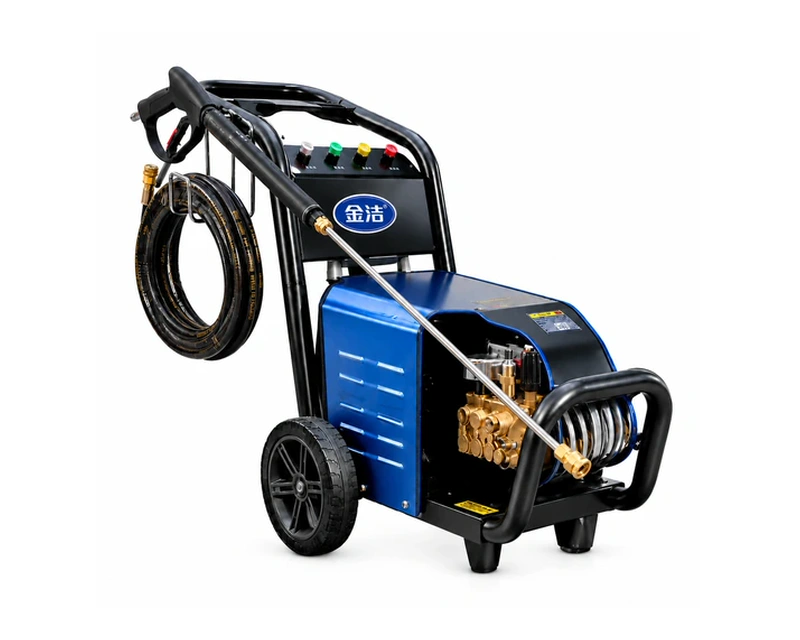
A custom design needs a controlled transition from requirement to manufacture and handover. The proposed cleaning task is only the starting point. Drawings, quotations and delivered accessories must refer to the same confirmed basis. This article concerns change and acceptance records, not engineering calculations for a high-pressure system.
Create a baseline that identifies the object, permitted process, operating sequence, utilities, acceptance method and document revision. When a part, cycle or accessory changes, record the change, its consequences, the responsible confirmation and the checks that must be repeated. Retain the previous conditions; a new quotation should not make an earlier unresolved dependency disappear. Water, power, drainage, interfaces and installation responsibilities need explicit ownership.
At handover, distinguish receipt of the identified equipment, reconciliation of documentation, training and task verification. Use an authorised representative object and the agreed process conditions. A machine that runs has not necessarily achieved the cleaning outcome. Preserve shortages and open actions with an owner and a verification method. Do not introduce unsupported throughput, labour savings, delivery periods or universal material suitability into the acceptance promise. The useful result is a traceable configuration and decision history that both parties can use when the application later changes.
Applying the decision to the record
Use a change log with a unique reference, previous revision, proposed revision, reason, affected machine or station, technical review, commercial effect, responsible confirmation and acceptance check to repeat. At delivery, mark each item as matching the baseline, supplied differently with documented agreement, missing or unresolved. Do not call a substitution equivalent without the supporting review. Receipt and permission to use remain separate decisions when an exception affects the intended task. This makes a configuration difference actionable instead of leaving it as a note that nobody owns.
Applying the method to a site problem
For two cleaning tasks, specify the surface and attachment needs separately before deciding whether one system can cover both.
Manufacturing and configuration reference
Zhaoqing coordinates assembly, configuration checks and delivery preparation around the agreed duty. Process illustrations show the workflow. Confirm individual models, quantities and tests from the project documents.
View equipment options for this application ↗
From technical specification to manufacture and delivery
For custom equipment, Shenzhen coordinates the application and engineering requirements, Guangzhou supports regional discussions, and Zhaoqing assembles and prepares the agreed build. Record the revision and implications of each change.
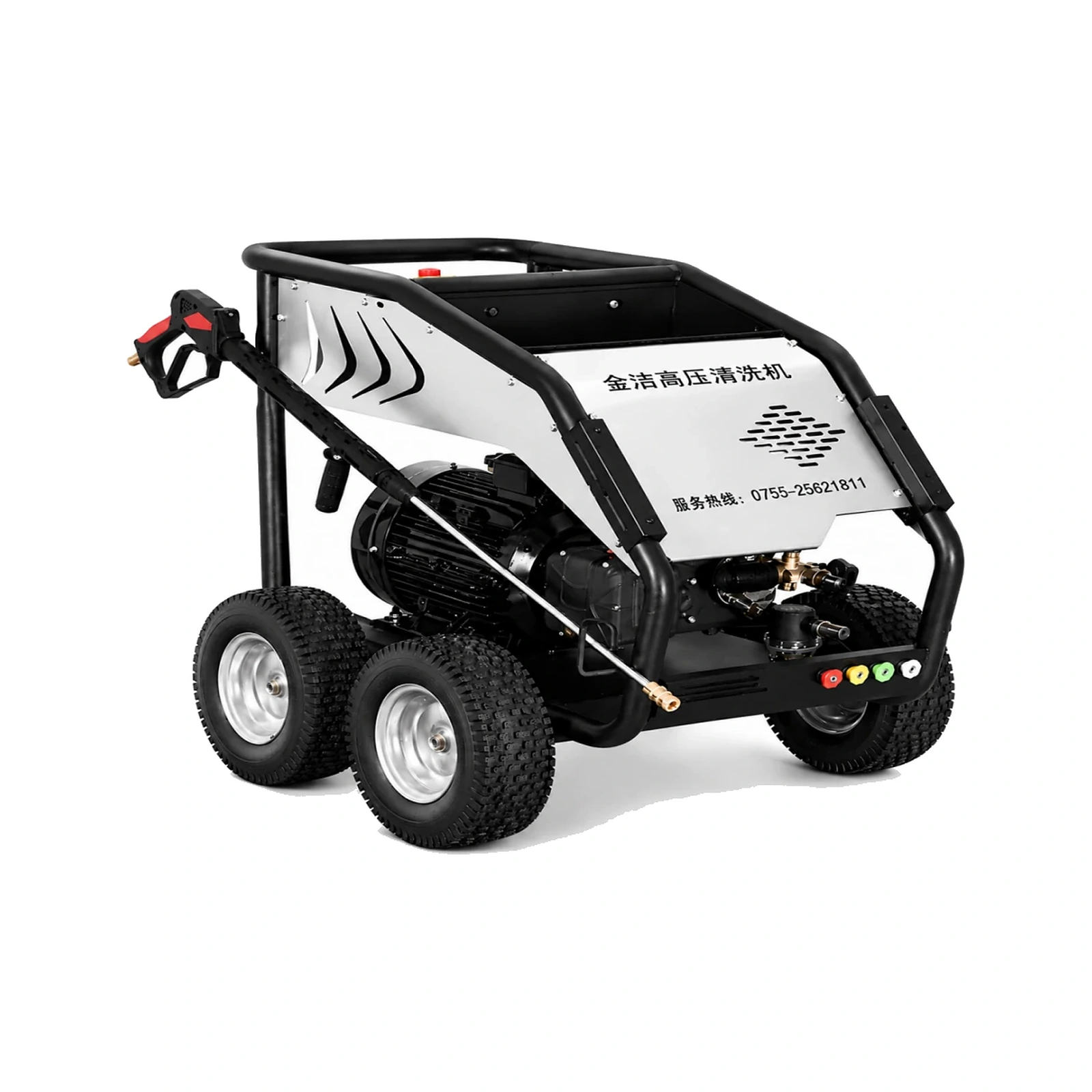
What to record on site
Specify six things for a custom system: the task, restrictions on the workpiece, power supply, end tools, maintenance and acceptance. Mark the items still requiring site measurements. Version changes to pressure, flow, structure or accessories so production, purchasing and operators work from the same specification.
How site conditions affect equipment performance
Match drive input, pump duty, delivery, control and end tools. Confirm interfaces and operating conditions as well as component ratings before specifying whole-system performance.
Pressure washers · Jinjie J-2515D electric pressure washer · Shenzhen headquarters and technical support · Guangzhou demonstrations and customer support · Zhaoqing manufacturing and delivery
Discuss equipment for your site ↗
Shenzhen Wanshenglong Cleaning Products Co., Ltd. | Jinjie J-2515D electric pressure washer. Check the model specification and site conditions. Updated 2026-11-6.
Checks after reading
- Site area, routes and narrowest access
- Floor, dust, oil, debris or pipe-blockage type
- Daily frequency and continuous working time
- Power, water, wastewater, consumables and service conditions
Explore products and selection information
Specifying a custom pressure washing system — frequently asked questions
When can manufacture begin?
Manufacturing can begin when both parties agree the use, configuration, structure and interfaces. Record options separately and confirm changes against the agreed design.
How can a custom system be accepted without disputes?
Agree the test object, conditions, documentation and delivery scope. Distinguish equipment inspection from validation on site. Specify performance only with an agreed measurement method and evidence.