
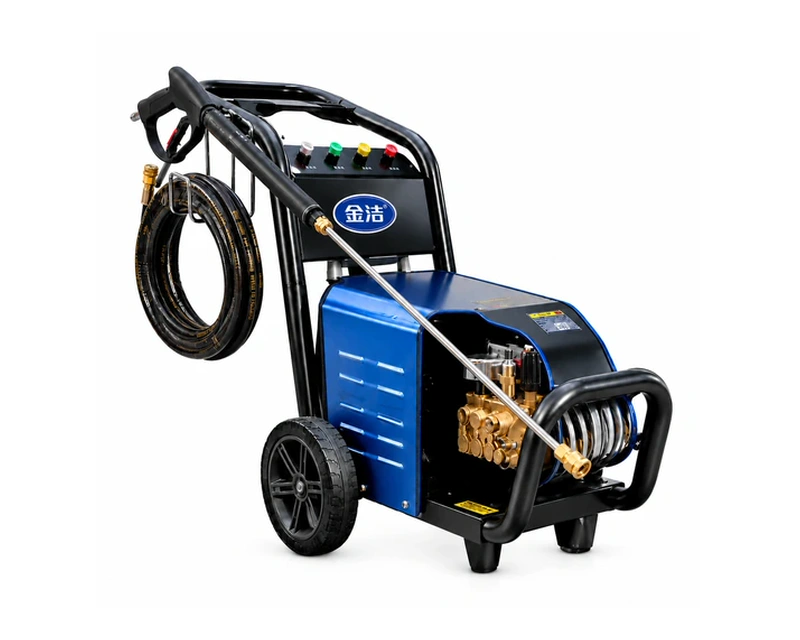
Equipment surfaces and the surrounding floor may occupy the same workshop but need different cleaning decisions. A machine enclosure can involve manufacturer restrictions on water, seals, coatings and electrical conditions. Floor work adds surface compatibility, pooling, wastewater and traffic. Define the permitted scope for each before assigning equipment and sequence.
Establish permission for equipment surfaces
Obtain the relevant manufacturing or maintenance requirements from the user and identify sensitive areas. Work involving electrical or other hazardous energy belongs to the appropriate responsible procedure, not an operator’s assumption. Stubborn contamination does not justify unlimited pressure. Temperature, chemicals and the working end each need an applicable basis as well.
Follow the removed material
On the floor plan, mark the substrate, coating or repairs, falls, drains, production installations and vehicle routes. Explain how displaced material and wastewater will be collected and handled. Moving soil from an enclosure to the floor or into an unauthorised drain is not completion. The actual material and site decide whether pre-collection, local treatment or wet cleaning is appropriate.
Do not borrow proof from another equipment category
Pressure washing, sweeping, vacuum collection and scrubber recovery perform different tasks. A factory’s documented scrubber delivery cannot establish compatibility for high-pressure equipment-surface cleaning. Remove that weak inference and use the actual technical information and representative trial to assign roles. J-2515D must not become the default answer to every factory cleaning task.
Accept by object and task
Have trained personnel trial an authorised representative object through the relevant machine and site methods. Record the cleaning result, surface change or damage, residual material, drainage and reopening requirements. Form separate conclusions for the equipment and floor. Preserve unresolved isolation, waste-handling and technical conditions as open actions. The completed plan should explain who permits the work, what configuration performs it and how the outcome will be verified, rather than relying on a photograph of a running machine.
Applying the method to a site problem
For equipment casings and logistics floors at one factory, collect separate photos and task requirements. Check the sequence for pressure washing and floor scrubbing on site.
Assigning equipment to factory cleaning tasks
The Wanli Tire project records delivery of 4 Jinjie J-920B ride-on scrubbers. For another factory, assess production areas, logistics lanes and floor conditions separately. The delivery record contains no measured coverage, cost saving or cleaning rate from which to calculate another site's fleet size.

View the factory equipment application ↗
Connecting product selection, manufacture and operation
In factories, match cleaning duties and equipment to production schedules. Headquarters coordinates selection and application support, Guangzhou handles regional enquiries and demonstrations, and Zhaoqing supports assembly and handover. Keep the agreed delivery documentation with the equipment.
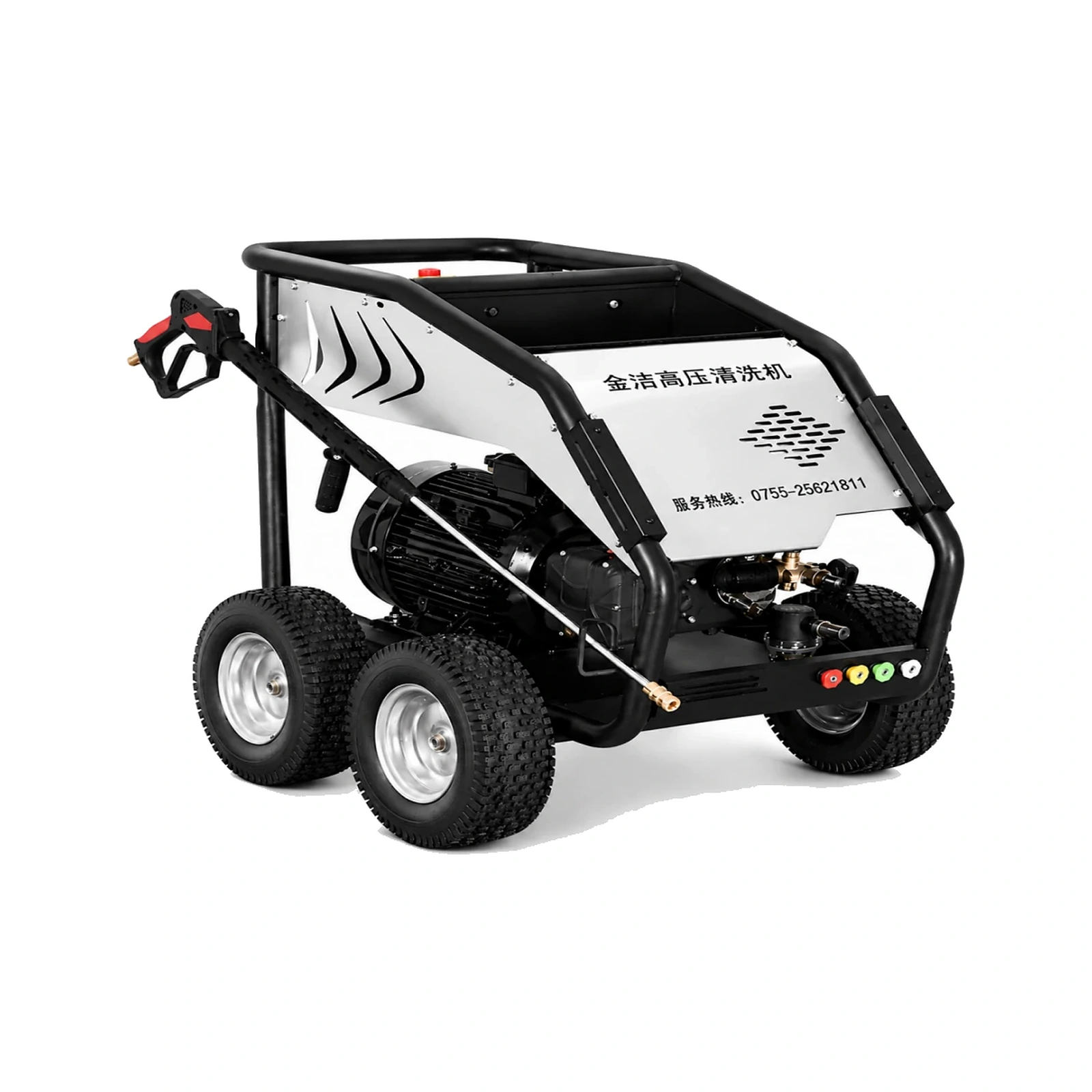
What to record on site
Send separate photos of machinery and floors. Identify water exclusions, vulnerable parts, soil sources and drains. Specify and test pressure washing and any additional processes separately. List the equipment and tasks in the handover documents.
How site conditions affect equipment performance
For equipment surfaces, identify substrate and vulnerable parts. For floors, identify runoff and drainage. Specify the accessories and work sequence for each.
Pressure washers · Jinjie J-2515D electric pressure washer · Shenzhen headquarters and technical support · Guangzhou demonstrations and customer support · Zhaoqing manufacturing and delivery
Discuss equipment for your site ↗
Shenzhen Wanshenglong Cleaning Products Co., Ltd. | Jinjie J-2515D electric pressure washer. Check the model specification and site conditions. Updated 2026-11-6.
Checks after reading
- Site area, routes and narrowest access
- Floor, dust, oil, debris or pipe-blockage type
- Daily frequency and continuous working time
- Power, water, wastewater, consumables and service conditions
Explore products and selection information
Planning pressure washing for factory floors and equipment — frequently asked questions
How can different departments agree the requirements?
Production, cleaning, procurement and operators should agree the object, exclusions, working window and close-down. Assign pre-cleaning, scrubbing, washing and recovery separately.
What else should be agreed before delivery?
Confirm equipment and accessories, receiving and unloading access, training, utilities and document revisions. Prepare the workstation and servicing access before delivery.