
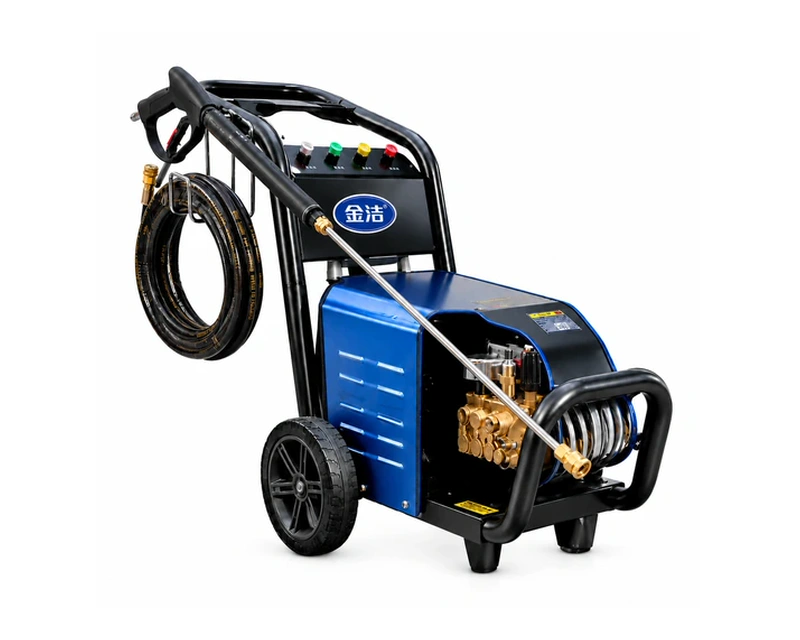
Petrol power should be selected because of an assessed supply and mobility requirement, not a belief that combustion power is always stronger. Establish that the cleaning process is permitted for the target first. Then evaluate whether the absence of a fixed electrical supply makes a petrol-powered configuration an appropriate candidate. Water, drainage, refuelling, ventilation, noise and maintenance remain operational requirements.
Keep the cleaning process independent of the power source
Record substrate, soil, sensitive areas, permitted temperature or chemicals and the acceptance result. Pressure, flow and the working arrangement belong in the technical discussion together. Engine appearance or power rating does not establish surface compatibility. When comparing electric and petrol options, use the same task boundary: do not include travel time for one but omit servicing and replenishment for the other.
Establish where operation is permitted
Combustion equipment introduces exhaust, hot surfaces, fuel and ignition-source considerations. Lack of a socket is not justification for use in an enclosed or inadequately ventilated area. Site assessment and the actual equipment instructions must support the proposed arrangement. Refuelling, stopping, routine care and fault escalation require trained personnel and the relevant procedures; this article does not authorise unsafe refuelling or exhaust modification.
Map the utilities and delivery arrangement
Show the permitted route and parking, water source, hose layout, wastewater destination and interaction with people or vehicles. Reaching the target with the machine does not mean the task is ready. Identify the actual engine-driven unit, pump and accessories in the quotation. An electric J-2515D illustration or specification must not establish the identity of a petrol machine.
Agree a representative trial
The trial should verify the assessed task, surface protection and complete operating arrangement through trained staff. Retain the configuration revision, supplied documentation, maintenance responsibilities and outstanding dependencies at handover. A road-washing vehicle case cannot prove suitability of a different petrol-powered unit. Drive form does not establish road-use eligibility, endurance or a guaranteed cleaning rate.
Applying the method to a site problem
For changing outdoor workstations, compare petrol and electric drive by site access, supply and refuelling. Establish cleaning capability at the actual working point.
Sodexo’s road-washing application at Songshan Lake
Sodexo (Hong Kong) Limited purchased the Jinjie JC-1800 four-wheel washing vehicle for roads at Huawei’s Dongguan Songshan Lake site. Sodexo was the purchaser. For another campus, check road access, refill points, drainage and working windows before specifying a vehicle.
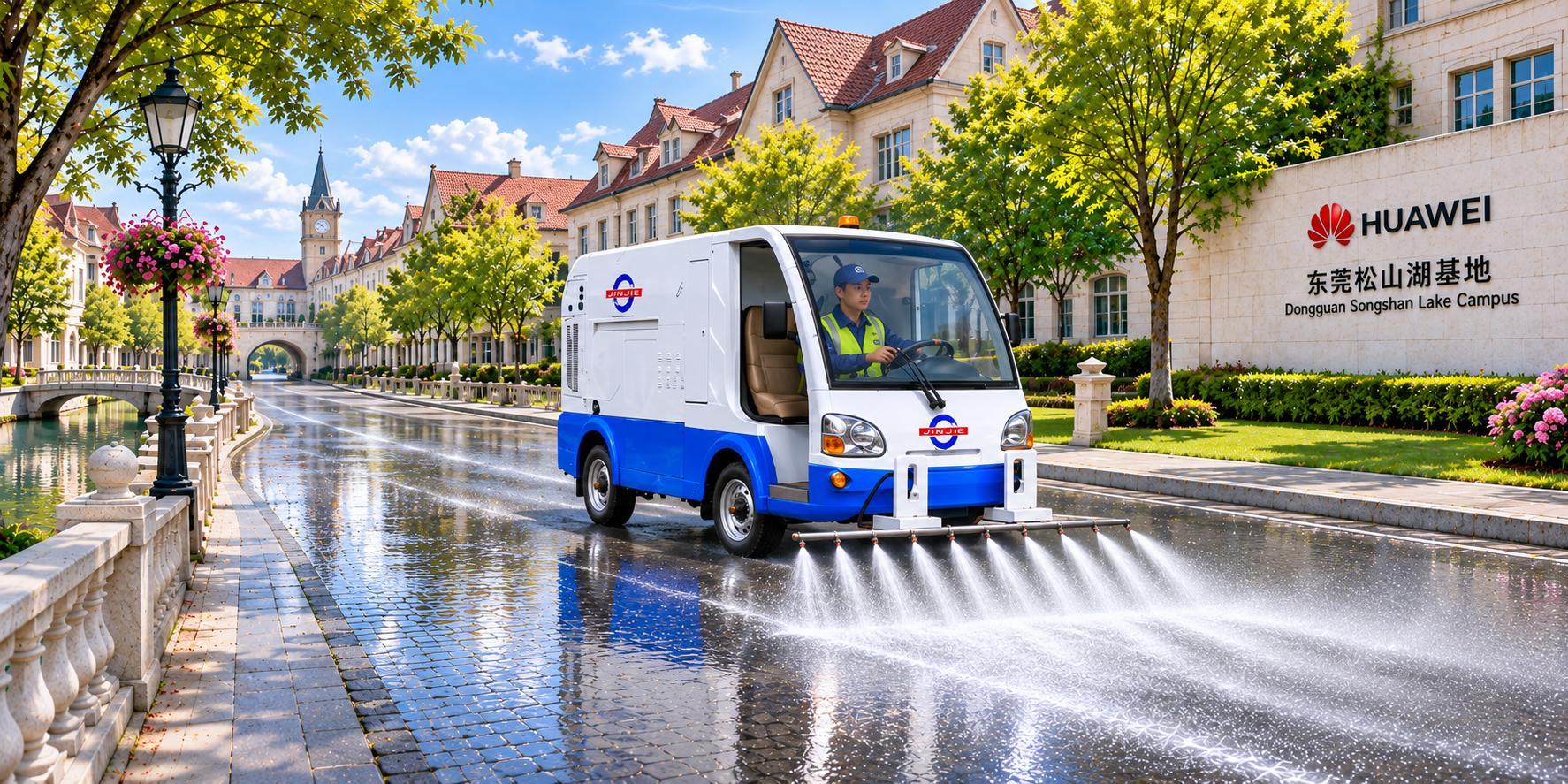
View Sodexo’s Songshan Lake road-washing application ↗
Match drive requirements to operating limits
Assess drive options against the supply, relocation, maintenance and operating environment. Wanshenglong headquarters, Guangzhou service and the Zhaoqing delivery team can check these conditions against the specified model.
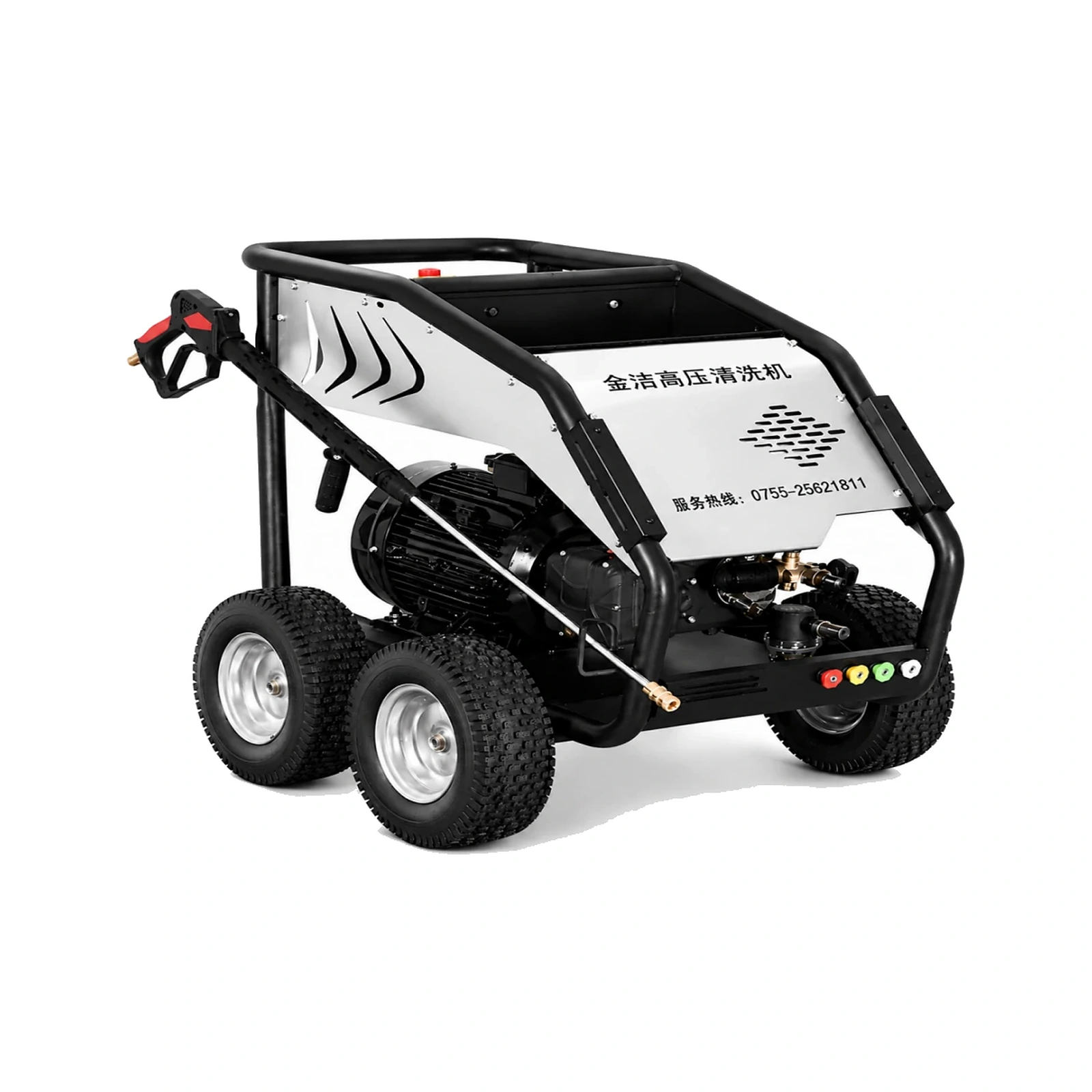
What to record on site
Compare petrol and electric power by supply, location, transport and maintenance responsibility. Follow the instructions for exhaust, fuel and storage. Opening a door does not establish suitability for enclosed work. Keep separate engine and pump identification and service records.
How site conditions affect equipment performance
Petrol drive can reduce dependence on fixed electrical outlets. It still requires adequate water, exhaust management, fuel handling and maintenance. Check cleaning performance for the task.
Pressure washers · Jinjie J-2515D electric pressure washer · Shenzhen headquarters and technical support · Guangzhou demonstrations and customer support · Zhaoqing manufacturing and delivery
Discuss equipment for your site ↗
Shenzhen Wanshenglong Cleaning Products Co., Ltd. | Jinjie J-2515D electric pressure washer. Check the model specification and site conditions. Updated 2026-11-6.
Checks after reading
- Site area, routes and narrowest access
- Floor, dust, oil, debris or pipe-blockage type
- Daily frequency and continuous working time
- Power, water, wastewater, consumables and service conditions
Explore products and selection information
Choosing a petrol pressure washer for outdoor work — frequently asked questions
When does a drive option suit a specific application?
Match the drive option to site utilities and transfer requirements. Include the environment, maintenance arrangements and permitted operating limits.
Can different shifts use the same plan?
Check frequency, replenishment, maintenance and handover for each shift. Record pending faults for the next operator and retain all protective functions.