
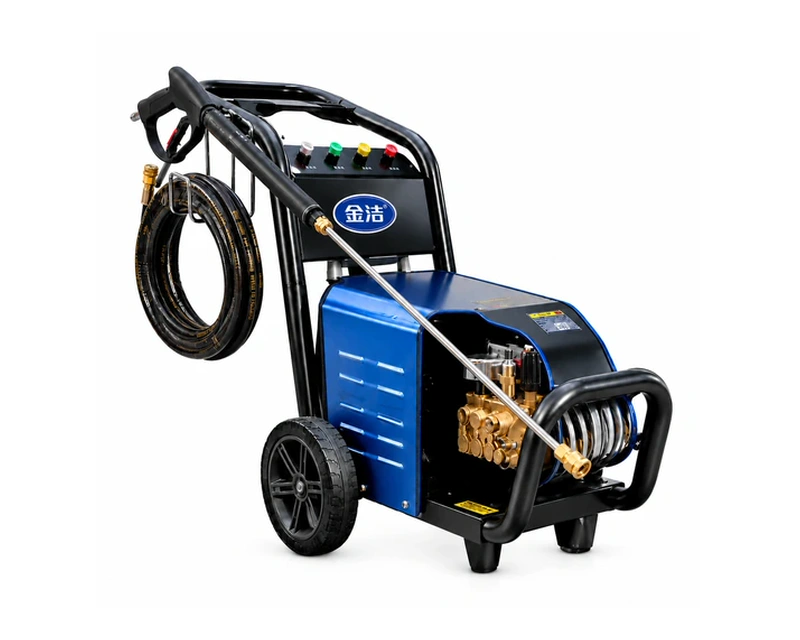
An unstable pressure symptom must be considered with the complete operating arrangement. Record the machine state, available water information, working end and delivery configuration before naming a failed pump. This article prepares a service record; it is not instructions for internal repair or intervention on a pressurised system.
Describe when it happens
Write when the symptom began, whether it is continuous, the current task and the exact indication or warning. Note sounds, leakage and recent changes. A changed supply, longer hose or replaced nozzle is useful information, not a proven cause. Preserve unknown conditions as unknown.
Respect the operator boundary
Follow the relevant machine and site requirements for safe stopping. Do not disconnect a pressurised assembly, search for a leak with a hand, open the pump or alter a control. Do not bypass a protection to reproduce the symptom. Abnormal conditions require the instructed escalation rather than repeated operation outside a limit.
Send a coherent information package
Include machine identification, configuration, symptoms, current safe state, recent changes, permitted checks completed and the contact. Obtain photographs only where safe and allowed; do not recreate a hazardous event for a recording. Keep accessory identification readable.
Verify an authorised action
Record before-and-after behaviour within comparable permitted conditions. If several variables changed, do not claim a single cause has been established. Missing inlet or hose information remains an open question, not a diagnosis. Persistent abnormalities belong with qualified service personnel, even where the machine can still produce a jet.
Applying the method to a site problem
If a problem follows an accessory change, record the new specification and the original setup. Check before changing pressure or trying another component.
Manufacturing and configuration reference
Zhaoqing coordinates assembly, configuration checks and delivery preparation around the agreed duty. Process illustrations show the workflow. Confirm individual models, quantities and tests from the project documents.
View equipment options for this application ↗
Maintenance starts with a clear handover
For service, provide the model, nameplate, photos and a description of the symptom. Headquarters coordinates technical and spare-parts information. Regional support and the delivery records help identify the installed parts.
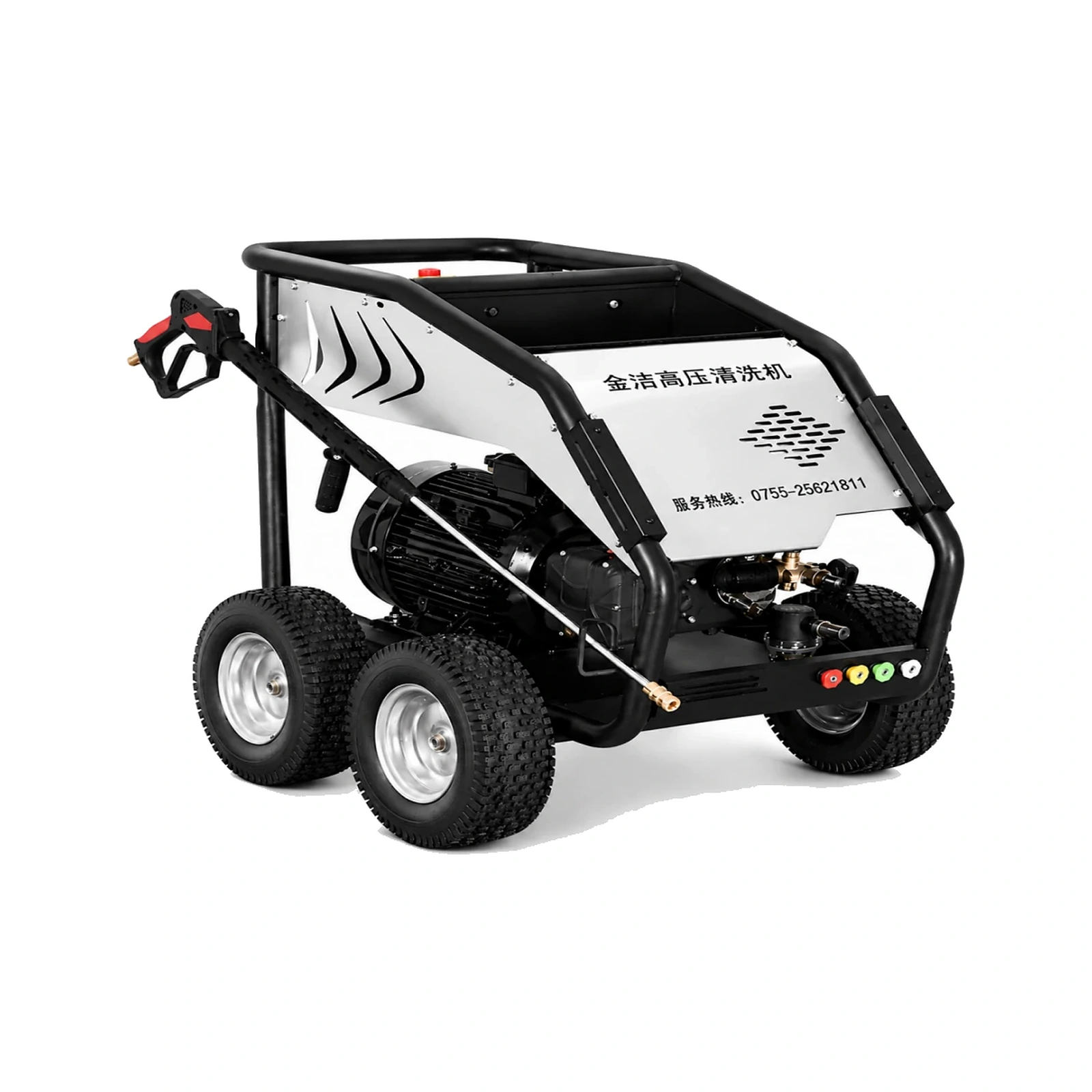
What to record on site
Record inlet water, accessories, hose condition and machine symptoms, including any move or change before the fault. Follow the manual in sequence. Have qualified personnel inspect pressurised connections, valves and internal components. Keep the repair and retest results.
How site conditions affect equipment performance
The pump needs the specified inlet conditions. Hoses and end tools have their own limits. Record changes in water supply, connections and attachments when diagnosing changes in cleaning.
Pressure washers · Jinjie J-2515D electric pressure washer · Shenzhen headquarters and technical support · Guangzhou demonstrations and customer support · Zhaoqing manufacturing and delivery
Discuss equipment for your site ↗
Shenzhen Wanshenglong Cleaning Products Co., Ltd. | Jinjie J-2515D electric pressure washer. Check the model specification and site conditions. Updated 2026-11-6.
Checks after reading
- Site area, routes and narrowest access
- Floor, dust, oil, debris or pipe-blockage type
- Daily frequency and continuous working time
- Power, water, wastewater, consumables and service conditions
Explore products and selection information
Checking the water supply and hoses when pressure fluctuates — frequently asked questions
What information helps a service technician?
Provide the nameplate, component photos, time and location of the symptom, material or floor condition, recent maintenance and accessory changes. Stop if inspection cannot be carried out safely.
How can we check that maintenance solved the problem?
Repeat the observation under permitted, comparable conditions. Record one change at a time. If the symptom returns, give the service team the earlier results.