
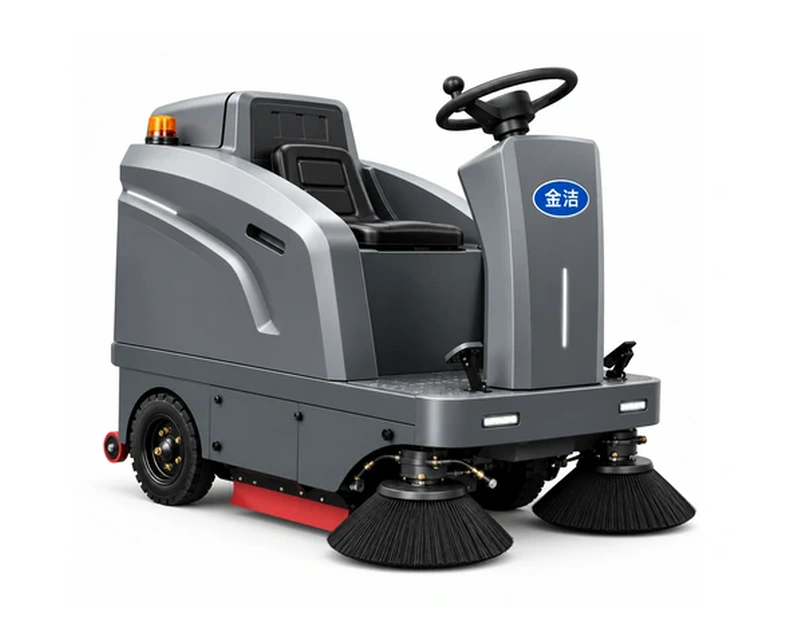
Battery capacity alone cannot define a shift. The buyer needs to connect the authorised work window, actual sweeping task, servicing interruptions and the time when the machine must next be available. Keep the battery configuration, condition and charging arrangement tied to the identified unit.
Define the time boundary
Separate route elapsed time from total labour input. Record sweeping, manoeuvring, transfers, unloading, permitted care and other interruptions. Where several people contribute, labour is the sum of their inputs, not simply machine running time. Do not fill missing observations with a fixed percentage allowance.
Use the supplied electrical arrangement
Identify the delivered battery and charger, applicable instructions, environment and responsible staff. Voltage, capacity and displayed charge do not establish a fixed runtime. A scheduling problem is not permission to change a battery, protection or charging method. Abnormal conditions follow the machine’s stopping and escalation instructions.
Keep a representative task record
Preserve the surface, waste, configuration and route actually completed, together with replenishment arrangements. A short light-load demonstration cannot prove all-day continuous use. If work remains, record its scope rather than quietly removing it from the planned area.
Resolve availability realistically
Review the route, timing, unloading and staffing before discussing another configuration or reserve machine. A runtime or duty commitment needs corresponding documentation or an agreed verification. A useful shift plan explains equipment availability across the complete cycle rather than converting a larger battery into an unsupported output promise.
Applying the method to a site problem
For morning and evening rounds, check parking and replenishment between them as well as the distance and debris during each round.
Yuanmingyuan sweeping project reference
The custom blue sweeper at Beijing’s Yuanmingyuan illustrates equipment selection for visitor roads. Consider visitor movements, the setting, road access and waste collection. Recheck width, turns, debris and unloading before specifying a machine for another park.
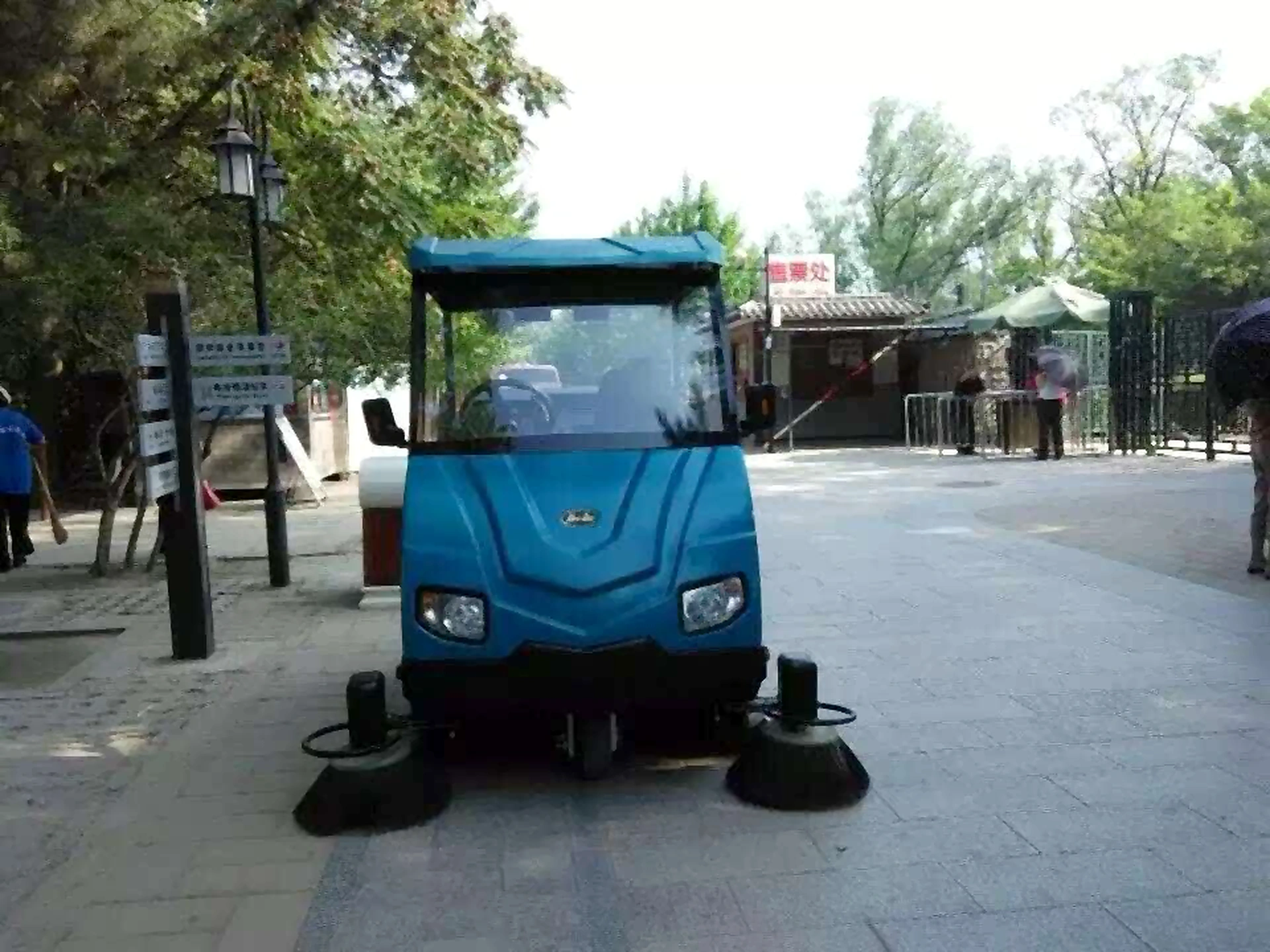
View the Yuanmingyuan sweeping project ↗
Wanshenglong sweeper selection and application support
Wanshenglong has supplied cleaning equipment and application support since 2004. Shenzhen headquarters reviews photos, routes and schedules against Jinjie model data. Guangzhou supports demonstrations and regional enquiries, and Zhaoqing prepares the confirmed equipment.
What to record on site
Record starting conditions, route, debris, replenishment, maintenance and end state for each shift, including unscheduled tasks. Assign charging, parking and checks to named roles. Review the records before changing staffing or assuming uninterrupted operation.
How site conditions affect equipment performance
Battery capacity describes stored charge at the stated voltage. Energy demand varies with the surface, load, brushes and operator. Estimate shift duration from recorded working conditions.
Floor sweepers · Jinjie J-XS1460 ride-on sweeper · Shenzhen headquarters and technical support · Guangzhou demonstrations and customer support · Zhaoqing manufacturing and delivery
Discuss equipment for your site ↗
Shenzhen Wanshenglong Cleaning Products Co., Ltd. | Jinjie J-XS1460 ride-on sweeper. Compare the model specification with your route. Updated 2026-11-6.
Checks after reading
- Site area, routes and narrowest access
- Floor, dust, oil, debris or pipe-blockage type
- Daily frequency and continuous working time
- Power, water, wastewater, consumables and service conditions
Explore products and selection information
Planning charging and workload for an electric sweeper — frequently asked questions
What information should we collect on site?
Provide overall and close-up photos, the narrowest passage, tightest turn, service points and parking. Describe normal pedestrian and vehicle activity and identify where each measurement was taken.
How should we compare two trials?
Compare the same floor, soil, objective and route. Record cleaning, refilling, yielding and close-down. Note differences in the conditions before extrapolating a trial.