
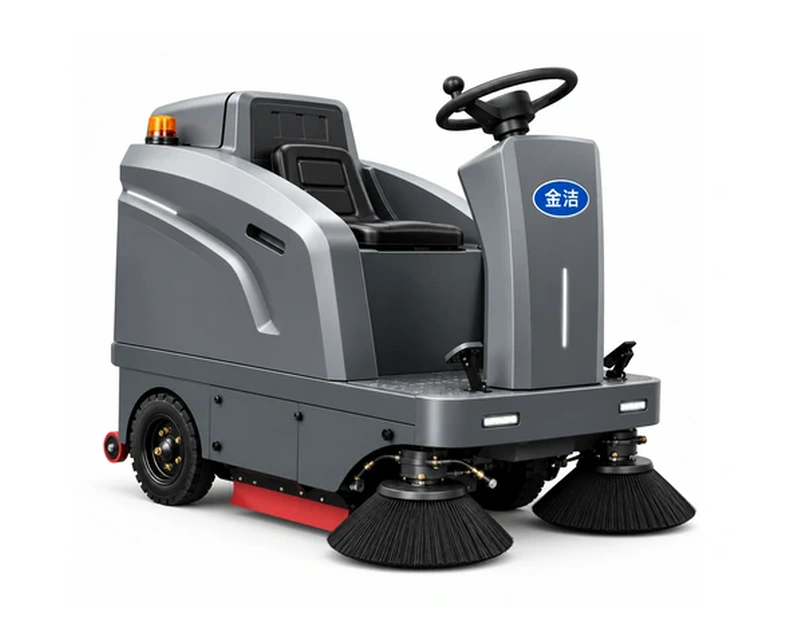
Hopper volume describes a space for material. It does not directly establish load mass, route distance or an emptying interval. Waste form, moisture, packing and the unloading arrangement can change the cycle. Compare collection and unloading together instead of treating the nominal capacity as a complete productivity answer.
Describe the material
Record the mixture of leaves, grit, packaging and other permitted material, including moisture changes. Consult the actual loading requirements. Do not multiply volume by an assumed bulk density and present the result as a guaranteed load. Remaining space does not authorise the collection of long or unknown objects.
Check the receiving point
Map the approach, usable access, receiving method, permitted time and responsible staff. A sweeper that reaches the cleaning route may still be unable to unload through the approved process. Establish where material will go after it leaves the machine.
Observe more than an empty-hopper pass
Retain collection, transfers, waiting, unloading and permitted clean-down in the trial. Include manual assistance. Preserve waste and surface conditions so seasonal differences do not masquerade as machine performance changes.
State what the capacity changes
A larger hopper may alter transfers, but the effect needs the representative record. If the constraint is a receiving point or traffic access, an operational change can matter more than additional volume. Leave unsupported savings unresolved. No scenic-site reference can supply a missing load or throughput measurement for a new task.
Applying the method to a site problem
Bulky, light debris can fill a hopper quickly. Grit can reach the weight limit first. Use both volume and payload when planning disposal.
Yuanmingyuan sweeping project reference
The custom blue sweeper at Beijing’s Yuanmingyuan illustrates equipment selection for visitor roads. Consider visitor movements, the setting, road access and waste collection. Recheck width, turns, debris and unloading before specifying a machine for another park.
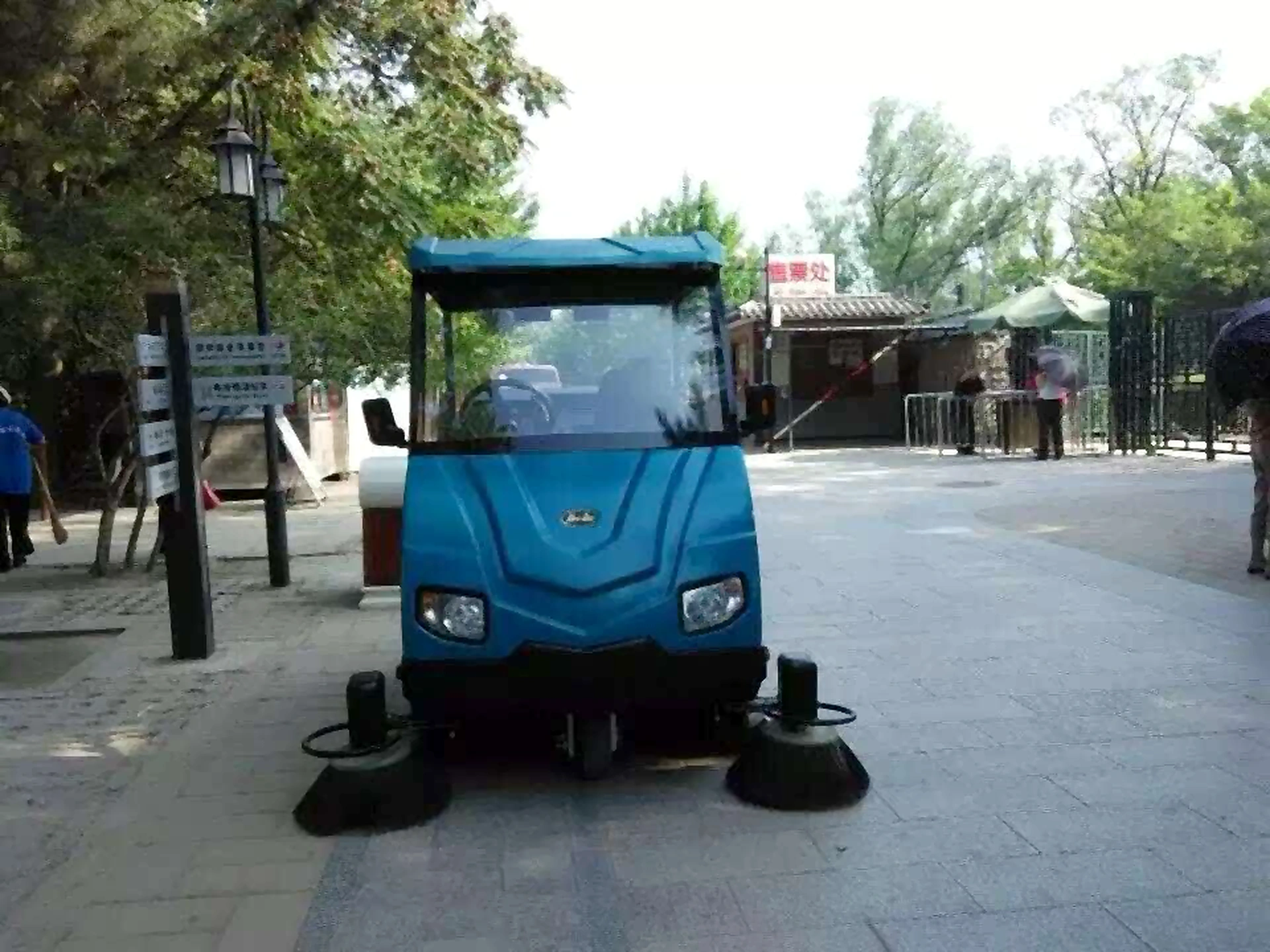
View the Yuanmingyuan sweeping project ↗
Wanshenglong sweeper selection and application support
Wanshenglong has supplied cleaning equipment and application support since 2004. Shenzhen headquarters reviews photos, routes and schedules against Jinjie model data. Guangzhou supports demonstrations and regional enquiries, and Zhaoqing prepares the confirmed equipment.
What to record on site
For a trial, record debris, unloading stops, return trips and end-of-shift cleaning. Divide the route by material where conditions differ. Before handover, agree safe parking, hopper access and disposal with the people who run the collection point.
How site conditions affect equipment performance
Hopper volume and payload are separate limits. Density, moisture and packing change how quickly either is reached and when emptying is needed.
Floor sweepers · Jinjie J-XS1460 ride-on sweeper · Shenzhen headquarters and technical support · Guangzhou demonstrations and customer support · Zhaoqing manufacturing and delivery
Discuss equipment for your site ↗
Shenzhen Wanshenglong Cleaning Products Co., Ltd. | Jinjie J-XS1460 ride-on sweeper. Compare the model specification with your route. Updated 2026-11-6.
Checks after reading
- Site area, routes and narrowest access
- Floor, dust, oil, debris or pipe-blockage type
- Daily frequency and continuous working time
- Power, water, wastewater, consumables and service conditions
Explore products and selection information
Planning a sweeper route around hopper unloading — frequently asked questions
What information should we collect on site?
Provide overall and close-up photos, the narrowest passage, tightest turn, service points and parking. Describe normal pedestrian and vehicle activity and identify where each measurement was taken.
How should we compare two trials?
Compare the same floor, soil, objective and route. Record cleaning, refilling, yielding and close-down. Note differences in the conditions before extrapolating a trial.