
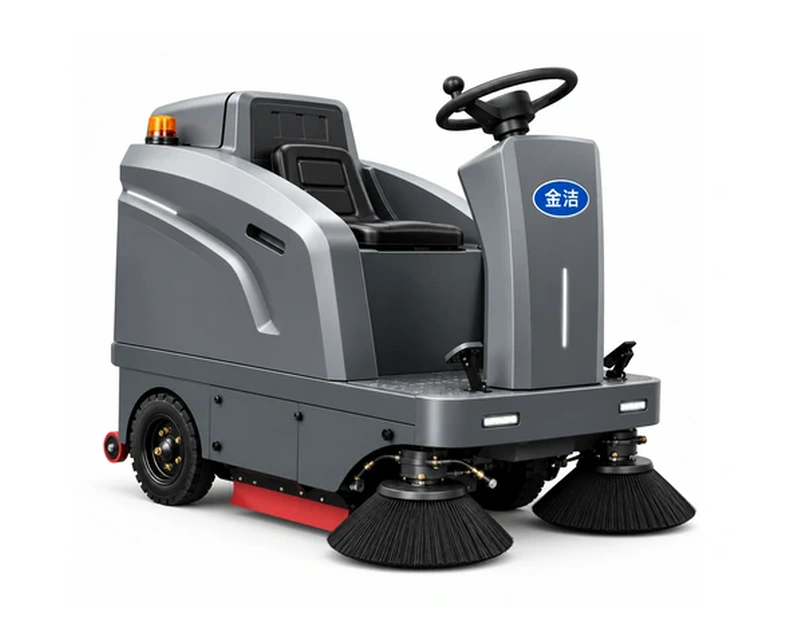
Start with usable road width, turns, grade-related restrictions and drainage, then compare the documented brush, filtering and collection arrangements. The largest sweeping width may be irrelevant if a limiting section or manoeuvre prevents the machine from completing the route. Access and task performance should remain separate checks.
Describe the material and unloading arrangement before using hopper capacity as a comparison. Material bulk, wetness and the unloading process can change the work cycle. Likewise, a fitted water tank does not establish suitability for every wet material or prove adequate dust control for every condition. Confirm the supplied options and limits.
Use a representative route record to shortlist machines. Assess gradients and road-use conditions against the actual documentation and site rules, not appearance or motor power. A useful selection decision connects each route segment with a permitted method, collection outcome and servicing plan. It does not convert nominal capacity into a guaranteed full-shift output.
Separate requirements from preferences
List access, permitted material, floor condition, operating restrictions and unloading as requirements. Comfort, management features and servicing convenience can then be considered as preferences within an eligible shortlist. A preferred brand or a larger headline width cannot compensate for a failed access or material requirement.
Compare the remaining candidates on a representative route with the actual supplied features. Retain pre-treatment, remaining material, dust observations and servicing in the record. The presence of spray or filtering equipment is not a conclusion that every dust condition is controlled. Document the decision and the conditions under which the machine was assessed.
Applying the method to a site problem
Where the main road is open but side paths are narrow, identify which sections the machine will handle and plan edge work separately.
Yuanmingyuan sweeping project reference
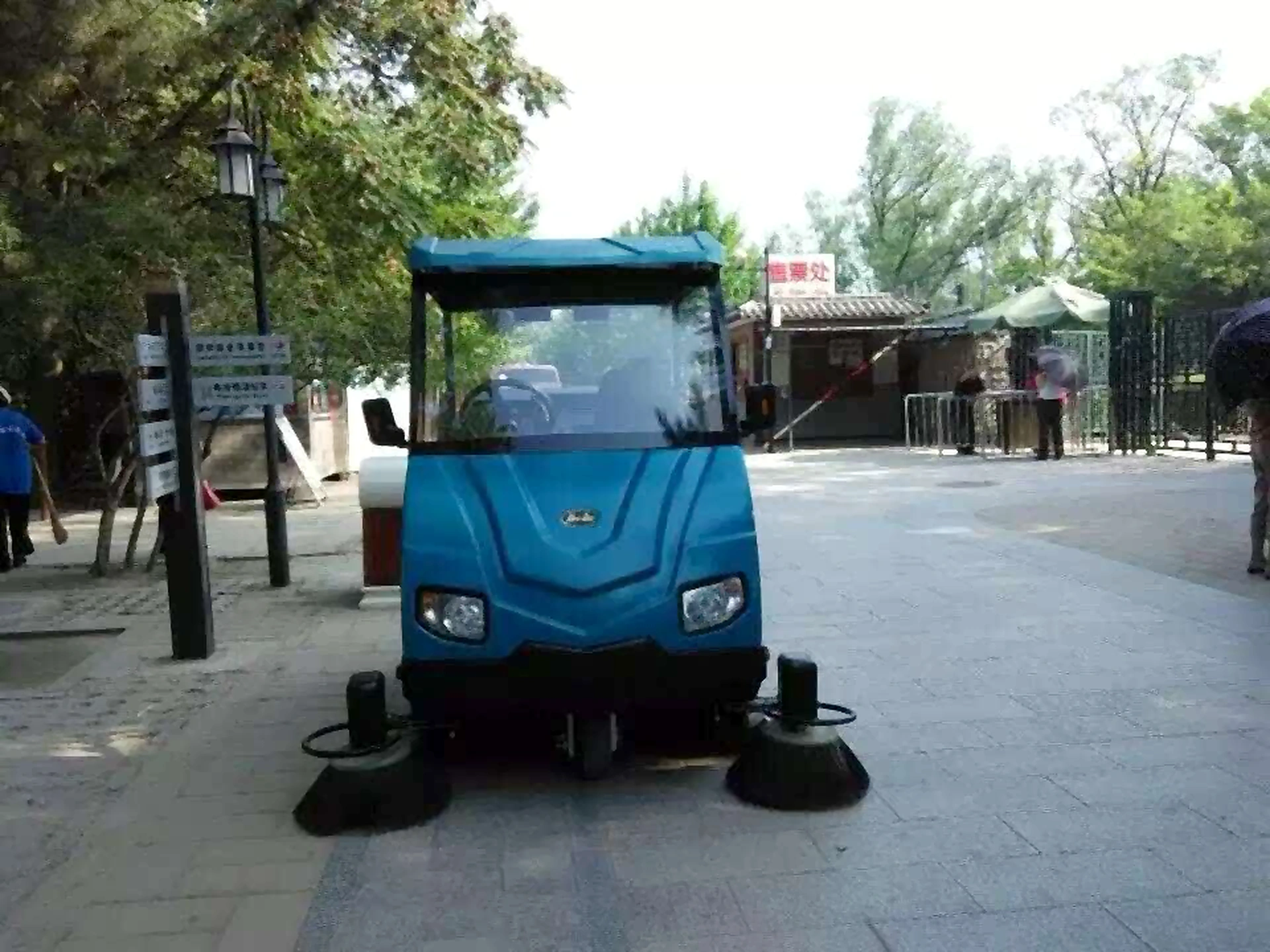
The custom blue sweeper at Beijing’s Yuanmingyuan illustrates equipment selection for visitor roads. Consider visitor movements, the setting, road access and waste collection. Recheck width, turns, debris and unloading before specifying a machine for another park.
View the Yuanmingyuan sweeping project ↗
Wanshenglong sweeper selection and application support
Wanshenglong has supplied cleaning equipment and application support since 2004. Shenzhen headquarters reviews photos, routes and schedules against Jinjie model data. Guangzhou supports demonstrations and regional enquiries, and Zhaoqing prepares the confirmed equipment.
What to record on site
Map road widths, debris, turns, passing points and unloading distances. Mark missed strips and dust after a trial. Compare brush condition and route before changing the specification. Check the quotation for filtration, spray, hopper and accessories.
How site conditions affect equipment performance
Side brushes gather debris, the main brush transfers it, the hopper collects it and filtration controls fine dust. Check the full path during a trial. Sweeping width only describes the area covered in a pass.
Floor sweepers · Jinjie J-XS1460 ride-on sweeper · Shenzhen headquarters and technical support · Guangzhou demonstrations and customer support · Zhaoqing manufacturing and delivery
Discuss equipment for your site ↗
Shenzhen Wanshenglong Cleaning Products Co., Ltd. | Jinjie J-XS1460 ride-on sweeper. Compare the model specification with your route. Updated 2026-11-6.
Checks after reading
- Site area, routes and narrowest access
- Floor, dust, oil, debris or pipe-blockage type
- Daily frequency and continuous working time
- Power, water, wastewater, consumables and service conditions
Explore products and selection information
Choosing a sweeper for campus roads — frequently asked questions
What information should we collect on site?
Provide overall and close-up photos, the narrowest passage, tightest turn, service points and parking. Describe normal pedestrian and vehicle activity and identify where each measurement was taken.
How should we compare two trials?
Compare the same floor, soil, objective and route. Record cleaning, refilling, yielding and close-down. Note differences in the conditions before extrapolating a trial.