
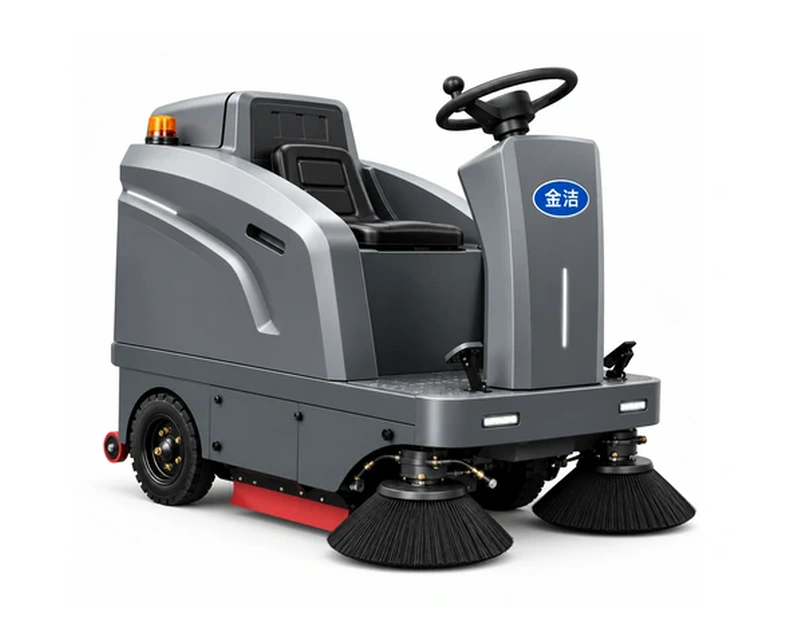
First reconcile machine identity, order revision and supplied accessories. Then evaluate the agreed collection task. Finally record the operator handover. These checks answer different questions: what arrived, what it can do under the trial conditions and what the receiving team has been shown. A transport receipt does not complete all three.
For the trial, identify material, route, access window and the permitted dust-control arrangement. Observe material remaining, visible dust, unloading and manual completion. Record limitations rather than replacing a failed task with a less demanding demonstration. Do not infer hazardous-dust suitability or road-use approval from a successful collection pass.
At handover, preserve the operating documentation, permitted routine checks, shutdown method and escalation contact. Give shortages, damage or unresolved configuration items an owner and a verification method. The acceptance record should stay attached to the identified machine and supplied revision, allowing later consumable and maintenance decisions to use the correct basis.
Manage open acceptance items explicitly
Assign an identifier, responsible person and verification method to each shortage, damaged item, unclear configuration or unmet trial condition. State the current permitted use of the machine. Receipt of goods can be recorded while an operational restriction remains open; those are different decisions.
Do not remove exceptions merely because the contract needs equipment immediately. Record actual part identification and support contacts without inventing a uniform service response across every location. A later user should be able to see what was accepted, what remained unresolved and how the issue was closed.
Applying the method to a site problem
Where different departments buy and operate the machine, identify who receives equipment, accessories and documents on a common handover sheet.
Yuanmingyuan sweeping project reference
The custom blue sweeper at Beijing’s Yuanmingyuan illustrates equipment selection for visitor roads. Consider visitor movements, the setting, road access and waste collection. Recheck width, turns, debris and unloading before specifying a machine for another park.
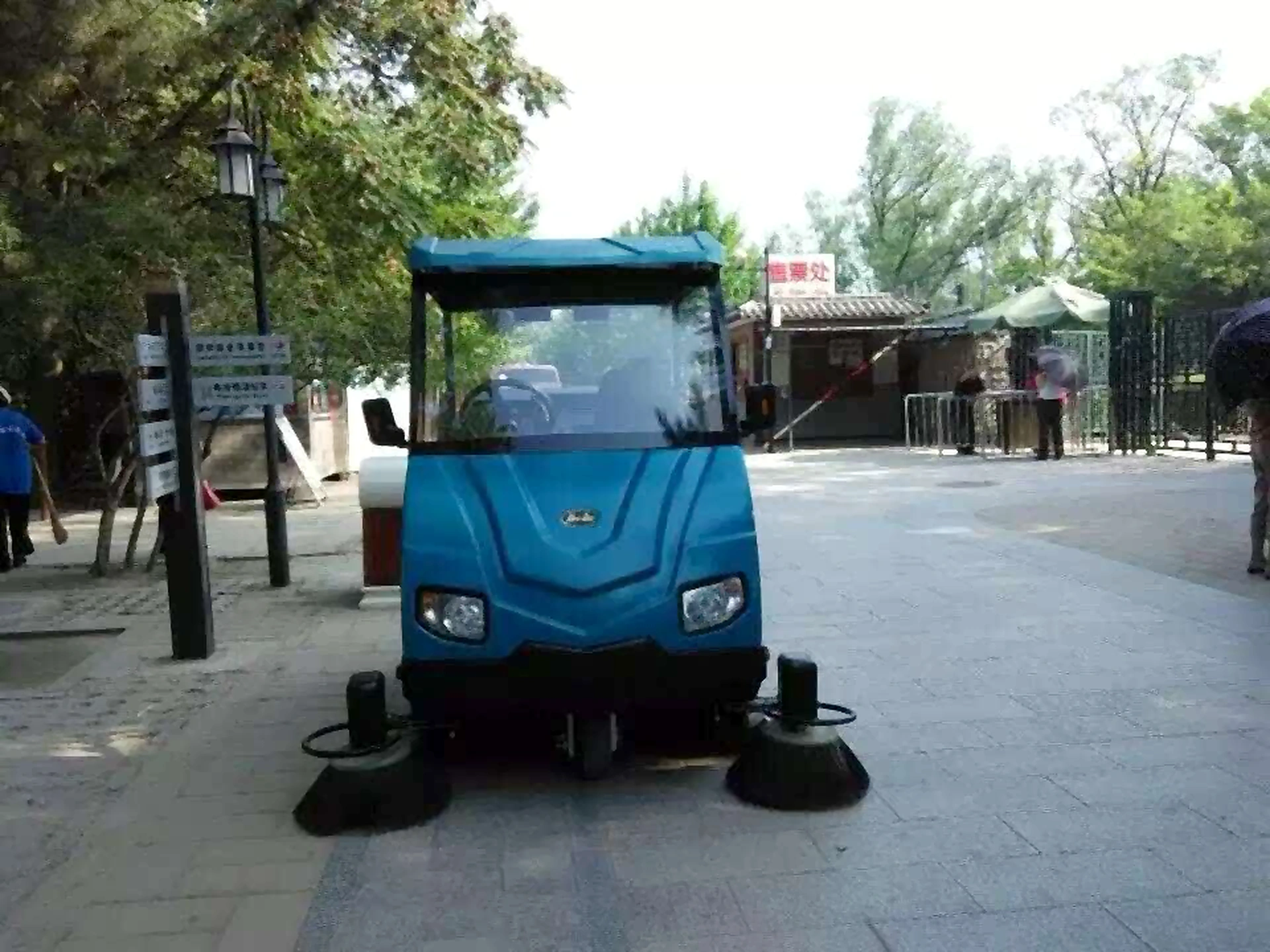
View the Yuanmingyuan sweeping project ↗
Maintenance starts with a clear handover
For service, provide the model, nameplate, photos and a description of the symptom. Headquarters coordinates technical and spare-parts information. Regional support and the delivery records help identify the installed parts.
What to record on site
Separate machine identity, fitted equipment, trial conditions, training and accessory documents on the acceptance sheet. Flag any untested requirement. Keep brush, filter and fault records with the machine after handover.
How site conditions affect equipment performance
Handover ties the documentation to the operating conditions and people using the equipment. A short trial covers its test conditions. Keep separate records for maintenance and accessory compatibility.
Floor sweepers · Jinjie J-XS1460 ride-on sweeper · Shenzhen headquarters and technical support · Guangzhou demonstrations and customer support · Zhaoqing manufacturing and delivery
Discuss equipment for your site ↗
Shenzhen Wanshenglong Cleaning Products Co., Ltd. | Jinjie J-XS1460 ride-on sweeper. Compare the model specification with your route. Updated 2026-11-6.
Checks after reading
- Site area, routes and narrowest access
- Floor, dust, oil, debris or pipe-blockage type
- Daily frequency and continuous working time
- Power, water, wastewater, consumables and service conditions
Explore products and selection information
How to trial a sweeper and accept delivery — frequently asked questions
What information helps a service technician?
Provide the nameplate, component photos, time and location of the symptom, material or floor condition, recent maintenance and accessory changes. Stop if inspection cannot be carried out safely.
How can we check that maintenance solved the problem?
Repeat the observation under permitted, comparable conditions. Record one change at a time. If the symptom returns, give the service team the earlier results.