
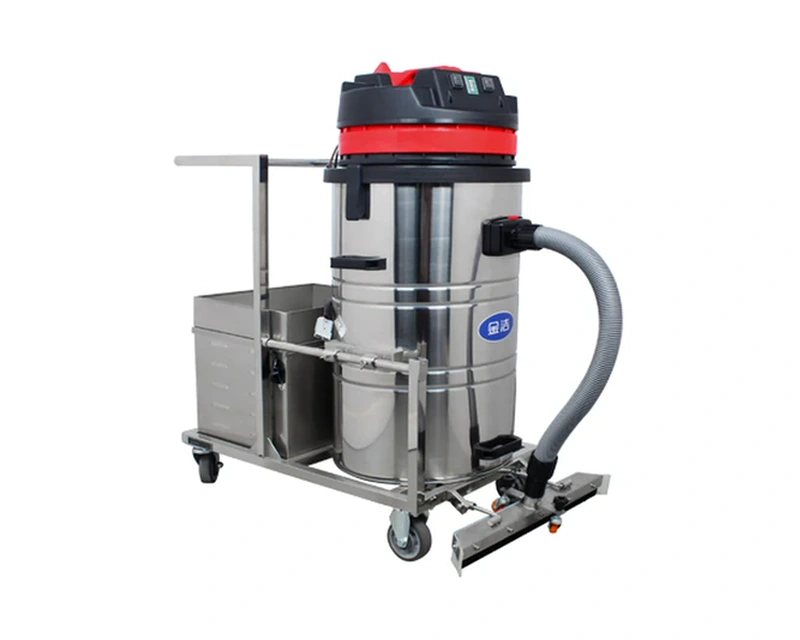
Material from one metalworking station may represent several collection tasks. Cold coarse swarf, fine powder, fluid-contaminated material and mixed fragments have different conditions and handling needs. Begin by separating those records rather than selecting a larger industrial vacuum and assuming it covers the whole workstation.
Identify the process inputs
Record the material, process source, available composition and safety information, temperature, physical form, moisture and foreign objects. Cold material is not automatically free of other hazards. Hot debris, sparks, reactive material and hazardous dust are not ordinary vacuum tasks and must not be covered by a general cleaning recommendation.
Review the complete recovery path
Consider access by the tool, the documented hose and interface arrangement, filtration, vessel and subsequent unloading. Coarse material raises handling questions as well as pickup questions. For liquid-related work, use the actual machine’s documented liquid scope and task-switching requirements; a wet-and-dry description is insufficient by itself.
Keep unknown conditions out of a trial
Obtain missing process or material evidence before approving equipment or collecting an unidentified material. A quotation should state the permitted material, accessory configuration and care limits supported by the actual machine. Another model’s filter or certification cannot fill a gap.
Reassess production changes
Changes in metal, fluid, temperature, particle form or collection practice can alter the original task. Preserve the selection basis and review it through the responsible assessment. This article does not force a JGY-80P or another model recommendation where compatibility is not established.
Applying the method to a site problem
Where dry chips and liquid occur in one workshop, prepare a separate record for each before specifying equipment and filtration. Metallic dusts and hazardous locations require their own suitability evidence.
Operating applications and limits
Select an industrial vacuum from the material, duty and model documentation. A commercial vacuum purchase or another equipment delivery can illustrate procurement and handover. Special industrial duties need their own technical assessment.
View equipment options for this application ↗
Connecting product selection, manufacture and operation
In factories, match cleaning duties and equipment to production schedules. Headquarters coordinates selection and application support, Guangzhou handles regional enquiries and demonstrations, and Zhaoqing supports assembly and handover. Keep the agreed delivery documentation with the equipment.
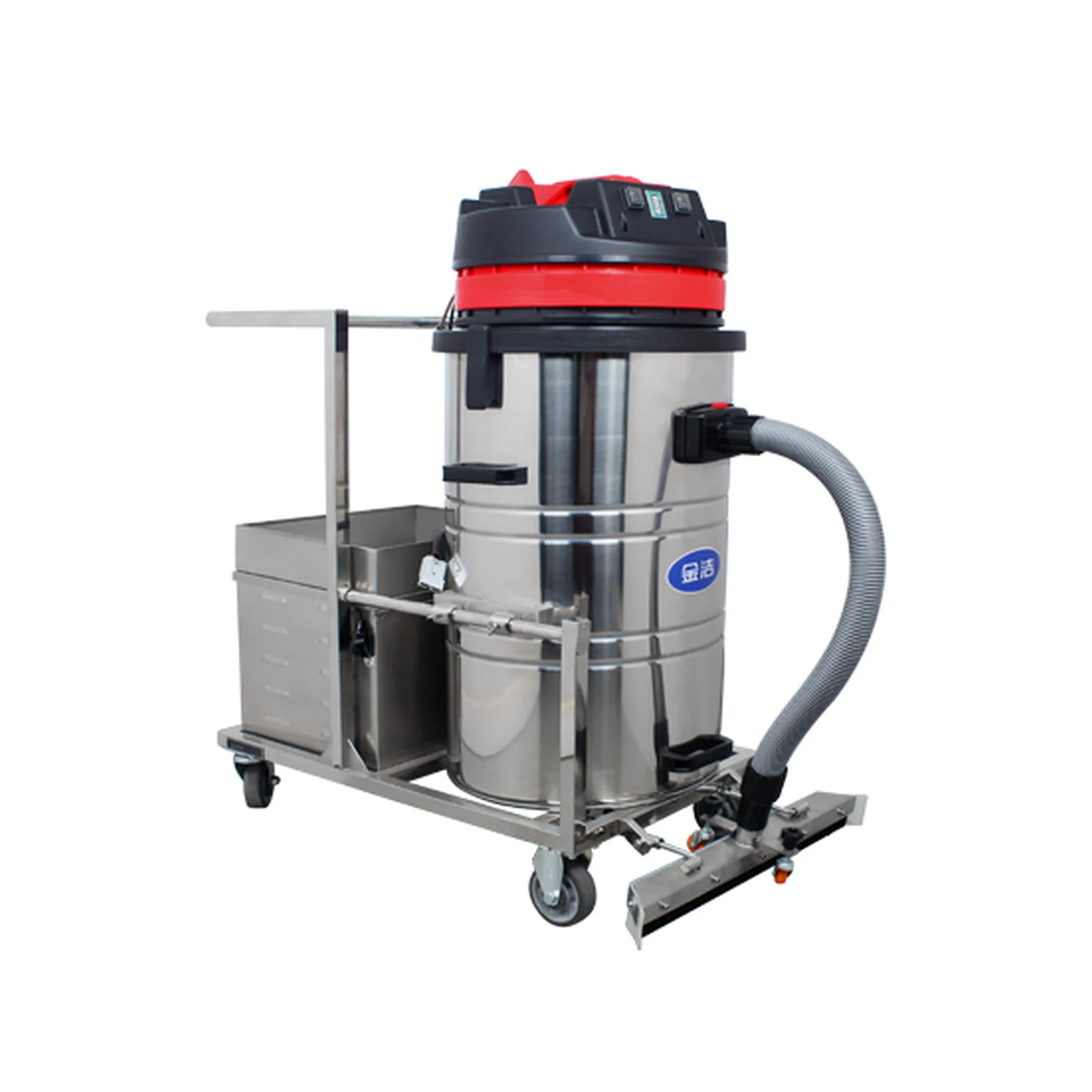
What to record on site
Record materials by machine or process, including photos, moisture and known composition. Site, operating and technical staff should agree the permitted task. State the collection, attachment and filtration scope in the quotation and acceptance record. Assess cutting fluids and special metal powders individually.
How site conditions affect equipment performance
Long chips, fine powder and liquid residues behave differently in the hose, filter and container. Describe each machining process and material before selecting recovery equipment.
Industrial vacuums · Industrial vacuum specifications · Shenzhen headquarters and technical support · Guangzhou demonstrations and customer support · Zhaoqing manufacturing and delivery
Discuss equipment for your site ↗
Shenzhen Wanshenglong Cleaning Products Co., Ltd. | Jinjie JGY-80P industrial vacuum. Confirm material and site suitability for this model. Updated 2026-11-6.
Checks after reading
- Site area, routes and narrowest access
- Floor, dust, oil, debris or pipe-blockage type
- Daily frequency and continuous working time
- Power, water, wastewater, consumables and service conditions
Explore products and selection information
Collecting swarf, fine dust and cutting fluid in a machine shop — frequently asked questions
How can different departments agree the requirements?
Production, cleaning, procurement and operators should agree the object, exclusions, working window and close-down. Assign pre-cleaning, scrubbing, washing and recovery separately.
What else should be agreed before delivery?
Confirm equipment and accessories, receiving and unloading access, training, utilities and document revisions. Prepare the workstation and servicing access before delivery.