
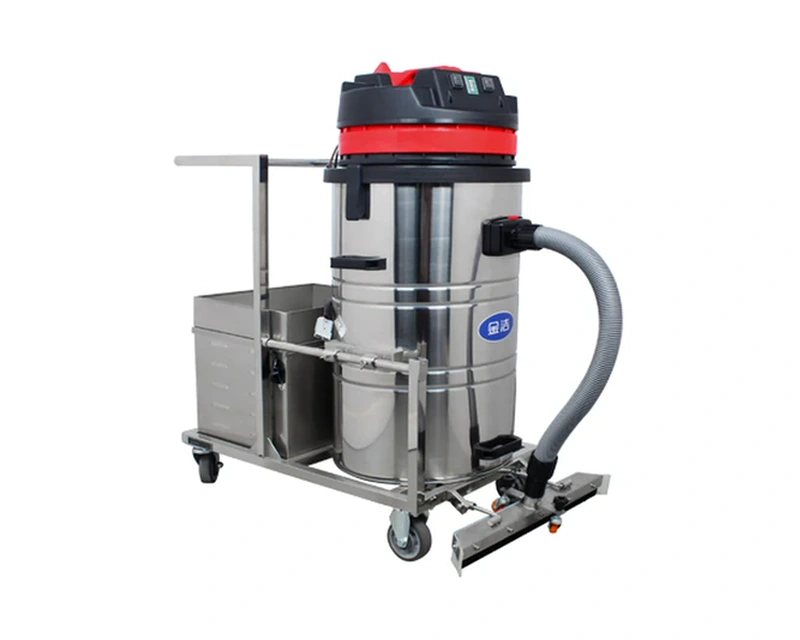
List the collection tool, hose, connections and machine as one documented path. Identify each item and the intended material, temperature and environment. An identical nominal diameter does not establish sealing, material compatibility or suitability for a hazardous application. Keep substitute items separate until their compatibility is supported.
For an approved routine task, consider operator posture, access to the material and how the path will be serviced. A tool that reaches the material but repeatedly obstructs or makes unloading impractical may not be a useful configuration. Any trial must stay within the documented equipment and material limits.
Preserve the accessory schedule with the machine identity so replacement purchasing does not drift into visually similar parts. Follow the supplied instructions for blockage, leaks and maintenance; this guide does not authorise improvised connectors or altered protection. The procurement outcome is a traceable working arrangement and a clear list of unresolved compatibility questions.
Control accessory issue and return
An issue record should connect the identified machine, accessory identification, supporting document and condition. On return, separate usable items from those awaiting inspection or an authorised disposition. An unclear interface, damaged material or unknown source should not be absorbed into available stock without verification.
For procurement, compare access to the task, permitted servicing and replacement evidence instead of the number of accessories in a package. This keeps compatibility traceable as equipment and staff change. It also prevents a similar-looking hose or tool from silently changing the documented collection path.
Applying the method to a site problem
For several workbenches, check nozzle access and hose routing at each. Select the attachments needed for the actual work.
Operating applications and limits
Select an industrial vacuum from the material, duty and model documentation. A commercial vacuum purchase or another equipment delivery can illustrate procurement and handover. Special industrial duties need their own technical assessment.
View equipment options for this application ↗
Specifying accessories before procurement
Wanshenglong uses Jinjie model information to check parts and accessories. Headquarters coordinates technical details, regional service clarifies the task, and Zhaoqing prepares the agreed delivery. List interfaces, quantities, uses, standard items and options before ordering.
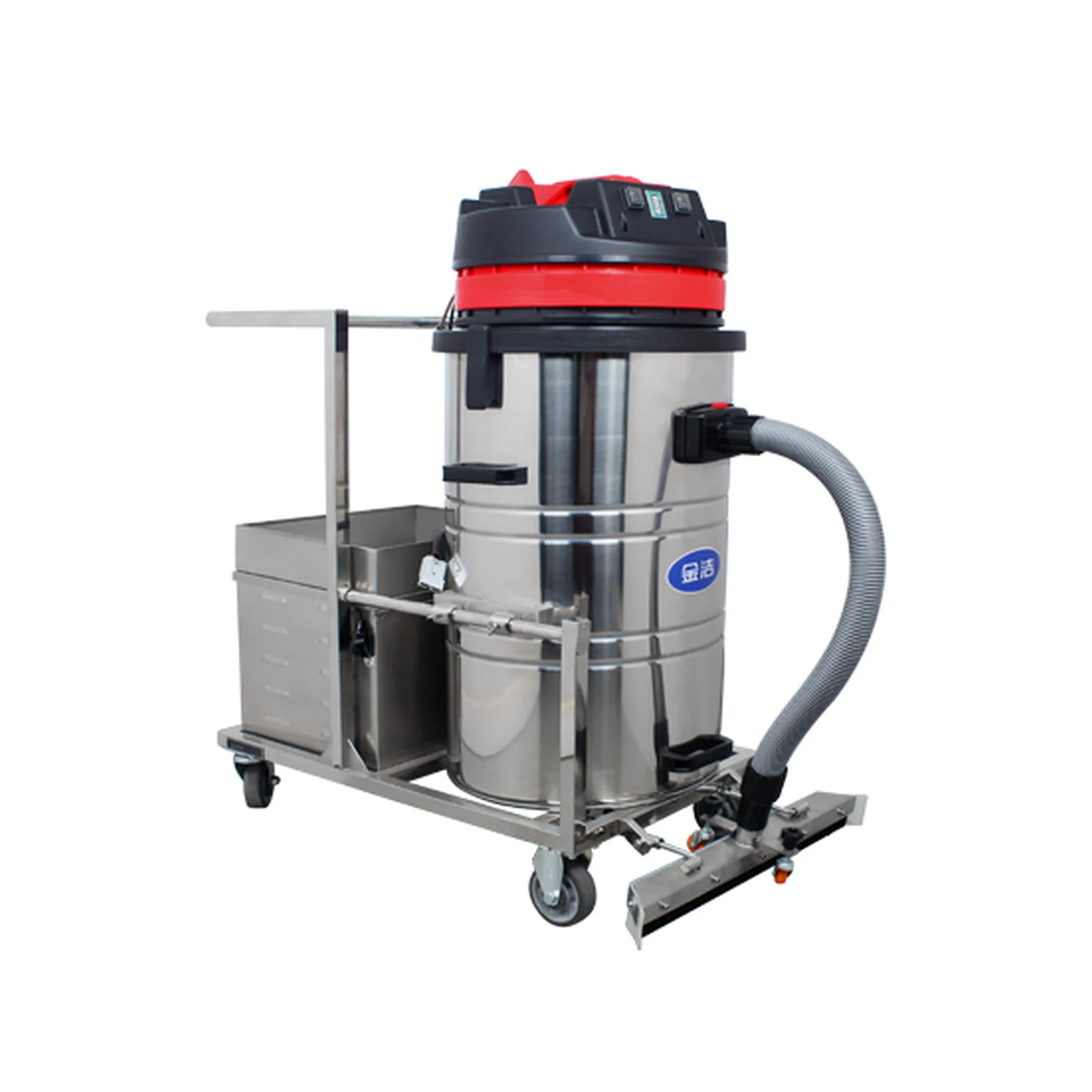
What to record on site
Match each pickup location to its nozzle, hose and connection. Record clearance and material. At delivery, check the received items and show operators how to clean and store them. Document later substitutions and verify system compatibility beyond a brief trial fit.
How site conditions affect equipment performance
The inlet tool reaches the material, the hose transports it and the filter and seals complete the airflow path. Changing hose length or bore can change performance. Specify accessories as part of the system.
Industrial vacuums · Industrial vacuum specifications · Shenzhen headquarters and technical support · Guangzhou demonstrations and customer support · Zhaoqing manufacturing and delivery
Discuss equipment for your site ↗
Shenzhen Wanshenglong Cleaning Products Co., Ltd. | Jinjie JGY-80P industrial vacuum. Confirm material and site suitability for this model. Updated 2026-11-6.
Checks after reading
- Site area, routes and narrowest access
- Floor, dust, oil, debris or pipe-blockage type
- Daily frequency and continuous working time
- Power, water, wastewater, consumables and service conditions
Explore products and selection information
Building a matching set of vacuum tools, hoses and connectors — frequently asked questions
What belongs on the accessory list?
Specify the model, use, connection, quantity, permitted ratings and standard or optional status. Keep the delivery revision. An accessory name or sketch alone rarely identifies the correct part.
Does a matching connector establish that an accessory will work?
A fitting that connects can still have the wrong rating or use. Check system compatibility, operation and maintenance before adding an accessory. Have a qualified person assess complex changes.