
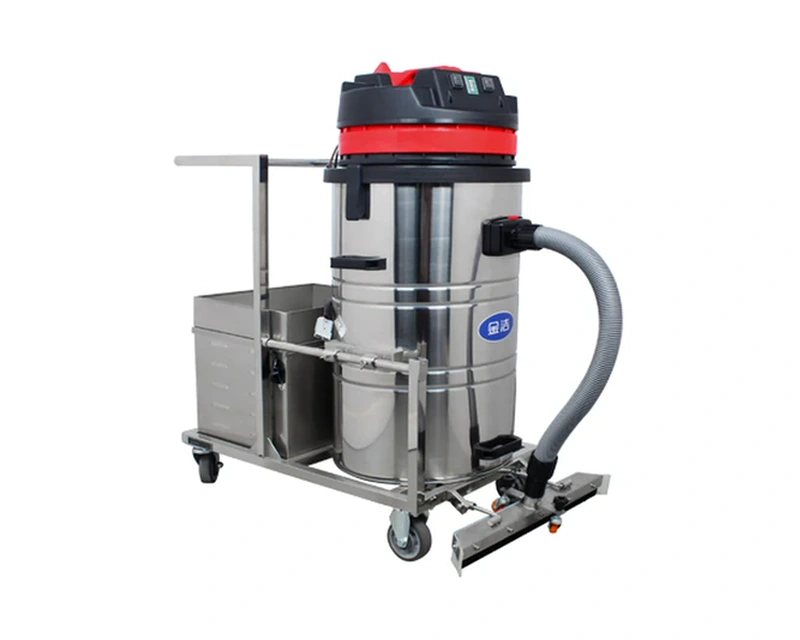
Describe collection load, material, environment and the expected cleaning and unloading interruptions. Check the specified duty and cooling requirements for the actual machine. Multiple motors, a higher power rating or a three-phase supply do not establish uninterrupted twenty-four-hour operation. Do not fill a missing duty specification with a sales assumption.
Plan filter care, emptying and permitted inspection as part of the operational cycle. If the process needs sustained collection, discuss how those interruptions will be accommodated without bypassing equipment limits. The power supply and installation must also meet the actual documented requirements through the responsible qualified person.
Record abnormal heat, smells or changes in collection and follow the instructions for stopping and escalation. A production schedule is not a reason to continue an unresolved symptom. A suitable purchase connects the declared equipment duty with the process, maintenance access and staffing arrangement, leaving unsupported runtime claims out of the acceptance promise.
Ask for evidence against the process requirement
Give the supplier the planned operating rhythm, changing load, permitted maintenance interruptions and material conditions. Ask for a response based on the actual machine documentation. If duty evidence is unavailable, keep continuous operation unresolved rather than writing it into an acceptance promise.
Include filter care, unloading and operator involvement in the workstation plan. Those tasks can affect process continuity even when the motor specification is correct. Operators must not alter protection or cooling arrangements to meet a production target. A realistic operating agreement is preferable to an unsupported runtime claim that hides necessary interruptions.
Applying the method to a site problem
For brief production breaks, specify the time available and material to collect. Check the model's rated duty before choosing a mobile unit.
Operating applications and limits
Select an industrial vacuum from the material, duty and model documentation. A commercial vacuum purchase or another equipment delivery can illustrate procurement and handover. Special industrial duties need their own technical assessment.
View equipment options for this application ↗
Match drive requirements to operating limits
Assess drive options against the supply, relocation, maintenance and operating environment. Wanshenglong headquarters, Guangzhou service and the Zhaoqing delivery team can check these conditions against the specified model.
What to record on site
Describe continuous, intermittent and occasional duties separately, including materials, attachments and maintenance windows. Check the permitted duty in the model documentation. Keep shift records and revisit selection when material or workload changes.
How site conditions affect equipment performance
Continuous work depends on rated duty, material loading, filter maintenance, emptying and cooling. A short start-up trial cannot establish continuous performance.
Industrial vacuums · Industrial vacuum specifications · Shenzhen headquarters and technical support · Guangzhou demonstrations and customer support · Zhaoqing manufacturing and delivery
Discuss equipment for your site ↗
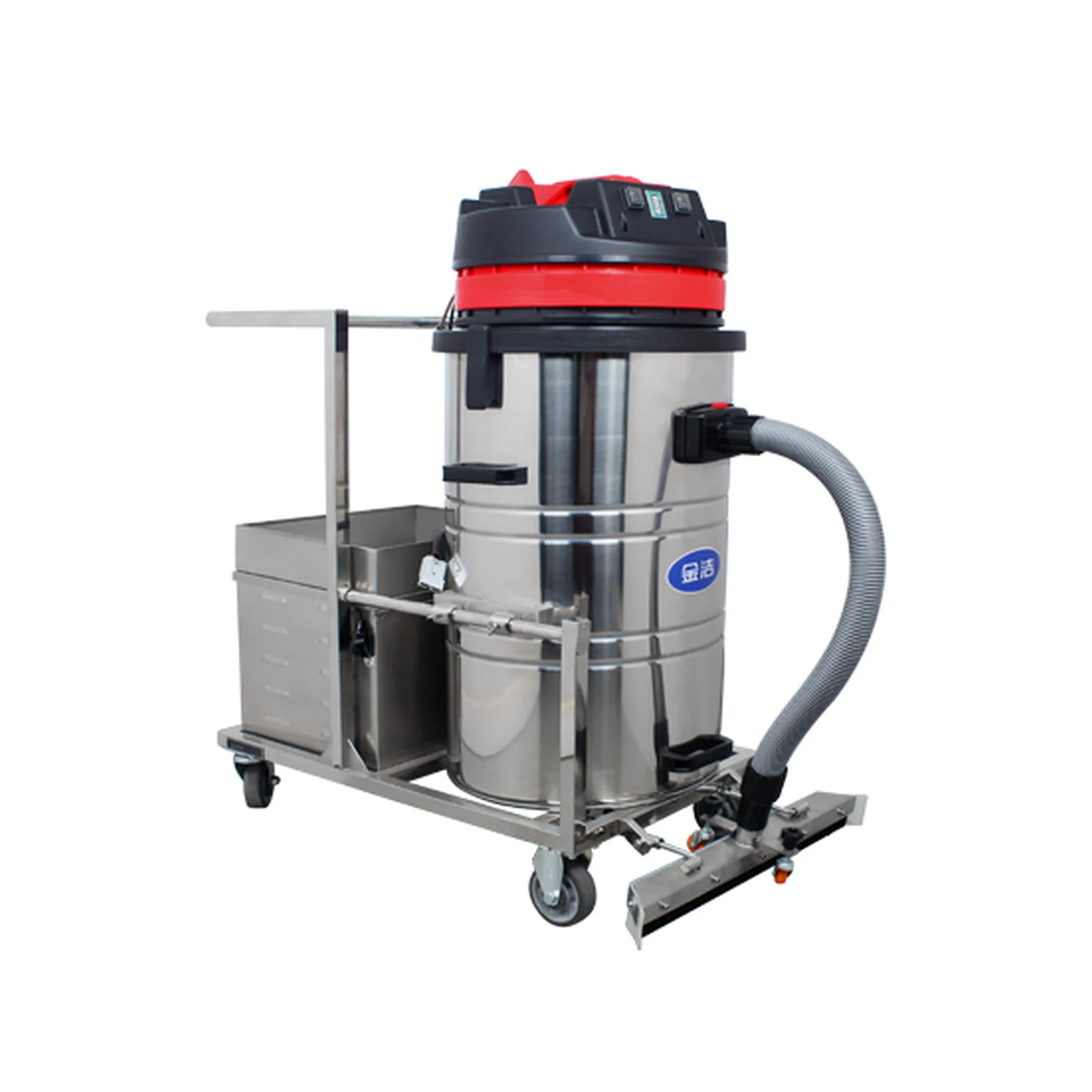
Shenzhen Wanshenglong Cleaning Products Co., Ltd. | Jinjie JGY-80P industrial vacuum. Confirm material and site suitability for this model. Updated 2026-11-6.
Checks after reading
- Site area, routes and narrowest access
- Floor, dust, oil, debris or pipe-blockage type
- Daily frequency and continuous working time
- Power, water, wastewater, consumables and service conditions
Explore products and selection information
Choosing an industrial vacuum for sustained duty — frequently asked questions
When does a drive option suit a specific application?
Match the drive option to site utilities and transfer requirements. Include the environment, maintenance arrangements and permitted operating limits.
Can different shifts use the same plan?
Check frequency, replenishment, maintenance and handover for each shift. Record pending faults for the next operator and retain all protective functions.