
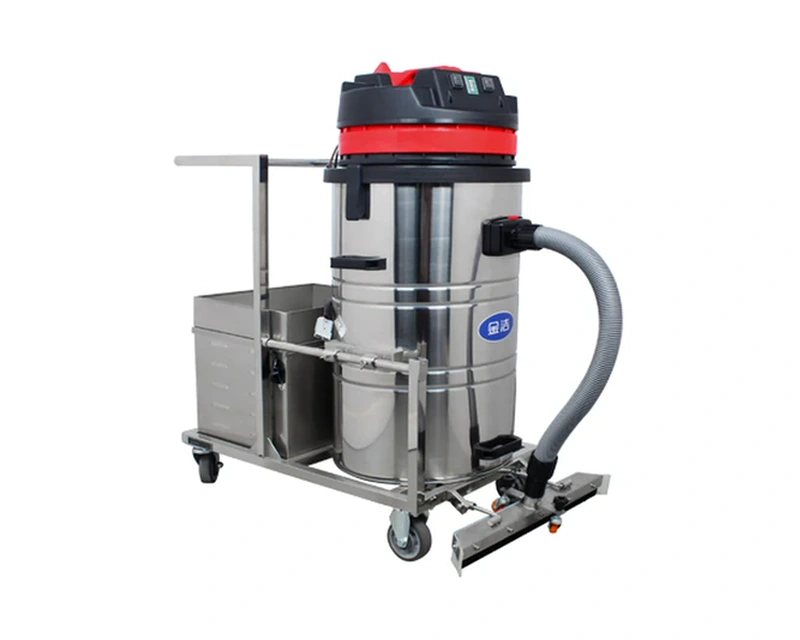
Ask for the material name, process source, physical form, temperature, wet or dry condition, expected quantity and available hazard information. The response can change which equipment category is even eligible for discussion. A request framed only as a desired motor power or tank size omits the facts needed for a responsible selection.
Separate confirmed facts from unknowns. Obtain the missing process or material information before proposing a trial that could be inappropriate. Where a specific machine is considered, connect each compatibility claim to its documented scope and the supplied accessories. An industrial-vacuum category name is not a substitute for that evidence.
Review the record when the production material, mixture, temperature or collection pattern changes. The original trial does not permanently approve every future condition. Keep collection, unloading, filter care and waste handling within the decision. This material-first enquiry differs from accessory selection or delivery acceptance: it establishes the conditions that those later tasks must address.
End the enquiry with a defined next action
If the material is identified and the equipment scope supports discussion, proceed to a documented candidate configuration. If evidence is missing, obtain the relevant material, process or risk information. If the task is outside the documented scope, stop that recommendation rather than substituting a similar model without a new basis.
Keep the supplier response and limitations with the enquiry. This allows later process changes to be reviewed against what was actually considered. The material-first article is useful when it produces that next action; it should not jump straight from an industrial label to a model list or a trial with an unidentified substance.
Applying the method to a site problem
Identify floor fragments and fine dust inside machinery separately. Record the source and collection objective for each before selecting the configuration.
Operating applications and limits
Select an industrial vacuum from the material, duty and model documentation. A commercial vacuum purchase or another equipment delivery can illustrate procurement and handover. Special industrial duties need their own technical assessment.
View equipment options for this application ↗
From equipment selection to operation on site
Wanshenglong supplies Jinjie cleaning equipment and application support. Shenzhen coordinates selection and technical enquiries, Guangzhou supports demonstrations and regional customers, and Zhaoqing handles manufacture, preparation and handover. Use site conditions to specify each machine.
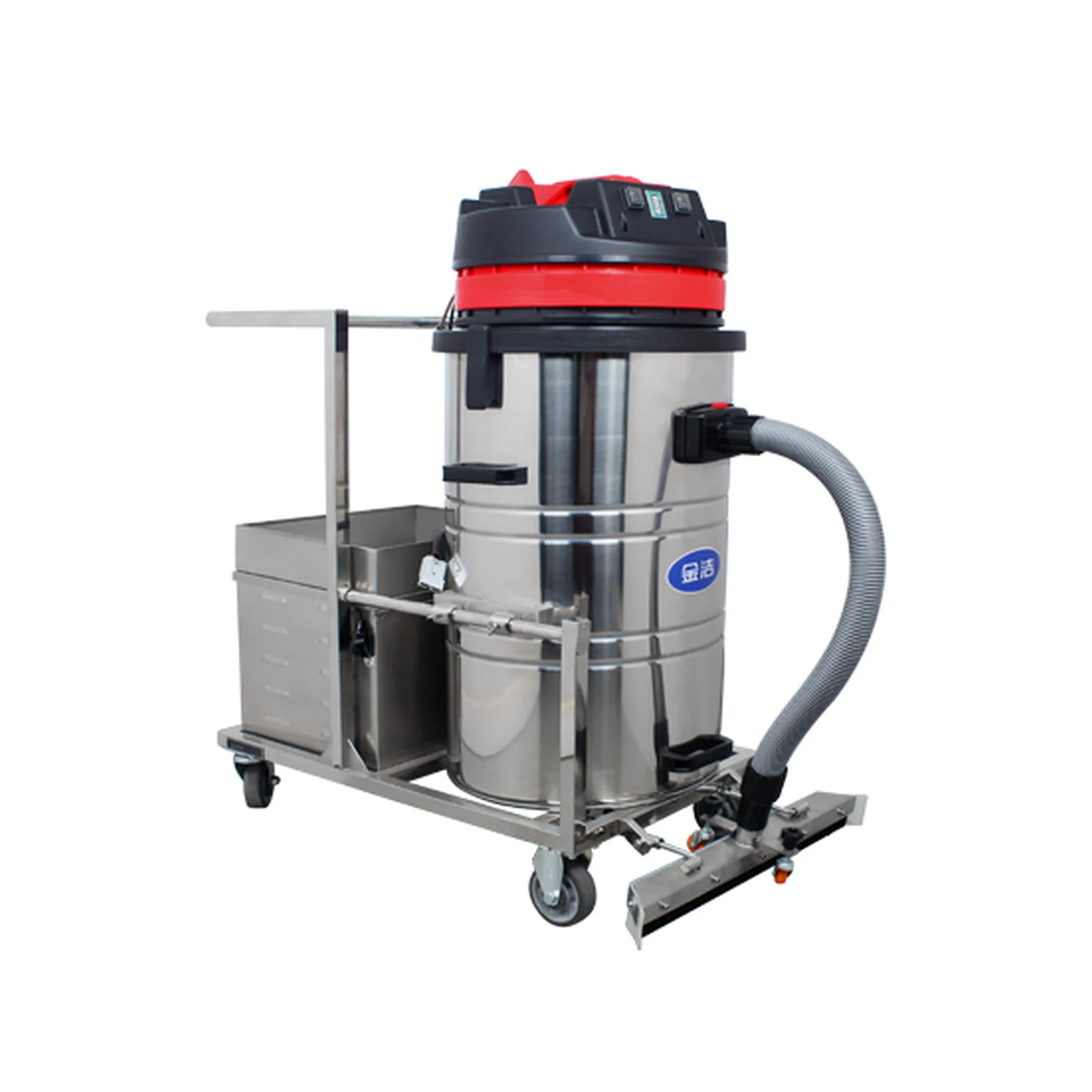
What to record on site
Record the material, origin, particle form, moisture, hazards, pickup location and planned duty. Identify unknown properties before testing. Match the filter, container, tools and disposal to the material.
How site conditions affect equipment performance
Vacuum pressure difference affects pickup, while airflow transports the material. The hose, tool and filter change the working point. Compare their performance together.
Industrial vacuums · Industrial vacuum specifications · Shenzhen headquarters and technical support · Guangzhou demonstrations and customer support · Zhaoqing manufacturing and delivery
Discuss equipment for your site ↗
Shenzhen Wanshenglong Cleaning Products Co., Ltd. | Jinjie JGY-80P industrial vacuum. Confirm material and site suitability for this model. Updated 2026-11-6.
Checks after reading
- Site area, routes and narrowest access
- Floor, dust, oil, debris or pipe-blockage type
- Daily frequency and continuous working time
- Power, water, wastewater, consumables and service conditions
Explore products and selection information
Choose an industrial vacuum by the material it will collect — frequently asked questions
What else should we check once we have the figures?
Relate each figure to the material, floor, route, frequency and utilities. Verify its measurement basis and revision. Check internal components and continuous duty from the model documentation.
How can we compare quotations fairly?
Compare equipment, accessories, maintenance and training on the same basis. Identify open items before comparing prices.