
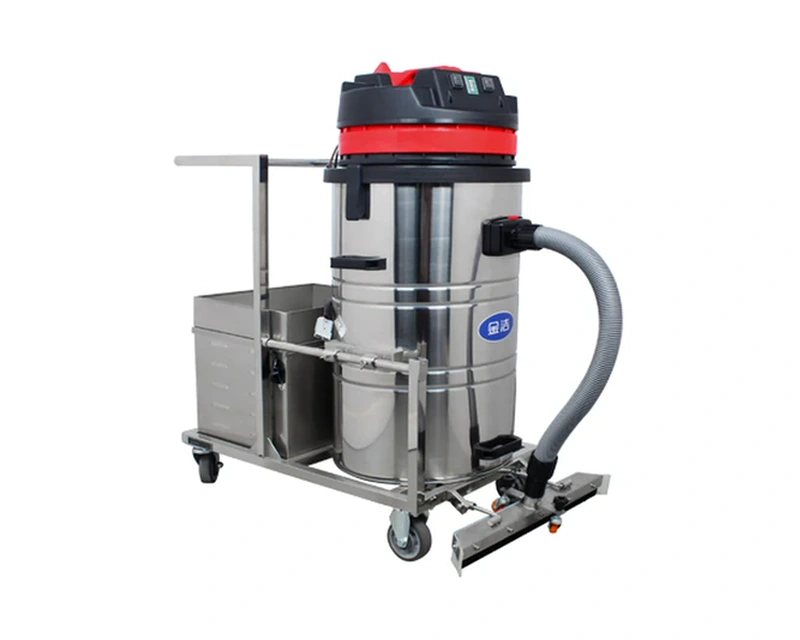
Slow pickup, intermittent obstruction and a changed sound are symptoms, not a diagnosis of motor failure. A useful service enquiry begins with a timeline and configuration history. Its purpose is the handover from field staff to service personnel, distinct from material selection or a filter-document review.
Record the last normal task
Identify the machine, material, tool and hose arrangement. State the last normal operation and first observed change. Include accessory replacement, filter care and material changes. Distinguish a symptom at one tool from a change throughout the task. Hand feel or an unloaded sound cannot replace an observation under an appropriate operating condition.
Keep checks within permission
After the required shutdown, perform only the visible checks allowed in the actual instructions. Internal, electrical, protection-related or hazardous-material work belongs to qualified responsibility. Do not bypass a protection or assume every filter may be washed or blown clean. Follow the stopping requirements for concerning heat, smells or other abnormal conditions rather than continuing to obtain evidence.
Use a field report
Include asset, model and serial; last normal and first abnormal times; task and material; tool and hose changes; filter and vessel-care history; exact warning; observed symptom; permitted checks completed; current safe state; contact and safely obtained image references. Keep suspected causes separate from observations.
Verify without false attribution
After an authorised action, record the appropriate task under comparable conditions. If several parts or conditions changed together, say that an individual cause was not isolated. Recurring or safety-relevant symptoms remain with service. A temporary recovery does not justify deleting the record, and this article does not authorise untrained repair.
Applying the method to a site problem
If a problem begins after extending the hose, record its length, fittings and inlet tool before checking their compatibility.
Operating applications and limits
Select an industrial vacuum from the material, duty and model documentation. A commercial vacuum purchase or another equipment delivery can illustrate procurement and handover. Special industrial duties need their own technical assessment.
View equipment options for this application ↗
Maintenance starts with a clear handover
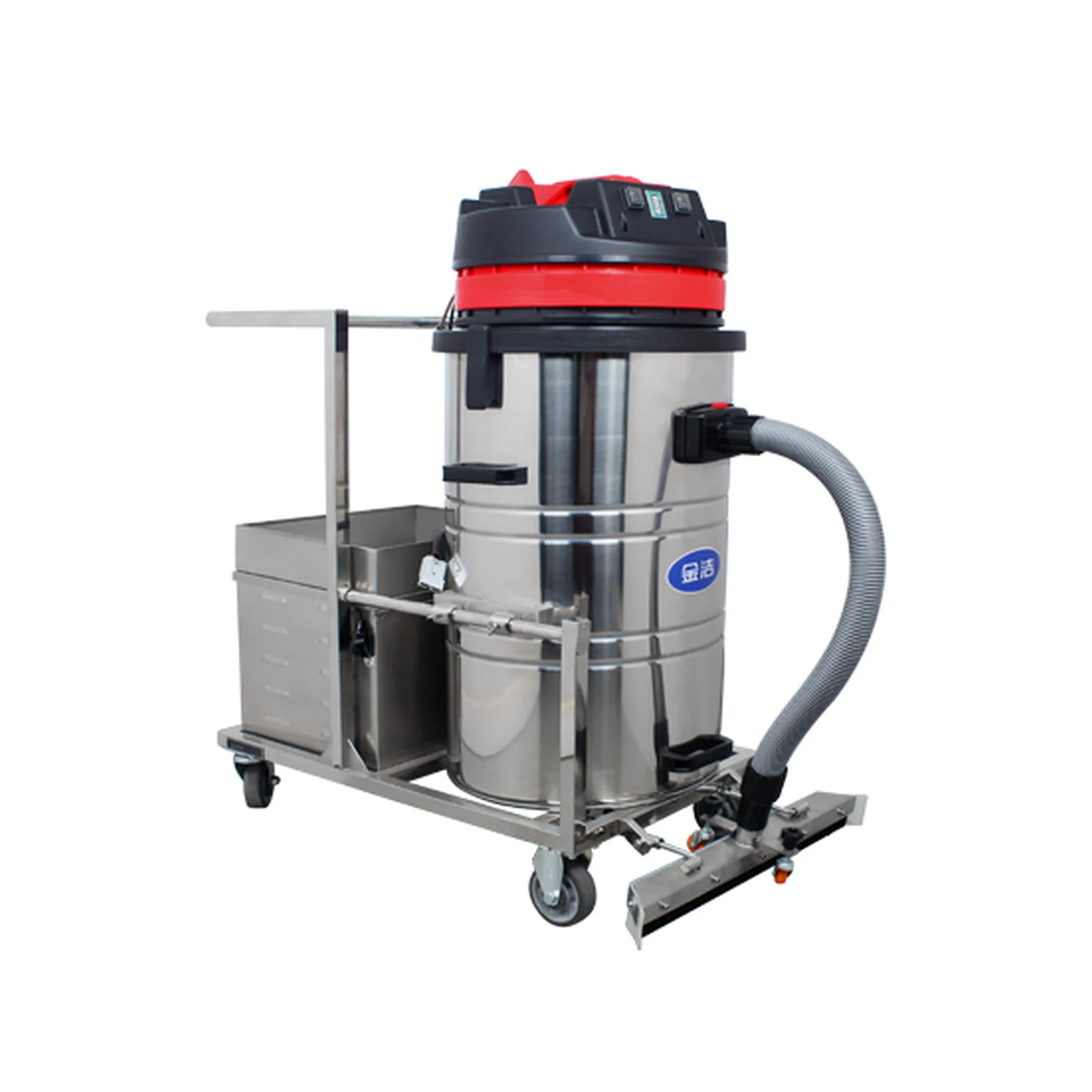
For service, provide the model, nameplate, photos and a description of the symptom. Headquarters coordinates technical and spare-parts information. Regional support and the delivery records help identify the installed parts.
What to record on site
Record the time, material, attachment, filter condition and most recent change. Operators should perform only the checks permitted in the manual and stop when material suitability is unknown. Report the observed change in pickup and repeat the test under the same conditions after service.
How site conditions affect equipment performance
Hose, inlet tool, filter and container form one recovery path. Record what changed before diagnosing a motor fault from sound or no-load behaviour.
Industrial vacuums · Industrial vacuum specifications · Shenzhen headquarters and technical support · Guangzhou demonstrations and customer support · Zhaoqing manufacturing and delivery
Discuss equipment for your site ↗
Shenzhen Wanshenglong Cleaning Products Co., Ltd. | Jinjie JGY-80P industrial vacuum. Confirm material and site suitability for this model. Updated 2026-11-6.
Checks after reading
- Site area, routes and narrowest access
- Floor, dust, oil, debris or pipe-blockage type
- Daily frequency and continuous working time
- Power, water, wastewater, consumables and service conditions
Explore products and selection information
Tracing suction loss from the pickup tool to the filter — frequently asked questions
What information helps a service technician?
Provide the nameplate, component photos, time and location of the symptom, material or floor condition, recent maintenance and accessory changes. Stop if inspection cannot be carried out safely.
How can we check that maintenance solved the problem?
Repeat the observation under permitted, comparable conditions. Record one change at a time. If the symptom returns, give the service team the earlier results.