
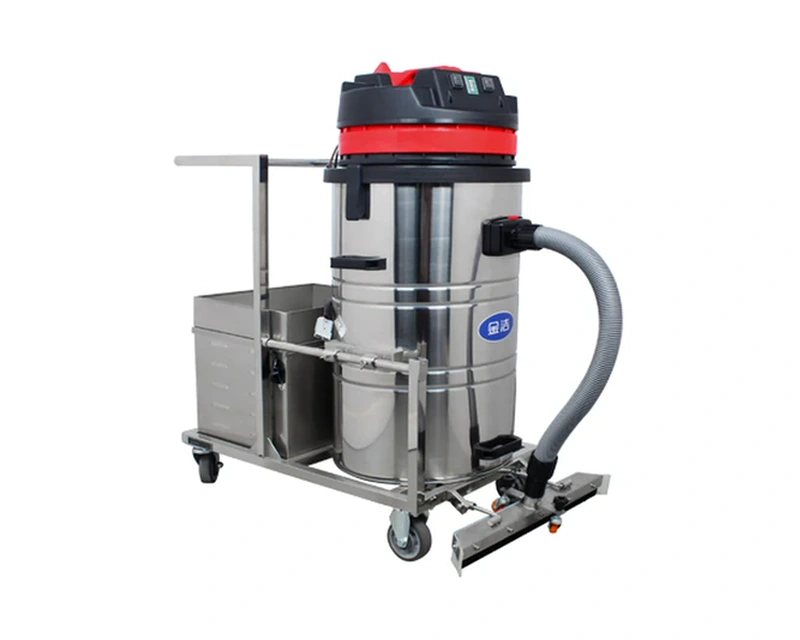
A warehouse cleaning decision should not begin with a promise that one industrial vacuum will cover the whole building. Identify where material is generated, how it reaches traffic routes and which recovery method is permitted. Local vacuuming, open-area sweeping, wet floor cleaning and manual sorting can be complementary tasks rather than competing descriptions of the same job.
Survey material at its source
Use separate entries for unpacking points, rack bases, loading areas and main routes. Record available process and material information, wetness, temperature, foreign objects, timing and the basis for expected quantity. Paper, strapping, fine powder and liquid-contaminated material are not one substance called warehouse waste. Unknown or hazardous material needs the appropriate assessment before equipment or a trial is selected.
Assess the whole collection path
Check tool access, hose arrangement, connections, documented compatibility and operator posture. A compact machine can still create a route obstruction through its cable, hose or parking location. Agree the working window and vehicle interaction with the site’s responsible person. Do not treat a trial as permission to lay equipment across an operating forklift route.
Allocate methods by the required result
Consider suitable local recovery for material beneath racks, suitable sweeping for open loose-debris routes and wet cleaning only where the surface, material and waste handling permit it. These are planning distinctions, not evidence of a particular logistics customer purchase. An industrial or battery-powered label is not proof that a machine fits every zone.
Include unloading and care
For an assessed task, record the starting material condition, tool arrangement, access controls, collection result, remaining material and unloading method. Follow the machine and material requirements for recovered contents and permitted routine care. If frequent emptying or maintenance disrupts the task, revisit the complete process rather than assuming that more motor power resolves it.
Keep the zone, material, permitted method, configuration evidence, traffic arrangement, result and clean-down owner together. Reassess compatibility when the process or collected material changes. A previously successful trial does not permanently approve later mixtures, temperatures or accessories.
Applying the method to a site problem
Local debris under racking and widespread litter in loading lanes may need separate recovery processes. Assess each warehouse against the actual material and access.
Operating applications and limits
Select an industrial vacuum from the material, duty and model documentation. A commercial vacuum purchase or another equipment delivery can illustrate procurement and handover. Special industrial duties need their own technical assessment.
View equipment options for this application ↗
Wanshenglong industrial vacuum selection and application support
Wanshenglong has supplied cleaning equipment and application support since 2004. Shenzhen headquarters reviews photos, routes and schedules against Jinjie model data. Guangzhou supports demonstrations and regional enquiries, and Zhaoqing prepares the confirmed equipment.
What to record on site
Plan rack edges, loading bays, packing stations and open aisles separately. For each, note the material, working hours and responsibilities for vacuuming, sweeping, manual clearance and scrubbing. Hand over accessory and filter records between shifts and update them when routes or temporary stores change.
How site conditions affect equipment performance
Localised vacuum pickup and cleaning open warehouse aisles involve different tasks. Check machine movement, tool access and final waste transfer along the actual route.
Industrial vacuums · Industrial vacuum specifications · Shenzhen headquarters and technical support · Guangzhou demonstrations and customer support · Zhaoqing manufacturing and delivery
Discuss equipment for your site ↗
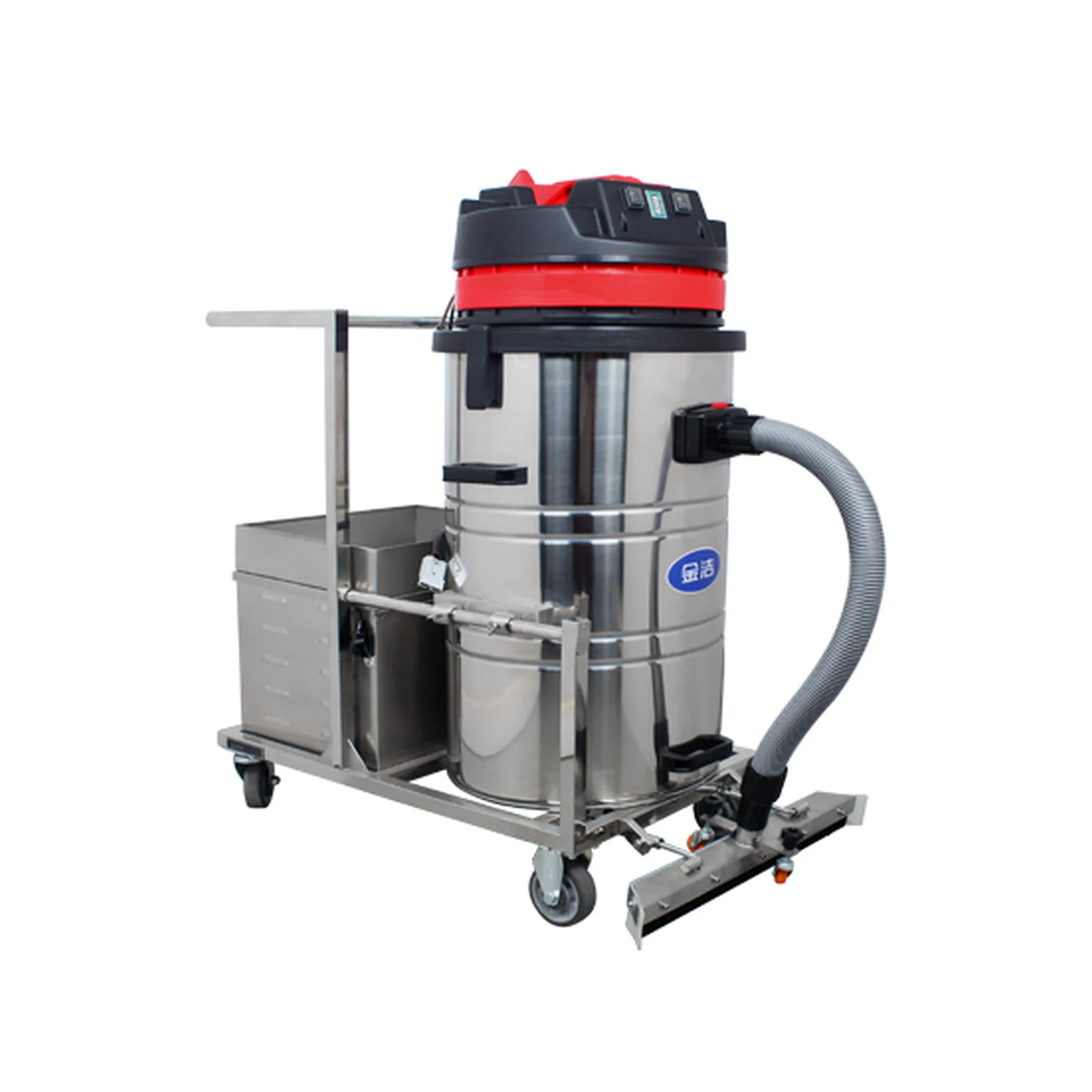
Shenzhen Wanshenglong Cleaning Products Co., Ltd. | Jinjie JGY-80P industrial vacuum. Confirm material and site suitability for this model. Updated 2026-11-6.
Checks after reading
- Site area, routes and narrowest access
- Floor, dust, oil, debris or pipe-blockage type
- Daily frequency and continuous working time
- Power, water, wastewater, consumables and service conditions
Explore products and selection information
Planning vacuum cleaning for warehouse aisles and racking — frequently asked questions
What information should we collect on site?
Provide overall and close-up photos, the narrowest passage, tightest turn, service points and parking. Describe normal pedestrian and vehicle activity and identify where each measurement was taken.
How should we compare two trials?
Compare the same floor, soil, objective and route. Record cleaning, refilling, yielding and close-down. Note differences in the conditions before extrapolating a trial.