
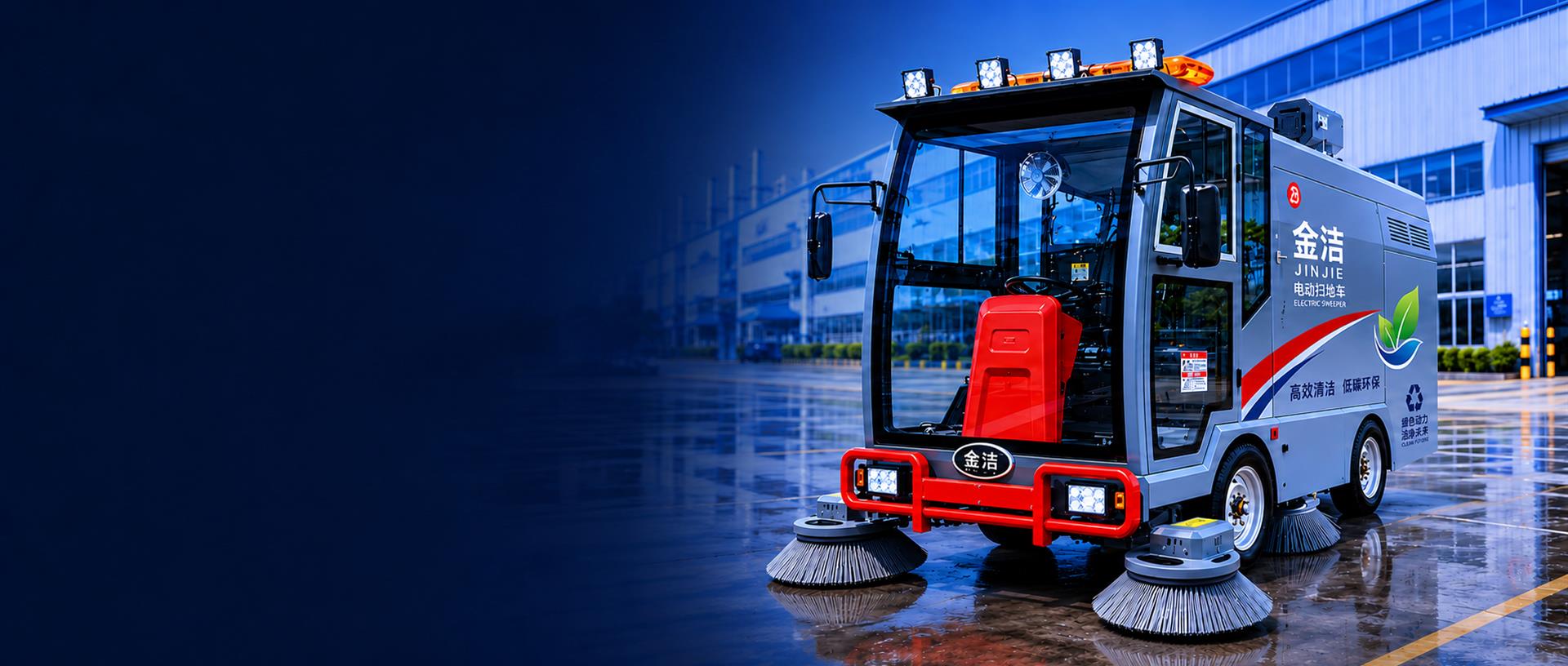
Record each cleaning section separately from the road used to travel between sections. Note access and turning constraints, pedestrian crossings and the permitted unloading points before comparing productive working time.
Measure the route when estimating shift output
Map the narrowest sections, turns, kerbs, gradients, overhead limits and traffic crossings. Include yielding, transfers, unloading and maintenance in the shift. Maximum travel speed does not indicate sweeping speed.
Volume and weight affect disposal differently
Leaves, paper and grit load the hopper differently. Check collection equipment, payload and distance to the emptying point when planning the job.
Check each version in the series separately
Similar names and sweeping widths do not establish the same chassis, drive, controls or parts. Check the version-specific specification and a representative trial.
Check the model against your site
View separatelyJ-WX2400A、J-WX2400BandJ-WX2400Rfor the model’s current configuration and operating limits. Confirm access on your own route.
Checks after reading
- Site area, routes and narrowest access
- Floor, dust, oil, debris or pipe-blockage type
- Daily frequency and continuous working time
- Power, water, wastewater, consumables and service conditions
Explore products and selection information
Planning road sweeping around the route, the unloading point and the shift — frequently asked questions
What does this article address?
Record each cleaning section separately from the road used to travel between sections. Note access and turning constraints, pedestrian crossings and the permitted unloading points before comparing productive working time.
What site information is needed before equipment selection?
Provide area, aisle width, floor/pipe conditions, contamination, frequency, power/water, city and budget range.
Should a road-sweeping trial include unloading and the full shift?
This article offers selection guidance. For complex sites, heavy contamination or continuous work, verify models and configurations through equipment information, video or a trial.