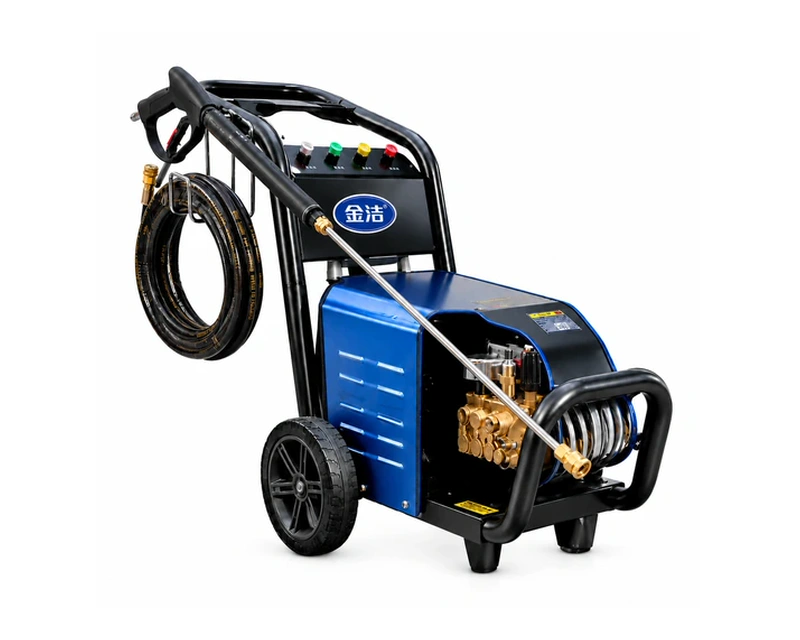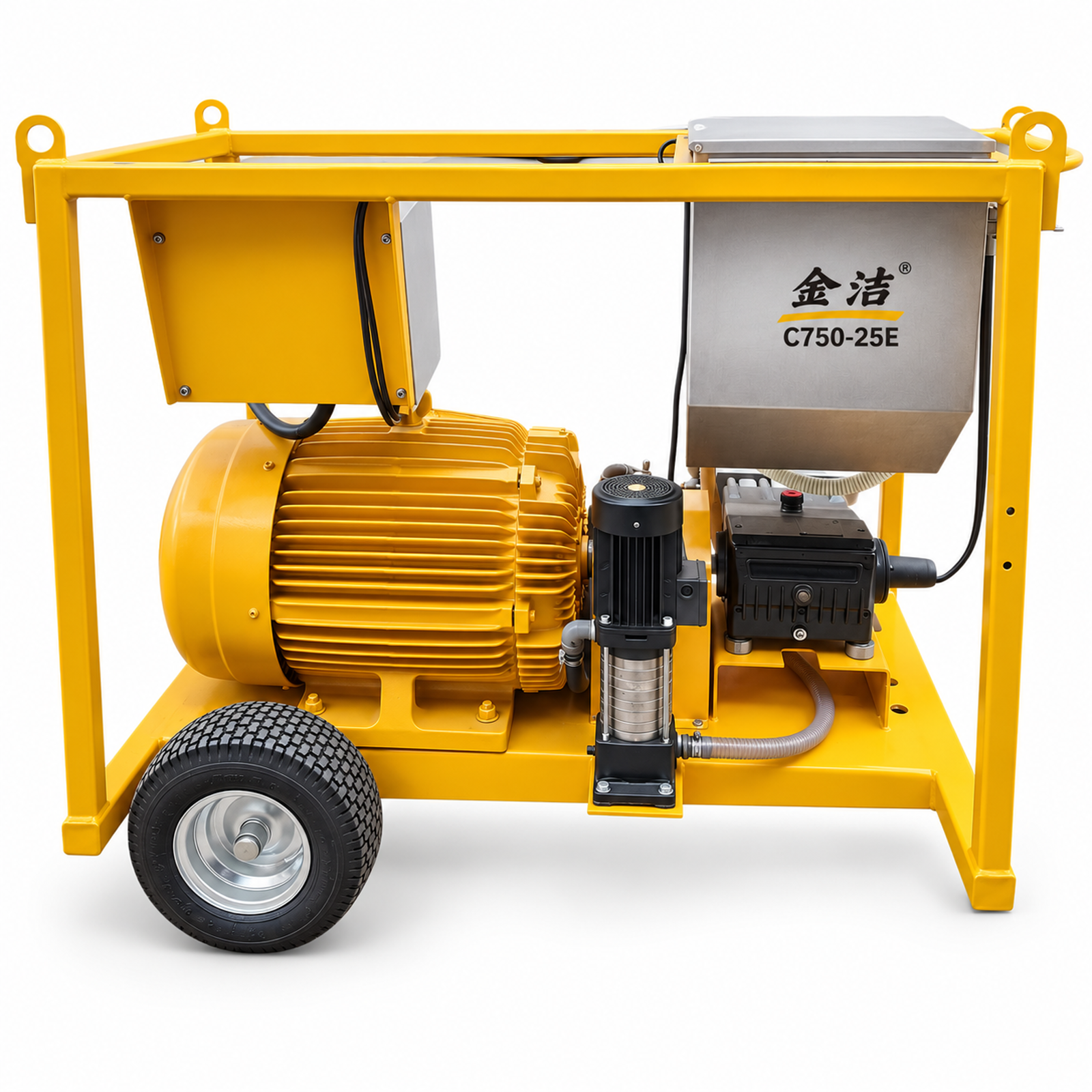
C750-25E
Custom industrial washing
Vessel metal-surface treatment point;Industrial equipment refurbishment workstation;Concrete surface-roughening work point
Explore customization by conditions and submit requirements.
2 models found
Custom industrial washing
Vessel metal-surface treatment point;Industrial equipment refurbishment workstation;Concrete surface-roughening work point
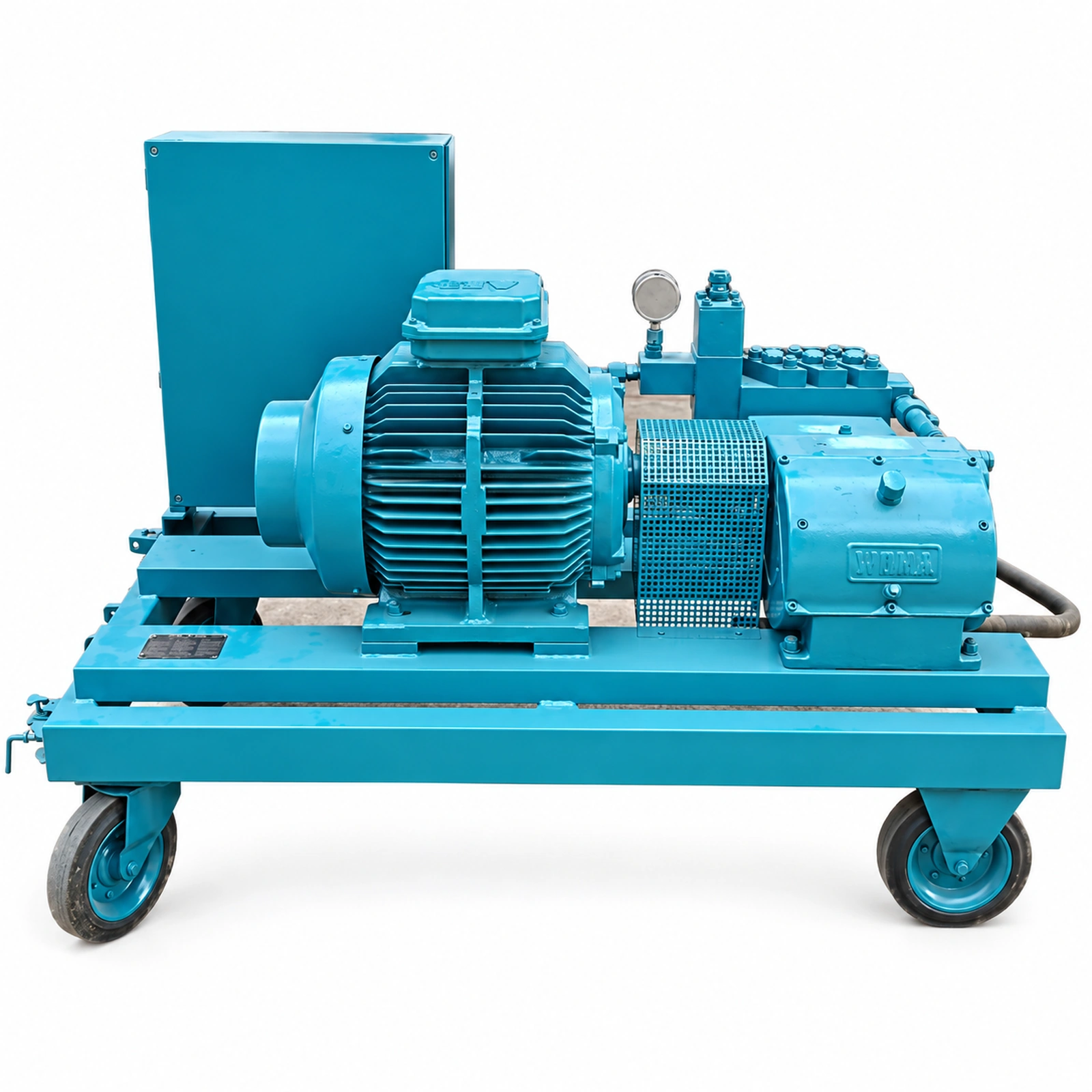
Custom industrial washing
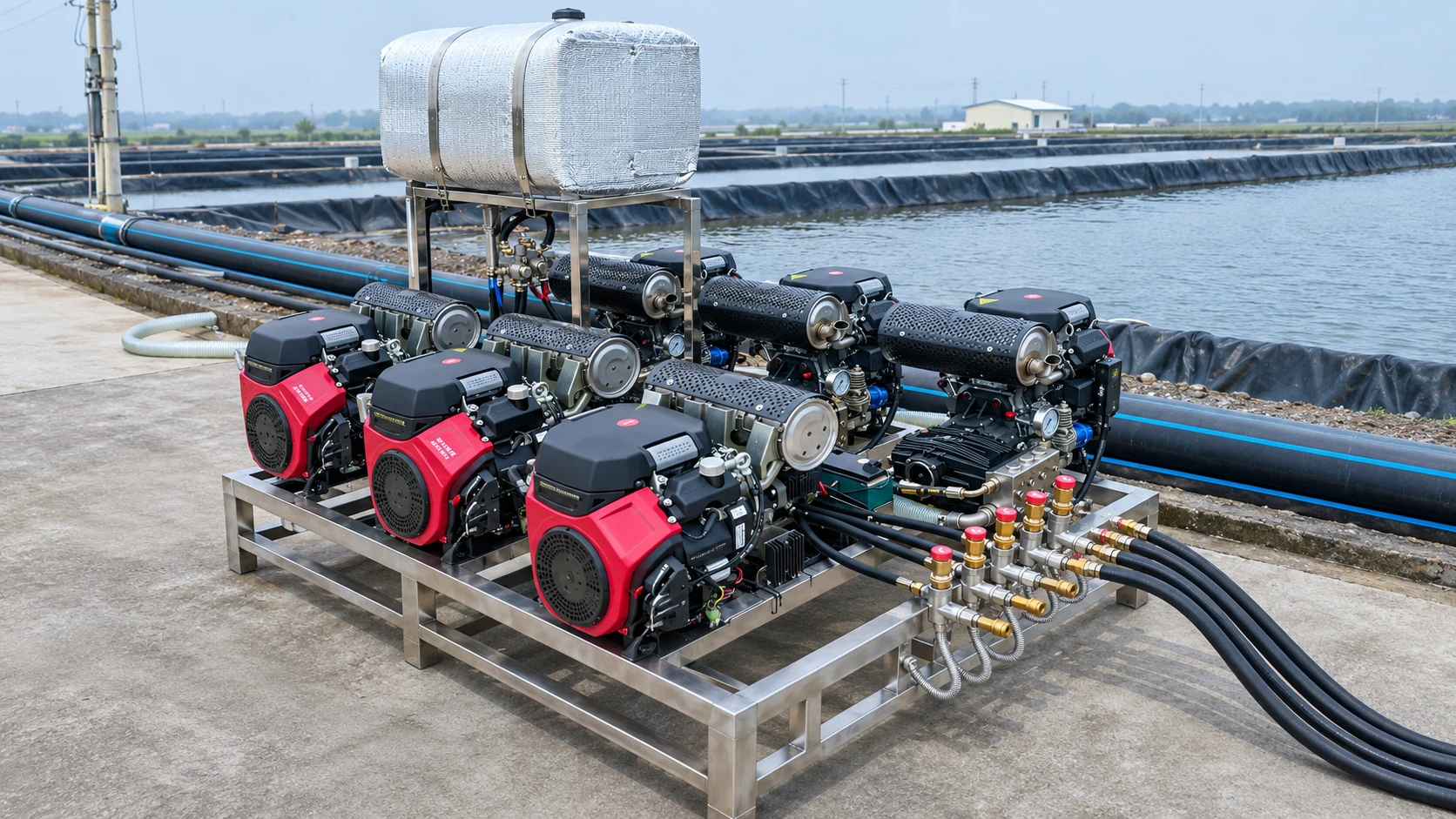
Custom project case
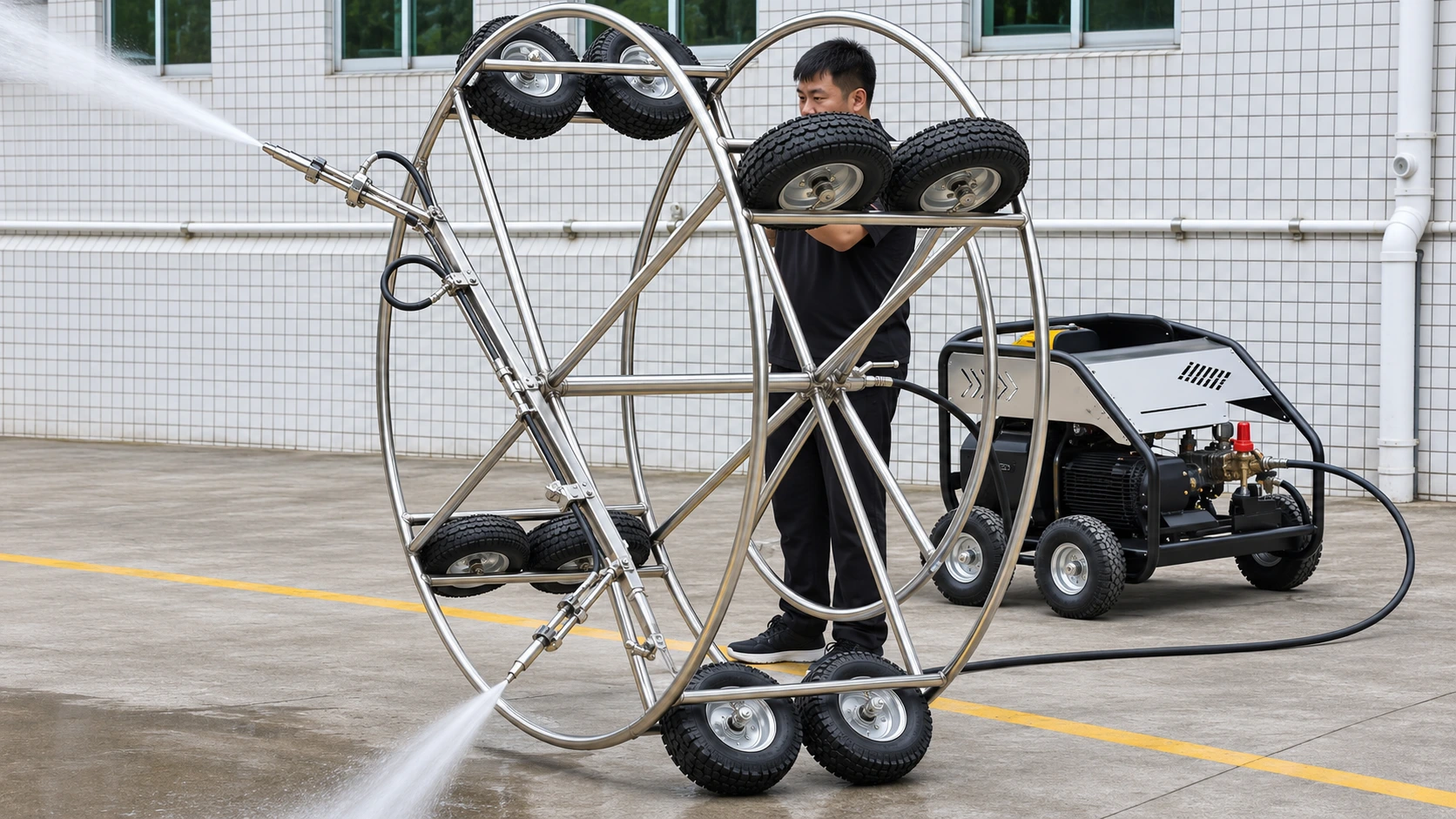
Multi-unit pump assembly, hose reels and spray tools for pond work.
No matching products. Reset conditions or contact us.
Select up to three models to compare tasks and configurations.
No equipment selected.
This page helps assess standard equipment versus custom engineering for industrial and pressure-cleaning requirements.
Standard scrubbers, sweepers, pressure washers and jetters serve defined routine tasks. Special workpieces, fixed cycles, immovable objects, nozzle restrictions, unusual utilities, recovery requirements or production integration may need engineering. Assess objects, pollutants, material tolerance, pressure/flow, operator actions, protection and maintenance access before specifying pumps, hoses, frames, controls or attachments.
Custom projects can assess pressure, flow, power source, voltage, battery, pump sets, frame material, dimensions, nozzles, hoses, reels, filtration, recovery and safety interlocks. Engineering assessment is required; not every parameter can be changed on every machine. Confirm delivery scope through the configuration list, trials and order. Requirements such as a 304 stainless-steel frame, specified plunger pump, special power supply, mobile chassis or multi-line distribution must also be checked for strength, cooling, maintenance, lead time, cost and safety limits.
A custom washer cannot be quoted from a one-line request. Provide industry, application, cleaning object, contamination, target pressure and flow, power, dimensional limits, hours, explosion-protection needs, mobility, quantity and delivery date. Mark unknowns as requiring technical assistance. Include samples, drawings, site photos, piping, production cycles, drainage and acceptance criteria where available. This helps establish whether a standard machine can be modified, redesign is needed or trials should be arranged.
Combustible dust, volatile media, hazardous zones or site safety rules require assessment of zoning, target certification, cabinets, motors, switches, cables, pumps and attachments. Only project-based explosion-protection assessment may be offered without certification. Ordinary J-2521D or other models must not be described as certified explosion-proof or widely used in unverified hazardous applications.
Custom projects generally progress through requirements, assessment, design, quotation, prototype or workstation testing, production, commissioning, acceptance, training and maintenance. Complex projects may first test samples or a small site area before finalising pressure, flow, nozzles, hoses, frame, controls and protection. Confirm wear parts, nozzles, hoses, seals, controls and pump-maintenance parts at delivery. Lead time depends on complexity, component supply and testing; it is not a fixed promise.
Configuration-level customisation selects voltage, battery capacity, pump brand, lance, nozzle, pressure-hose length or reel on a standard machine; confirm compatibility and lead time. Engineering customisation changes pressure/flow matching, power systems, frame, dimensions, controls or installation and requires design, assembly and testing. Project customisation may involve explosion-protection assessment, system integration, automation, special certification or OEM/ODM development, requiring fuller information and staged reviews.
Prefer standard equipment where it fits the task. Assess customization only where objects, dimensions, cycles, pipework, mobility, power, safety or interfaces exceed standard limits. Technical review should establish whether attachments, modification or a new system are actually required.
For custom equipment, confirm engineering feasibility first: not every parameter is freely adjustable, assessment is not proof of volume delivery, and explosion ratings, certifications, hazardous-area suitability or third-party results cannot be promised without evidence. Specify the required components, interfaces and site conditions before selecting a custom configuration. Pressure, flow, power, structure, automation, OEM/ODM and explosion protection require site information, component assessment, manufacturing tests and safety review to support deliverable, maintainable and assessable equipment.
Voltage or battery capacity, pump brand, lance and nozzle, high-pressure hose length, reel, filtration and certain accessories; options available on standard machines
Closer to standard-machine options; check compatibility, lead time and boundaries.
Reassessing pressure/flow, power, frames, stainless structures, dimensions, controls and mounting
Engineering design, structural checks and testing are required; price and lead time depend on the proposal.
Explosion-protection projects, system integration, automation, special certification, OEM/ODM and batch project equipment
Documentation, review, prototypes or site integration are required. Certification ratings and final results are not promised in advance.
Assess pressure/flow, mains or special supply, battery capacity, specified pumps, 304 stainless frames, hoses/reels and OEM/ODM arrangements.
Custom pressure-cleaning systems, multi-outlet simultaneous-operation units, and fixed or mobile cleaning projects
Guangxi aquaculture coordinated custom-cleaning unit reference
Enter “Technical assistance required” for uncertain fields; define the problem before choosing a modified standard machine or custom system.
Custom assessment starts with object, pollutants, material, pressure/flow, utilities, dimensions, cycle, safety and maintenance before deciding modification or redesign.
Assess numbers in context: pressure/impact and material tolerance, flow/coverage and nozzle supply, plus pumps, motors, water, safety and trials.
Mains/battery changes affect motors, pumps, controls, runtime, charging, safety and cost; assess the project rather than assuming every model can be altered.
Specified pumps, 304 frames, dimensions and attachments can be assessed with compatibility, supply timing, maintenance and budget.
Explosion-protection requirements can enter engineering assessment, but no Ex rating, certification or hazardous-zone suitability is promised without evidence and site requirements.
Confirm type, functional boundaries, quantity, branding, appearance, components, timing, service responsibility and intellectual-property scope before quotation, prototypes or production.
Complex duties warrant sample, workstation or site trials covering results, pressure/flow stability, sustained operation, protection, maintenance access and acceptance criteria.
Discuss branding, appearance, packaging, manuals, volume delivery and service responsibility; OEM/ODM depends on quantity, development scope, intellectual property and timing.
Custom cleaning equipment combines pressure, flow, power, structure and control design for special conditions.
Industrial customers with specific objects, cycles or safety requirements
Address dimensions, cycle times, interfaces and automation needs beyond standard models
Equipment performs different tasks; define the site scope before comparing models.
For concentrated washing of large aquaculture ponds, configure linked pump units, six-way outlets and dedicated washing tools according to water supply, operator numbers and coverage.
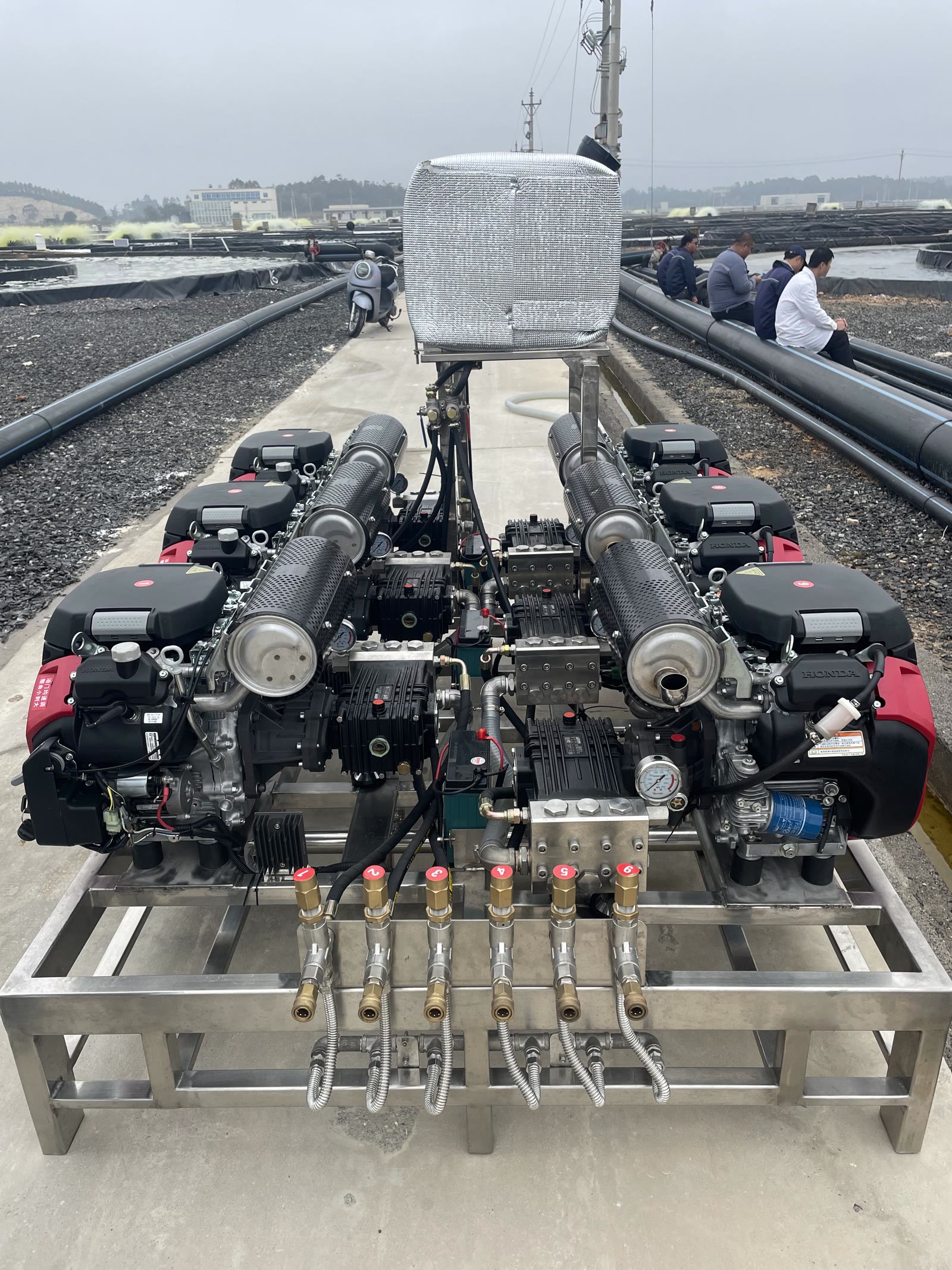
Configure power, pumps and water around operator count and continuous washing needs; confirm supply to multiple workstations through engineering and tests.

Numbered branches, separate connectors and metal hoses support connections, zoning and maintenance, potentially reducing switching effort.

Assess the specialist spray tool for broad, balanced coverage in zoned pond-liner and large-area washing; confirm material compatibility and configuration.
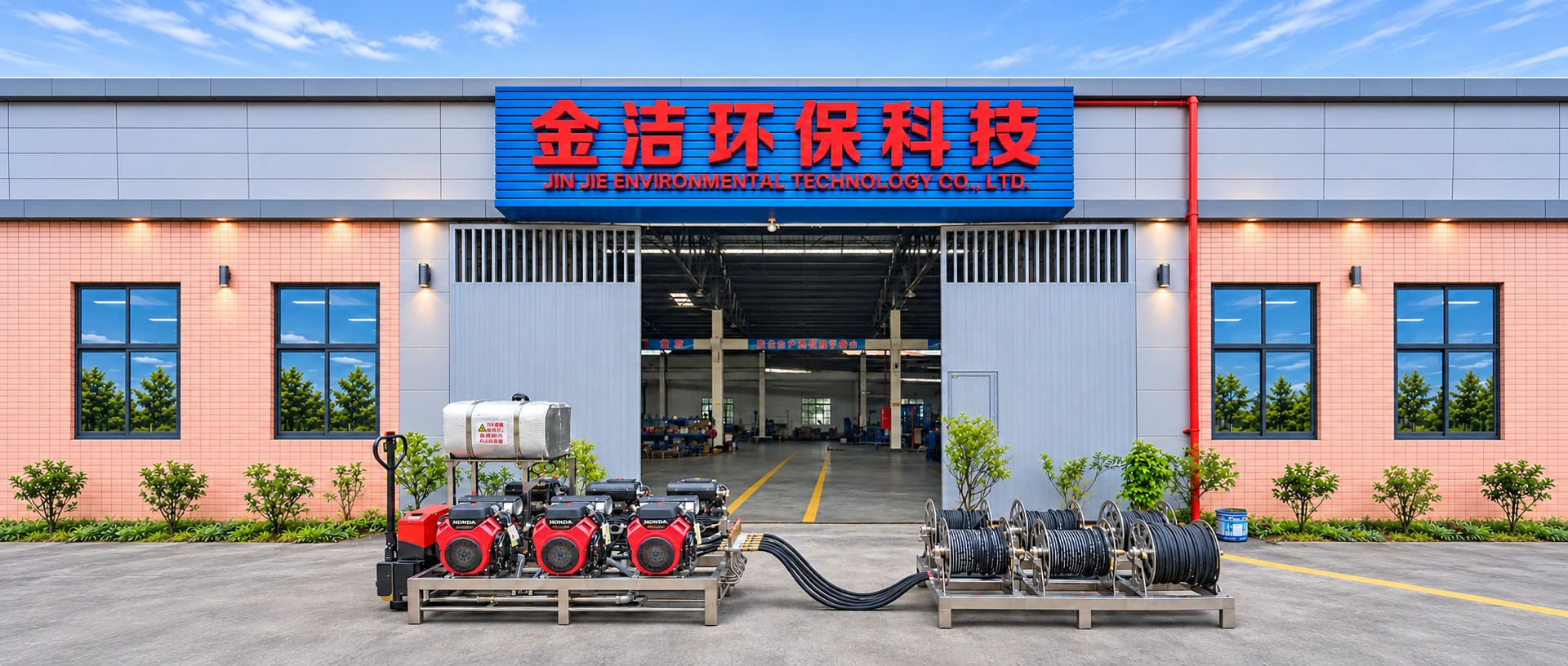
Images depict Jinjie factory manufacturing, pump assembly and hose/attachment assembly as identified in the source, without substituting unrelated cleaning scenes.

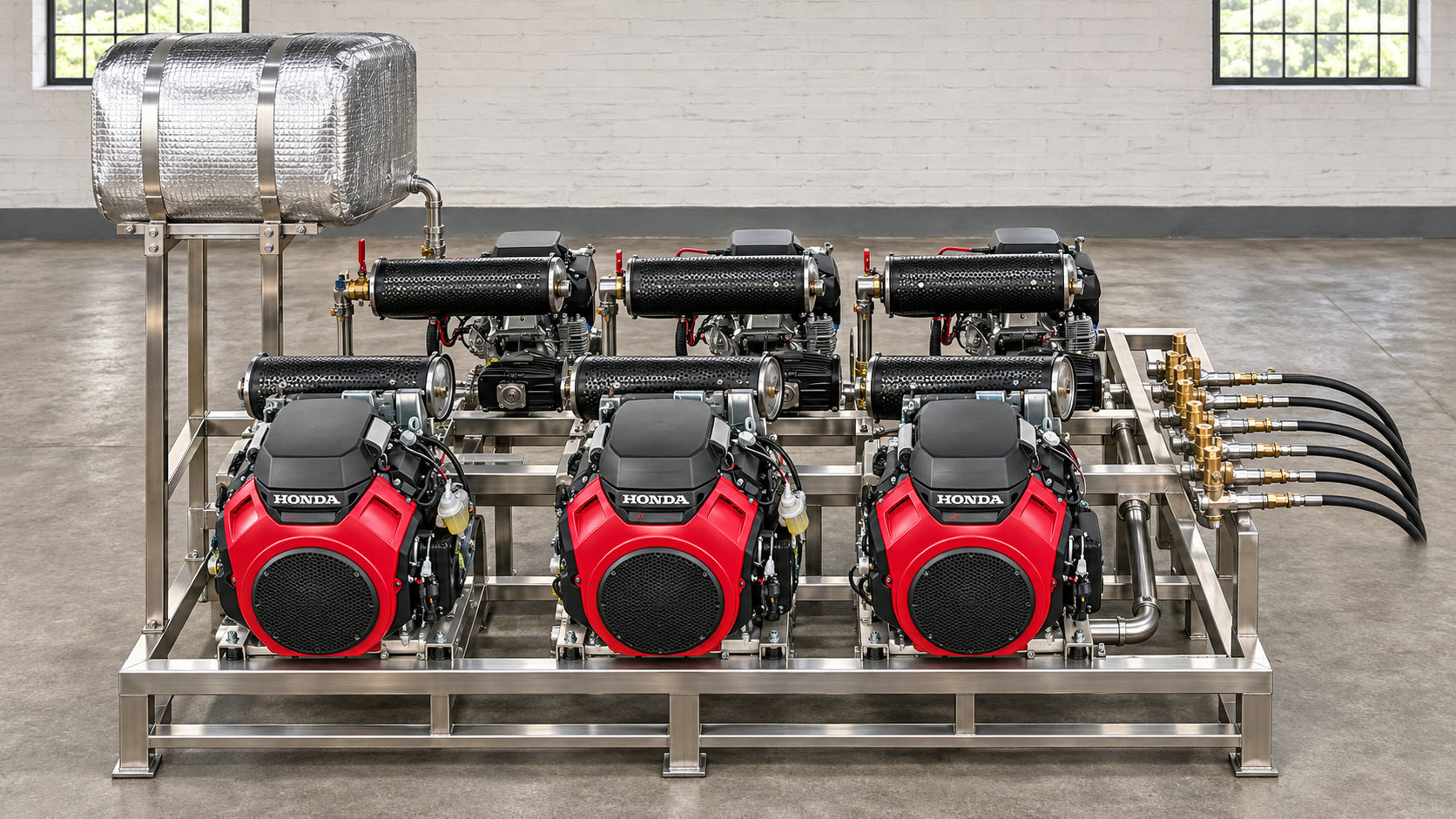
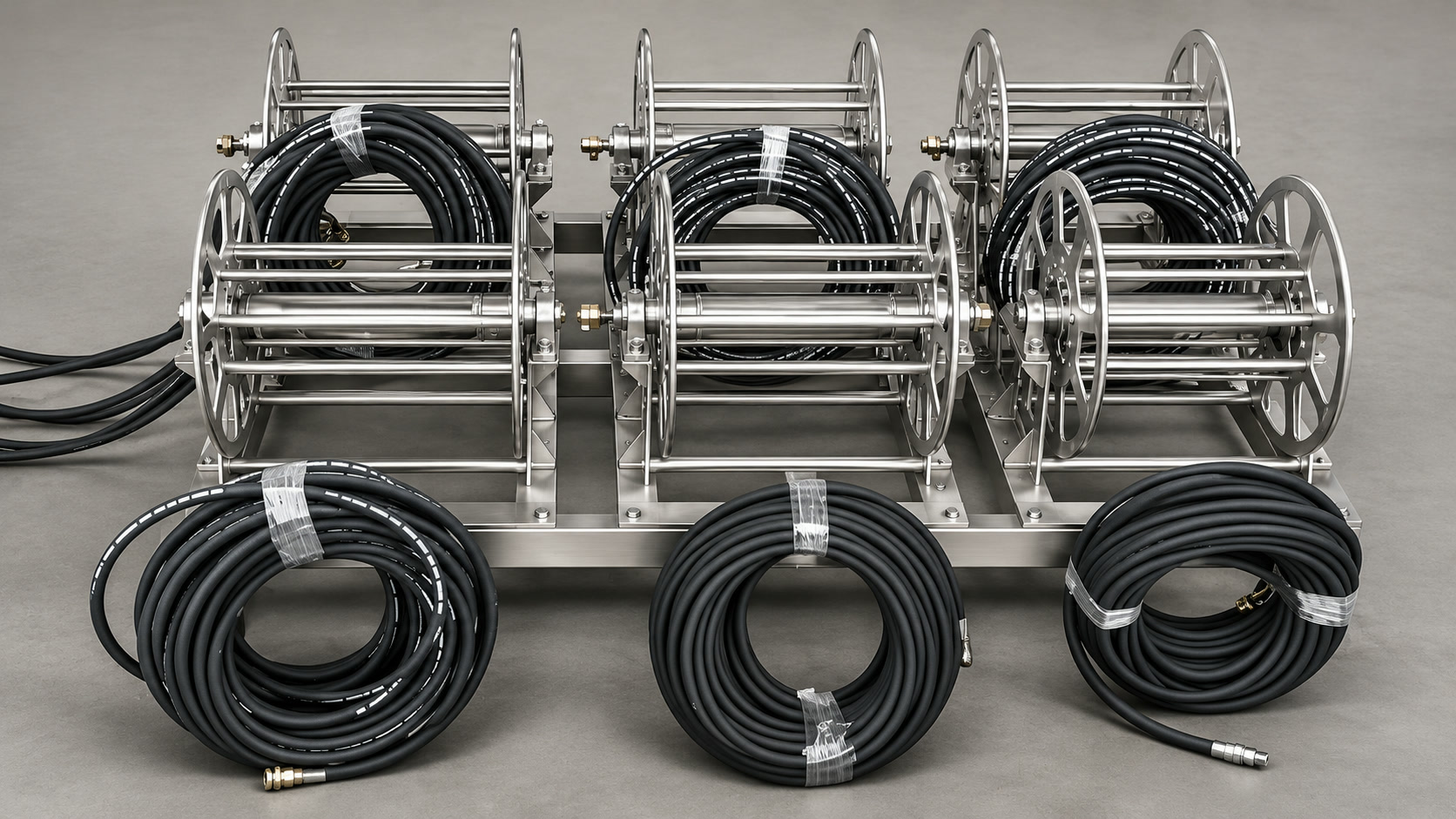
In-house assembly and machine testing, supported by mechanical, electrical, controls and software design, provide manufacturing-to-maintenance support.
Experience supporting property, factory, municipal and contractor duties informs site-specific configurations.
Production, assembly, commissioning and outgoing inspection turn proposals into deliverable equipment.
Coordinated mechanical, electrical, controls and software design for special duties and management needs.
Discuss trials, training, consumables, parts, inspection and service support.
Site area, access routes, contamination and shifts jointly determine the equipment configuration.
Select a custom design and production approach based on the area, route and contamination relevant to the functional design.
Select equipment modifications based on the area, route and contamination.
Select structural customisation based on the area, route and contamination.
Select supporting production arrangements based on the area, route and contamination.
Select the equipment category using site conditions, then confirm the model through specifications, trials or project consultation.
Suggested:Custom cleaning workstation
Provide workpiece drawings, cycle and cleanliness targets.
Suggested:Automated cleaning system
Confirm interfaces, control protocols and safety interlocks
Suggested:Specialist engineering plan
Complete material-compatibility and safety assessment first.
Compare positioning and key specifications, then consult complete model details and boundaries.
| Products | Model | Key specifications | Application conditions | Details |
|---|---|---|---|---|
| C750-25E | Ultra-high pressure / high flow / custom engineering | Custom ultra-high-pressure washing in the source's 800–1500 kg pressure class, for demanding paint/rust removal and special tasks; confirm the pressure-unit basis for the project. | View details |
 | J-7530 | 750bar / 30L/min / 45kW / 380V | For surface-washing projects involving industrial equipment and compatible water-tolerant metal components. Match pressure, flow, electricity, water and accessories as one project configuration. | View details |
Open the detail page for capabilities, specifications, videos and application guidance.
Custom ultra-high-pressure washing in the source's 800–1500 kg pressure class, for demanding paint/rust removal and special tasks; confirm the pressure-unit basis for the project.
Ultra-high pressure / high flow / custom engineeringFor surface-washing projects involving industrial equipment and compatible water-tolerant metal components. Match pressure, flow, electricity, water and accessories as one project configuration.
750bar / 30L/min / 45kW / 380VConfirm area, access, pollutants, frequency, utilities and maintenance before matching configuration.
Smaller equipment suits narrow/dispersed areas; larger equipment suits continuous coverage. Bigger is not automatically better.
Confirm wear parts, consumables and maintenance tools with the machine to help manage future downtime.
Trial equipment before confirming configurations for complex floors, heavy contamination or demanding acceptance criteria.
Price depends on specifications, power, components, attachments and services. Define the site first, then request a task-appropriate quotation.
Estimate using effective width, actual speed, refill/emptying events and available hours, not theoretical productivity alone.
Provide photos/video, area, access dimensions, pollutants, shifts and utilities to assess access and configuration.
Initial selection can use project information; complex contamination, unusual floors or defined acceptance criteria warrant equipment viewing or trials.
Training may cover startup checks, safe operation, daily cleaning, consumables and basic fault recognition; confirm scope in the quotation and agreement.
Jinjie provides equipment maintenance, wear parts, consumables and after-sales support. Confirm intervals, common spares and service arrangements when purchasing.
Explore site conditions, equipment configurations and documented application information.

Ride-on scrubbers with industrial vacuums for dust, oil and metal-chip tasks.
View case/reference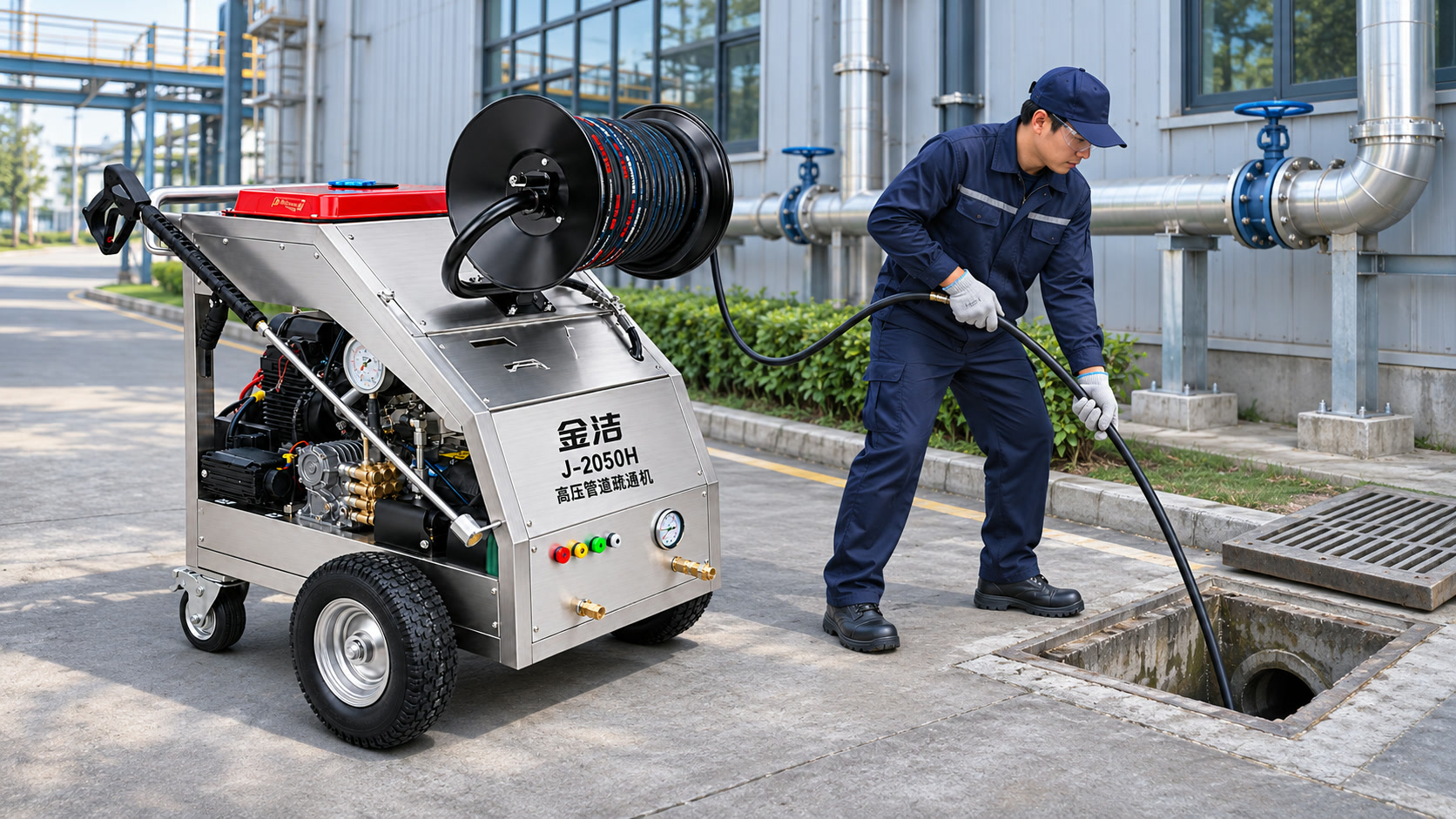
Select drain jetters/nozzles by diameter, blockage, pipe length and water source.
View case/reference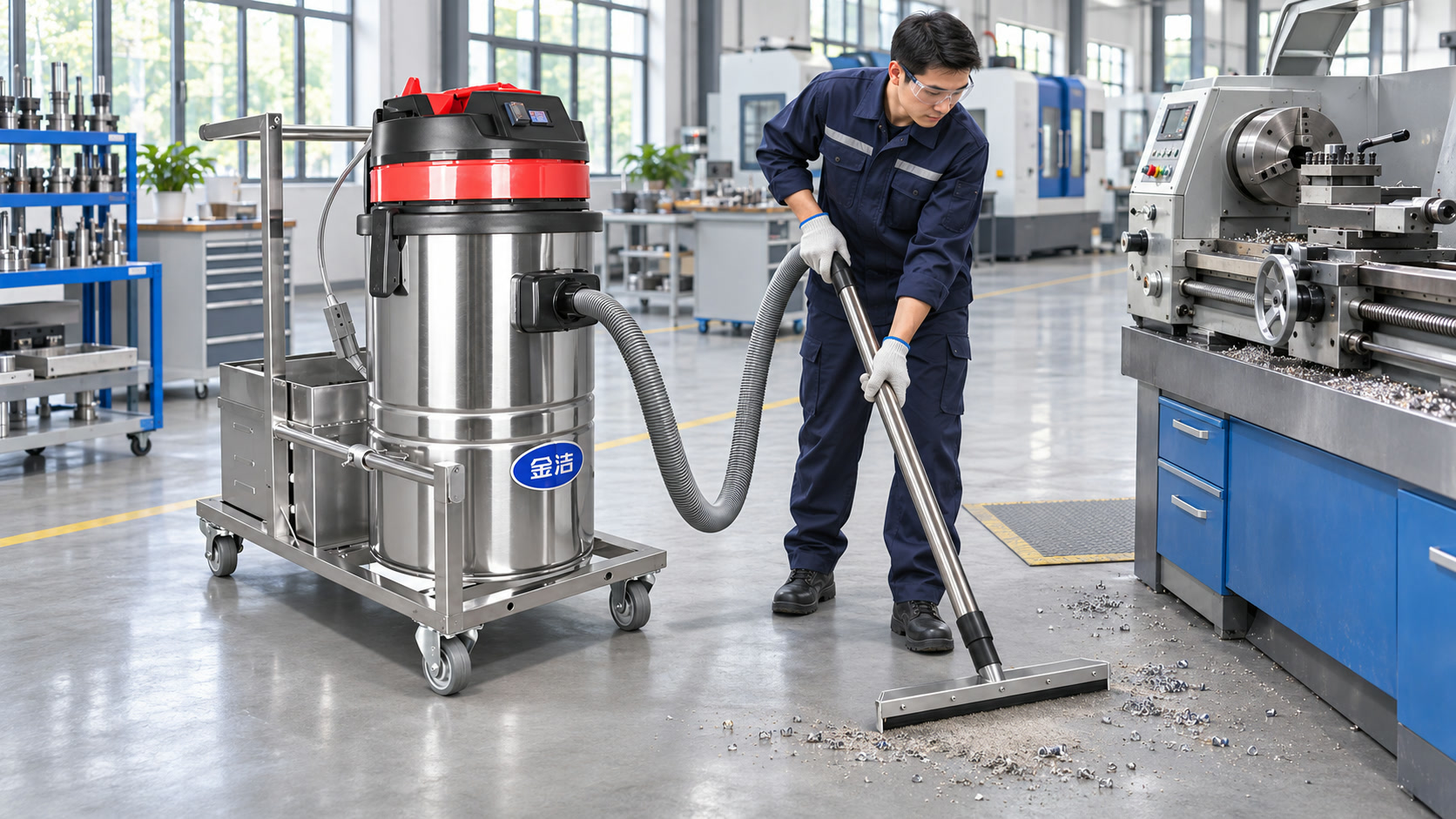
Configure industrial vacuums/filters for dust, chips, grit and textile lint.
View case/referenceConsider equipment capabilities, actual conditions and project-delivery experience together; avoid choosing by a single specification.
Provide area, soils, aisle widths, frequency and utilities for configuration advice.
A custom project starts with the workstation, pressure, flow, water, power, protection and maintenance rather than machine appearance, to develop a practical cleaning system.
Define objects, cycles, space, deposits, drainage and operator actions to identify limits that standard equipment cannot address.
Coordinate pressure, flow, nozzles, hoses and power with protection, emergency stops, operation and maintenance.
Trials, acceptance criteria, training, spares and maintenance are part of a custom project. Early confirmation reduces later changes.