

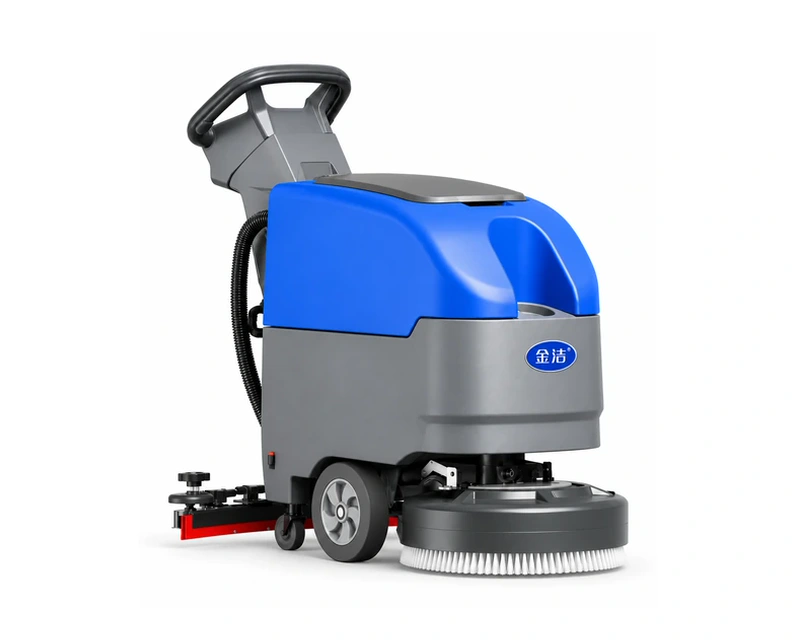
J-D3C
Walk-behind scrubbers
- Cleaning width460mm
- Clean-water tank45L
- Recovery tank50L
Site references: supermarket aisles; office corridors; property lift lobbies

Find products by model, operating method or site.
Not sure what to choose? Contact us for advice based on your site.
20 models found
Walk-behind scrubbers
Site references: supermarket aisles; office corridors; property lift lobbies

Walk-behind scrubbers
Site references: stores; parking/public areas; warehouse aisles
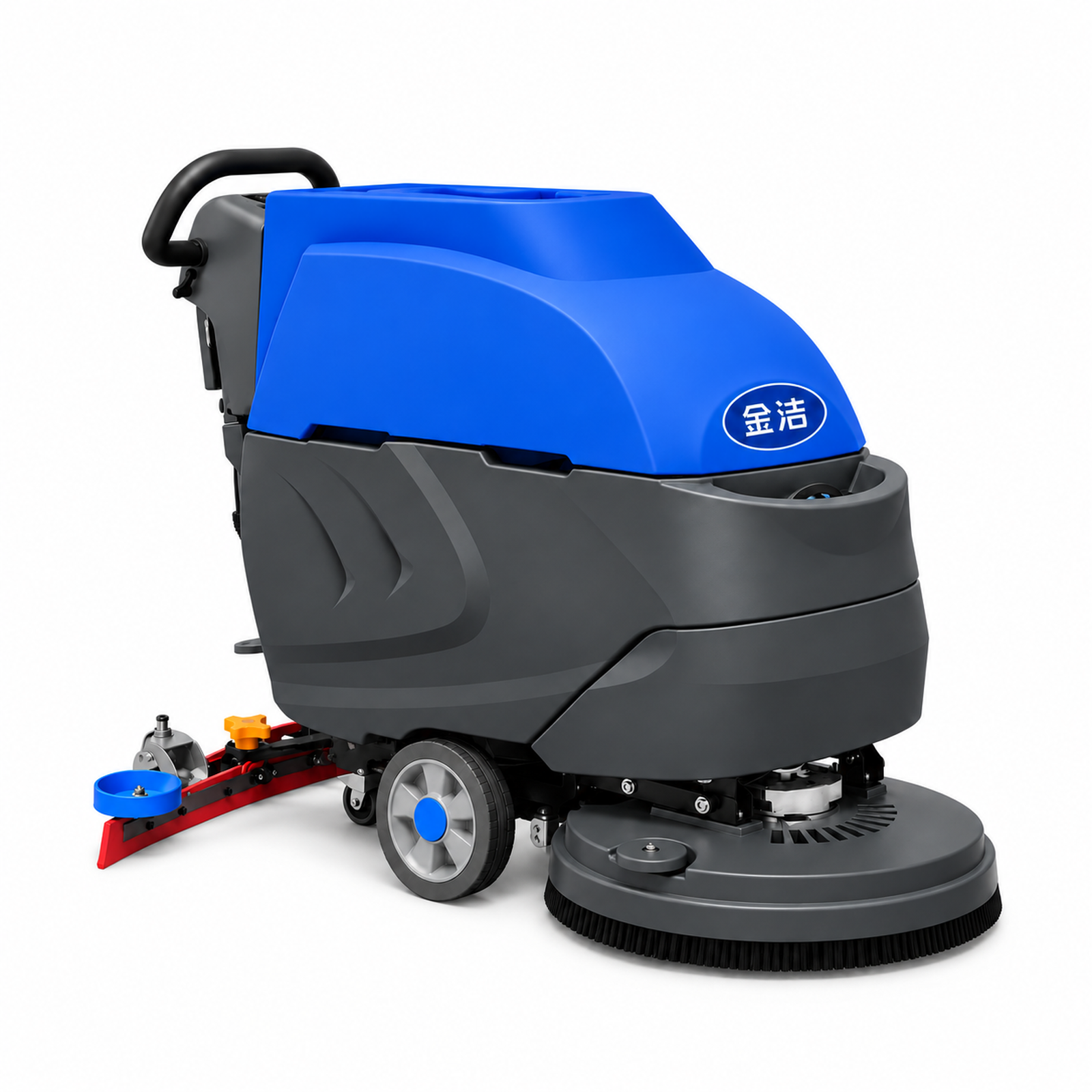
Walk-behind scrubbers
Site references: retail/public areas; dining/lobbies; factories/workshops
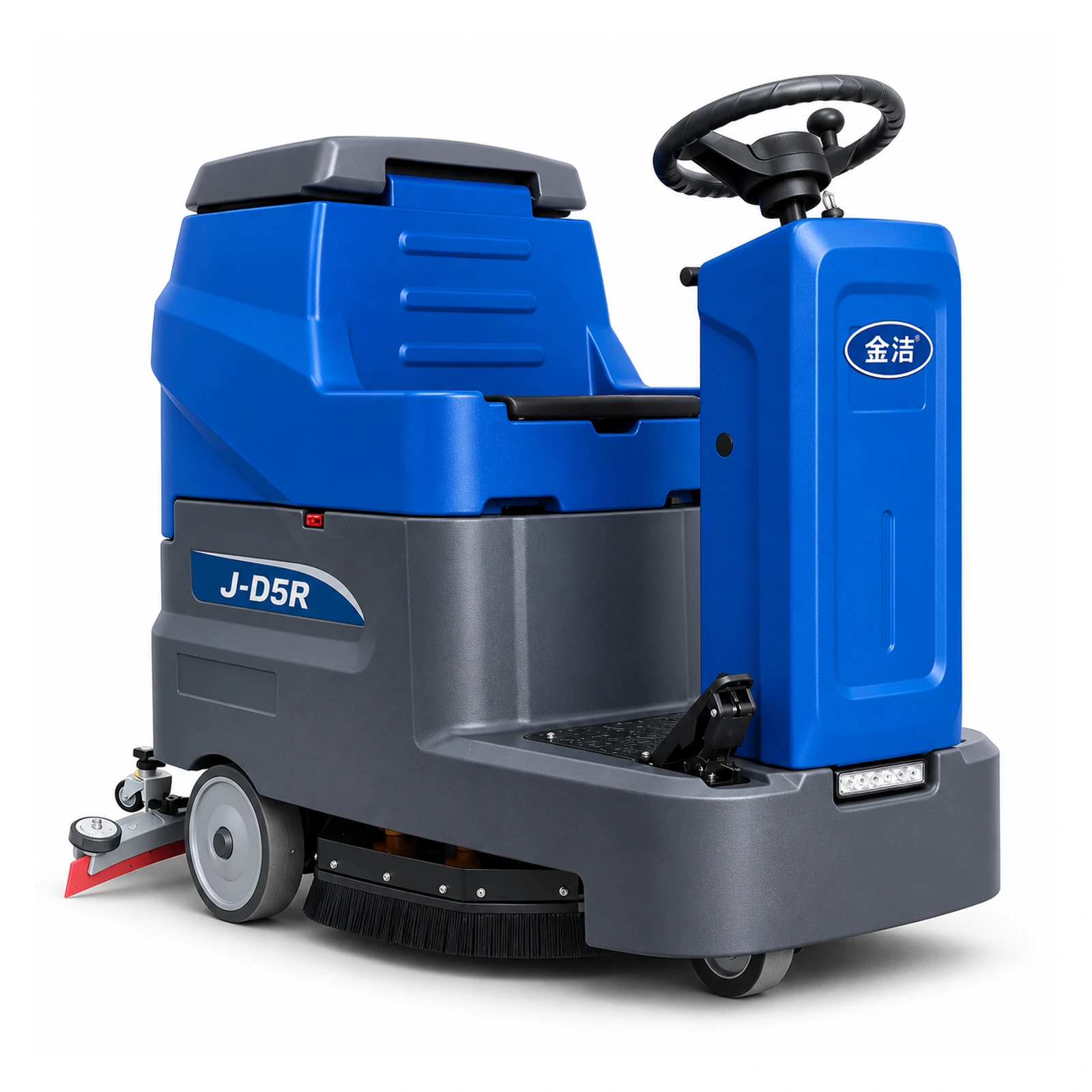
Ride-On Scrubber-Dryer
Check the model details against your site conditions.

Ride-On Scrubber-Dryer
Site references: garages and property public areas; lobbies, aisles and commercial complexes; factories, warehouses and support areas

Ride-On Scrubber-Dryer
Site references: garages/properties; retail/public areas; factories/warehouses
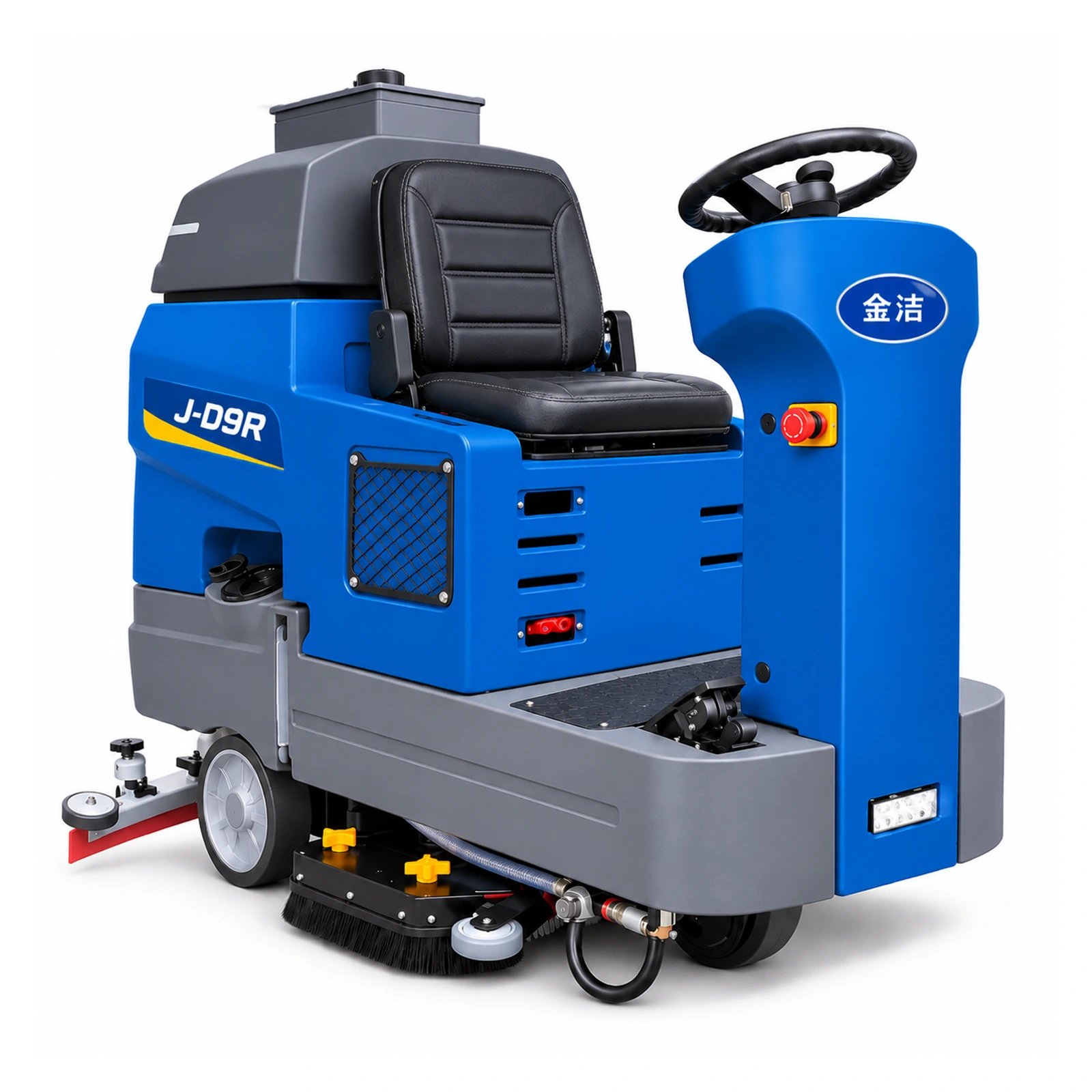
Ride-On Scrubber-Dryer
Check the model details against your site conditions.

Ride-On Scrubber-Dryer
Site references: retail aisles; workshops; garages/properties

Ride-On Scrubber-Dryer
Site references: large garages; factory hard floors; warehouse floors and aisles

Ride-On Scrubber-Dryer
Site references: factories/workshops; supermarket rack aisles; retail public aisles

Ride-On Scrubber-Dryer
Site references: garages/properties; retail/hospitals; factories/warehouses

Ride-On Scrubber-Dryer
Site references: garage main lanes; logistics/warehouses; large public areas

Ride-On Scrubber-Dryer
Site references: garages; factories/warehouses; retail/public areas

Ride-On Scrubber-Dryer
Site references: garage main lanes; logistics/warehouses; large public areas

Ride-On Scrubber-Dryer
Site references: rail waiting areas; warehouse hard floors and aisles; garage main lanes

Ride-On Scrubber-Dryer
Site references: terminal baggage-reclaim areas; exhibition public areas; large factory aisles

Autonomous scrubbers
Site references: hotel lobbies; offices; retail aisles

Autonomous scrubbers
Site references: retail; hospitals; hotels

Autonomous scrubbers
Site references: offices; hospitals; retail

Sweeper-scrubbers
Site references: factory hard-floor maintenance; loading/transport routes; large public hard floors
No equipment matches these conditions. Reset or contact an adviser.
Select two or three models to compare equipment type, cleaning width and tank capacity.
No equipment selected.
From small routine areas to garages, workshops and large commercial floors, compare cleaning/recovery widths, tanks, drive type and access conditions together.
Distinguish soil, access and workload issues before comparing walk-behind, self-propelled and ride-on equipment.
Distinguish cleaning, recovery and workload problems. Check aisles, floors, turns, water and drainage before selecting.
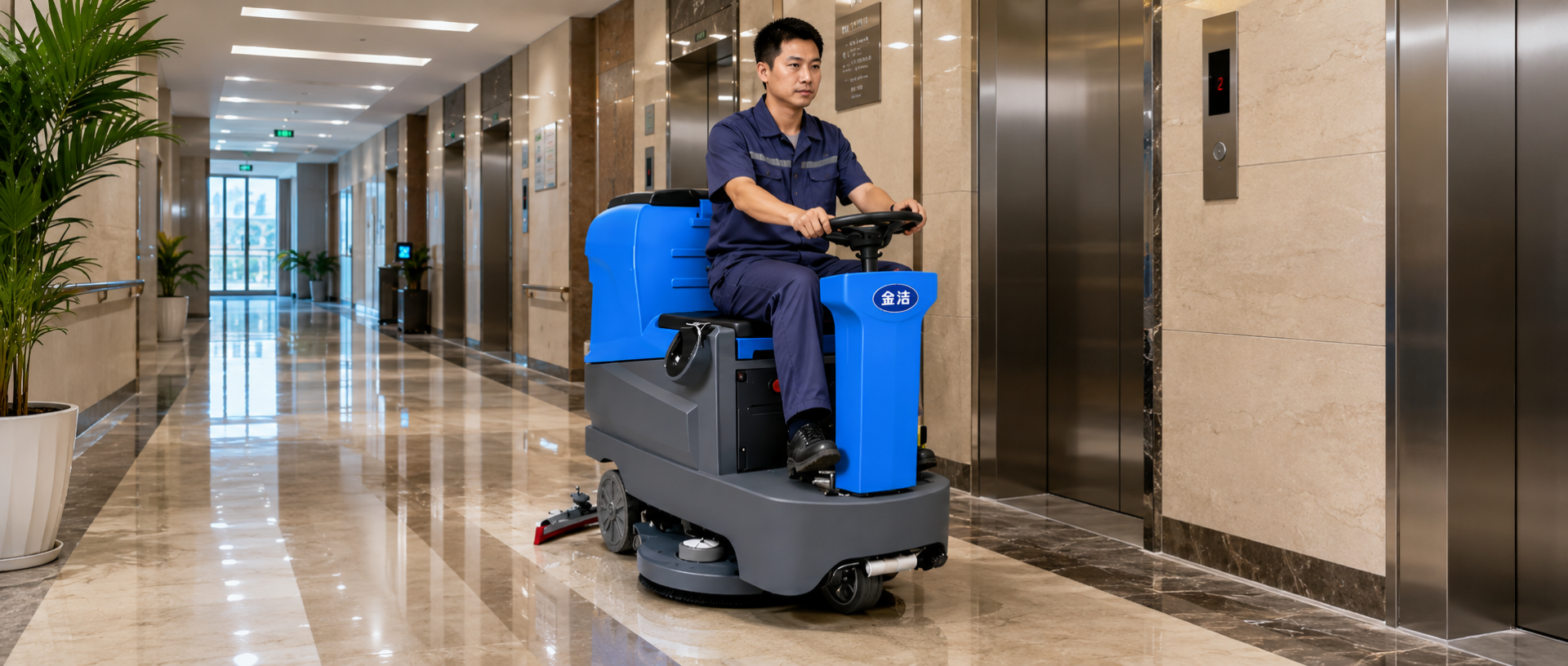
| J-D3C / J-D3L | In small or narrow areas, check walk-behind access and turning first. |
|---|---|
| J-D5R | 530 mm ride-on scrubber. Check access, turning room and water stops on the daily route. |
| J-D9R | 860 mm twin-brush deck and 140/150 L tanks for wider, continuous routes. Check access and support facilities. |
| J-W70 | For repeated-route cleaning, verify automation deployment and human takeover conditions first. |
Remove large debris first. Floors, oil and blade condition affect results; confirm configuration on site.
Submit conditions for model advice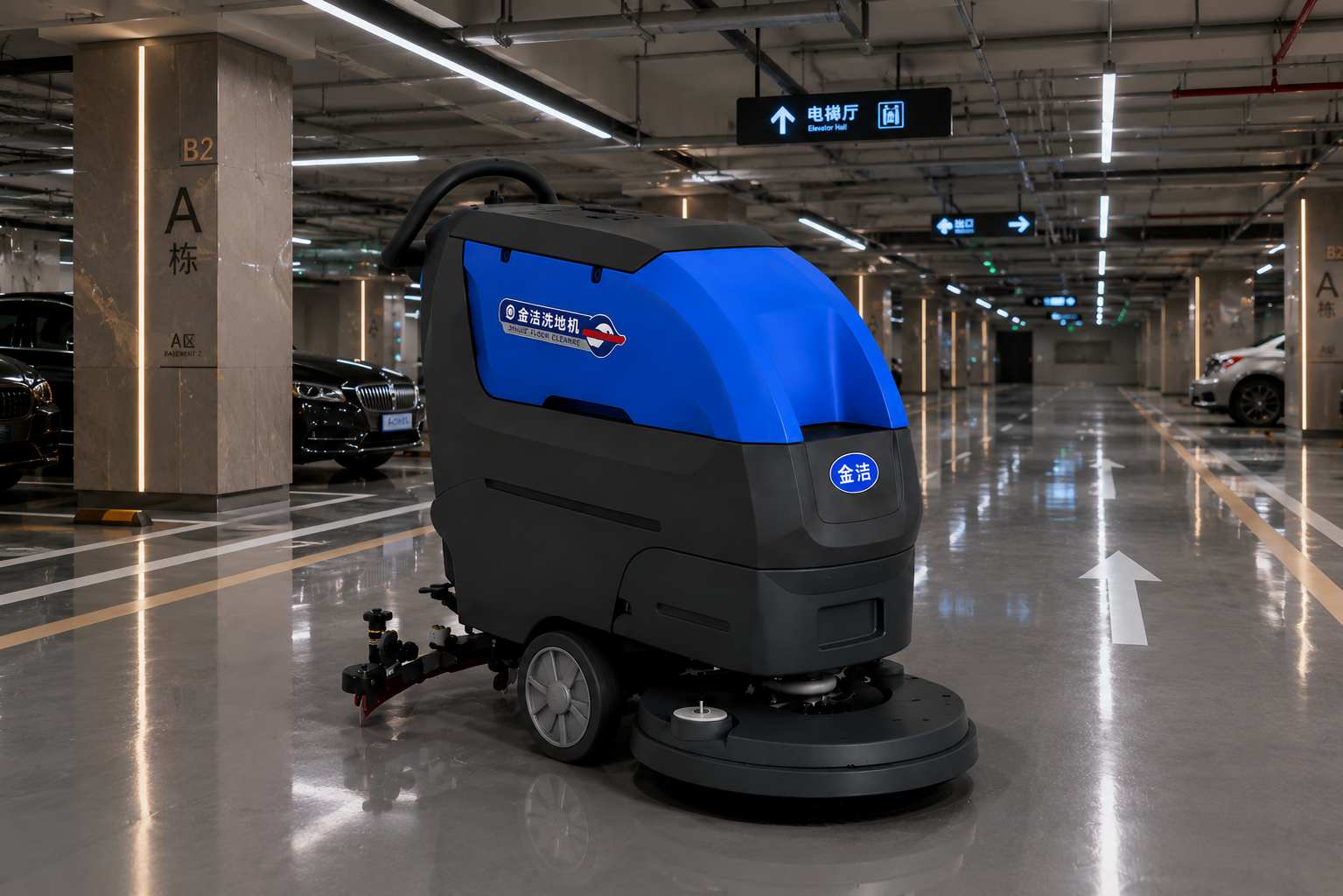
For long aisles and many parking bays, assess wastewater recovery, turning and continuous-work arrangements.
View plan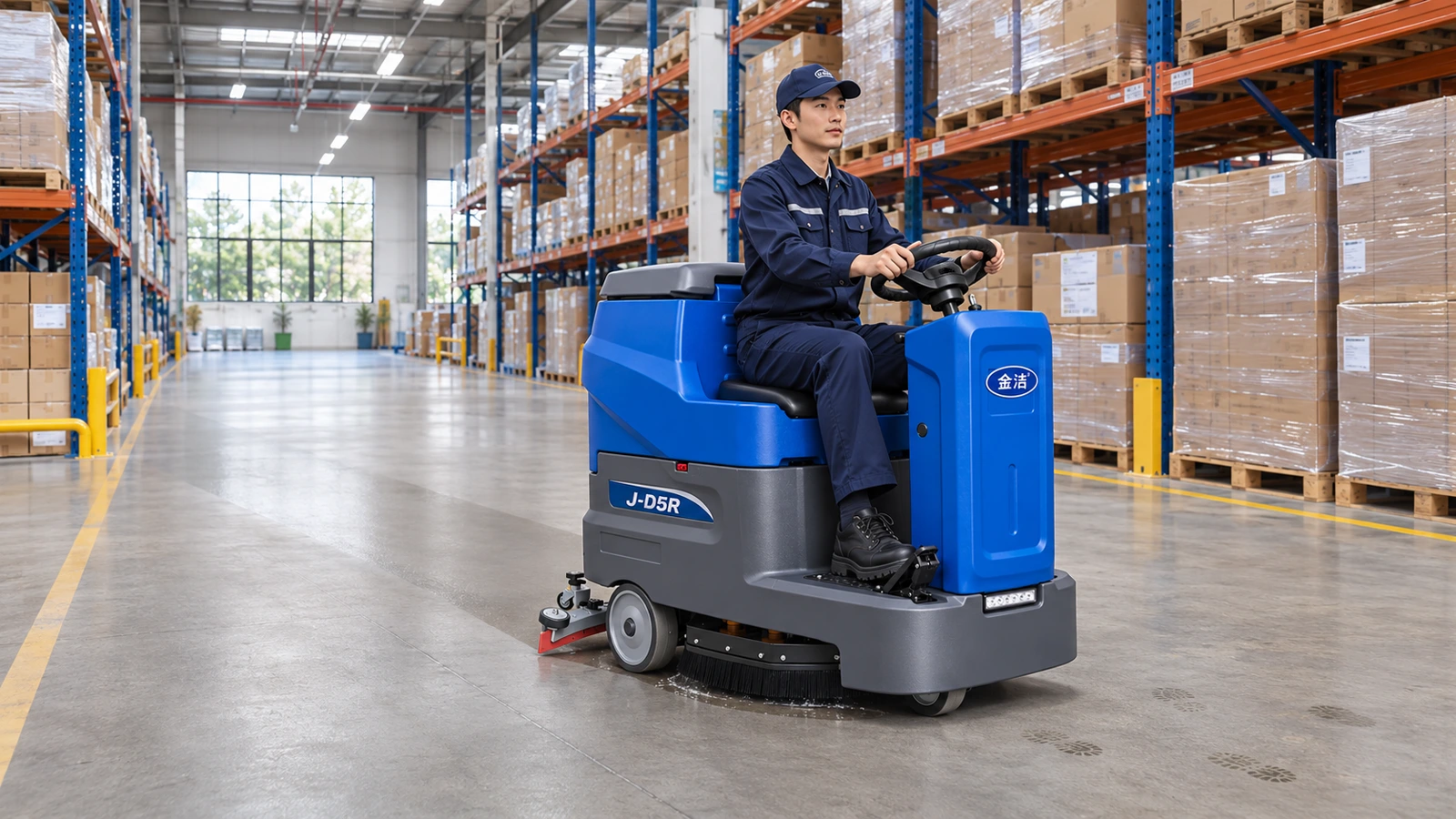
Remove debris and dust, then choose equipment for oil, flooring and wastewater recovery.
View planIn occupied areas, assess cleanliness, noise and access before scheduling cleaning.
View planCheck access and steering around bends, columns and narrow aisles; compare ride-on route capacity in continuous open areas.
Many passages: assess J-D3LMore open routes: compare J-66BFAssess preliminary waste/dust removal, then match washing to floors, oil and recovery needs. Brushes and chemicals must also fit.
Check workshop-cleaning prerequisitesCompact walk-behindFor smaller areas, floor-level public spaces and routine cleaning.View walk-behind models →
 Self-propelledFor medium-sized areas where reduced manual pushing effort is desired.View self-propelled models →
Compact ride-on equipmentFor areas requiring ride-on operation where large machines cannot fit.View compact ride-on models →
Medium/large ride-onFor continuous operation in underground car parks, factories, warehouses and property projects.View medium/large ride-on models →
Sweeper-scrubbers / Autonomous equipmentFor sites combining granular waste and wastewater, or requiring automated deployment.View automation options →
Start with the difficult floor area and site conditions rather than equipment specifications.
The video demonstrates indoor movement, water filling and discharge. Check the demonstrated configuration against the ordered model.
Describe target, conditions and frequency to confirm the approach with the actual model.
Compare scrubber operating types rather than width or tank size alone.
For floor-level public areas, shop back rooms and smaller hard floors; assess manoeuvrability and maintenance frequency.
Intended to reduce pushing effort in medium-area duties, for assessment where walk-behind work becomes frequent.
Ride-on operation improves coverage while retaining relatively compact access for properties, shopping centres and floor-level public spaces.
For underground car parks, warehouse aisles and factory floors; compare cleaning width, squeegee and drive system.
For longer routes and larger floors; assess continuous duty, tank capacity and water-recovery stability.
For large factories, transport sites and commercial complexes; assess tank capacity, working coverage and access.
The former addresses combined waste/wastewater tasks; the latter requires autonomous deployment assessment for regular sites.
Assess area, ramps, turning and frequency; compare ride-on equipment for larger or fixed routes.
Related models: J-D6SL / J-D9BH / J-56BFAssess brush width, recovery width, tanks and oil levels together for workshops.
Related models: J-D6SL / J-D9BH / J-920B
Access, footfall and lift transport influence walk-behind, compact ride-on and autonomous selection.
Related models: J-D3L / J-56BF / J-W70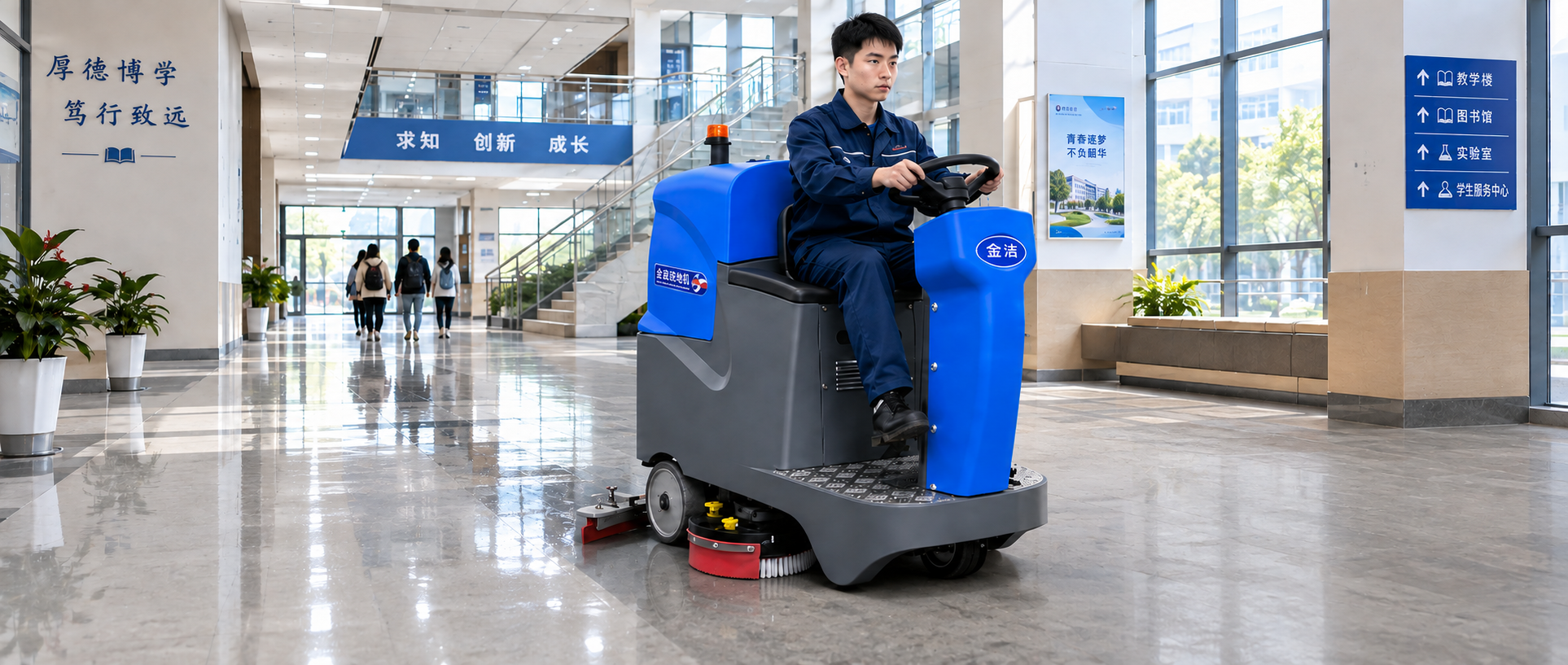
Compare walk-behind units for dispersed areas and edges, and compact ride-on units for larger fixed routes.
Related models: J-D3S / J-56BF / J-66BF
Check aisle width, rack turns, crossing traffic and shifts before choosing medium/large ride-on equipment.
Related models: J-D9BH / J-85BH / J-920B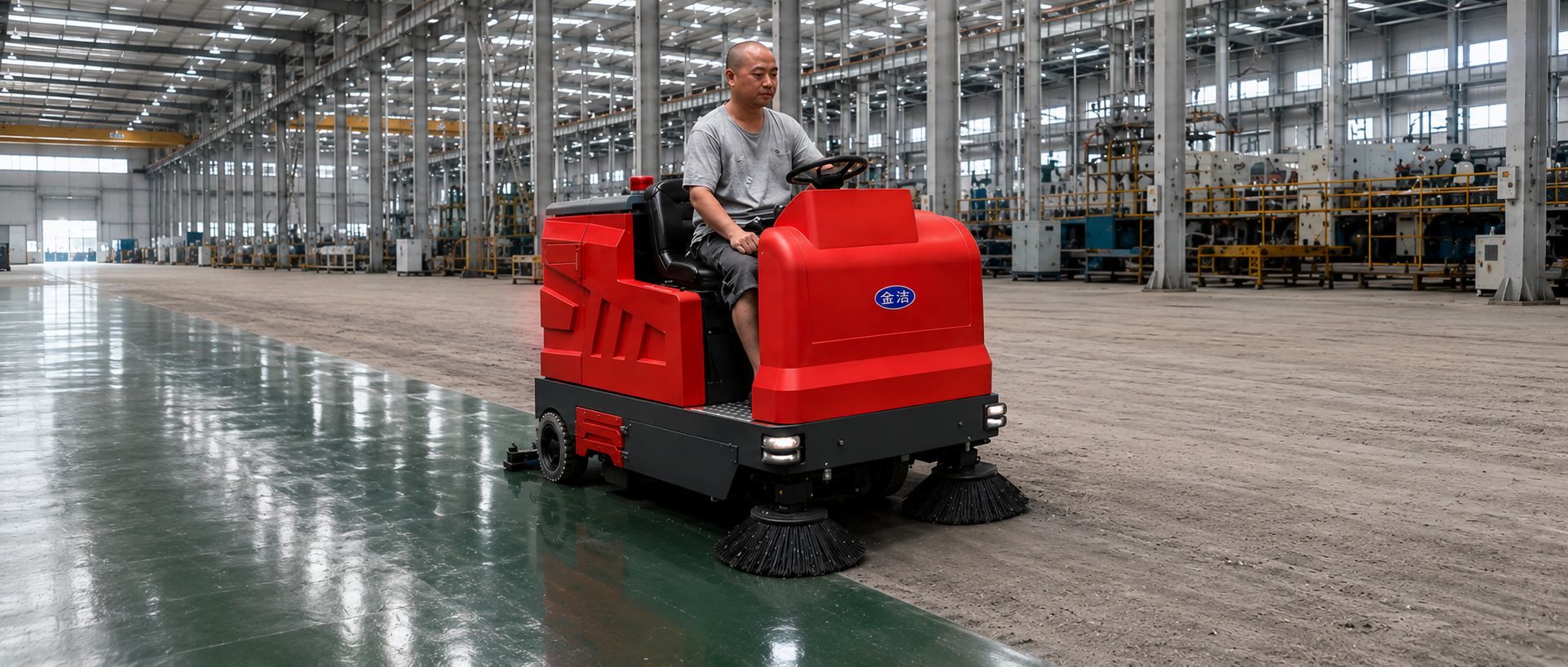
Where granular waste, dust, mud and wastewater coexist, combined sweeping and scrubbing can reduce pre-sweeping and repeat work.
Related models: J-SX1360D / J-D9BH / J-920B| Assessment factor | What customers should confirm | Relevant effect |
|---|---|---|
| Walk-behind / Self-propelled / Ride-on | Confirm working area, route length, operator effort and transfer frequency. | Determines operation, not simply machine size. |
| Cleaning width | Confirm aisle width, open floor space and area per shift. | Affects pass coverage and machine access. |
| Squeegee width | Confirm drainage, turning space and whether prompt access is required after water recovery. | Affects wastewater recovery and edge access. |
| Clean-water tank / Recovery tank | Confirm water and wastewater points, routes and continuous working time. | Affects interruptions and maintenance scheduling. |
| Single brush / Twin brush | Confirm the contamination, floor material and cleaning intensity. | Affects brush coverage, capacity and consumable selection. |
| Front-wheel / Rear-wheel drive | Confirm floor evenness, gradient changes and loading conditions. | Affects traction and site suitability; assess on site. |
| Granular waste | Check whether packaging debris, gravel, dust and wet waste are mixed. | For larger debris loads, compare sweeper-scrubbers or sweeping before scrubbing. |
| Automation requirements | Confirm route regularity, pedestrian and vehicle traffic, charging position and human support. | Determines whether autonomous scrubbing merits deployment assessment. |
Consider the first option when:J-D3L suits assessment for smaller areas and routine walk-behind cleaning, with straightforward equipment and flexible relocation.
Compare another option:Compare J-D5SL self-propelled equipment for medium areas where reducing pushing effort matters.
Consider the first option when:J-D5SL is a self-propelled medium-area option intended to reduce pushing effort.
Compare another option:For longer routes and continuous ride-on operation, J-D6SL is a more suitable starting point for comparison.
Consider the first option when:J-56BF is a 560 mm compact ride-on option for restricted areas and routine property cleaning.
Compare another option:J-66BF is a 660 mm twin-brush compact ride-on option with greater tank and brush coverage.
Consider the first option when:J-D9BF uses a 750 W front-wheel-drive arrangement for assessed level-floor medium/large ride-on duties.
Compare another option:J-D9BH uses a 1200 W rear-wheel-drive arrangement; assess gradients against floor condition and load.
Consider the first option when:For J-D9 medium/large ride-on selection, compare the 860 mm cleaning width, 1100 mm squeegee and 120/140 L tanks.
Compare another option:The J-85 series targets medium/large duties with dual recovery motors; assess where sustained recovery is important.
Consider the first option when:Consider J-D9 as a starting point for medium/large parking, warehouse and factory floors.
Compare another option:J-920B has a 920 mm cleaning width and 160/165 L tanks, for assessment on larger continuous routes.
Consider the first option when:If brushing/recovery dominates and loose waste is limited, a conventional ride-on scrubber may be more direct.
Compare another option:Where granular waste, dust and wastewater coexist, prioritise assessment of J-SX1360D's combined sweeping, scrubbing and recovery functions.
The source lists J-SX1360D with 1360 mm sweeping, 900 mm scrubbing and 1200 mm recovery widths, 200 L clean-water, 260 L recovery and 45 L waste capacities, for mixed floors requiring frequent sweeping/scrubbing transitions.
Regular routes, fixed schedules and reliable replenishment allow an autonomous-scrubbing assessment. People are still needed for water filling, discharge, consumable replacement, exceptions and temporary obstacles.
Conventional ride-on scrubbers may suit brushing/recovery with little loose waste; compare sweeper-scrubbers for debris and autonomous equipment for eligible scheduled duties.
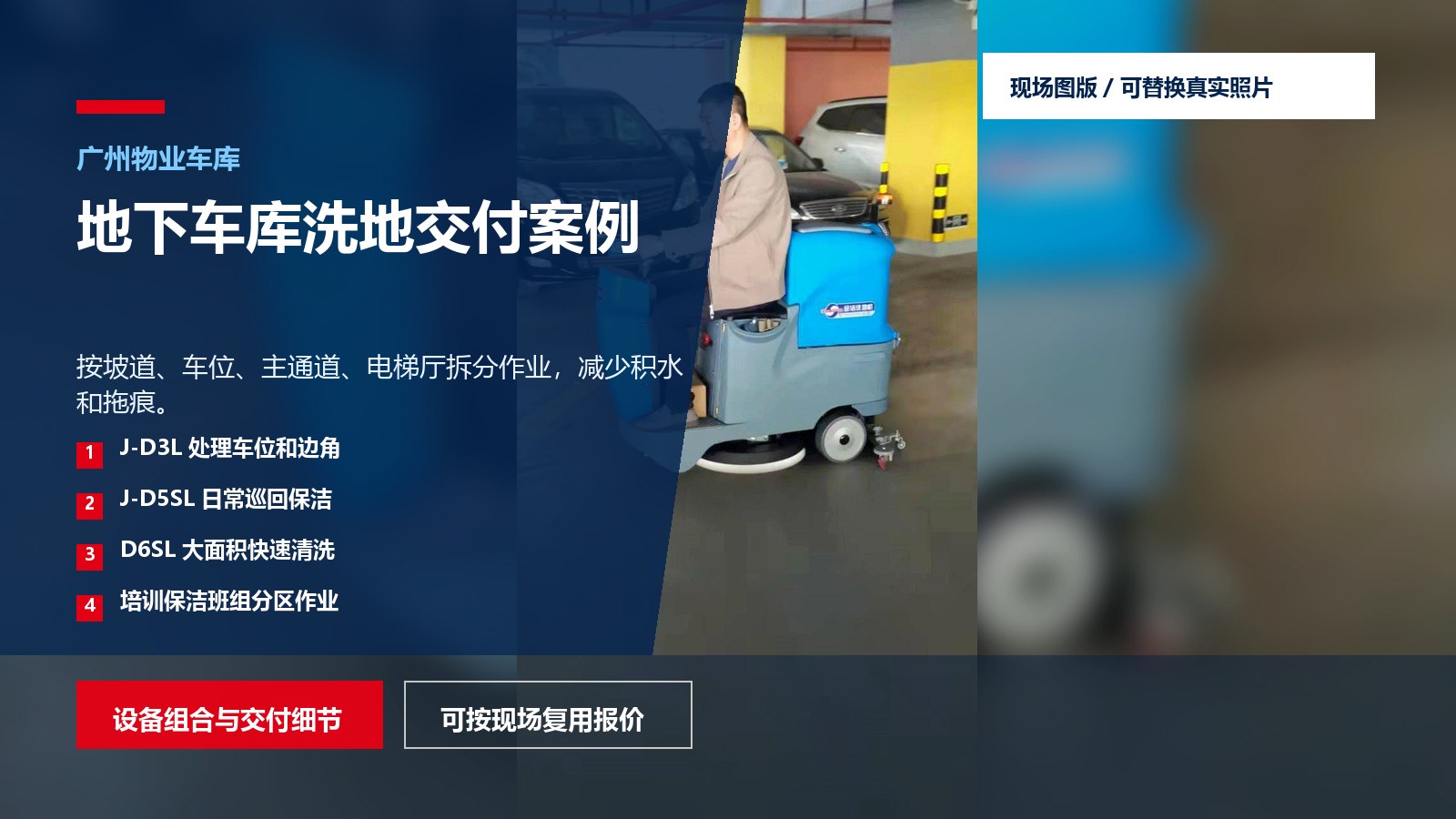 Property Underground Garage Cleaning PlanA mix of walk-behind and ride-on scrubber-dryers for ramps, parking bays and main aisles.
 Factory Workshop Floor-Cleaning PlanRide-on scrubbers with industrial vacuums for dust, oil and metal-chip tasks.
 Office and Commercial Cleaning PlanA combination of low-noise vacuuming, carpet cleaning, stone care and commercial wet/dry vacuum equipment.
 Vacuuming and floor-cleaning equipment in a factory; application illustrationFor Shenzhen electronics, metalworking, food and warehouse sites, check aisle width, floor material, cleaning frequency and drainage first.
 Choosing a floor scrubber for a Shenzhen property routeWalk the daily route before comparing scrubber specifications.Planning factory floor scrubbing around oil, debris and trafficFactory floors bring together dust, loose debris, oil and moving traffic.Checking brushes, squeegees and batteries at handoverAt handover the team should be able to identify the supplied configuration, perform daily checks and order the right consumables.Comparing front- and rear-drive scrubbers on the same routeDrive layout is one design choice. The result also depends on the surface, gradient, brushes and route.Comparing scrubber-dryers: sites for J-D3L, J-D5SL and D6SLDistinguish related scrubber-dryers by area, access, operator workload and frequency rather than assigning identical applications.
Check bay/pillar density, doors, turns, ramps, soils and schedules before equipment dimensions and operating type.
For narrow passages and fragmented routes, compare walk-behind and compact models first.
For connected routes with frequent repeat cleaning, compare ride-on equipment and verify access and water arrangements.
For ramps or slippery areas, provide photos and conditions; machine size alone is insufficient.
Also assess doors, columns, routes, ramps and water arrangements. The machine must travel and turn along the actual cleaning route.
Provide route/plan, aisles, ramps, floors, stains, daily hours and water-service locations.
Consider walk-behind machines for small areas, many corners and frequent transfers. For larger areas, regular routes and frequent cleaning, ride-on equipment can reduce walking and pushing effort.
No. Wider machines may cover more floor, but access, turning space, lifts and doors can limit suitability. Oversized equipment may obstruct restricted sites.
Larger tanks may reduce refill/drain events but affect dimensions and weight; assess area, supply locations and shifts.
Single-brush layouts serve routine duties; twin brushes may increase coverage. Assess soil, chemicals and consumables as well as brush count.
Compare standard/front-drive arrangements on level floors; assess drive type and power where gradients, load changes or longer routes matter.
Assess slope, traction, turning areas, full-tank loading and route together; cleaning width alone is insufficient.
Conventional scrubbers brush and recover water; sweeper-scrubbers can address eligible debris, dust and wastewater in mixed tasks.
Regular routes and repetitive cleaning merit autonomous assessment, but water services, exceptions, consumables and temporary obstacles may still need staff.
Provide area, flooring, stains, access, water/drainage and daily hours to narrow models.
Bigger is not always better. Area, access, materials, stains and shifts determine walk-behind, self-propelled, ride-on or autonomous suitability.
Prioritize manoeuvrability in small areas and edges; for garages, main factory aisles and continuous routes, assess tanks, squeegee width and sustained duty.
Epoxy, terrazzo, tile and concrete differ in brush, pressure and chemical needs; oil, water and footprints affect recovery configuration too.
Hospitals, retail, schools and offices must balance capacity, noise, turns, training, consumable stock and service response.