
01 Workshop floor scrubbing
- Typical site
- Workshop scrubber squeegee
- Why it fits
- For residual water, inspect blade contact/wear, match material to oil/floor and verify original holes.
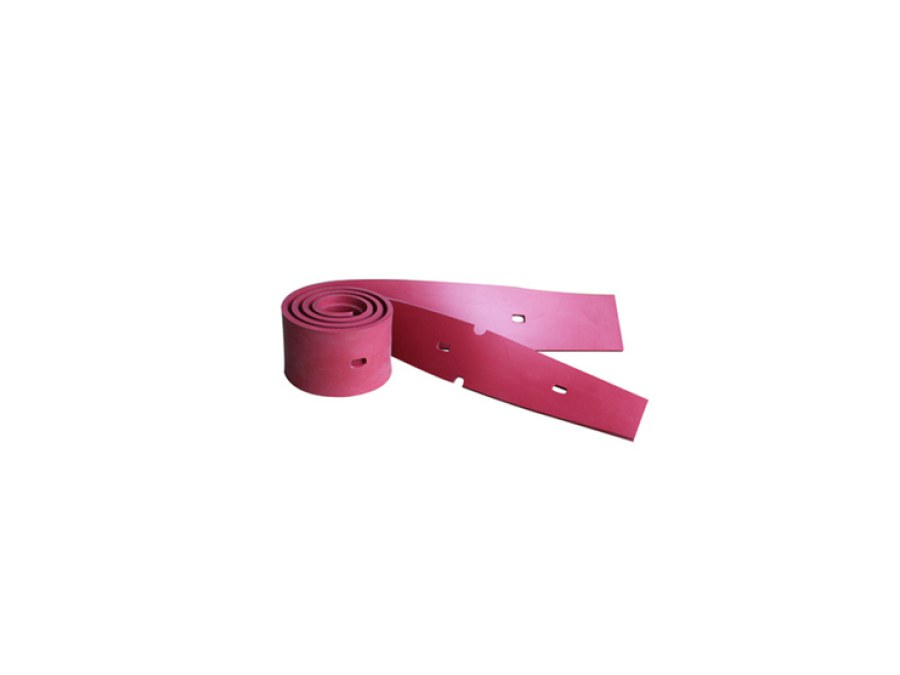
JT-CJ
Confirm the original part, mounting dimensions, connections and machine configuration before ordering.

JT-CJ supports replacement of workshop, factory and garage scrubber blades. Confirm area, access, soil and shifts for practical recommendations.
Over 20 years in cleaning equipment manufacturing | Site trials available | Service support across China
Assess JT-CJ by model, size, interfaces, application and replacement conditions; do not claim unchecked universal fit.
Scrubbers, maintenance and spare-parts purchasing
Improve wastewater recovery and squeegee drying
Suggested application: improving wastewater pickup and squeegee drying
JT-CJ squeegee blades improve recovery and floor drying. Verify category, model, dimensions, interfaces and application; similar names do not prove universal fit.
Application: improve recovery and squeegee drying
Verify category, model, dimensions, connections, holes, mounting and version; do not assume universal fit. For electrical parts, also verify voltage, power, connector and installation space.
Application: verifying equipment fit
No fixed-day replacement interval: replace curled, notched or hardened blades or increased residue. Assess frequency, floor roughness, dust/oil, maintenance and abnormal operation to prevent small wear parts degrading machine performance.
Application: consumable replacement/maintenance
Electrical parts, chemicals and high-speed rotating parts require competent verification before use. Check surface, soil, foam and dilution for chemicals. Avoid incorrect/forced installation or cross-model substitution of brushes, blades and motors. If records are insufficient, photograph and match original parts first.
Application: use boundaries
Compare JT-CJ with related consumables by equipment fit, dimensions, material and task.
Consider this part when equipment type, mounting position and task match, with dimensions and connections verified.
If model, connections, holes, material or chemical use cannot be confirmed, inspect the original part or select a better-matched specialist part.
Identify contamination, area, route and frequency before assessing this model.
Consider both the configuration and its value for the site.
JT-CJ replaces workshop squeegee blades. Record old-part size, thickness, holes and position; verify machine model, floor and current pickup condition before purchase.
Retain old-part photos and configuration records; verify fit and replacement requirements before installation.
Look beyond model and price: clarify site conditions and long-term use requirements first.
Discuss the surface, soil and operating conditions to select a suitable model and configuration.
A mix of walk-behind and ride-on scrubber-dryers for ramps, parking bays and main aisles.
View the solution referenceFactory workshop floor cleaning planFactory workshopRide-on scrubbers with industrial vacuums for dust, oil and metal-chip tasks.
View the solution referenceEquipment configuration for cleaning service companiesCleaning service companiesPlan reusable equipment combinations for resident teams, outsourced services, mobile crews and maintenance stock.
View the solution referenceBlades seal/squeegee, the vacuum motor creates suction, and hoses carry recovery flow; assess all three together.
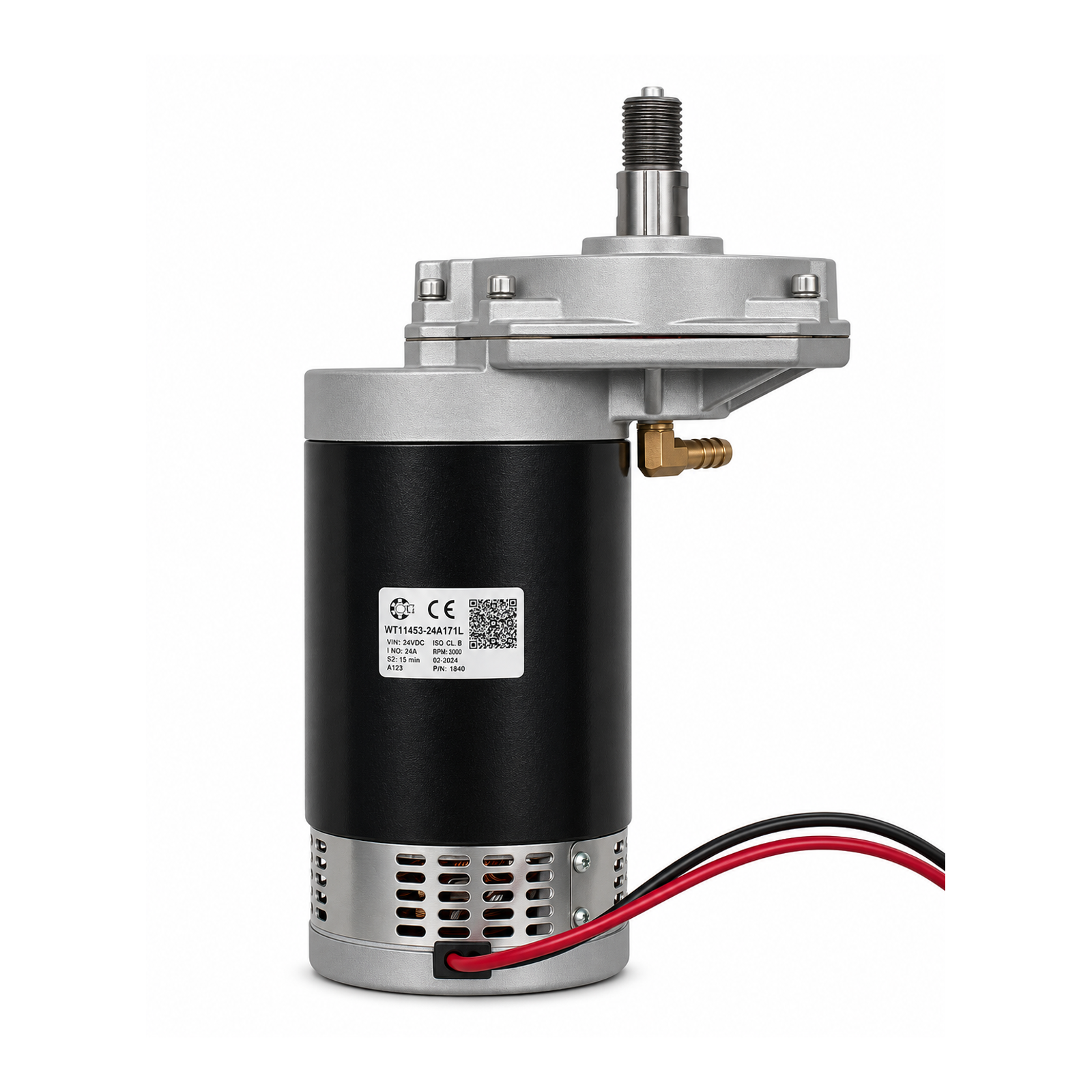


JT-CJ serves scrubber applications; verify model, size, interfaces and mounting.
Do not assume universal compatibility; check model, dimensions, holes, interfaces and version.
Replace curled, notched or hardened blades, or when water residue increases substantially
Provide nameplate, old-part photos, mounting location, dimensions and use conditions for physical matching by support staff.
Build common-consumables lists by machine model for maintenance and reduced downtime.
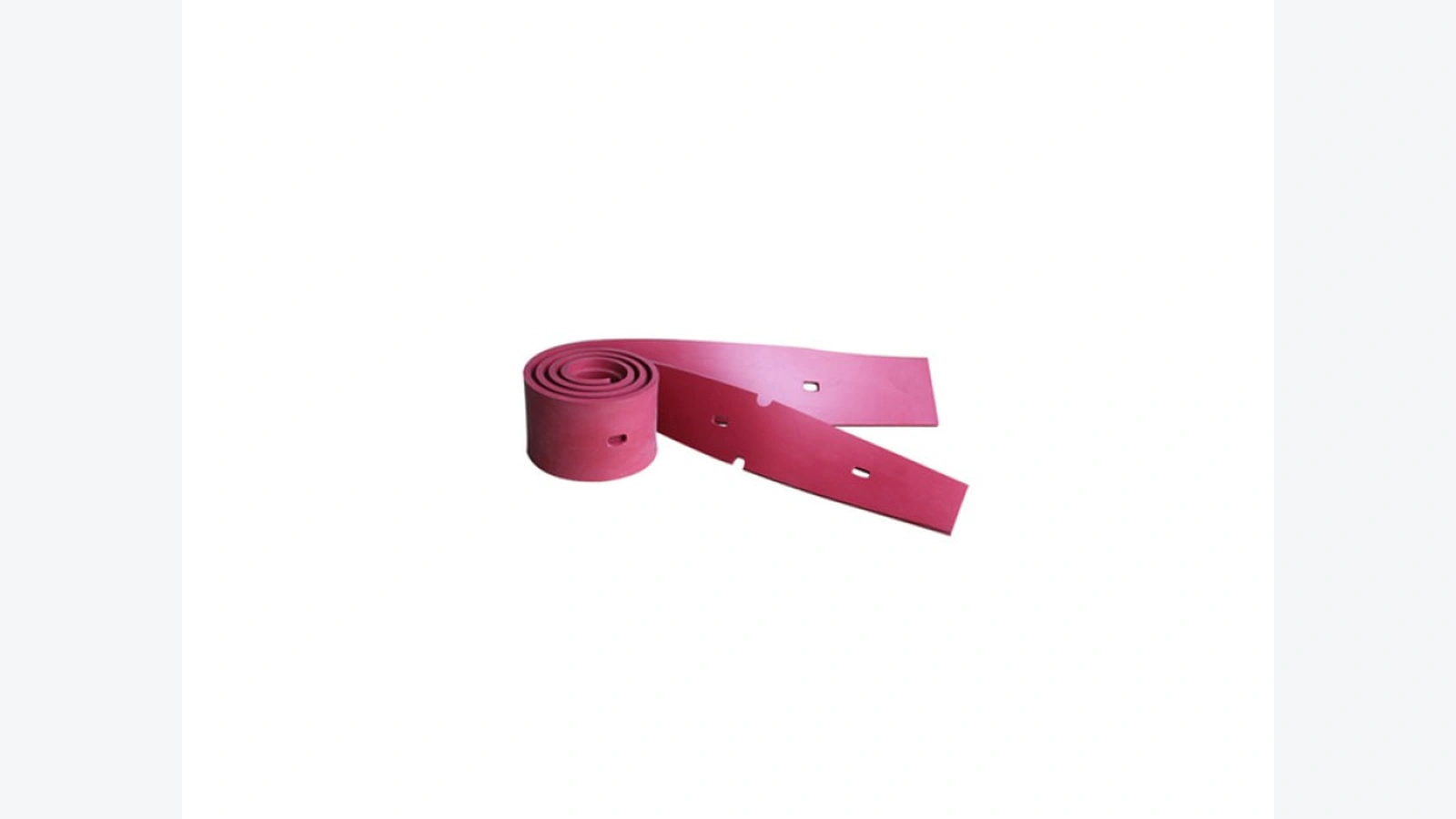
JT-CJ supports maintenance of a matching squeegee assembly. Diagnose residual water before selecting by original dimensions, holes and mounting.
View the application plan →Product for this enquiry:Jinjie JT-CJ Workshop Scrubber Squeegee Blades. Describe the site, contamination and frequency of use.