
01 Intended use
Circulating dry vacuuming for guest rooms and business common areas.

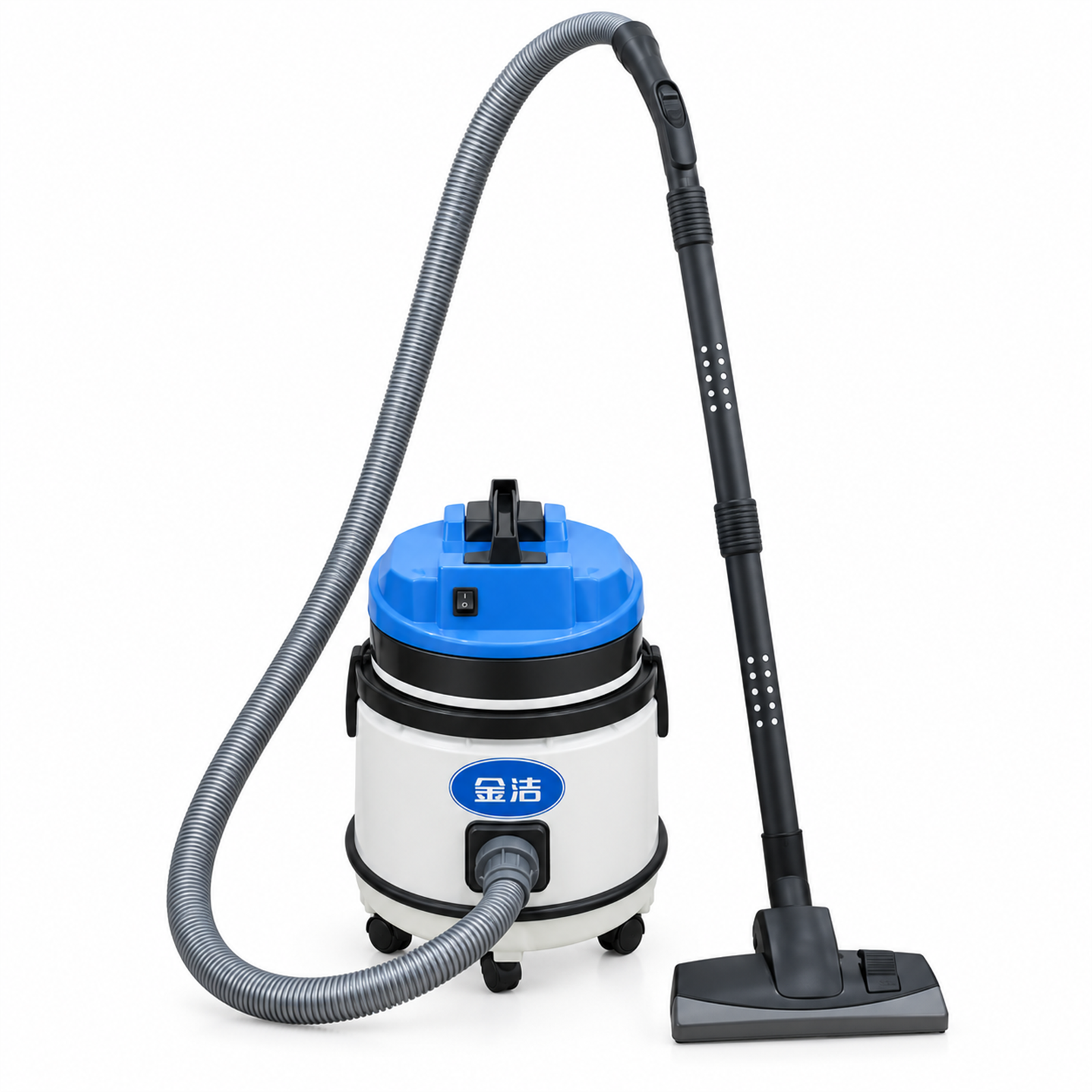
This machine is more suitable for circulating vacuuming in hotel rooms, meeting rooms, and business areas, emphasizing the impact on operations and collection maintenance; dry tasks are the main focus, and it is not recommended for water and dust removal equipment.
Circulating dry vacuuming for guest rooms and business common areas.
Arrange dry vacuuming around the public area operation time.
Job disturbance and round-the-clock maintenance, power and attachments are checked according to the machine version.
Circulating dry suction in guest rooms and business common areas requires separate and explicit definition of the target and operational procedures, and cannot be directly applied from similar equipment.
The dry vacuuming around the public area should be scheduled during the operation period; the disturbance caused by the operation, as well as the patrol maintenance and the arrangement of on-site resources and personnel, also affect the usage.
First, arrange the division of zones, verify the medium, and handle the shutdown cleaning and storage together to avoid only completing the intermediate processes.
Dry dust properties, floor materials, and suction head.
Power, wiring, and personnel shift
On-site operations disturbance and storage space
Zone route and container maintenance
| Field or task | Conditions that require verification | Selection check |
|---|---|---|
| Hotel room dry suction. | Dry dust properties, floor materials, and suction head. | First, confirm the type of dust, floor material, and suction nozzle, then determine if the hotel room dry suction is suitable. |
| Office daily cleaning | Power, wiring, and personnel shift | Verify the tools, work methods, and risk boundaries based on power supply, wiring, and personnel shift. |
| Meeting room maintenance | On-site operations disturbance and storage space | Include on-site operation disturbances and storage space into the on-site solution, cannot only compare single specifications. |
| Floor corridor patrol | Zone route and container maintenance | Combine zone route and container maintenance schedule for closing and handover, and test or on-site verification for complex conditions. |
For ordinary indoor dry dusting, do not recommend equipment for wet cleaning, hot ash, hazardous dust, or disinfection.
The scenario is for illustrating the applicable conditions and is not a case of a completed customer or actual test results.
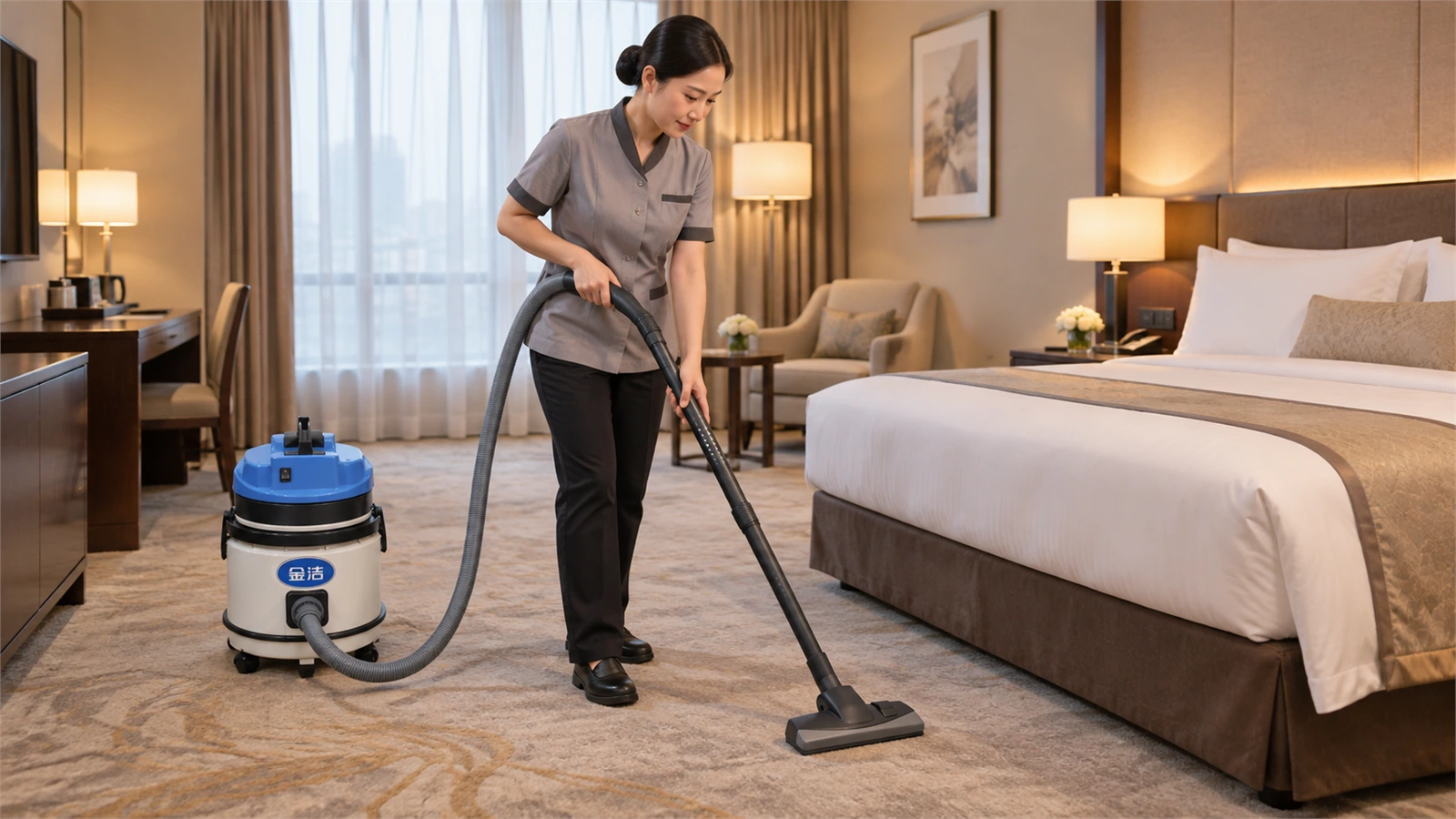
For daily dry dust and debris in guest rooms, corridors and shared areas, considering disturbance and presentation.
View the corresponding scene description →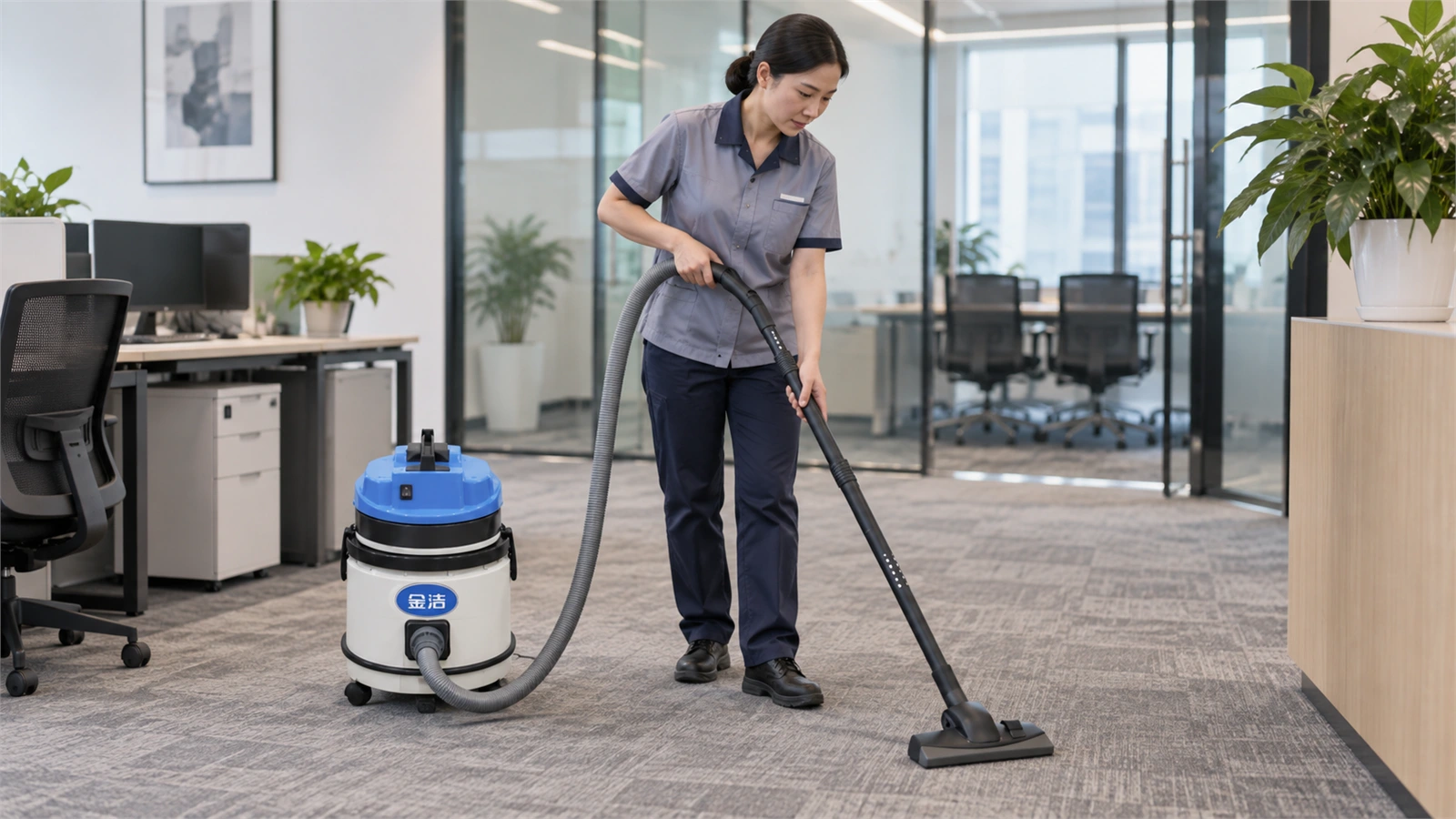
For offices, meeting rooms and reception areas; floor or zone allocation can reduce frequent carrying.
View the corresponding scene description →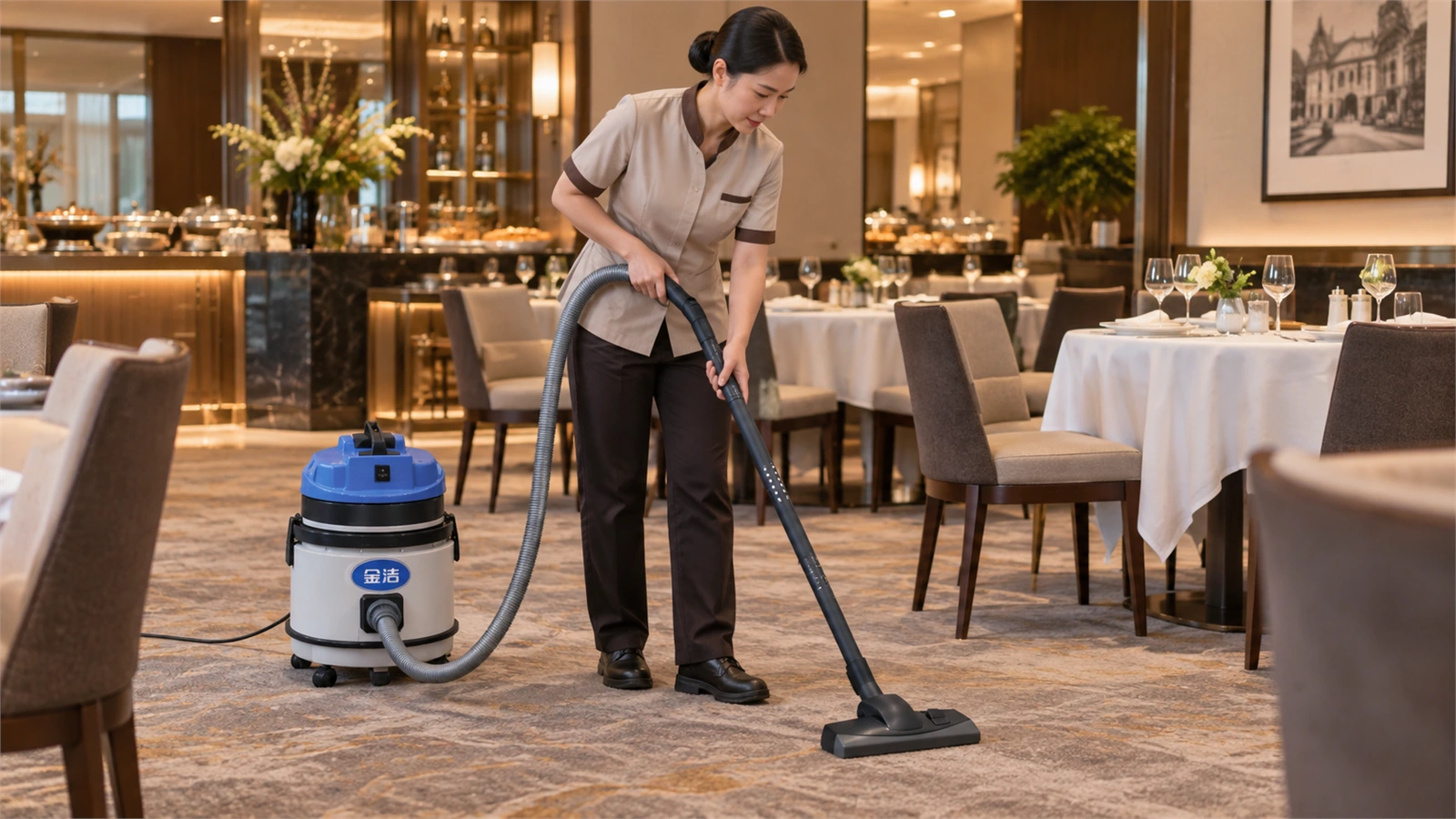
For everyday light dust and debris in shopping-centre corridors, commercial shared areas and property cleaning locations.
View the corresponding scene description →The first screen is for positioning; the complete specifications should be verified against the original data of the machine and the corresponding delivery version.
| Configuration item | Original page registration content |
|---|---|
| Capacity | 20L |
| Height | 58cm |
| Bucket body diameter | 34cm |
| Hose diameter | Ø35 |
| Vacuum suction | 1800mmH2O |
| Power | 1000W |
| Operating voltage | 220V |
| Cord length | 8m |
| Model | CL20 |
| Noise reference | <55dB(A) |
Overall appearance of the machine and function explanation; 01-06 are explanatory indexes, and are not marked for unverified internal coordinates.
Check the room for transitions, storage, and operational space.
Check power consumption according to the nameplate; normal start-up and protection should be carried out according to the instructions.
Carpets, hard floors, and fabric surfaces require corresponding tools.
Check for bends, blockages, and leaks; do not pull wires when moving the machine.
Check the filter material, container, and sealing; dry configuration should not be arbitrarily modified to a water suction mode.
Maintenance requires turning off the machine and disconnecting power, then following instructions to clean and collect and filter components.
The work process is used to explain the process and personnel coordination, and does not replace the machine operation instructions and internal structure documents.
Dry dust properties, floor materials, and suction head, and carry out operations according to the machine instructions and on-site conditions.
Power, wiring, and personnel shift, and executed according to the machine's instructions and on-site conditions.
On-site operations disturbance and storage space, and execute according to the machine instructions and on-site conditions.
Partitioned route and container maintenance, and carry out according to the machine instructions and on-site conditions.
Arrange dry vacuuming around the public area during the operation period; the dry dust characteristics, floor materials, and suction head should be considered together with the partitioned route and container maintenance.
For ordinary indoor dry dusting, do not recommend equipment for wet cleaning, hot ash, hazardous dust, or disinfection.
Check against the actual attachments, interfaces, materials, or control requirements of the machine, and do not list optional components as standard configurations.
This model is centered. Left and right are real configurations or process references; different tasks are not simply high or low settings, and cannot be judged solely by the model number.
| Comparison criteria | 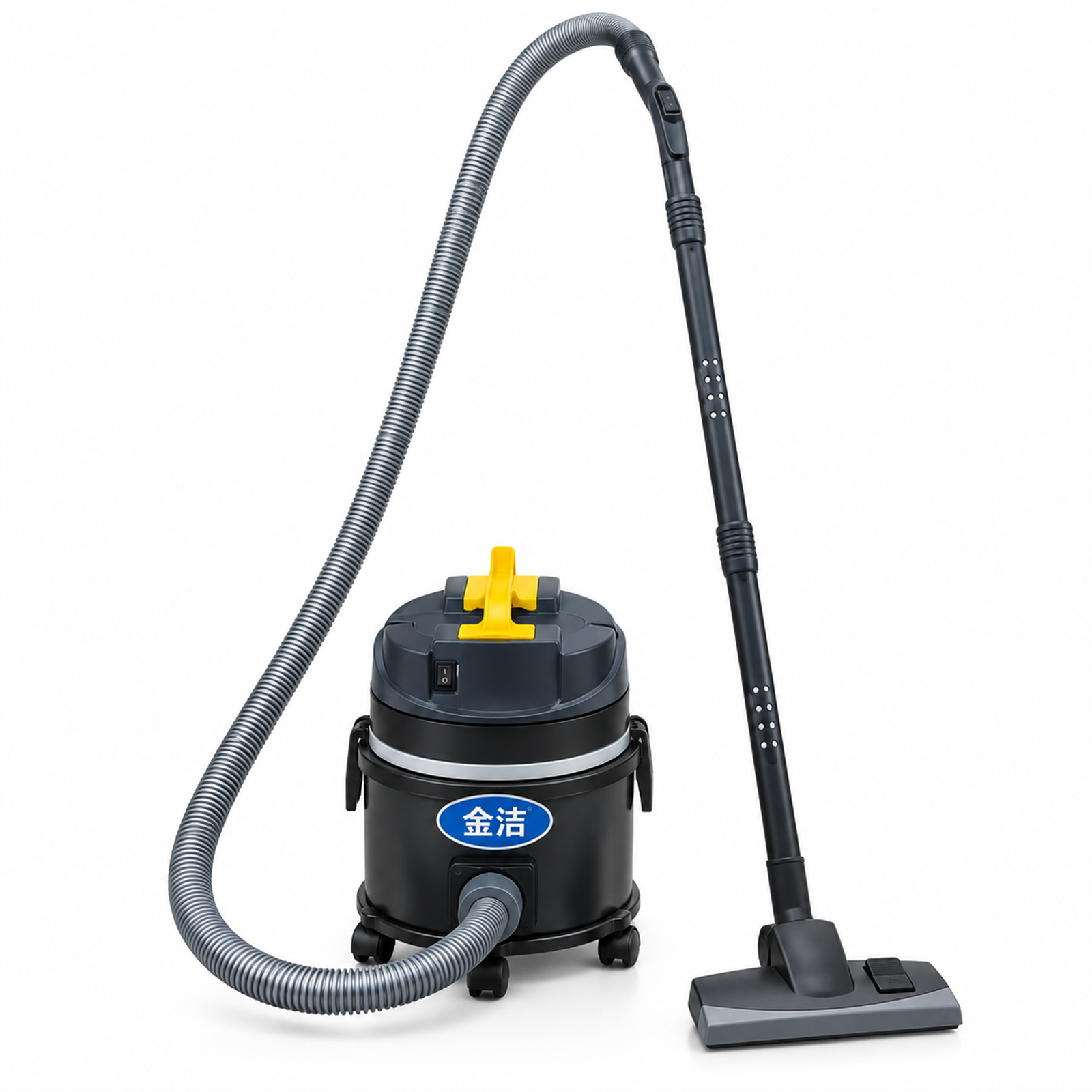 CL10 | CL20 | 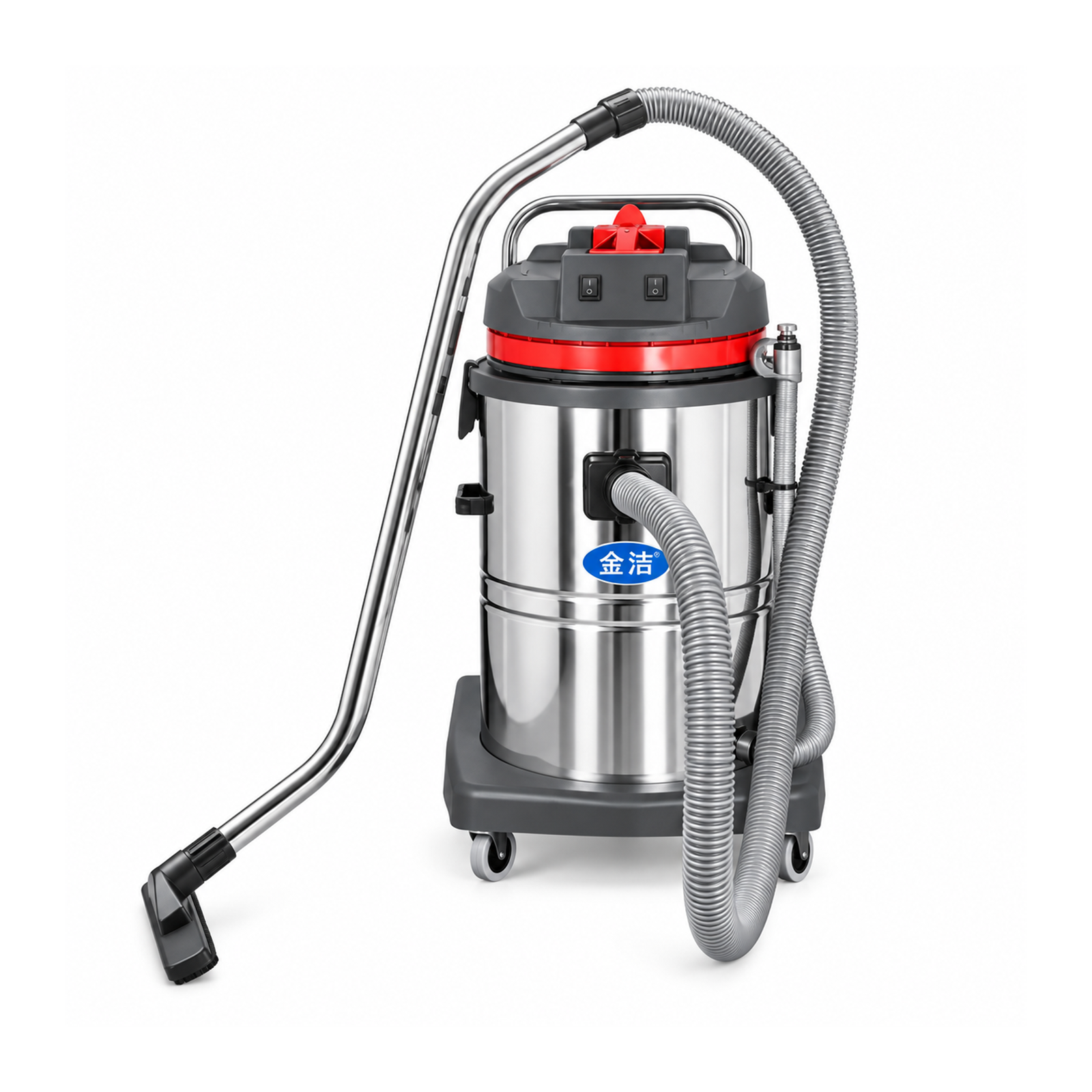 CL60-2 |
|---|---|---|---|
| Main tasks | Light dusting for guest rooms and offices. | Circulating dry vacuuming for guest rooms and business common areas. | Meeting room and public area dry/wet separation cleaning. |
| Configuration function. | For indoor light-duty tasks, the mobility and storage of the machine are considered. | Arrange dry vacuuming around the public area operation time. | Match dry suction with the allowed wet dirty recovery process. |
| Selection focus | Lightweight dry dust and room transition | Job disruption and circulation maintenance | Dry-wet conversion and filtration accessories |
| Power supply | 220V | 220V | Verify the configuration of this model independently |
| Power | 1000W | 1000W | Verify the configuration of this model independently |
| Collect/with water | Verify the configuration of this model independently | 20L | Verify the configuration of this model independently |
The main unit, actual attachments, tools, or consumables are compared according to the same list; optional accessories are not considered as standard fittings.
For routine dry vacuuming in guest rooms and commercial common areas, allow for room-to-room travel, disruption to occupants and routine upkeep. Measure productivity over the actual route.
Record the shutdown emptying and storage, as well as the maintenance and disposal of consumables, together. Do not set a fixed saving ratio or payback cycle.
Check the room transition, storage, and operating space. Specifically, check the disassembly and maintenance schedule, as well as the accompanying materials according to the machine's manual.
Check power supply according to the nameplate. Normal start-stop and protection functions should be carried out as per the instructions. Specific disassembly, maintenance cycles, and accompanying materials should be verified against the machine's manual.
Select tools for the surface, whether carpet, hard flooring or upholstery. Follow the model manual for removal, refitting, service intervals and compatible materials.
Check for bends, blockages, and leaks; do not pull wires when moving the machine. Specific disassembly, maintenance cycle, and accompanying materials should be verified according to the machine's instructions.
Check the filter material, container, and seal. Do not arbitrarily convert the dry configuration to a wet one. Specifically, check the disassembly and maintenance cycle, as well as the accompanying materials, according to the instructions for this machine.
Maintenance should be performed after turning off the machine and disconnecting the power. Specifically, disassembly, maintenance cycles, and compatible materials should be checked according to the machine's instructions.
Verify the model number, nameplate, random accessories, and delivery documents.
Understand the zoning and verify the medium and safety start/stop procedures as specified in the machine's manual.
Integrate dry suction and on-site process communication for guest room and business public area circulation.
Check the parts according to the interface, material, and delivery version.
Please provide the fault symptoms and inspection records; service scope and schedule are according to the agreement.
Inspection content, service location, cost, and cycle are subject to actual agreement.
This machine is more suitable for circulating vacuuming in hotel rooms, meeting rooms, and business areas, emphasizing the impact on operations and collection maintenance; dry tasks are the main focus, and it is not recommended for water and dust removal equipment.
Arrange dry vacuuming around the public area during the operation period; need to check the dry dust properties, floor materials, suction head, and partition route as well as container maintenance together.
For ordinary indoor dry dusting, do not recommend equipment for wet cleaning, hot ash, hazardous dust, or disinfection.
The comparison machine picks up light dry dust in rooms and offices. This model supports dry vacuuming rounds in guest rooms and shared commercial areas. Compare the work, accessories and relevant specifications for each model.
Check the dust type, floor material, and suction head, power supply, wiring, personnel schedule, on-site disturbance, and storage space. For complex conditions, combine small-scale tests and on-site evaluation with the route division and container maintenance.
Organize the task according to 'Divide and verify the medium → Match the suction head and safe wiring → Dry suction along the route → Shutdown, empty, and store'; the specific operations are determined by the on-site and machine instructions.
First, focus on the body and storage, suction head tools, and wiring and maintenance. Before servicing or disassembly, isolate the power as directed in the manual. Use the service interval specified for the model.
Provide photos of dry suction areas in hotel guest room settings, explaining the task, existing equipment, and specific conditions of operational disturbance and round-the-clock maintenance, and then determine whether this machine is suitable.
Please explain your room service and business lounge dry suction tasks, including the dry dust characteristics, floor type, suction head, and route division, as well as container maintenance. We will compare the on-site solution with the configuration of this machine.
Phone consultation: 0755-25621811