
01 Intended use
Wet and soiled area recovery in commercial mall public areas.

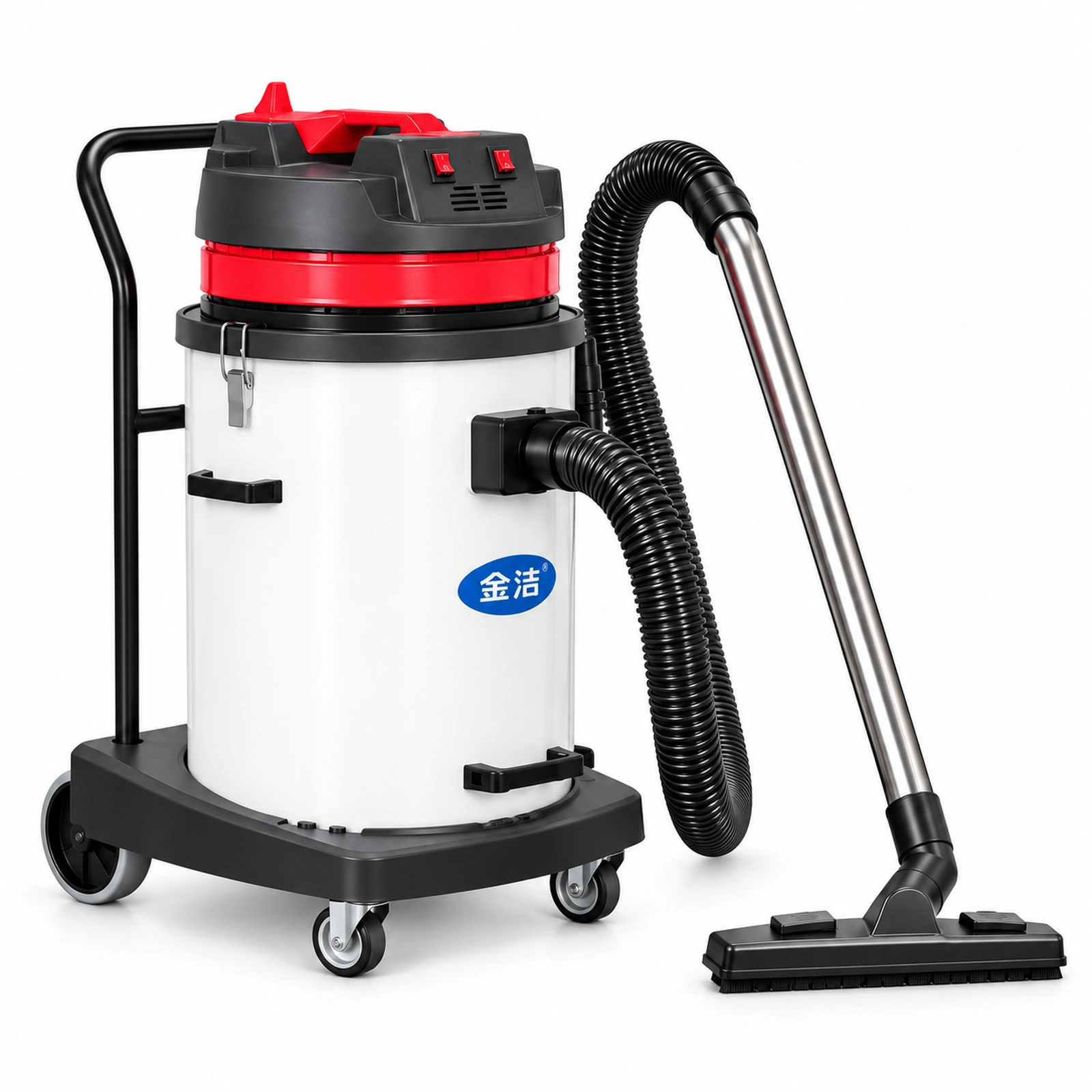
This machine is more suitable for dry dusting and localized wet cleaning in commercial building public areas, balancing recycling and pedestrian safety; first clarify the medium, attachments, and discharge route, without replacing the full brushing.
Wet and soiled area recovery in commercial mall public areas.
Local recovery and waste removal should be isolated from pedestrian flow and integrated with waste collection.
Crowd isolation and disposal routes, power and attachments should be checked according to the current machine version.
The wet and dirty area in the mall's public zone requires a separate and explicit object and work process, and cannot be directly applied from similar equipment.
Local recovery and waste isolation should be separated from pedestrian flow and linked with waste collection; the separation of pedestrian flow and disposal routes is equally influenced by on-site resources and personnel arrangements.
Identify dry and wet collection tasks separately. Include shutdown, emptying and resetting the operating mode in the work plan.
Medium properties and filtration mode.
Water suction accessories, floor materials, and pedestrian traffic.
Disposal path and wastewater treatment.
Power supply wiring, process switching
| Field or task | Conditions that require verification | Selection check |
|---|---|---|
| Public area dry dust cleaning | Medium properties and filtration mode. | First confirm the medium properties and filtration mode, then determine if the public area dry dust cleaning is suitable. |
| Local wet waste recovery. | Water suction accessories, floor materials, and pedestrian traffic. | Verify the tools, work methods, and risk boundaries based on the suction attachment, floor type, and pedestrian traffic. |
| After cleaning, the wastewater is collected. | Disposal path and wastewater treatment. | Include the discharge path and wastewater treatment in the on-site plan, not just compare individual specifications. |
| Partitioned maintenance rotation | Power supply wiring, process switching | Combine power supply wiring, process switching arrangements for completion and handover, and test the machine or verify on-site under complex conditions first. |
Dry-wet dual use does not imply suitability for any liquid; it does not replace brushing processes and does not handle unconfirmed corrosive, flammable, or hazardous media.
The scenario is for illustrating the applicable conditions and is not a case of a completed customer or actual test results.
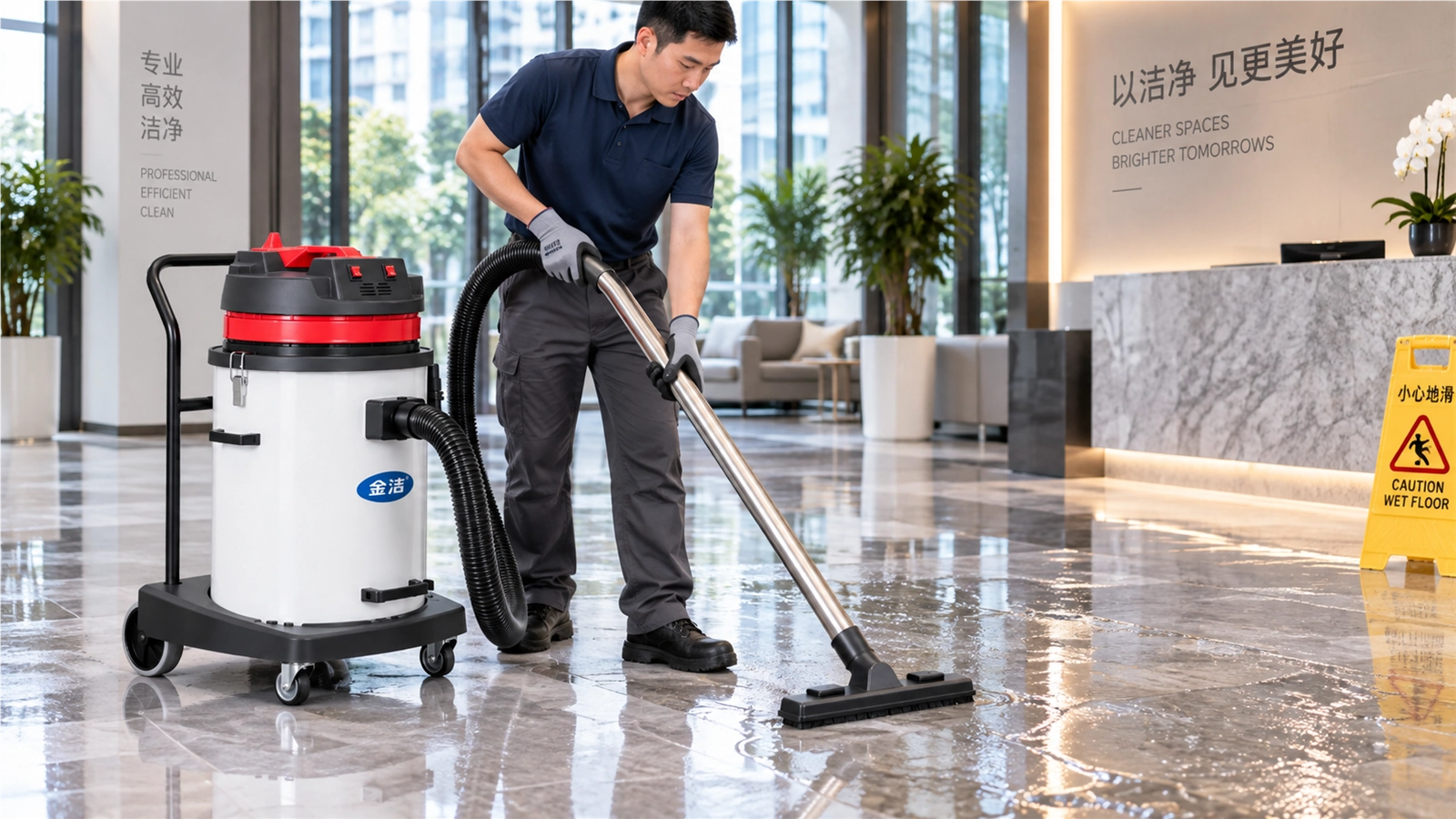
For local standing water, dust and debris in shopping-centre lobbies, shared aisles and commercial spaces.
View the corresponding scene description →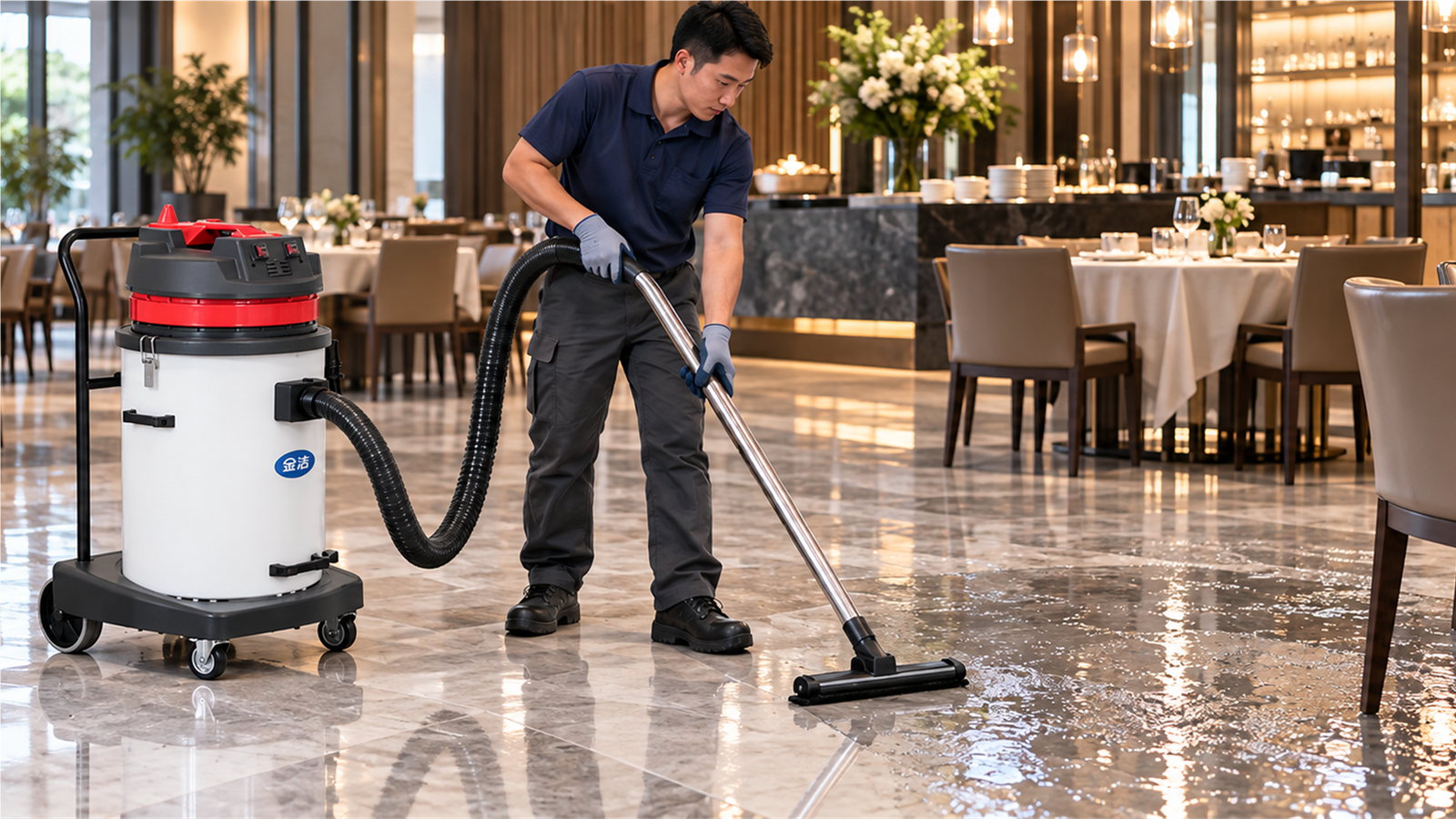
For local residual-water recovery after dining/club-area cleaning; retain slip controls and drying as needed.
View the corresponding scene description →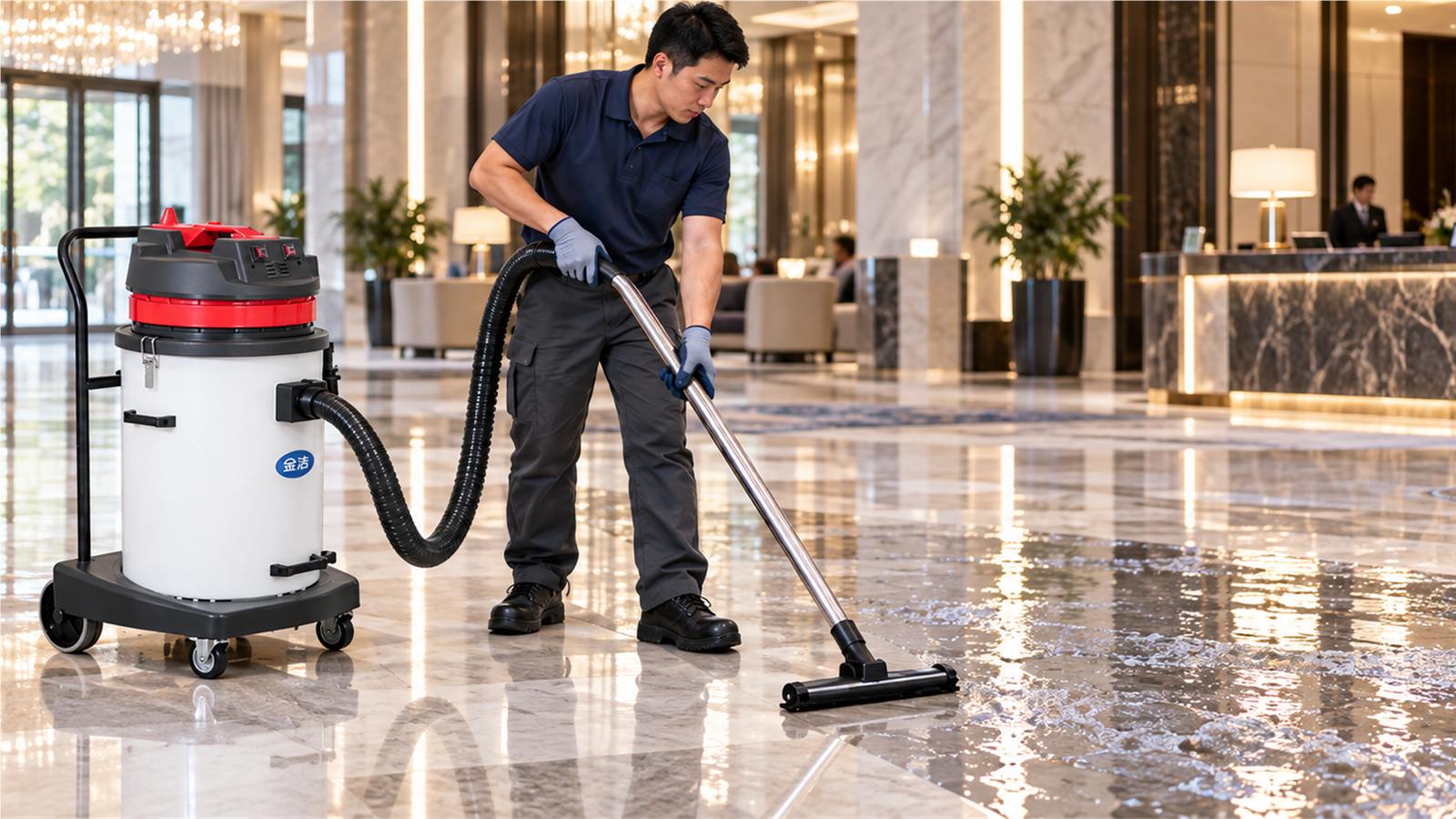
For routine hotel lobby, reception and shared-area routes involving dry vacuuming and local water recovery.
View the corresponding scene description →The first screen is for positioning; the complete specifications should be verified against the original data of the machine and the corresponding delivery version.
| Configuration item | Original page registration content |
|---|---|
| Equipment category | Jinjie CL70-2 Wet and dry vacuum |
| Product model | CL70-2 |
| Power | 2000W |
| Capacity | 70L |
| Airflow | 106L/s |
| Bucket body diameter | 44cm |
| Height | 95cm |
| Cord length | 7.2m |
| Packaging dimensions | 60×54×101cm |
Overall appearance of the machine and function explanation; 01-06 are explanatory indexes, and are not marked for unverified internal coordinates.
Consider collection, disposal, and transfer conditions, and load restrictions as per the machine's instructions.
Check electrical usage and start/stop operations based on the nameplate and actual configuration.
Before switching, check the filter and attachments to prevent incorrect dry filter material from absorbing moisture.
Select tools according to the floor and medium, check bends, leaks, and blockages.
Recycling is allowed only if the medium is permitted; discharge and wastewater treatment shall be carried out according to on-site requirements.
After power-off, clean the cleaning container, accessories, and seal, and specific disassembly is according to the instructions.
The work process is used to explain the process and personnel coordination, and does not replace the machine operation instructions and internal structure documents.
The medium properties and filtration mode should be followed according to the machine's instructions and on-site conditions.
Sweep the floor, clean the floor material, and account for foot traffic, and carry out the operation according to the machine's instructions and on-site conditions.
Discharge path and wastewater treatment, and carry out according to the machine instructions and on-site conditions.
Power supply wiring and process switching, and executing according to the machine instructions and on-site conditions.
Local recovery should be isolated from pedestrian flow and waste collection; the medium properties, filtration mode, power supply layout, and process switching should be judged together.
Dry-wet dual use does not imply suitability for any liquid; it does not replace brushing processes and does not handle unconfirmed corrosive, flammable, or hazardous media.
Check against the actual attachments, interfaces, materials, or control requirements of the machine, and do not list optional components as standard configurations.
This model is centered. Left and right are real configurations or process references; different tasks are not simply high or low settings, and cannot be judged solely by the model number.
| Comparison criteria | 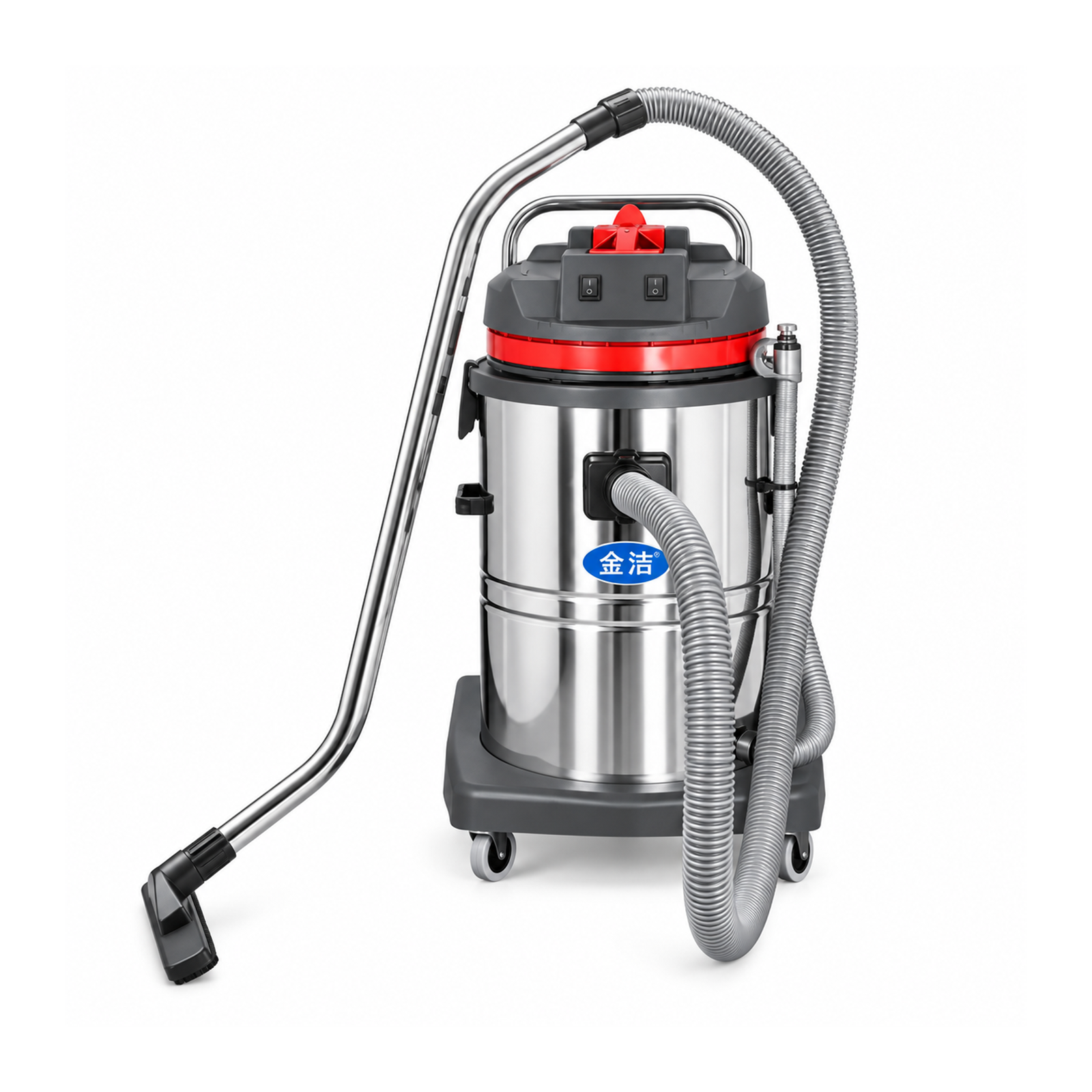 CL60-2 | CL70-2 | 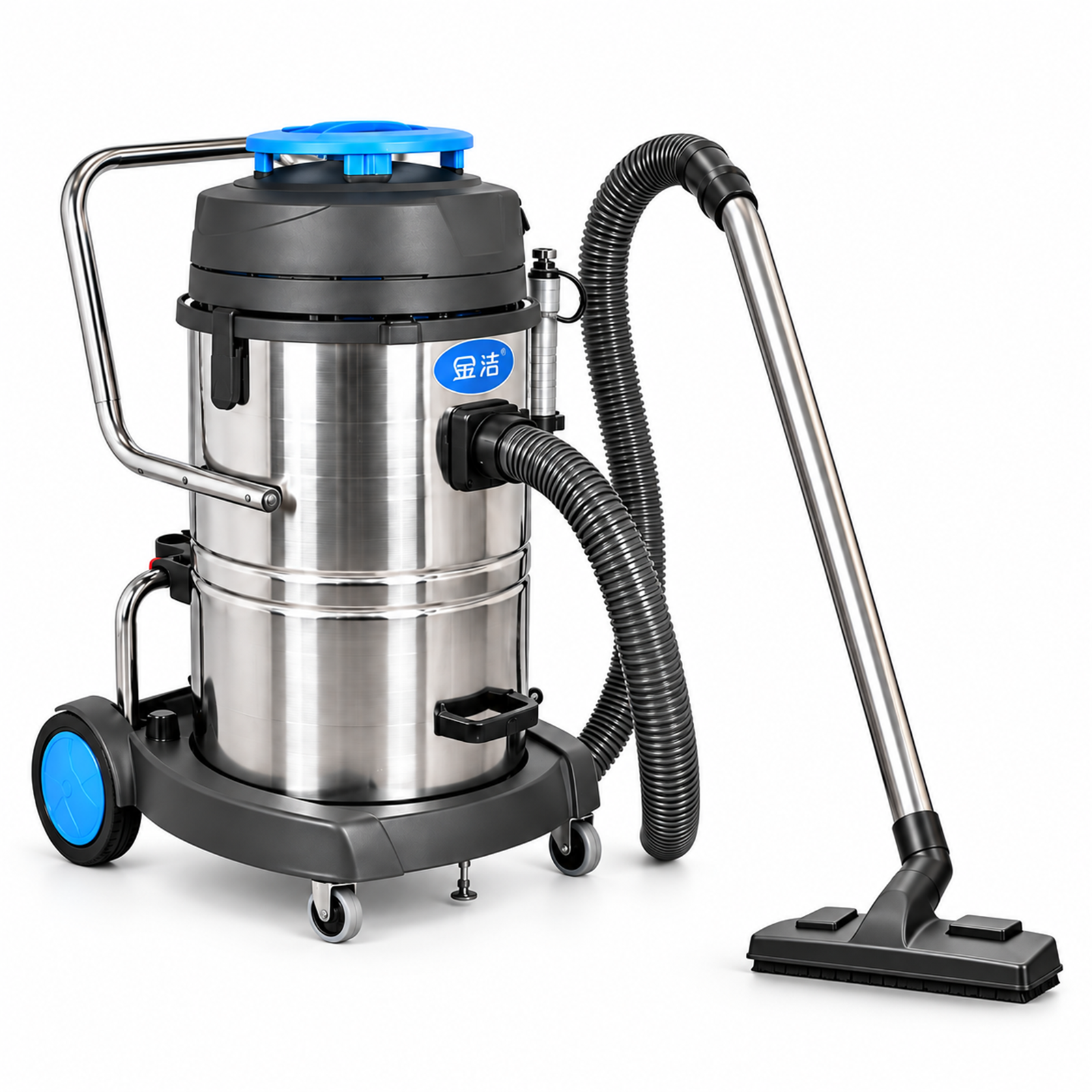 CL70-2C |
|---|---|---|---|
| Main tasks | Meeting room and public area dry/wet separation cleaning. | Wet and soiled area recovery in commercial mall public areas. | Rotating cleaning across multiple areas in office buildings |
| Configuration function. | Match dry suction with the allowed wet dirty recovery process. | Local recovery and waste removal should be isolated from pedestrian flow and integrated with waste collection. | Around the floor, the cleaning equipment is divided into different roles and is matched with the corresponding tools for suction and water removal. |
| Selection focus | Dry-wet conversion and filtration accessories | People flow isolation and waste disposal route. | Allocating work between floors and routing cables |
The main unit, actual attachments, tools, or consumables are compared according to the same list; optional accessories are not considered as standard fittings.
For spot recovery of spills in shopping-centre common areas, include operating time, travel between spills, pedestrian segregation and the route to the emptying point. Use a timed run to establish productivity.
Log shutdown and emptying, mode resets, consumable maintenance and disposal together. Use job records to estimate savings and payback.
Consider collection, disposal, and transfer conditions, and load restrictions as per the machine's instructions. Specific disassembly, maintenance cycles, and accompanying materials should be checked according to the machine's instructions.
Check electrical usage and start-stop operations according to the nameplate and actual configuration. Specific disassembly and maintenance cycles, as well as accompanying materials, should be verified against the machine's manual.
Before switching, check the filter and attachments to prevent incorrect suction of wet filter materials. Specifically, disassembly, maintenance cycles, and compatible materials should be verified according to the machine's instructions.
For the selected floor and medium, check for bends, leaks, and blockages. Specifically, disassembly, maintenance cycles, and compatible materials should be verified according to the machine's manual.
Recycling is allowed only if the medium is permitted; discharge and wastewater treatment shall be carried out according to on-site requirements. Specific disassembly and maintenance cycles, as well as accompanying materials, shall be checked against the machine's manual.
After power-off, clean the cleaning container, accessories, and seal, and specific disassembly is according to the instructions. Specific disassembly, maintenance cycle, and accompanying materials are verified according to the specifications of this machine.
Verify the model number, nameplate, random accessories, and delivery documents.
Understand the distinction between dry suction and wet suction and safety start/stop procedures as specified in the machine's manual.
Combine the wet waste recovery in the mall public area with on-site process communication based on usage conditions.
Check the parts according to the interface, material, and delivery version.
Please provide the fault symptoms and inspection records; service scope and schedule are according to the agreement.
Inspection content, service location, cost, and cycle are subject to actual agreement.
This machine is more suitable for dry dusting and localized wet cleaning in commercial building public areas, balancing recycling and pedestrian safety; first clarify the medium, attachments, and discharge route, without replacing the full brushing.
Local recovery should be isolated from pedestrian flow and waste collection, and the medium properties should be checked together with the filtration mode, power supply wiring, and process switching.
Dry-wet dual use does not imply suitability for any liquid; it does not replace brushing processes and does not handle unconfirmed corrosive, flammable, or hazardous media.
The reference model focuses on the dry-wet separation cleaning in meeting rooms and public areas, while this model emphasizes the localized wet stain recovery in commercial public areas. First, divide the processes and accompanying equipment, then compare the corresponding original specifications, without judging based on model numbers.
Verify the medium properties and filtration mode, water absorption attachments, floor materials and pedestrian traffic, discharge paths and wastewater treatment, power supply and wiring, and process switching. For complex conditions, combine small-scale tests with on-site evaluation.
Organize the task according to "distinguish dry suction from wet suction → verify filtration and tools → divide areas for collection and isolate pedestrian flow → stop the machine to empty and reset the mode"; the specific operations are determined by the on-site conditions and the machine's instructions.
First, focus on the body and control, brush disk needle seat, and wastewater and maintenance. Before servicing or disassembly, isolate the power as directed in the manual. Use the service interval specified for the model.
Provide photos of the public area dry dust cleaning and other site conditions, explain the task, existing equipment, and specific conditions for crowd isolation and waste disposal routes, and then determine whether this machine is suitable.
Please explain the local wet waste recovery task for the mall's public area, including the properties of the medium and the filtration mode, as well as the power supply layout and process switching. We will compare the on-site solution with the machine's configuration.
Phone consultation: 0755-25621811