
01 Intended use
Adaptation for stone polishing and maintenance.

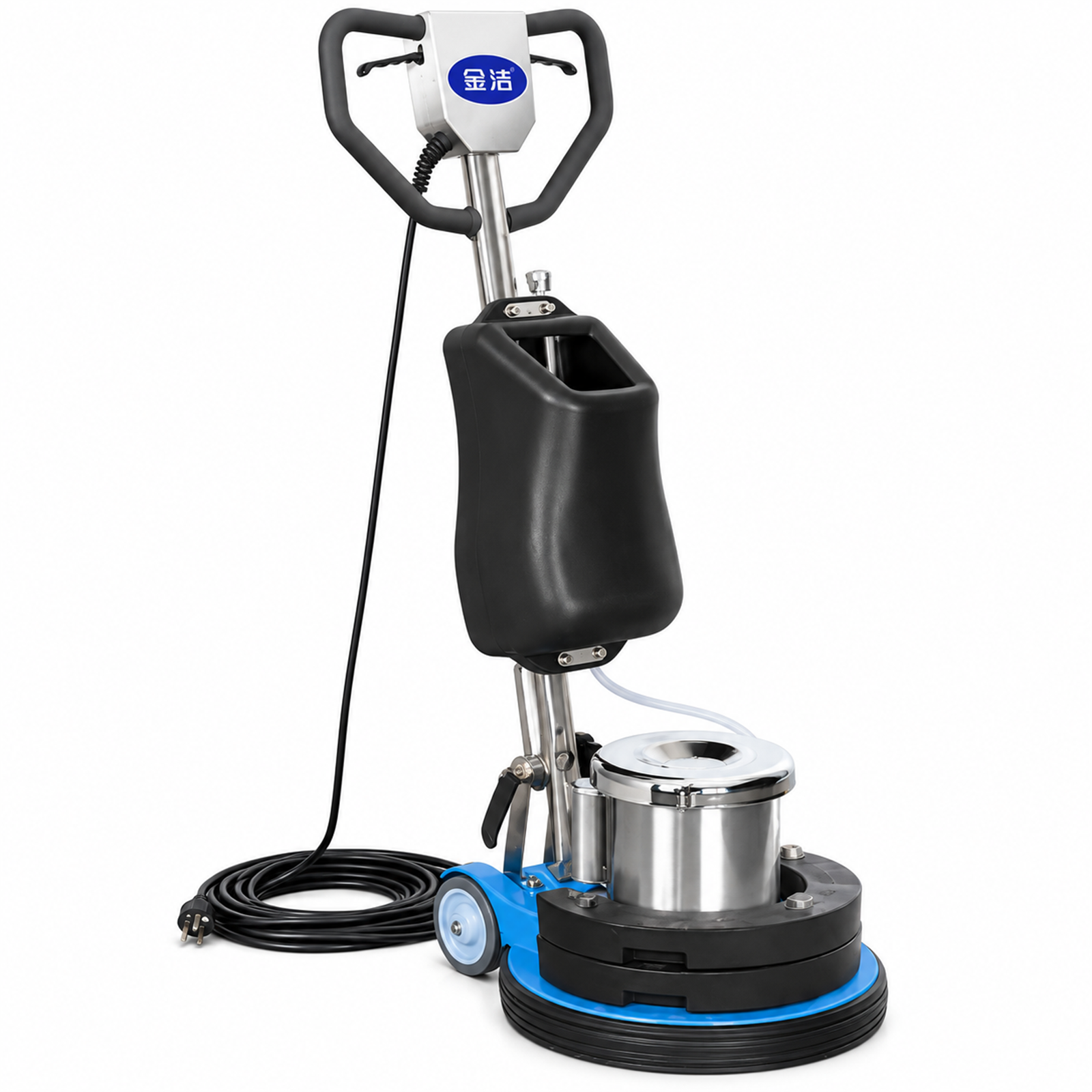
This machine is more suitable for the polishing and maintenance of commercial stone floors, with emphasis on checking the condition of the stone and the consumables process; deep scratches, damage, and structural issues are not handled according to ordinary maintenance.
Adaptation for stone polishing and maintenance.
Around stone surface matching crystal care process
The stone condition should be matched with the consumables, and the power and attachments should be checked according to the version of this machine.
The adaptation of stone polishing and maintenance requirements must clearly define the objects and work processes, and cannot be directly applied from similar equipment.
Around stone surface matching crystal care process; stone surface condition and consumables matching with on-site resources and personnel arrangement also affect usage.
First, arrange the inspection of the stone, damage checking, cleaning, and open inspection together to avoid only completing the intermediate steps.
Types and current condition of stone surfaces
Sources of scratches, damage, and contamination
Crystal surface consumables and chemicals compatibility
Crowd isolation and resumption of use.
| Field or task | Conditions that require verification | Selection check |
|---|---|---|
| Hotel lobby stone. | Types and current condition of stone surfaces | First confirm the type and current condition of the stone, then determine if the hotel lobby stone is suitable. |
| Commercial reception areas | Sources of scratches, damage, and contamination | With the premise of scratches, damage, and pollution sources, check the tools, operating methods, and risk boundaries. |
| Maintenance of the passenger elevator hall | Crystal surface consumables and chemicals compatibility | Include crystal surface consumables and agents adaptation into the on-site solution, not just compare individual specifications |
| Maintenance after renovation | Crowd isolation and resumption of use. | Combine the conclusion and handover of pedestrian isolation and resumption of use arrangements, and for complex conditions, test the machine or conduct on-site verification first. |
Crystal surface maintenance does not mean repairing deep scratches, damage, or structural issues; no commitment to all stone types being applicable or fixed gloss level.
The scenario is for illustrating the applicable conditions and is not a case of a completed customer or actual test results.
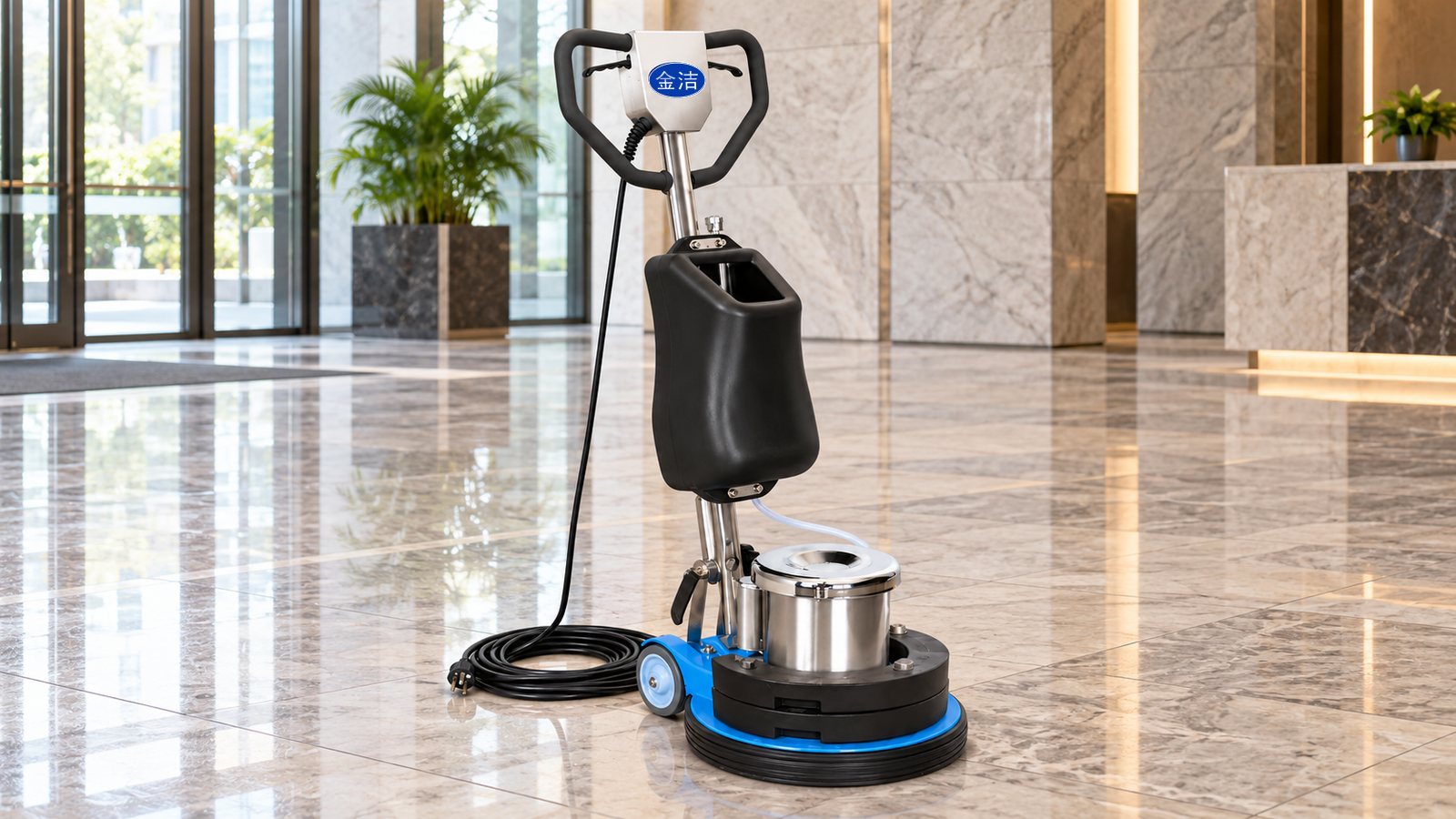
Assess periodic care of compatible natural stone in hotel lobbies, lift halls and reception areas.
View the corresponding scene description →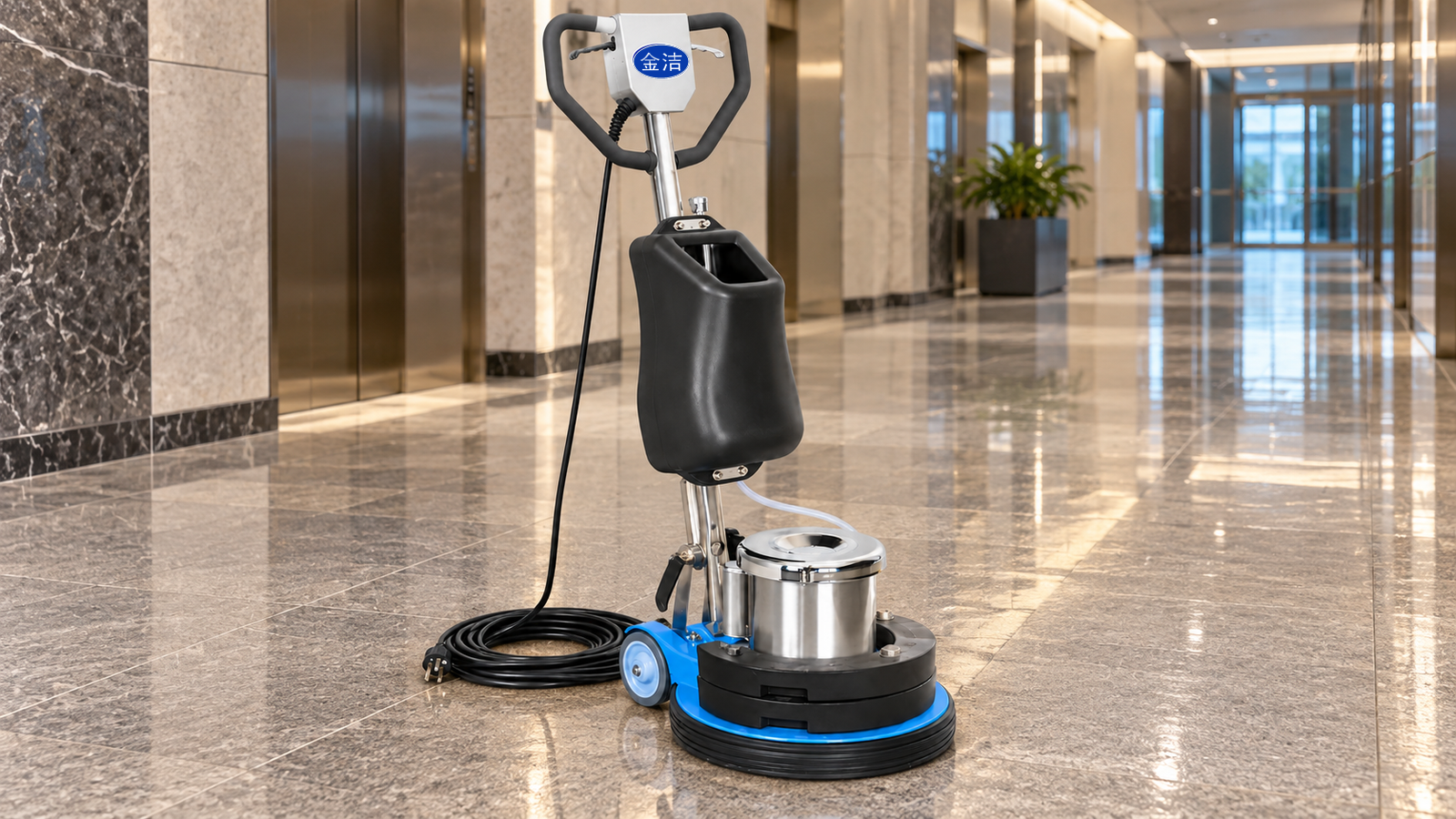
For high-traffic commercial stone floors that are prone to fogging and slipping, maintenance is recommended using appropriate consumables and chemicals.
View the corresponding scene description →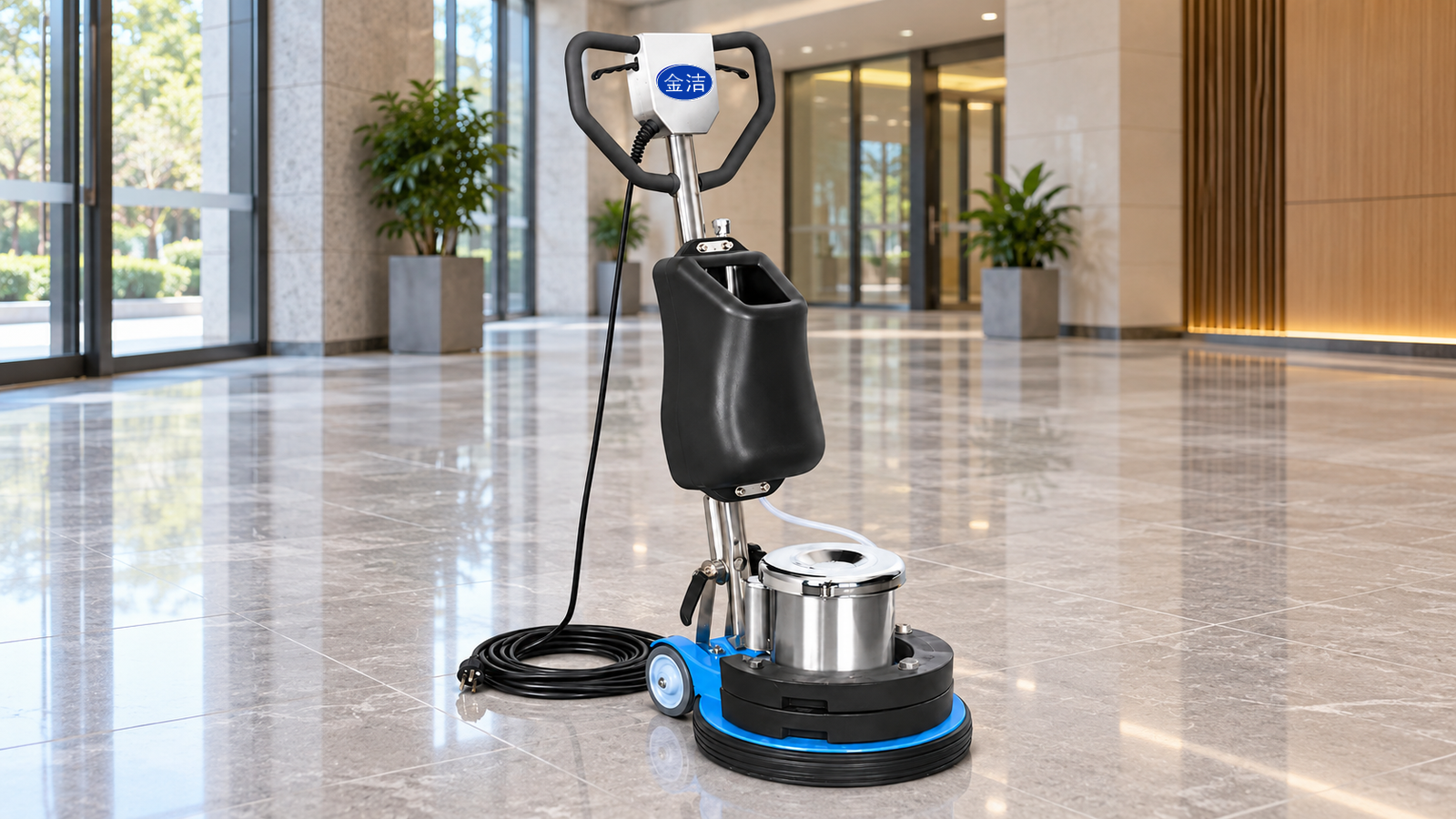
Assess crystallization in property or specialist stone projects after renovation or during maintenance.
View the corresponding scene description →Combine the image to understand the appearance, operation, or accessories of the machine; specific components and delivery configuration are subject to the corresponding documentation.

The first screen is for positioning; the complete specifications should be verified against the original data of the machine and the corresponding delivery version.
| Configuration item | Original page registration content |
|---|---|
| Working disc | 18 in |
| Rotation speed | 175 revolutions per minute |
| Water tank | 1 unit |
| Ballast weights | 2 pieces |
| Aluminium renovation disc | 1 unit |
| Pad driver | 1 unit |
| Horsepower listing | 2.5HP |
| Voltage | 220V / 50Hz |
| Power cord | 13m |
| Overall weight | 52kg |
| Working weight with ballast | About 80kg |
| Interior and exterior materials | Aluminum-plastic structure |
| Noise reference | ≤58dB |
Overall appearance of the machine and function explanation; 01-06 are explanatory indexes, and are not marked for unverified internal coordinates.
Plan the maintenance route according to the stone area and operating space.
Compare the machine's work panel with the actual consumables, and do not borrow parts from other equipment.
The weight, start-stop, and operation should follow the instructions in this machine manual. Do not add extra weight on your own.
Chemical agents and mats are compatible with stone surfaces; start with a small area for testing.
Cleaning, maintenance, and open inspection should be coordinated. Structural damage should be assessed separately.
Clean consumables, accessories, and cables after power-off.
Combine the image to understand the appearance, operation, or accessories of the machine; specific components and delivery configuration are subject to the corresponding documentation.
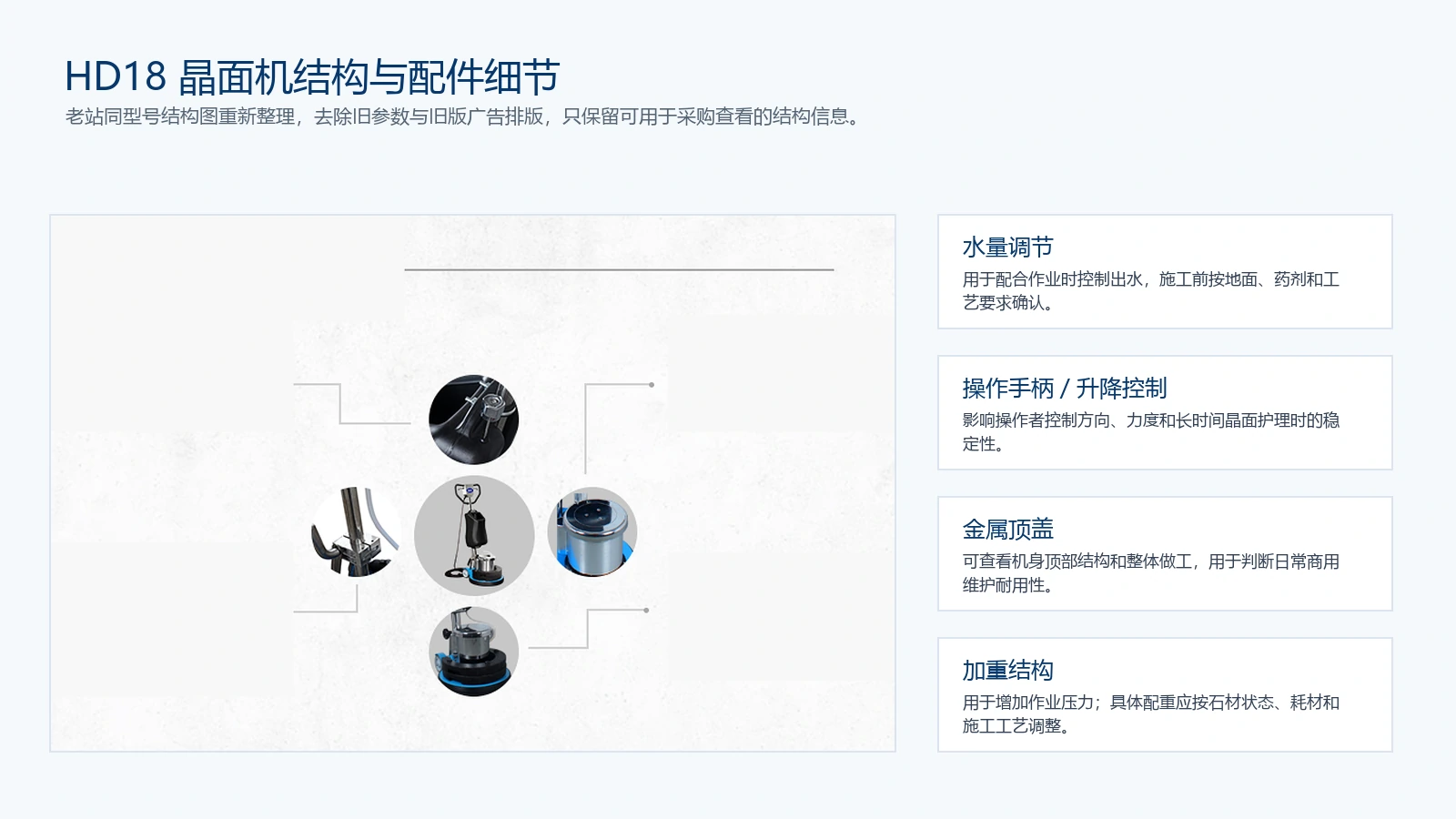
The work process is used to explain the process and personnel coordination, and does not replace the machine operation instructions and internal structure documents.
Types and current condition of stone surfaces, and execute according to this machine's instructions and on-site conditions.
Identify sources of scratches, damage, and contamination, and carry out actions according to the machine's instructions and on-site conditions.
Crystal surface consumables and chemicals are compatible and executed according to the machine's specifications and on-site conditions.
Isolation and resumption of pedestrian traffic, and execution according to the machine instructions and on-site conditions.
Around stone surface matching crystal care process; the stone type and current condition should be judged together with pedestrian isolation and recovery usage.
Crystal surface maintenance does not mean repairing deep scratches, damage, or structural issues; no commitment to all stone types being applicable or fixed gloss level.
Check against the actual attachments, interfaces, materials, or control requirements of the machine, and do not list optional components as standard configurations.
This model is centered. Left and right are real configurations or process references; different tasks are not simply high or low settings, and cannot be judged solely by the model number.
| Comparison criteria | 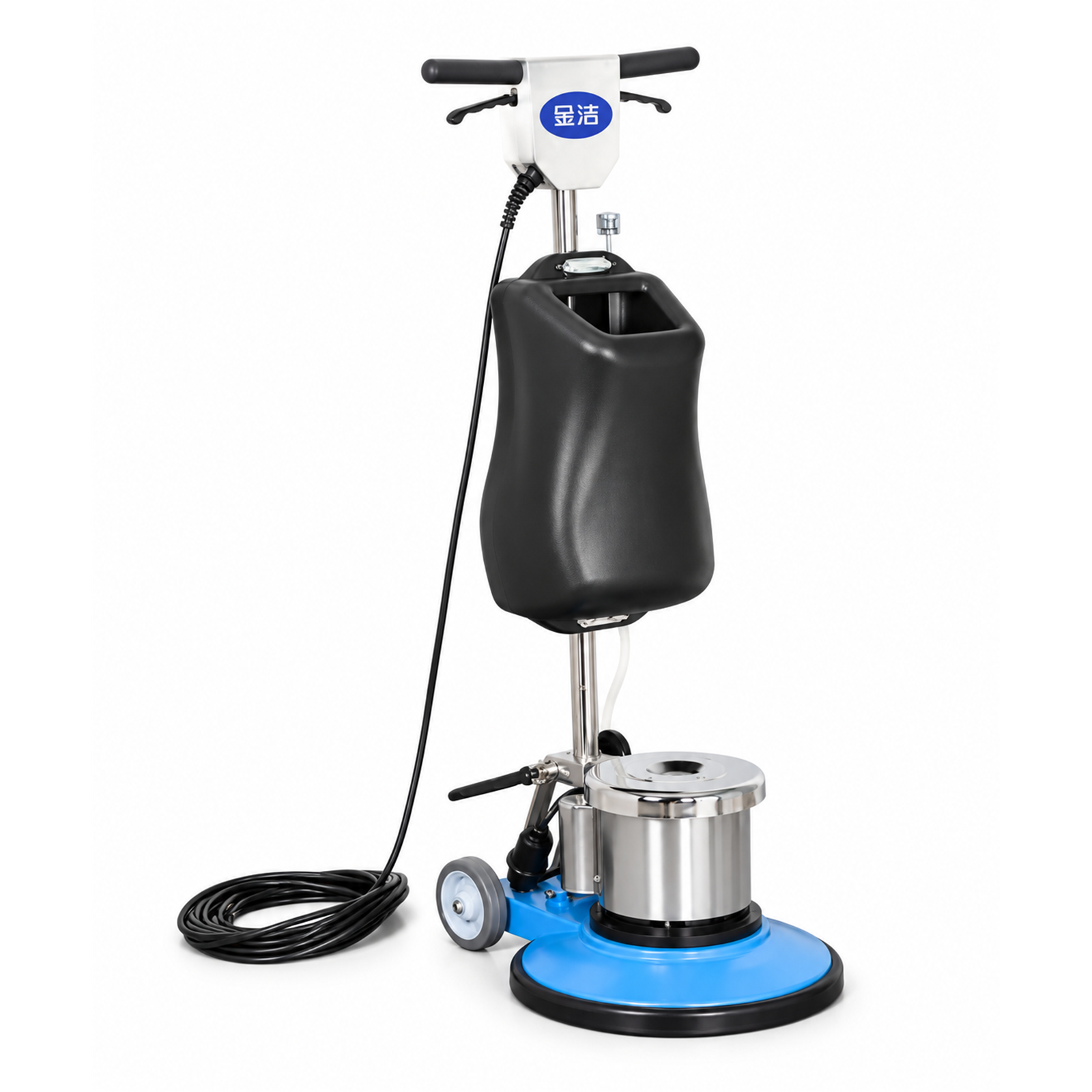 CD17D | HD18 | 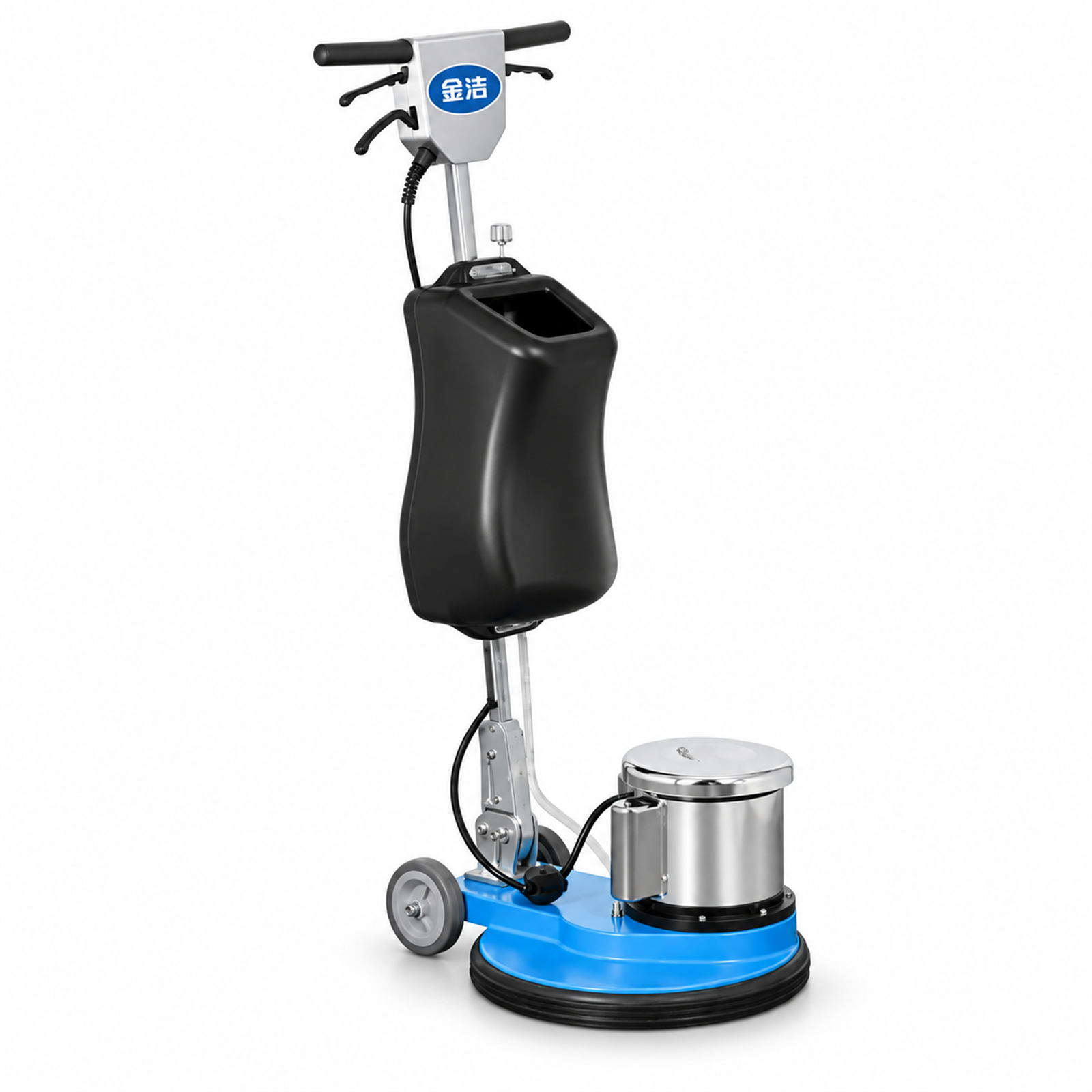 CD17P |
|---|---|---|---|
| Main tasks | Washing and basic care of hard surfaces | Adaptation for stone polishing and maintenance. | Washing and periodic care of hard surfaces |
| Configuration function. | The main unit is matched with the brush disk, needle seat, and cleaning consumables according to the process. | Around stone surface matching crystal care process | orbital action mode compatible with the corresponding brush disk and consumables |
| Selection focus | Multi-process accessories and sludge post-treatment. | Stone condition and consumable compatibility | Floor surface, process, and accessories compatibility |
| Power supply | 220V / 50Hz | 220V / 50Hz | Verify the configuration of this model independently |
| Work components. | 430mm | 18 in | Verify the configuration of this model independently |
The main unit, actual attachments, tools, or consumables are compared according to the same list; optional accessories are not considered as standard fittings.
Include the operations, transitions, and stone surface condition related to stone polishing and maintenance, as well as material matching, into the preparation, without using nominal numbers to estimate actual output.
Record the cleaning and opening inspection, consumable maintenance, and disposal arrangements together, without setting a fixed cost-saving ratio or payback period.
Arrange the maintenance route according to the stone area and operating space. Specifically, check the disassembly and maintenance cycle as well as the accompanying materials according to the machine manual.
Check against the machine's work panel and actual consumables, do not use parts from other equipment.
Follow this machine's instructions for counterweights, starting, stopping and operation. Do not add weight yourself. Use the manual to check disassembly procedures, maintenance intervals and compatible materials.
Chemical agents and mats are compatible with stone surfaces; start with a small area for testing. Specific disassembly, maintenance cycles, and compatible materials should be verified according to the machine's manual.
Cleaning, maintenance, and open inspection should be coordinated. Structural damage should be assessed separately. Specific disassembly, maintenance schedule, and accompanying materials should be checked against the machine's manual.
Switch off and isolate the power before cleaning and inspecting consumables, attachments and cables. Follow the model manual for removal, refitting, service intervals and compatible materials.
Verify the model number, nameplate, random accessories, and delivery documents.
Follow the machine instructions to check the stone and damage, and to start and stop safely.
Adapt the sweeper and floor scrubber to the conditions of stone polishing and maintenance, and coordinate with on-site procedures.
Check the parts according to the interface, material, and delivery version.
Please provide the fault symptoms and inspection records; service scope and schedule are according to the agreement.
Inspection content, service location, cost, and cycle are subject to actual agreement.
This machine is more suitable for the polishing and maintenance of commercial stone floors, with emphasis on checking the condition of the stone and the consumables process; deep scratches, damage, and structural issues are not handled according to ordinary maintenance.
Around stone surface matching crystal care process; the stone type and current condition and pedestrian isolation and recovery usage should be checked together.
Crystal surface maintenance does not mean repairing deep scratches, damage, or structural issues; no commitment to all stone types being applicable or fixed gloss level.
The reference model focuses on hard floor cleaning and basic maintenance, while this model is designed for stone polishing and maintenance. First, separate the processes and accompanying equipment, then compare the corresponding original specifications, without judging based on model numbers.
Check the type and current condition of the stone, scratches, damage, and pollution sources, and ensure the compatibility of crystal surface consumables and chemicals. For complex conditions, conduct small-scale tests and on-site assessments.
Organize the task according to "Check stone and damage → Match consumables and trial work → Zone crystal surface care → Cleaning and opening check"; the on-site situation and machine instructions will jointly determine the specific operations.
First, focus on the main unit and positioning, weight distribution and control, as well as maintenance and storage. Before servicing or disassembly, isolate the power as directed in the manual. Use the service interval specified for the model.
Provide photos of the stone areas in the hotel lobby, explain the task, the existing equipment, and the specific conditions for matching the stone surface and consumables, and then determine whether this machine is suitable.
Please describe your stone polishing and maintenance task for the stone surface, including the type of stone and its current condition, as well as pedestrian isolation and restoration of use. We will compare the on-site solution with the configuration of this machine.
Phone consultation: 0755-25621811