
01 Intended use
Dry dust maintenance on open routes indoors
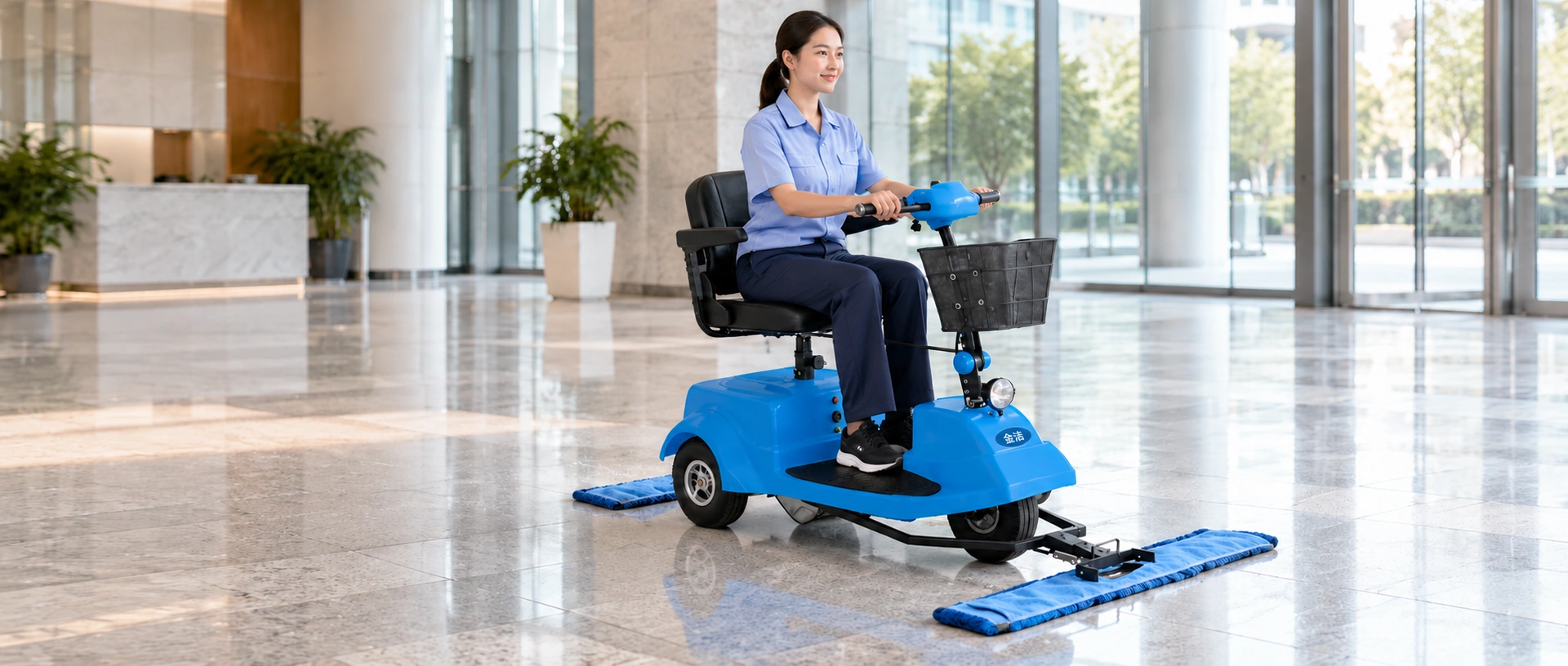
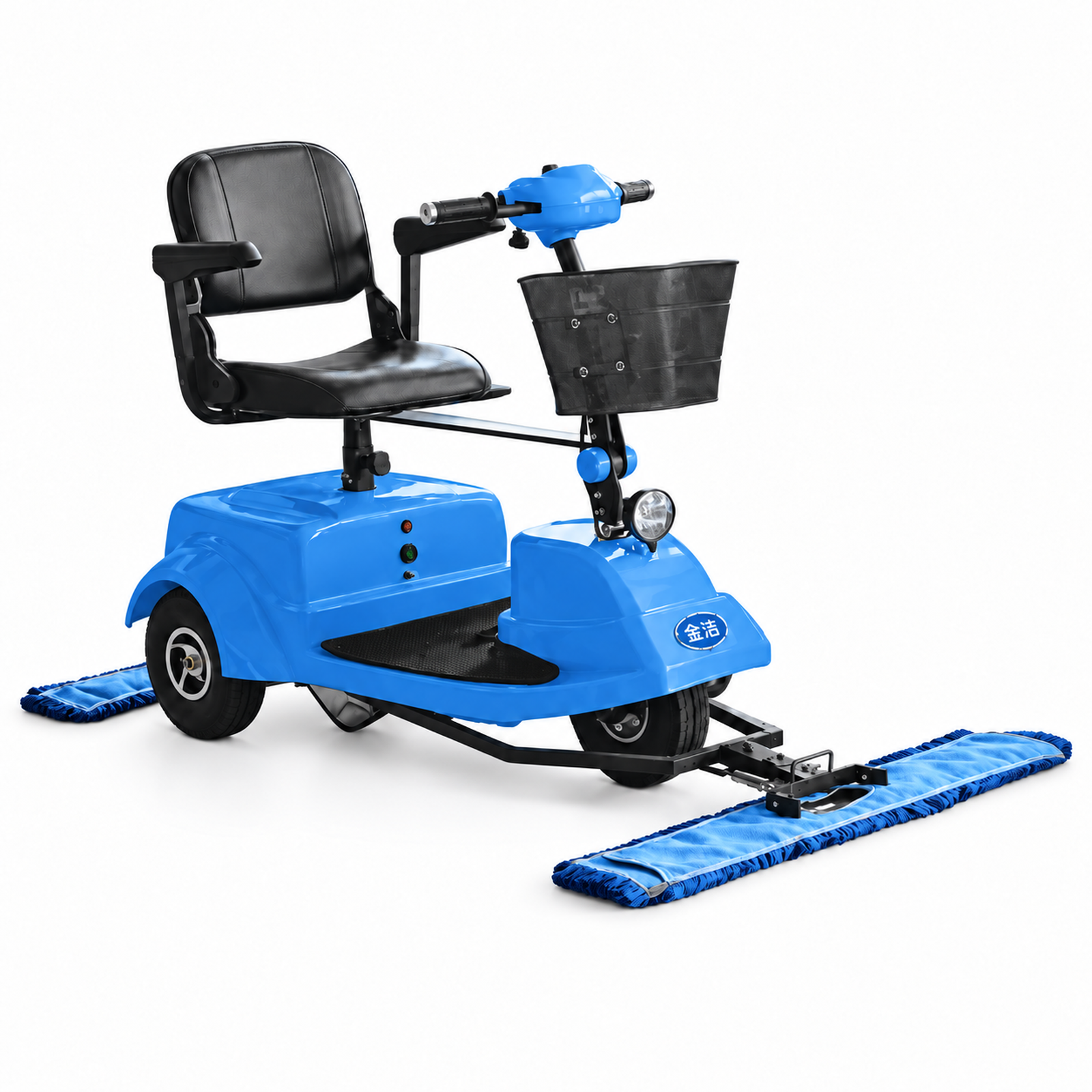
This machine is more suitable for daily dry dust maintenance on indoor open hard floors, with a three-wheel layout combined with front and rear dust brushes; the selection should verify the sweeping range around corners, and it is not recommended for wet floor scrubbers.
Dry dust maintenance on open routes indoors
The three-wheel chassis carries front and rear dust mops.
Corner and dust mop sweeping range, power and attachments should be checked according to the model of this machine.
Floor dry, level, and free of loose objects.
Whole machine and dust mop extension range
Corners, doorways, and peak traffic times
dust mop consumables and filter collection
Dry dust maintenance on open routes indoors requires separate clarification of objects and work procedures and cannot be directly applied from similar equipment.
Three-wheel layout combined with front and rear dust mops for operation; cornering and dust mop sweeping range also affect usage, along with on-site resources and personnel arrangements.
First, confirm that the floor is dry and remove large items before cleaning the dust mop and storing it together, and arrange this to avoid only completing the intermediate steps.
Floor dry, level, and free of loose objects.
Whole machine and dust mop extension range
Corners, doorways, and peak traffic times
dust mop consumables and filter collection
| Field or task | Conditions that require verification | Selection check |
|---|---|---|
| Hard floor dry dusting in a mall. | Floor dry, level, and free of loose objects. | First, confirm that the floor is dry, level, and free of loose debris, then determine if the hard floor is suitable for dry dusting in the mall. |
| Hotel public area route. | Whole machine and dust mop extension range | Check the tools, work methods, and risk boundaries based on the overall machine and the extension range of the dust mop head. |
| Office public passages | Corners, doorways, and peak traffic times | Incorporate corners, doorways, and peak traffic times into the on-site plan, rather than just comparing individual specifications. |
| Maintenance of flat indoor hard floors | dust mop consumables and filter collection | Combine dust mop consumables with filter cleaning storage arrangement for closing and handover, and test or on-site verification for complex conditions. |
dust mop is suitable for flat, dry hard surfaces, does not replace brushing, water extraction, or large particle cleaning; turning should be verified for overall sweeping range.
The scenario is for illustrating the applicable conditions and is not a case of a completed customer or actual test results.
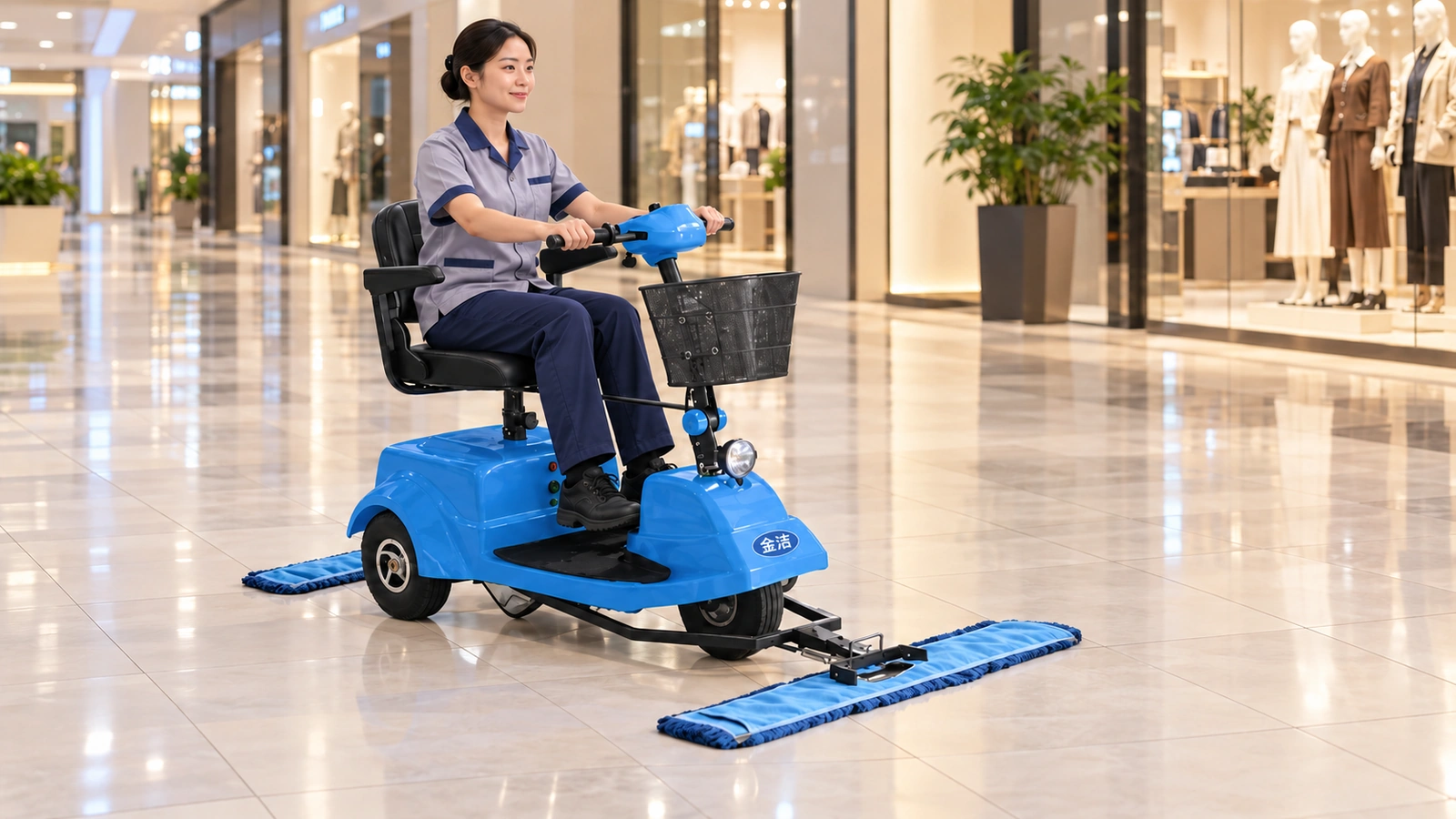
Remove bulky debris before opening, then maintain main aisles and corners in sections. Keep the route separate from customers and clean loaded mop heads promptly.
View the corresponding scene description →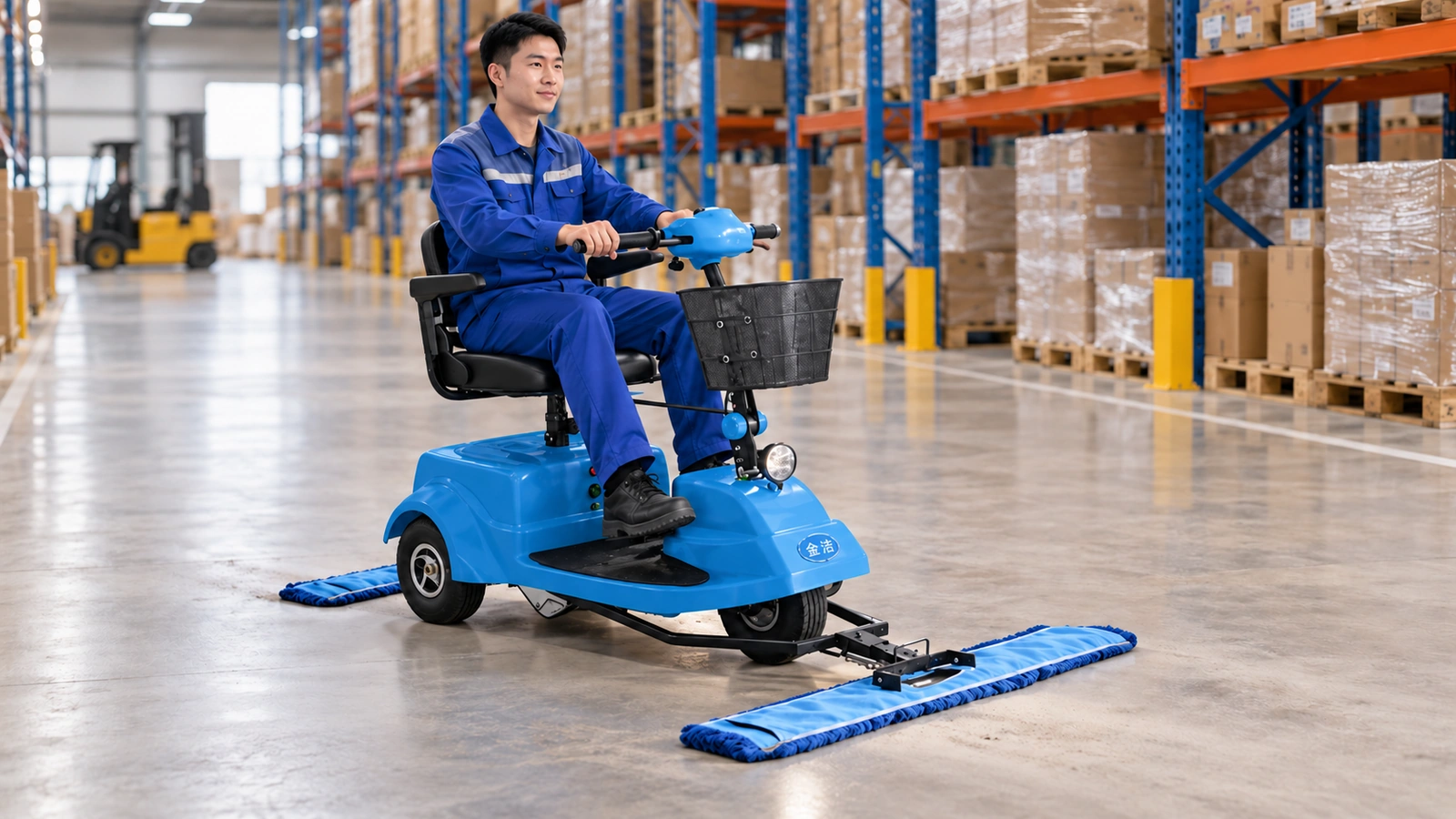
Separate the dust-maintenance route from forklifts and loading. Check rack-aisle and turning clearance; handle permitted ordinary dry dust rather than bulky waste.
View the corresponding scene description →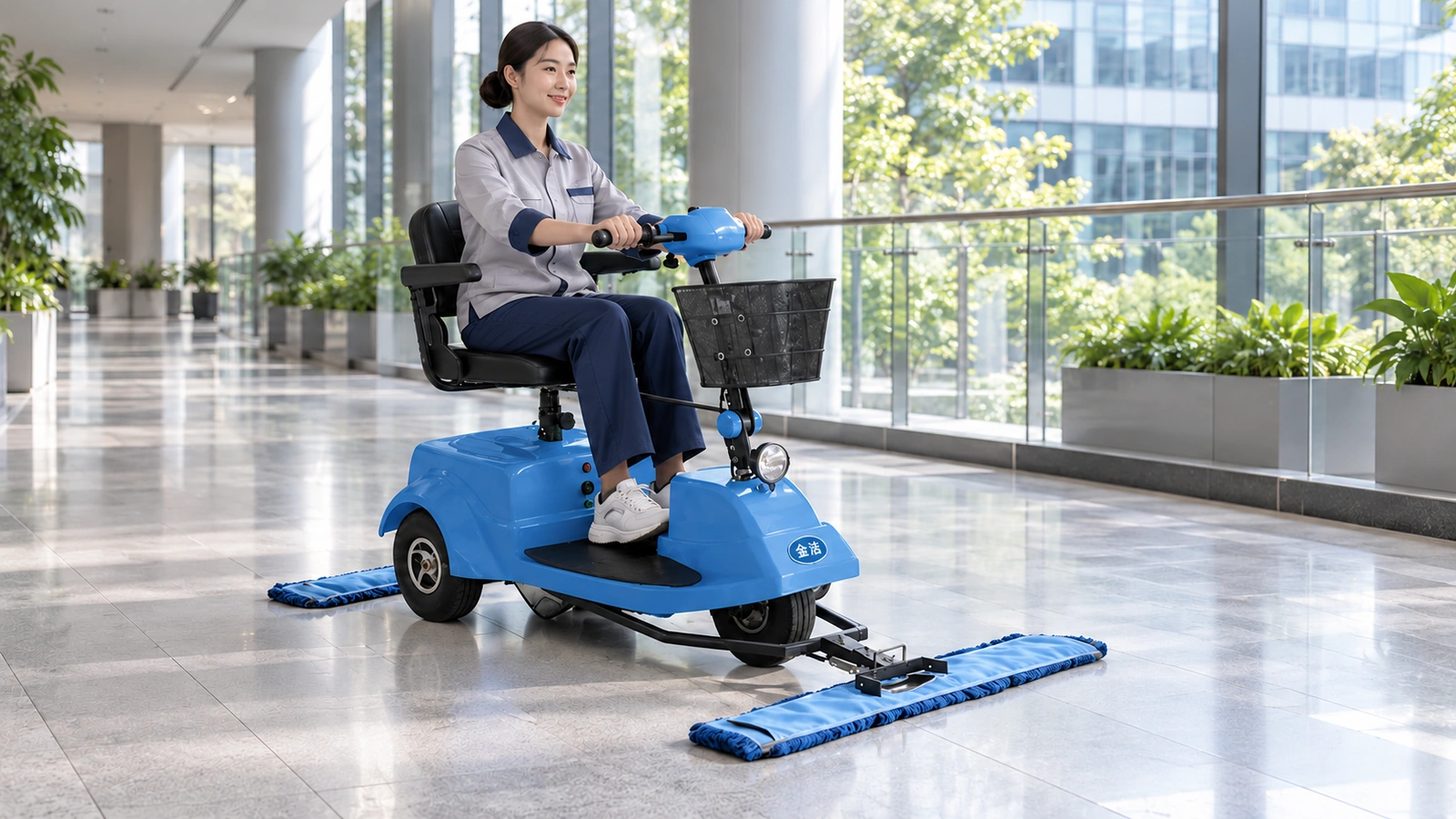
Schedule routine lobby and corridor rounds during quiet periods. Check turns, entrances and edges first, and finish inaccessible corners with suitable tools.
View the corresponding scene description →The first screen is for positioning; the complete specifications should be verified against the original data of the machine and the corresponding delivery version.
| Configuration item | Original page registration content |
|---|---|
| Cleaning width | 900mm |
| Wheel layout and size class | Three-wheel / large |
| Seat | Adjustable |
| Nominal range | 35km |
| Nominal operating time | 6–8h |
| Nominal maximum climbing angle | 12° ± 1° |
| Motor output | 450W |
| Ground clearance | 100mm |
| Nominal cleaning efficiency | 7200㎡/h |
| Battery | 24V / 44Ah |
| Brake system | Electromagnetic brake |
| Drive arrangement | Rear-wheel drive |
| Vehicle weight | 76kg |
| Rated carried load | 100kg |
| Transmission | Rear-wheel gear transmission with differential |
Overall appearance of the machine and function explanation; 01-06 are explanatory indexes, and are not marked for unverified internal coordinates.
Organize internal routes according to the machine's overall outline, floor conditions, and driving requirements.
Include the extension of the front component into the door, corners, and personnel clearance.
Check the rear sweep and consumables status, not just the vehicle width.
Check the connection arm, fixed or clamping plate according to the machine version.
Adjust according to size and match with fixed and floor material, and promptly clean the attached substances.
Check the electrical, start-stop, and wheel group according to the instructions, and maintain consumables after shutdown.
The work process is used to explain the process and personnel coordination, and does not replace the machine operation instructions and internal structure documents.
Ensure the floor is dry, level, and free of loose debris, and follow the instructions of this machine and the on-site conditions.
Whole machine and dust mop extension range, and executed according to the machine's instructions and on-site conditions.
Turn corners, at doorways, and during peak pedestrian times, and execute according to the machine's instructions and on-site conditions.
dust mop consumables and filter collection, and execute according to this machine's instructions and on-site conditions.
Three-wheel layout combined with front and rear dust mop components for operation; the ground must be dry, flat, and free of scattered debris, along with the dust mop consumables and filter cleaning storage.
dust mop is suitable for flat, dry hard surfaces, does not replace brushing, water extraction, or large particle cleaning; turning should be verified for overall sweeping range.
Check against the actual attachments, interfaces, materials, or control requirements of the machine, and do not list optional components as standard configurations.
This model is centered. Left and right are real configurations or process references; different tasks are not simply high or low settings, and cannot be judged solely by the model number.
| Comparison criteria | 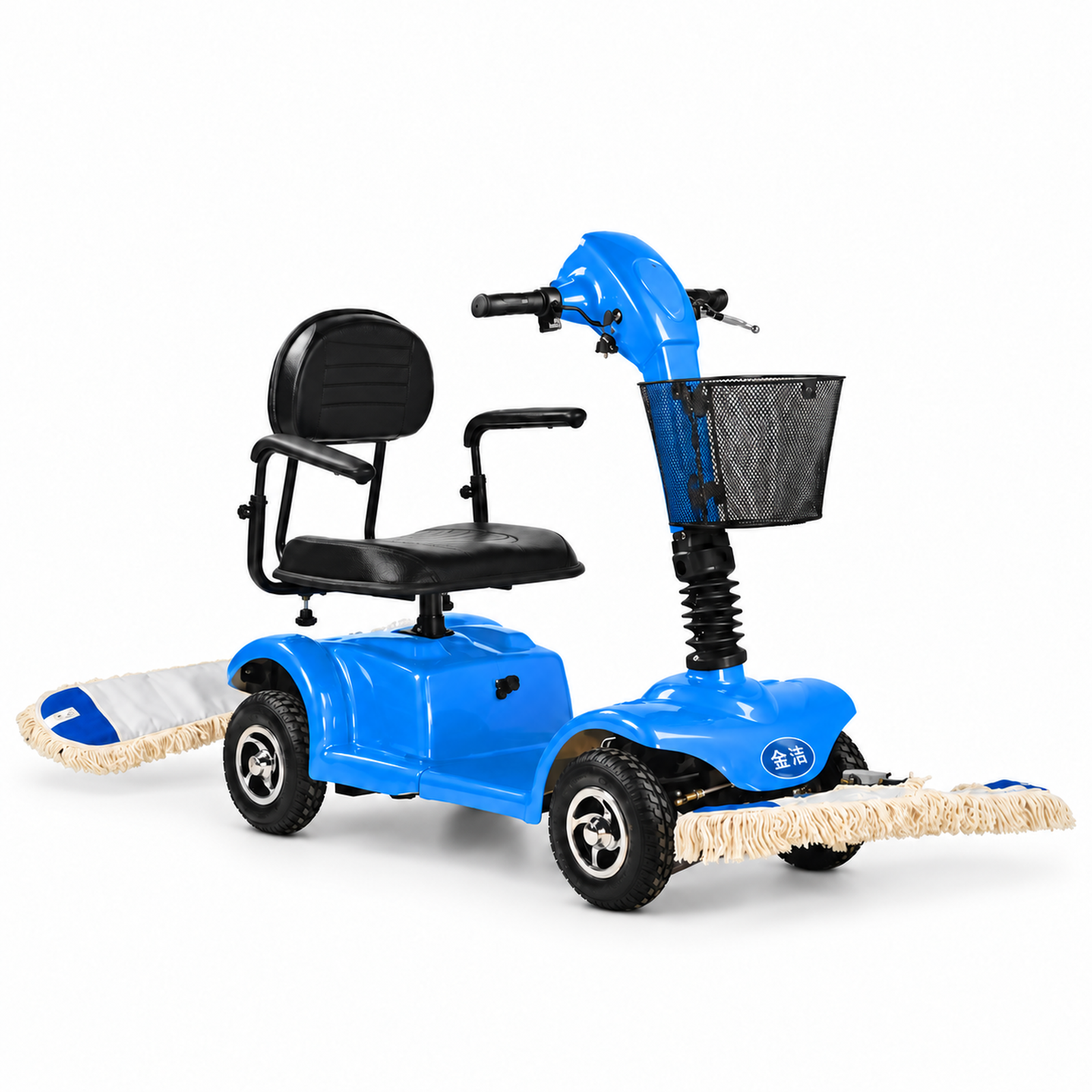 J-101 | J-380 | 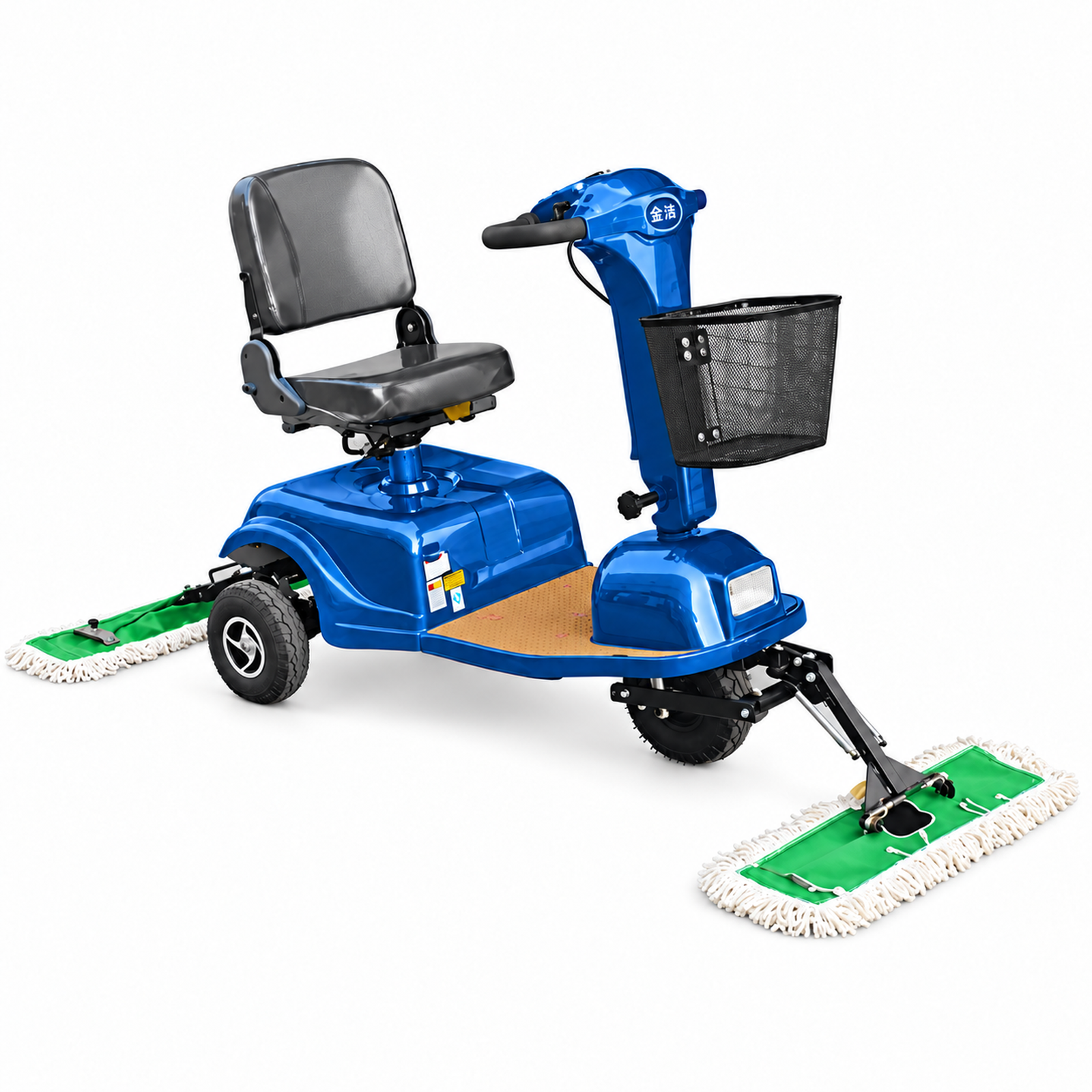 J-390 |
|---|---|---|---|
| Main tasks | Compact area division dry dust maintenance | Dry dust maintenance on open routes indoors | Maintenance of hard floor surfaces with pressure boards using dust mop |
| Configuration function. | Four-wheel layout combined with front and rear dust brushes to organize partitioned routes | The three-wheel chassis carries front and rear dust mops. | The front and rear lower metal plates are matched with the corresponding dust mop consumables. |
| Selection focus | dust mop outline and indoor passage | Corner and dust mop sweeping range. | Connection arm, clamping plate, and consumables compatibility |
| Work components. | 600mm | 900mm | 900mm |
The main unit, actual attachments, tools, or consumables are compared according to the same list; optional accessories are not considered as standard fittings.
Include the operation of dry dust maintenance on open indoor routes, turning the vehicle, and cornering related to the dust mop's sweeping range in the preparation, without using nominal numbers to estimate actual output.
Record the shutdown cleaning and storage of the dust mop, as well as the maintenance and disposal arrangements for consumables, without specifying a fixed cost-saving ratio or payback period.
Organize internal routes according to the machine's overall outline, floor conditions, and driving requirements. Specifically, check the disassembly and maintenance schedule, as well as the accompanying materials, according to the machine's manual.
Include the extension of the front component into the door, corners, and personnel clearance. Specifically, disassembly, maintenance cycles, and accompanying materials should be checked according to the machine's instructions.
Check the rear sweep and consumables status, not just the vehicle width. Specifically, disassembly and maintenance cycles, as well as compatible materials, should be verified according to the machine's manual.
Check the connection arm, fixed or clamping plate according to the machine version. Specific disassembly, maintenance cycles and matching materials should be checked according to the machine instructions.
According to size, fixed and floor material compatibility, promptly clean the attached substances. Specifically, disassembly, maintenance cycles, and accompanying materials should be checked against the machine's instructions.
Check the electrical, start-stop, and wheel group according to the instructions, and maintain consumables after shutdown. Specifically, the disassembly, maintenance cycle, and accompanying materials should be verified according to the machine's instructions.
Verify the model number, nameplate, random accessories, and delivery documents.
Follow the machine instructions to confirm that the floor is dry and that large items are removed before starting and stopping the machine safely.
Combine indoor open area dry dust maintenance with on-site process communication under the usage conditions.
Check the parts according to the interface, material, and delivery version.
Please provide the fault symptoms and inspection records; service scope and schedule are according to the agreement.
Inspection content, service location, cost, and cycle are subject to actual agreement.
This machine is more suitable for daily dry dust maintenance on indoor open hard floors, with a three-wheel layout combined with front and rear dust brushes; the selection should verify the sweeping range around corners, and it is not recommended for wet floor scrubbers.
Three-wheel layout combined with front and rear dust mop components for operation; the ground must be dry, flat, and the scattered debris, dust mop consumables, and filter cleaning storage must be checked together.
dust mop is suitable for flat, dry hard surfaces, does not replace brushing, water extraction, or large particle cleaning; turning should be verified for overall sweeping range.
The reference model focuses on compact indoor area dry dust maintenance, while this model emphasizes dry dust maintenance along open indoor routes. First, divide the processes and accompanying equipment, then compare the corresponding original specifications, without judging by the model number.
Check the floor for dryness, flatness, and scattered debris; inspect the entire machine and the extension range of the dust mop head, corners, doorways, and peak traffic times; check the dust mop consumables and filter cleaning storage. In complex conditions, combine small-area testing with on-site evaluation.
Organize the task according to "Confirm dry ground and remove large items → Check consumables and overall outline → Isolate and drive the dust mop in a designated area → Stop the machine, clean the dust mop, and store it". The specific operations are determined jointly by the site and the machine.
Prioritize attention to driving and vehicle body, rear dust mop, and operation and maintenance. Before servicing or disassembly, isolate the power as directed in the manual. Use the service interval specified for the model.
Provide photos of the mall hard floor dusting areas, explaining the task, existing equipment, and specific conditions of corners and dust mop sweeping ranges, and then determine whether this machine is suitable.
Please describe your indoor open area dry dust maintenance task, including ground dryness, flatness, and scattered debris, as well as the dust mop consumables and filter cleaning storage. We will compare the on-site solution in conjunction with the machine's configuration.
Phone consultation: 0755-25621811