
01 Intended use
Reduction of pruning branches in the garden
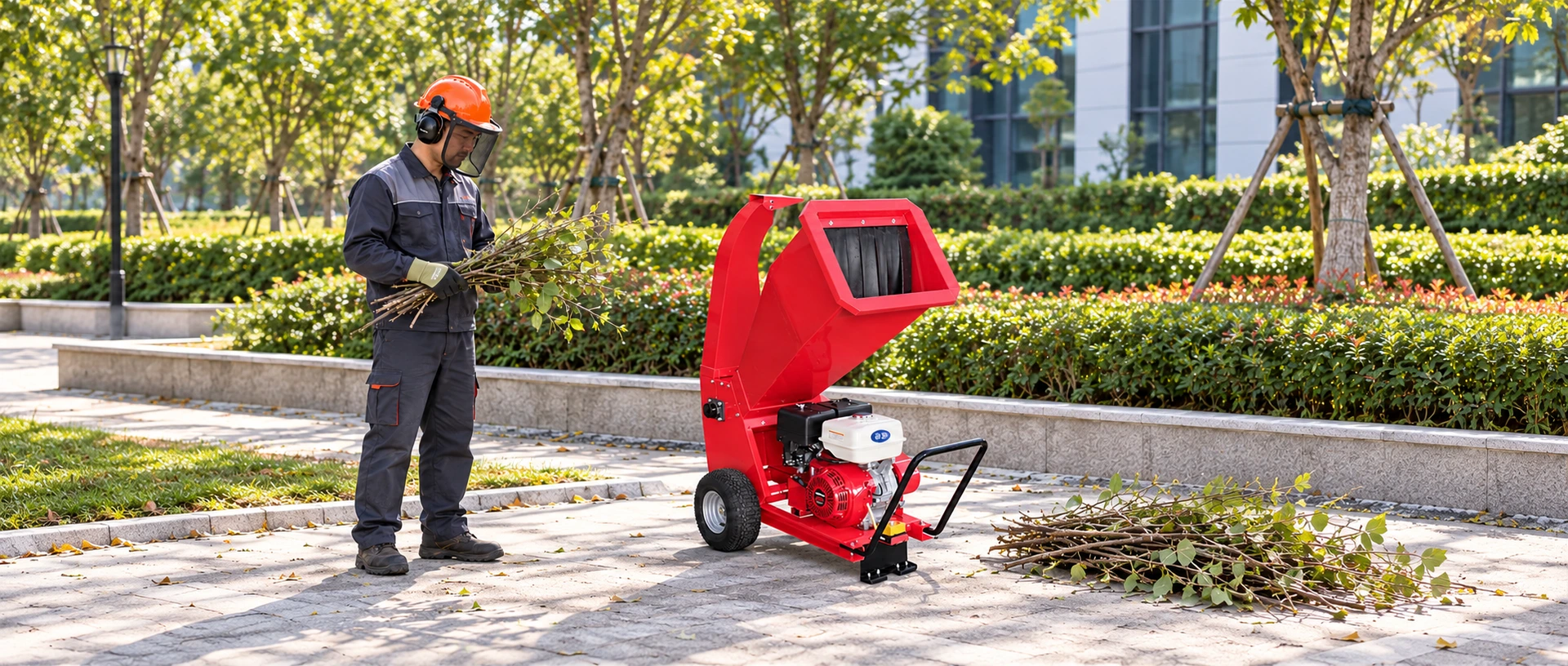

Use the machine to reduce the bulk of garden prunings before collection and transfer. Check the branches and feeding conditions against the machine's limits. Other materials require a separate assessment.
Reduction of pruning branches in the garden
Organize branch handling according to allowed materials and feeding conditions.
Branching application range and feeding safety, power and attachments should be checked according to the model version of this machine.
Watch branch chipping and discharge with the JC-80H, then confirm the configuration for the material and site.
Allow branch diameter, tree species, branch, and dry/wet.
Feed zone, guard, and personnel isolation.
Foreign object sorting and material stacking
Discharge, collection, and subsequent transportation
The capacity for pruning branches in a garden requires specific clarification of the object and work process, and cannot be directly applied from similar equipment.
Organize branch handling according to allowed materials and feeding conditions; the application range of branches, feeding safety, and on-site resources and personnel arrangements have the same impact on usage.
First, arrange to check the branches and foreign objects, and perform a machine stop check and waste removal together, to avoid only completing the intermediate process.
Allow branch diameter, tree species, branch, and dry/wet.
Feed zone, guard, and personnel isolation.
Foreign object sorting and material stacking
Discharge, collection, and subsequent transportation
| Field or task | Conditions that require verification | Selection check |
|---|---|---|
| Post-pruning processing in the garden | Allow branch diameter, tree species, branch, and dry/wet. | First, confirm the branch diameter, tree species, branching, and dryness, then determine if the post-pruning processing is suitable. |
| Concentrated points of branches in a park | Feed zone, guard, and personnel isolation. | With the feed zone, guard, and personnel isolation as prerequisites, verify the tools, work methods, and risk boundaries. |
| Campus grounds maintenance | Foreign object sorting and material stacking | Incorporate foreign object sorting and material stacking into the on-site plan, not just compare individual specifications. |
| Branch reduction after transfer. | Discharge, collection, and subsequent transportation | Combine discharge, collection, and subsequent loading arrangements for closure and handover. In complex conditions, trial operation or on-site verification should be conducted first. |
Do not infer allowable branch diameter from the model number; do not process stones, metals, ropes, or unverified materials; do not provide on-the-go blockage clearing operations.
The scenario is for illustrating the applicable conditions and is not a case of a completed customer or actual test results.
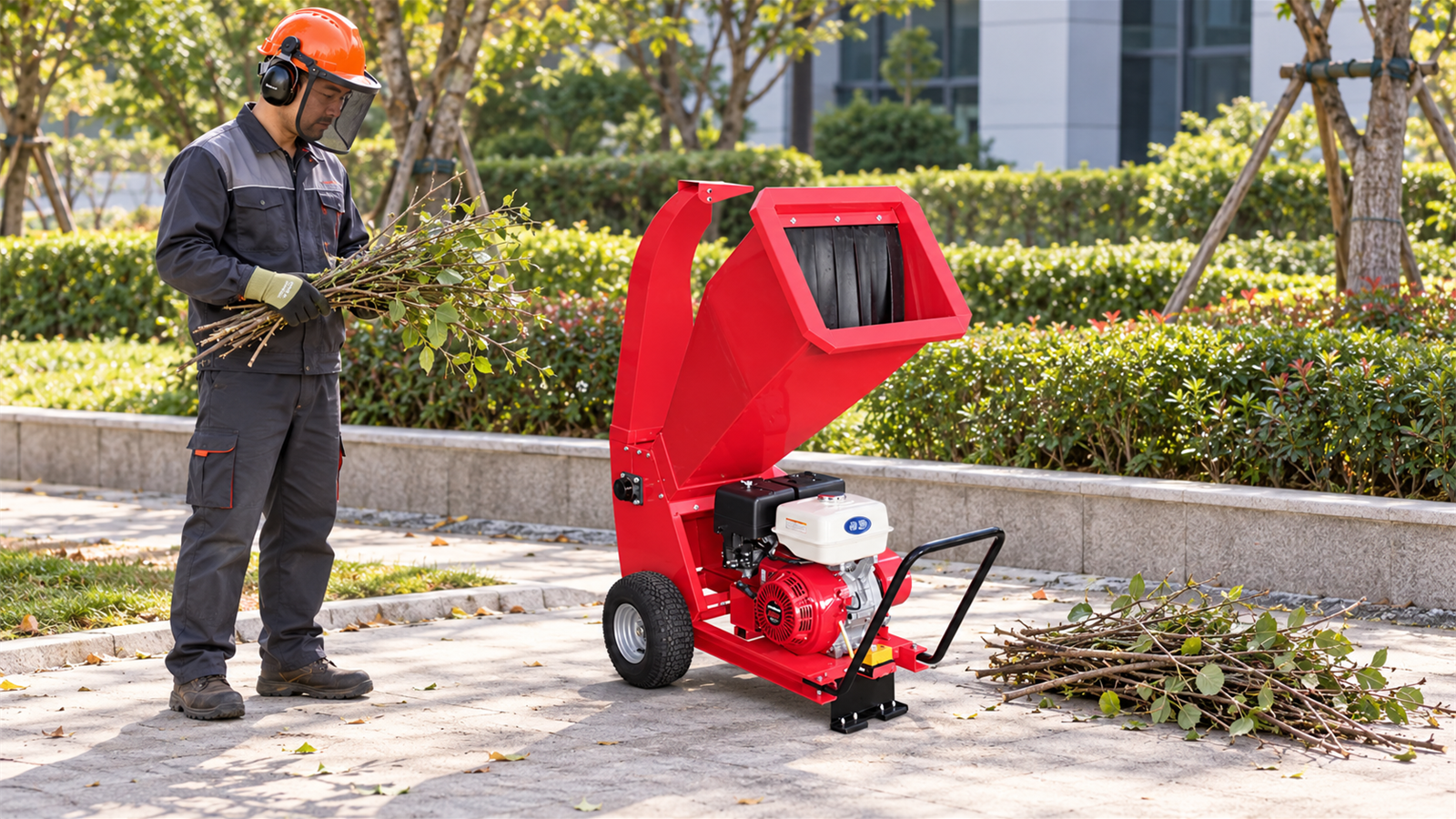
Separate permitted branches from stones and metal, then check materials and the work area before planning size reduction to reduce wrong-material stoppages.
View the corresponding scene description →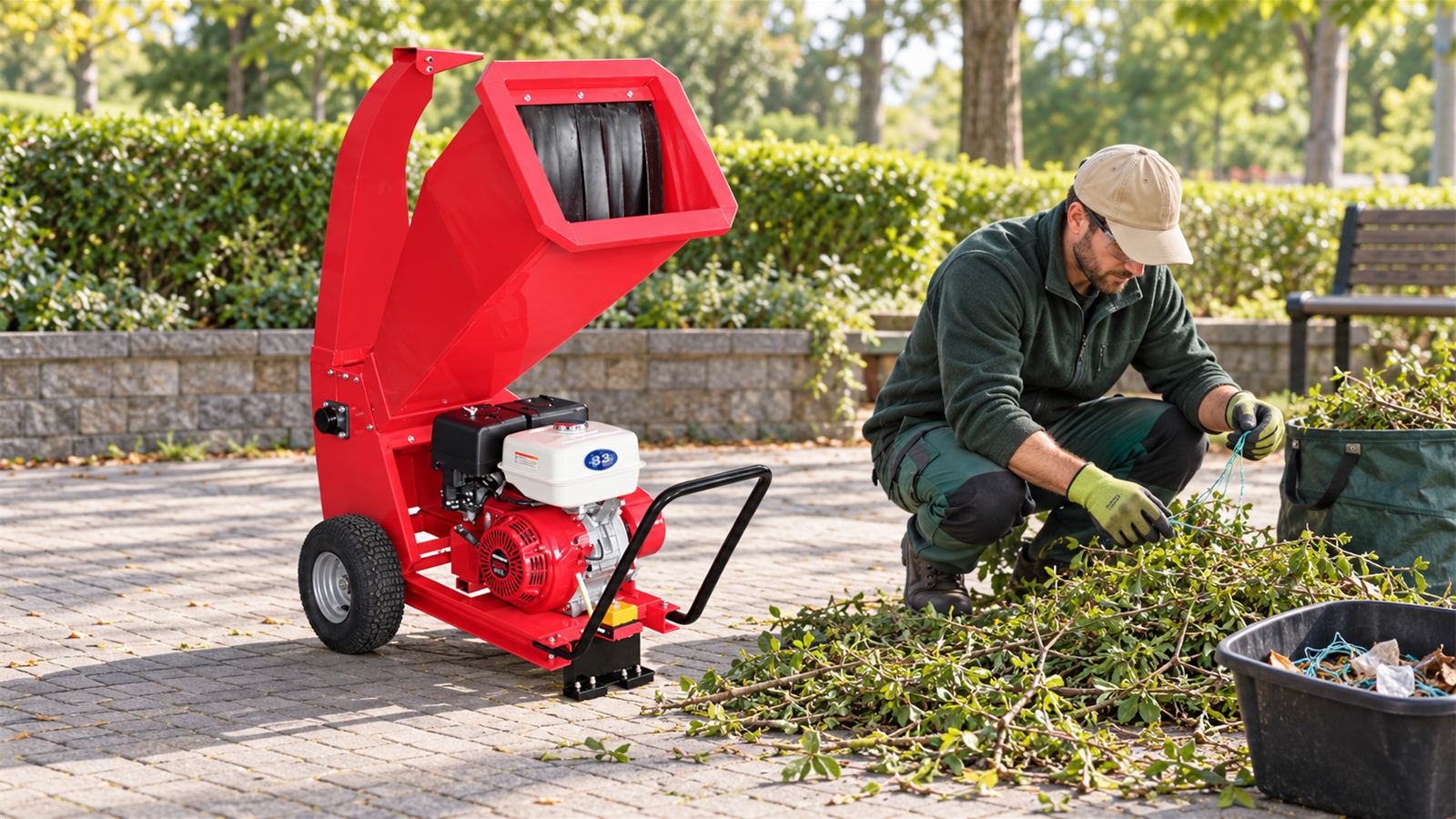
With the machine off, sort material and remove ties and foreign matter, then plan feeding and collection routes to reduce cleanup rework.
View the corresponding scene description →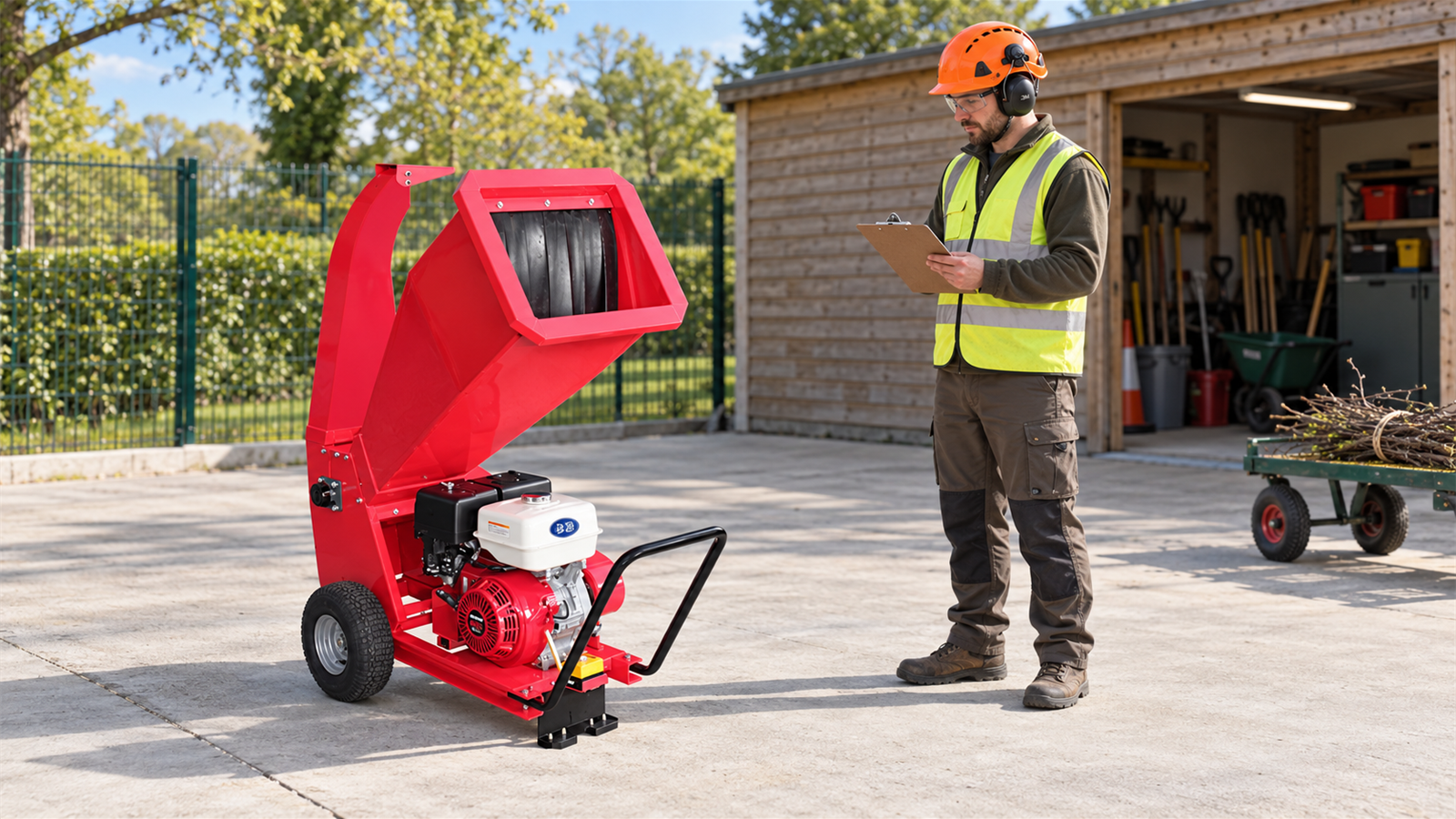
Check guards, feeding area, exclusion and permitted material before following the instructions; the model code does not establish a branch-diameter rating.
View the corresponding scene description →The first screen is for positioning; the complete specifications should be verified against the original data of the machine and the corresponding delivery version.
| Configuration item | Original page registration content |
|---|---|
| Equipment category | Jinjie JC-80H branch chipper |
| Product model | JC-80H |
Overall appearance of the machine and function explanation; 01-06 are explanatory indexes, and are not marked for unverified internal coordinates.
Verify the ground is stable, the material intake and discharge routes, and the personnel safety distance.
Feed capacity is confirmed according to the machine's data, first remove foreign objects and ropes.
Only the allowed branches shall be processed; the guard and protective devices shall not be omitted.
Arrange the discharge and collection space to prevent personnel from entering hazardous areas.
Check power according to the nameplate and delivery version; do not assume the engine model.
Blockage, cleaning, and inspection must first stop the machine and isolate power according to the instructions.
The work process is used to explain the process and personnel coordination, and does not replace the machine operation instructions and internal structure documents.
Allow branches, tree species, splits, and dryness/wetness, and proceed according to the machine instructions and on-site conditions.
Feed zone, guard housing, and personnel isolation, and carry out according to the machine instructions and on-site conditions.
Foreign object sorting and material stacking, and execute according to this machine's instructions and On-site conditions
Discharge, collection, and subsequent transportation, and execute according to this machine's instructions and on-site conditions.
Organize the branch processing according to the allowed materials and feeding conditions; judge the allowed branch diameter, tree species, branching, dryness/wetness, discharge, collection, and subsequent loading and transportation.
Do not infer allowable branch diameter from the model number; do not process stones, metals, ropes, or unverified materials; do not provide on-the-go blockage clearing operations.
Check against the actual attachments, interfaces, materials, or control requirements of the machine, and do not list optional components as standard configurations.
This model is centered. Left and right are real configurations or process references; different tasks are not simply high or low settings, and cannot be judged solely by the model number.
| Comparison criteria |  JC-268 | JC-80H |  JQ-50 |
|---|---|---|---|
| Main tasks | General leaf collection | Reduction of pruning branches in the garden | Internal route regular garbage collection |
| Configuration function. | Connect the suction brush to the suction port of the original machine and the collection bag. | Organize branch handling according to allowed materials and feeding conditions. | Three-wheel collection platform connects dispersed collection points with centralized points. |
| Selection focus | Leaf status and collection and transportation after collection | Branch applicability and feed safety | Packaging, parking, and loading/unloading routes |
The main unit, actual attachments, tools, or consumables are compared according to the same list; optional accessories are not considered as standard fittings.
Include the operation, transition, and applicable range of the pruning of branches in the garden, as well as the related preparation for feed safety. Do not use nominal numbers to estimate actual output.
Record the stoppage inspection and waste disposal, as well as the arrangement for consumable maintenance and disposal, without setting a fixed cost-saving ratio or payback period.
Check the ground stability, material entry and exit routes, and personnel safety distance. Specifically, check the disassembly and maintenance schedule, and the accompanying materials according to the machine's manual.
The feed rate should be confirmed according to the machine's documentation, and foreign objects and ropes should be removed first. Specifically, the disassembly process, maintenance schedule, and accompanying materials should be checked against the machine's instructions.
Process only branches within the permitted limits. Keep all guards and protective devices in place. Follow the machine manual for disassembly, service intervals and compatible materials.
Arrange the discharge and collection space to avoid personnel entering hazardous areas. Specifically, check the disassembly and maintenance schedule as well as the accompanying materials according to the machine manual.
Check the power according to the nameplate and delivery version; do not assume the engine model. Specific disassembly, maintenance cycles, and accompanying materials should be checked against the machine's manual.
Blockage, cleaning, and inspection must first stop the machine and isolate power according to the instructions. Specific disassembly, maintenance cycles, and compatible materials are verified according to this machine's instructions.
Verify the model number, nameplate, random accessories, and delivery documents.
Check the branch and foreign objects according to the machine instructions and ensure safe start and stop.
Combine the pruning of branches for volume reduction with on-site process communication based on usage conditions.
Check the parts according to the interface, material, and delivery version.
Please provide the fault symptoms and inspection records; service scope and schedule are according to the agreement.
Inspection content, service location, cost, and cycle are subject to actual agreement.
Use the machine to reduce the bulk of garden prunings before collection and transfer. Check the branches and feeding conditions against the machine's limits. Other materials require a separate assessment.
Organize branch processing according to allowed materials and feeding conditions; need to check allowed branch diameter, tree species, branch splitting, dryness/wetness, discharge, collection, and subsequent loading and transportation together.
Do not infer allowable branch diameter from the model number; do not process stones, metals, ropes, or unverified materials; do not provide on-the-go blockage clearing operations.
The comparison machine collects ordinary fallen leaves. This model reduces the volume of pruned branches. Compare the handling process, attachments and relevant specifications for each machine.
Check sequentially the allowable branch diameter, tree species, branching and dryness, feeding area, guard and personnel isolation, foreign object sorting and material stacking, discharge, collection, and subsequent loading, with complex conditions combined with small-scale tests and on-site evaluation.
Organize the task according to "Check branches and foreign objects → Set up in- and out-feed areas → Process under allowed conditions → Stop the machine, inspect, and remove waste"; the specific operations are determined by the on-site conditions and the machine's instructions.
First, pay attention to the machine body and positioning, the grinding process, and the shutdown inspection. Before servicing or disassembly, isolate the power as directed in the manual. Use the service interval specified for the model.
Provide photos of the site after lawn trimming to explain the task, existing equipment, and the applicability and safety of the branches for feeding, and then determine whether this machine is suitable.
Please describe your pruning task for branch reduction, including allowable branch diameter, tree species, branching, dry/wet condition, and output, collection, and subsequent loading. We will compare the on-site solution with the configuration of this machine.
Phone consultation: 0755-25621811