
Main applications
Replacement parts for the traction systemScrubbers, maintenance and spare-parts purchasing
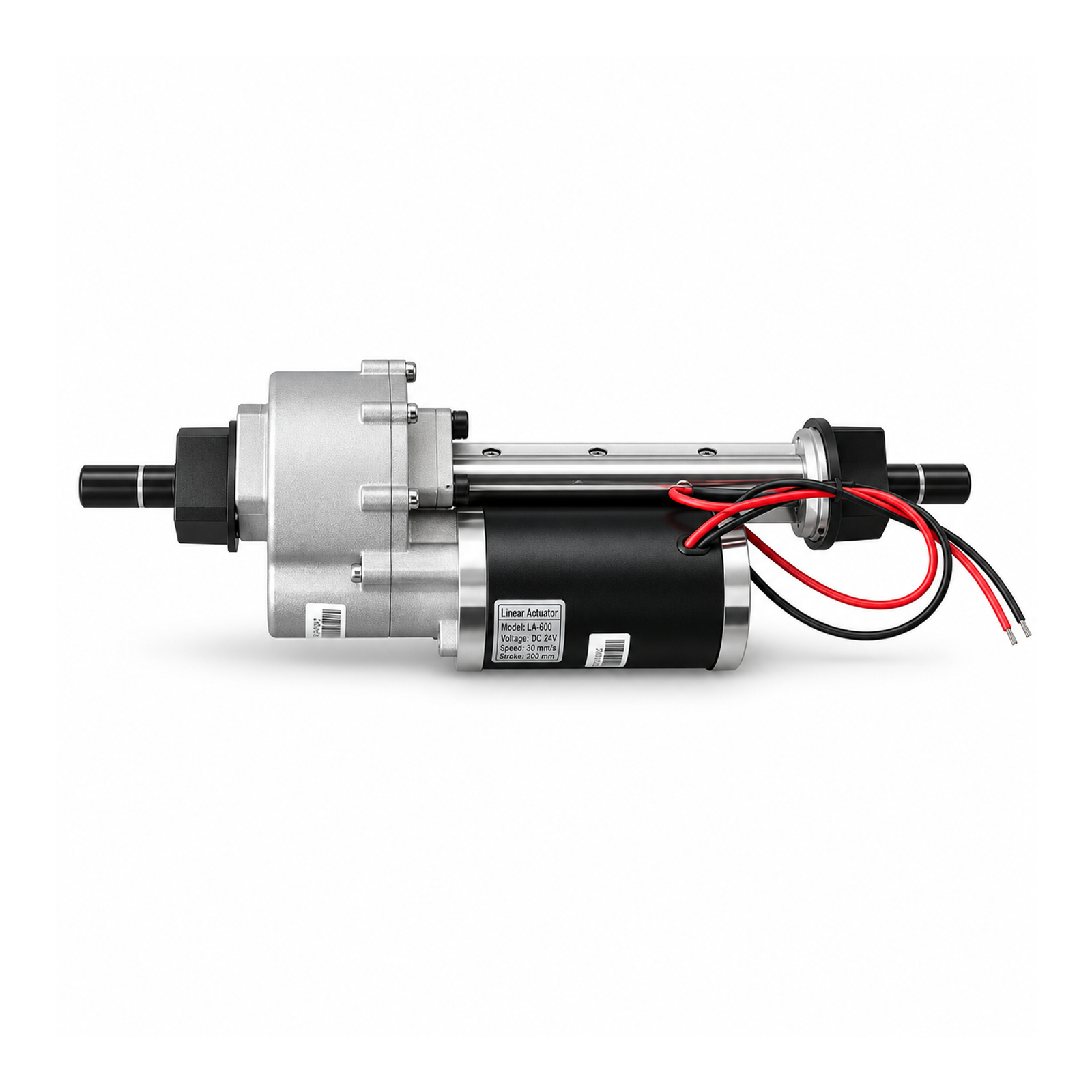
For a rear-drive replacement, describe the area, passages, soil and shift pattern to help identify an appropriate part.
Over 20 years in cleaning equipment manufacturing | Site trials available | Service support across China
Check the machine model, interfaces, installed dimensions and replacement conditions.
Scrubbers, maintenance and spare-parts purchasing
Replacement parts for the traction system
Application: replacement parts for the traction drive
For a traction-drive repair, identify the equipment, model, interfaces and duty. Similar product names alone do not establish compatibility.
Application: traction-drive maintenance
Verify category, model, dimensions, connections, holes, mounting and version; do not assume universal fit. For electrical parts, also verify voltage, power, connector and installation space.
Application: verifying equipment fit
No fixed-day interval: assess wear, frequency and conditions. Include roughness, dust/oil, maintenance habits and abnormal operation to prevent small wear parts impairing the machine.
Application: consumable replacement/maintenance
Electrical parts, chemicals and high-speed rotating parts require competent verification before use. Check surface, soil, foam and dilution for chemicals. Avoid incorrect/forced installation or cross-model substitution of brushes, blades and motors. If records are insufficient, photograph and match original parts first.
Application: use boundaries
Compare rear-drive motors by machine compatibility, dimensions, material and duty.
Consider this part when equipment type, mounting position and task match, with dimensions and connections verified.
If model, connections, holes, material or chemical use cannot be confirmed, inspect the original part or select a better-matched specialist part.
Identify contamination, area, route and frequency before assessing this model.
Consider both the configuration and its value for the site.
This rear-drive motor is a maintenance spare for scrubbers. For contractors, property stores and service teams, confirm model fit, replacement frequency, stock and duty before setting the parts budget.
For consumables and spares, check the model, usage, wear interval, stock on hand and planned maintenance.
When replacing a traction component, match the machine model, mounting interface and electrical configuration. Checking these before delivery reduces installation rework and maintenance cost.
Start with the key features, then check the full specification.
| Key operating figures | |||
|---|---|---|---|
| Configuration notes | Each power rating refers to a different configuration. Check the rating of the individual motor. | ||
| Drive and electrical system | |||
| Power range | 500–1200 W, selected for the model | ||
| Machine configuration | |||
| Model | Rear-wheel drive motor | ||
Do not only look at the model and price, but first clarify the on-site conditions and long-term usage results.
Compare drive, output, capacity, access and continuous operating conditions alongside purchase price.
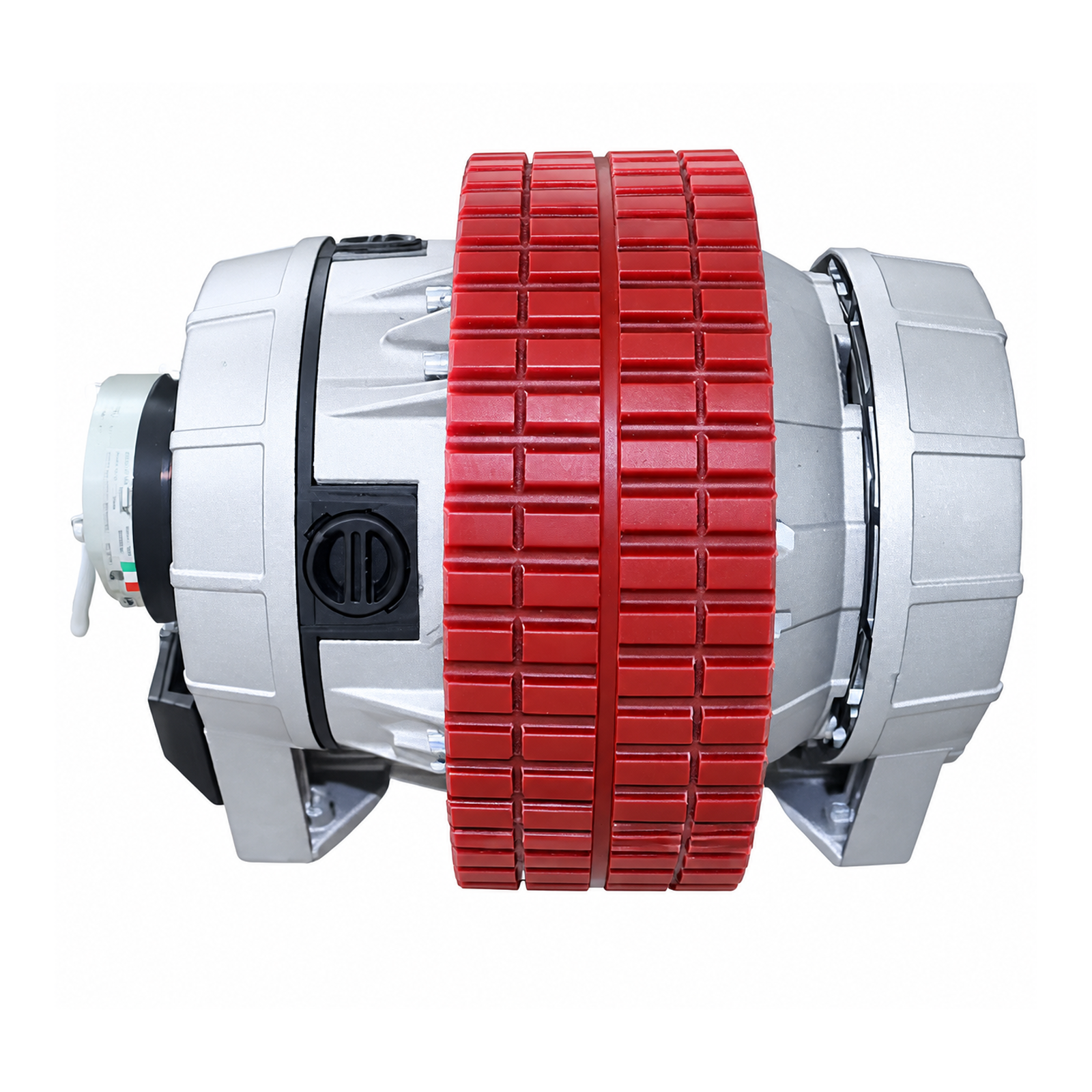


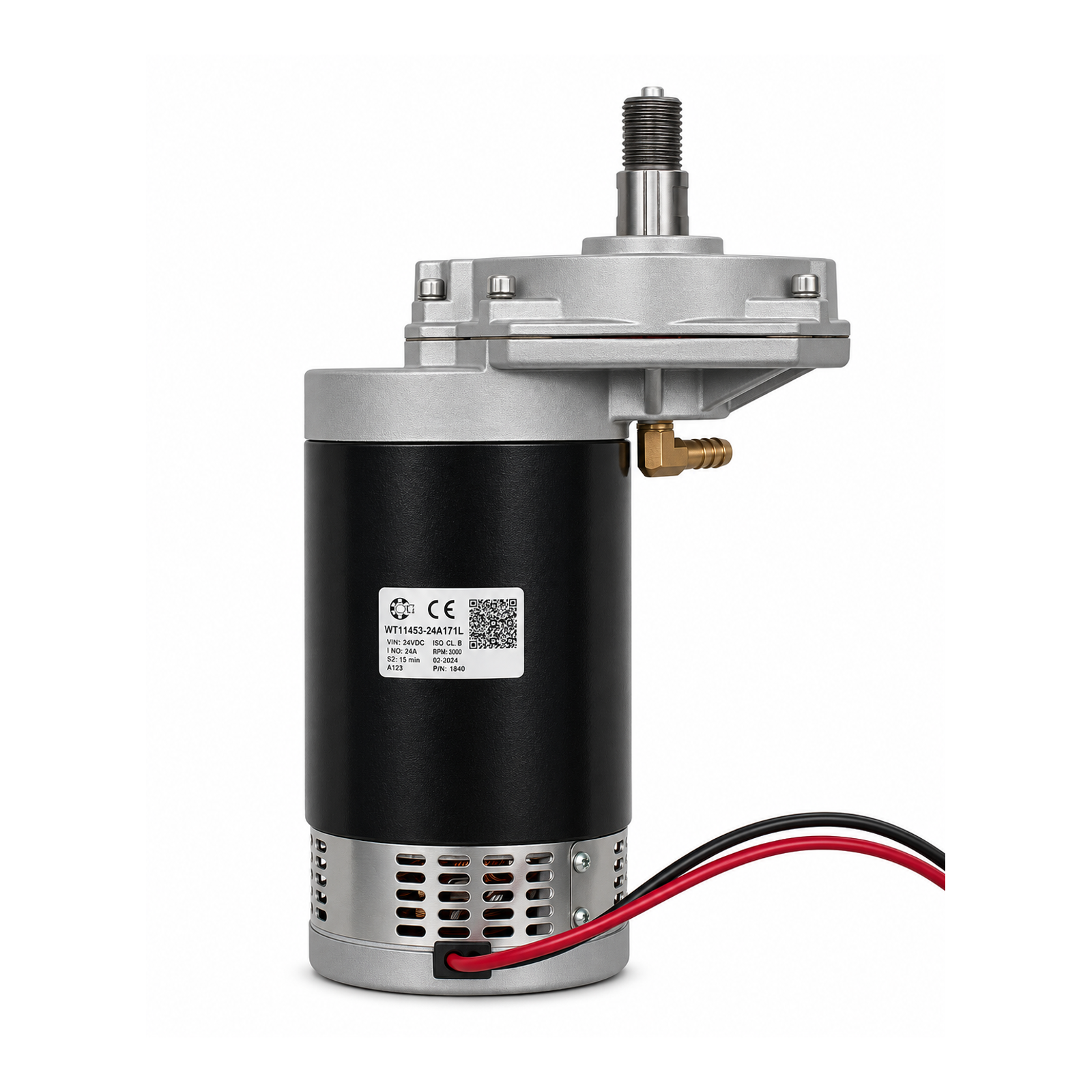
Confirm the scrubber model, dimensions, connections and mounting position before ordering this rear-drive motor.
Do not assume universal compatibility; check model, dimensions, holes, interfaces and version.
Assess wear, frequency and conditions without fixed-day replacement promises.
Provide nameplate, old-part photos, mounting location, dimensions and use conditions for physical matching by support staff.
Build common-consumables lists by machine model for maintenance and reduced downtime.
Product for this enquiry:Jinjie rear-wheel drive motor for floor scrubbers. Describe the site, contamination and frequency of use.