
Selected model: Jinjie CL70-2
Typical application · Equipment selectionLocal water recovery: coordinate pickup and safe reopening
Jinjie CL70-2
Suitable wet tools and organised disposal can reduce repeated mop handling and support more orderly floor inspection and handover. Prompt pickup can reduce wet-area disruption, but signs, residual-water checks and finishing remain necessary; assess cost and time against area and emptying frequency.
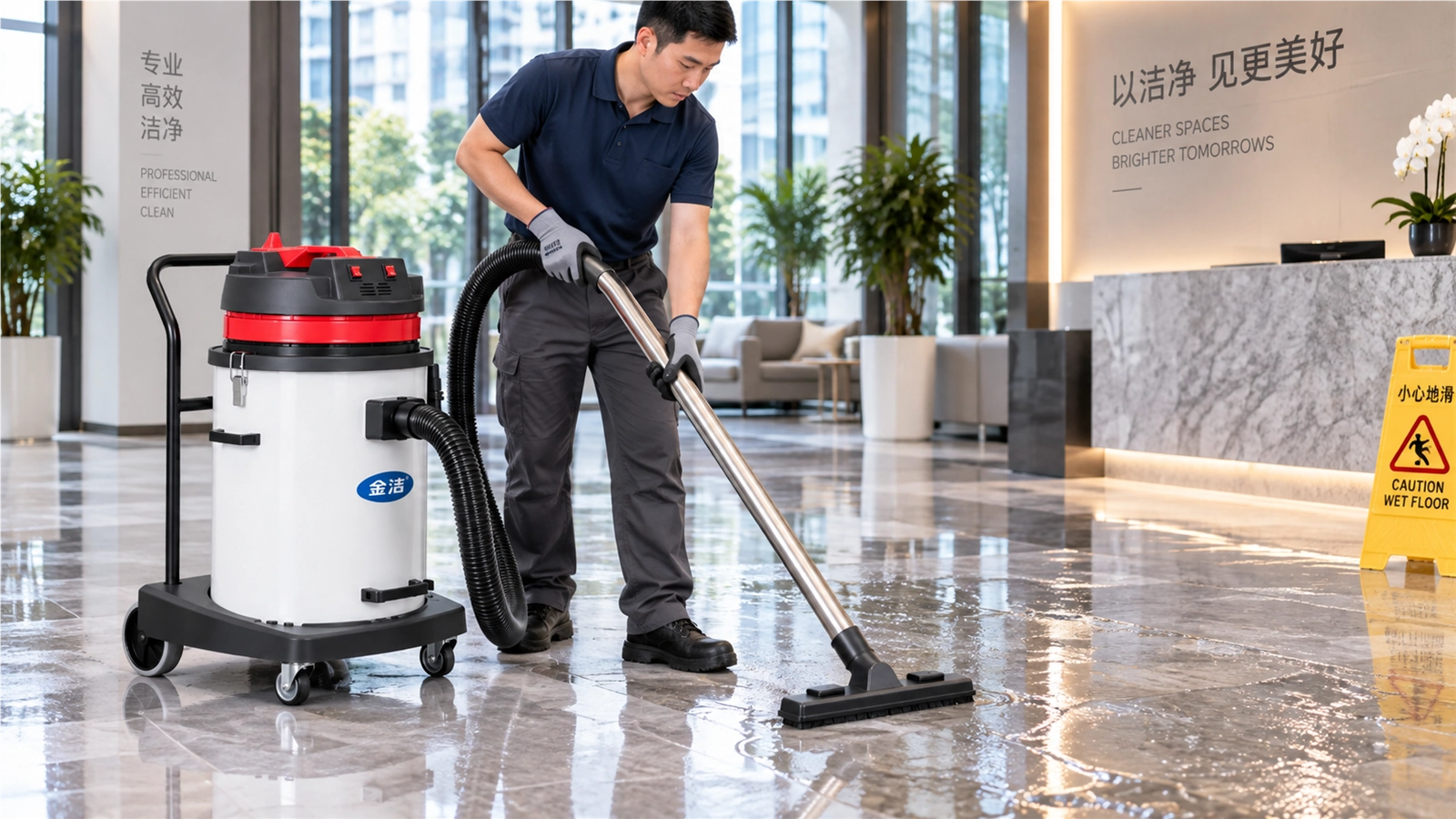
01 · What makes this task difficult?
Local wash water in lobbies and dining areas can be tracked by pedestrians, while repeated mopping moves dirty water around. Isolate the wet area, recover suitable ordinary water and plan disposal, then inspect the floor before reopening.
Soil, material and routes affect work
Trial material and method, then work sectionally and inspect results
Cleaning conflicts with occupancy or traffic
Plan windows, waste destination and handover inspection
Site conditions must match configuration
Do not borrow other models’ figures or treat options as standard
02 · Why consider this Jinjie machine?
CL70-2 supports wet/dry pickup and local public-area water. Verify the wet tool, filter conversion and tank protection under its own instructions before sectional pickup. Do not borrow CL70-2C cable or power specifications or collect unidentified chemicals.
CL70-2 real functions and compatible tools
Trial material and method, then work sectionally and inspect results
Reduce unnecessary repeated work
Sections, supplies and human support
Plan windows, waste destination and handover inspection
Organise labour and working time
This model’s instructions, consumables and supply
Do not borrow other models’ figures or treat options as standard
Manage damage, mismatch and rework risks
Jinjie CL70-2 · CL70-2 supports wet/dry pickup and local public-area water. Verify the wet tool, filter conversion and tank protection under its own instructions before sectional pickup. Do not borrow CL70-2C cable or power specifications or collect unidentified chemicals.
03 · A better cleaning workflow and customer value
Suitable wet tools and organised disposal can reduce repeated mop handling and support more orderly floor inspection and handover. Prompt pickup can reduce wet-area disruption, but signs, residual-water checks and finishing remain necessary; assess cost and time against area and emptying frequency.
Reduce unnecessary repeated work
Soil, material and routes affect work · Trial material and method, then work sectionally and inspect results
Organise labour and working time
Cleaning conflicts with occupancy or traffic · Plan windows, waste destination and handover inspection
Manage damage, mismatch and rework risks
Site conditions must match configuration · Do not borrow other models’ figures or treat options as standard
Match tools, the material and the working route before comparing labour, time, consumables and maintenance costs. The potential value depends on suitable conditions and correct operation; no fixed saving or damage-free result is promised.
CL70-2 supports wet/dry pickup and local public-area water. Verify the wet tool, filter conversion and tank protection under its own instructions before sectional pickup. Do not borrow CL70-2C cable or power specifications or collect unidentified chemicals. Verify the cleaning object, tools and site safety; no damage-free or fixed-saving result is promised. Isolate the wet area and identify ordinary cool water; unknown chemicals, hot liquids and hazardous media need another specialist method.
Working method, evidence and original professional analysis
Task-specific equipment selection
Shopping-centre lobby and aisle dry/wet cleanup | CL70-2 selection and value
Site, material and contamination
Local wash water in lobbies and dining areas can be tracked by pedestrians, while repeated mopping moves dirty water around. Isolate the wet area, recover suitable ordinary water and plan disposal, then inspect the floor before reopening.
Equipment basis and model differences
CL70-2 supports wet/dry pickup and local public-area water. Verify the wet tool, filter conversion and tank protection under its own instructions before sectional pickup. Do not borrow CL70-2C cable or power specifications or collect unidentified chemicals.
Model configuration and selection
Check model-specific configurations against the machine and order before purchase.
| Model | Current basis and limits |
|---|---|
| CL70-2 | CL70-2 supports wet/dry pickup and local public-area water. Verify the wet tool, filter conversion and tank protection under its own instructions before sectional pickup. Do not borrow CL70-2C cable or power specifications or collect unidentified chemicals. |
| Site problem | Equipment / conditions | Suggested method | Potential value |
|---|---|---|---|
| Soil, material and routes affect work | CL70-2 real functions and compatible tools | Trial material and method, then work sectionally and inspect results | Reduce unnecessary repeated work |
| Cleaning conflicts with occupancy or traffic | Sections, supplies and human support | Plan windows, waste destination and handover inspection | Organise labour and working time |
| Site conditions must match configuration | This model’s instructions, consumables and supply | Do not borrow other models’ figures or treat options as standard | Manage damage, mismatch and rework risks |
Working method, accessories and site supply
- Isolate the wet area and identify ordinary cool water; unknown chemicals, hot liquids and hazardous media need another specialist method.
- Verify wet tools, filter conversion and tank protection under this model’s instructions; disconnect power before configuration changes.
- Recover sectionally, watching tank level, odour and pickup performance; stop for abnormalities.
- Empty and clean through an approved route, inspect residual water and retain slip warnings before handover.
Limits and safety
CL70-2 supports wet/dry pickup and local public-area water. Verify the wet tool, filter conversion and tank protection under its own instructions before sectional pickup. Do not borrow CL70-2C cable or power specifications or collect unidentified chemicals. Verify the cleaning object, tools and site safety; no damage-free or fixed-saving result is promised. Isolate the wet area and identify ordinary cool water; unknown chemicals, hot liquids and hazardous media need another specialist method.
Questions for this task
Prepare site information
Provide site photos, material and soil, area or route, occupancy windows, supply and waste arrangements, model configuration and reopening requirements.
FAQ
Why choose this model?
CL70-2 supports wet/dry pickup and local public-area water. Verify the wet tool, filter conversion and tank protection under its own instructions before sectional pickup. Do not borrow CL70-2C cable or power specifications or collect unidentified chemicals.
Are results or saving percentages guaranteed?
No. Assess actual results using material, soil, routes, configuration and trials; do not invent output, cost or customer delivery.
What site conditions are needed for selection?
Typical application. Trial results depend on the material, contamination and operating conditions.
What site information is needed for selection?
Provide site photos, material and soil, area or route, occupancy windows, supply and waste arrangements, model configuration and reopening requirements.
Select equipment for the actual site
Provide site photos, material and soil, area or route, occupancy windows, supply and waste arrangements, model configuration and reopening requirements.
Jinjie CL70-2 · Selection enquiryCompare application plansModels and original application images
Compare each model against its own configuration and the actual route, material and site services.
Jinjie CL70-2
Current model
CL70-2 supports wet/dry pickup and local public-area water. Verify the wet tool, filter conversion and tank protection under its own instructions before sectional pickup. Do not borrow CL70-2C cable or power specifications or collect unidentified chemicals.
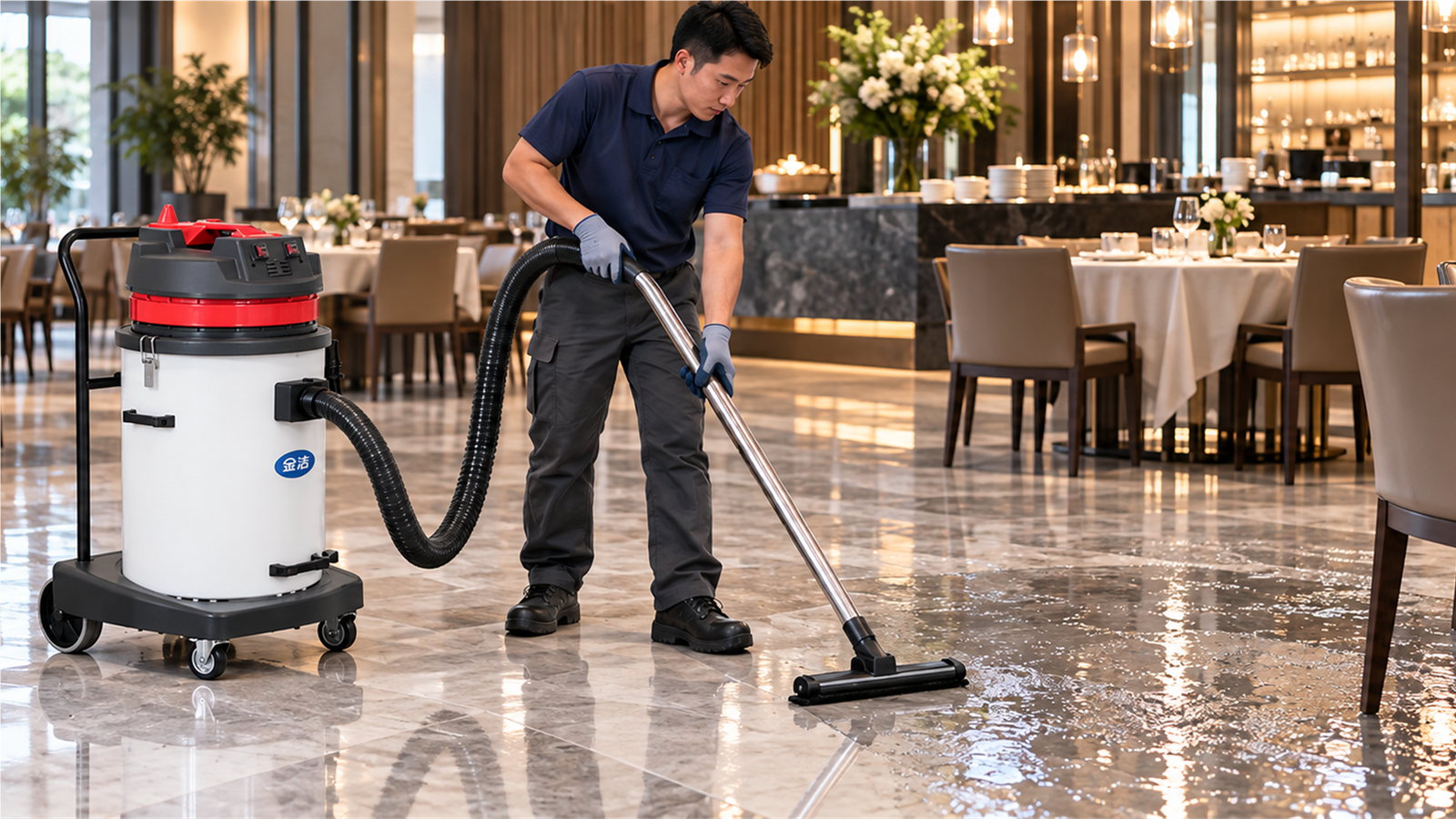
Jinjie CL70-2
CL70-2 supports wet/dry pickup and local public-area water. Verify the wet tool, filter conversion and tank protection under its own instructions before sectional pickup. Do not borrow CL70-2C cable or power specifications or collect unidentified chemicals.