
Selected model: Jinjie JGY-80P
Typical application · Equipment selectionIsolated equipment perimeters: collect ordinary dry debris from the floor
Jinjie JGY-80P
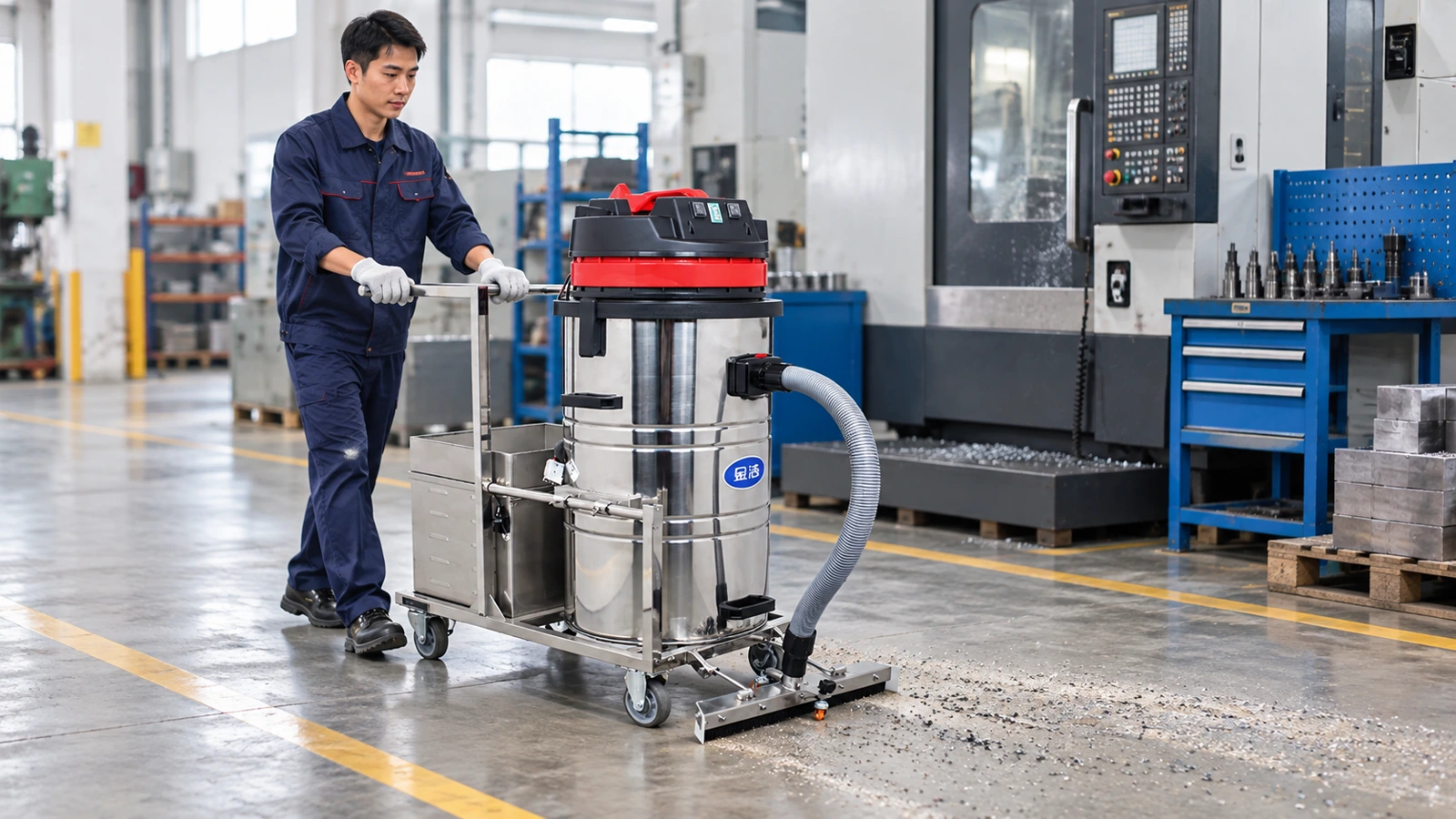
After shutdown and isolation, use a suitable tool for ordinary dry debris on safely accessible equipment perimeters, reducing repeated manual edge work.
01 · What makes this task difficult?
Workstation edges, maintenance aisles and equipment-room floors may contain ordinary packaging scraps, identified dry particles and maintenance residues. Equipment, cables and narrow passages restrict access. The task is the external floor after safe isolation, not running machinery, cabinet interiors, electrical terminals or process-dust sources.
Space around equipment is limited
Verify reach after shutdown/isolation; never reach into moving mechanisms
Dry debris mixes with oil or swarf
Assess ordinary dry debris separately from coolant and sharp chips
Equipment rooms contain electrics
Clean only the authorised floor and keep liquids away from electrics
02 · Why consider this Jinjie machine?
After shutdown and isolation, a suitable tool can concentrate pickup of ordinary dry debris around accessible equipment edges, reducing repeated manual reach-in work without entering operating, electrical or hazardous areas.
Actual hose, tool and machine envelope
Verify reach after shutdown/isolation; never reach into moving mechanisms
Define machine reach and manual-task boundaries
Separate material and dry/wet tasks
Assess ordinary dry debris separately from coolant and sharp chips
Avoid collecting incompatible waste together
Isolation, power and floor condition
Clean only the authorised floor and keep liquids away from electrics
Coordinate maintenance permission with cleaning
Jinjie JGY-80P · Currently presented as a battery-powered mobile dry/wet unit for dispersed points. Verify battery, runtime, dry/wet filter changeover and permitted materials on the actual machine.
03 · A better cleaning workflow and customer value
After shutdown and isolation, use a suitable tool for ordinary dry debris on safely accessible equipment perimeters, reducing repeated manual edge work.
Define machine reach and manual-task boundaries
Space around equipment is limited · Verify reach after shutdown/isolation; never reach into moving mechanisms
Avoid collecting incompatible waste together
Dry debris mixes with oil or swarf · Assess ordinary dry debris separately from coolant and sharp chips
Coordinate maintenance permission with cleaning
Equipment rooms contain electrics · Clean only the authorised floor and keep liquids away from electrics
Match tools, the material and the working route before comparing labour, time, consumables and maintenance costs. The potential value depends on suitable conditions and correct operation; no fixed saving or damage-free result is promised.
Ordinary vacuums are not recommended for live equipment interiors, hot chips, reactive metal powder, combustible dust, special chemical residues or unidentified mixed waste. Closed equipment pictured is not proof of isolation, filtration or liquid compatibility.
Working method, evidence and original professional analysis
Task-specific equipment selection
Isolated equipment perimeters: collect ordinary dry debris from the floor
Site, material and contamination
Workstation edges, maintenance aisles and equipment-room floors may contain ordinary packaging scraps, identified dry particles and maintenance residues. Equipment, cables and narrow passages restrict access. The task is the external floor after safe isolation, not running machinery, cabinet interiors, electrical terminals or process-dust sources.
Equipment basis and model differences
Assess JGY-80P as a battery-mobile option for dispersed points, JGY-3070 for ordinary line-perimeter debris and filter maintenance, and the displayed JGY-3078BA for general spot tasks without mistaking its jgy-3078a route for a different model. Check JGY80-40 against actual material and tool reach. Do not invent battery capacity, filter class, heat resistance or continuous-duty capability.
Model configuration and selection
Check model-specific configurations against the machine and order before purchase.
| Model | Current basis and limits |
|---|---|
| JGY-80P | Currently presented as a battery-powered mobile dry/wet unit for dispersed points. Verify battery, runtime, dry/wet filter changeover and permitted materials on the actual machine. |
| JGY-3070 | Currently presented as an industrial dust/debris vacuum. Only confirmed ordinary dry debris is discussed; model numbers establish no filter grade, hose suitability or continuous-duty rating. |
| JGY-3078BA | The route is jgy-3078a but the displayed model is JGY-3078BA. Assess general spot cleaning, not bulk metal-swarf or all-day heavy-duty service. |
| JGY80-40 | The current name describes a heavy-dust vacuum; it establishes no hazardous-dust class, explosion protection or mineral-dust suitability. This chapter concerns identified ordinary debris on perimeter floors. |
| Site problem | Equipment / conditions | Suggested method | Potential value |
|---|---|---|---|
| Space around equipment is limited | Actual hose, tool and machine envelope | Verify reach after shutdown/isolation; never reach into moving mechanisms | Define machine reach and manual-task boundaries |
| Dry debris mixes with oil or swarf | Separate material and dry/wet tasks | Assess ordinary dry debris separately from coolant and sharp chips | Avoid collecting incompatible waste together |
| Equipment rooms contain electrics | Isolation, power and floor condition | Clean only the authorised floor and keep liquids away from electrics | Coordinate maintenance permission with cleaning |
Working method, accessories and site supply
- Have the site lead confirm shutdown/isolation, work permission, waste origin and authorised cleaning boundaries; switched off alone does not prove safe isolation.
- Remove entangling and oversized pieces. Verify the actual dry filter and tools; a metal tank establishes neither fire resistance, antistatic protection nor explosion protection.
- Trial the isolated representative floor and check hose routing, exhaust and reach. Do not enter machinery or live cabinets.
- Stop to unload and maintain, then inspect residues. Assess waterproof boundaries and recovery separately if scrubbing follows, and keep oily liquids out of ordinary dry-waste disposal.
Limits and safety
Ordinary vacuums are not recommended for live equipment interiors, hot chips, reactive metal powder, combustible dust, special chemical residues or unidentified mixed waste. Closed equipment pictured is not proof of isolation, filtration or liquid compatibility.
Questions for this task
Prepare site information
Provide authorised perimeter photos, isolation conditions, residue origin and moisture, power, hose route and disposal requirements.
FAQ
Can the machine keep running while its corners are vacuumed?
Do not decide from an image. Site permission and isolation are required; this chapter does not cover cleaning inside operating mechanisms.
Does a metal tank permit metal powder or hot chips?
No. Appearance is not evidence for material, temperature, static or filtration compatibility.
Does an equipment-room picture permit cabinet-interior cleaning?
No. Only authorised perimeter floors are covered; electrical maintenance needs its own personnel and controls.
What site information is needed for selection?
Provide authorised perimeter photos, isolation conditions, residue origin and moisture, power, hose route and disposal requirements.
Select equipment for the actual site
Provide authorised perimeter photos, isolation conditions, residue origin and moisture, power, hose route and disposal requirements.
Jinjie JGY-80P · Selection enquiryCompare application plansModels and original application images
Compare each model against its own configuration and the actual route, material and site services.
Jinjie JGY-80P
Current model
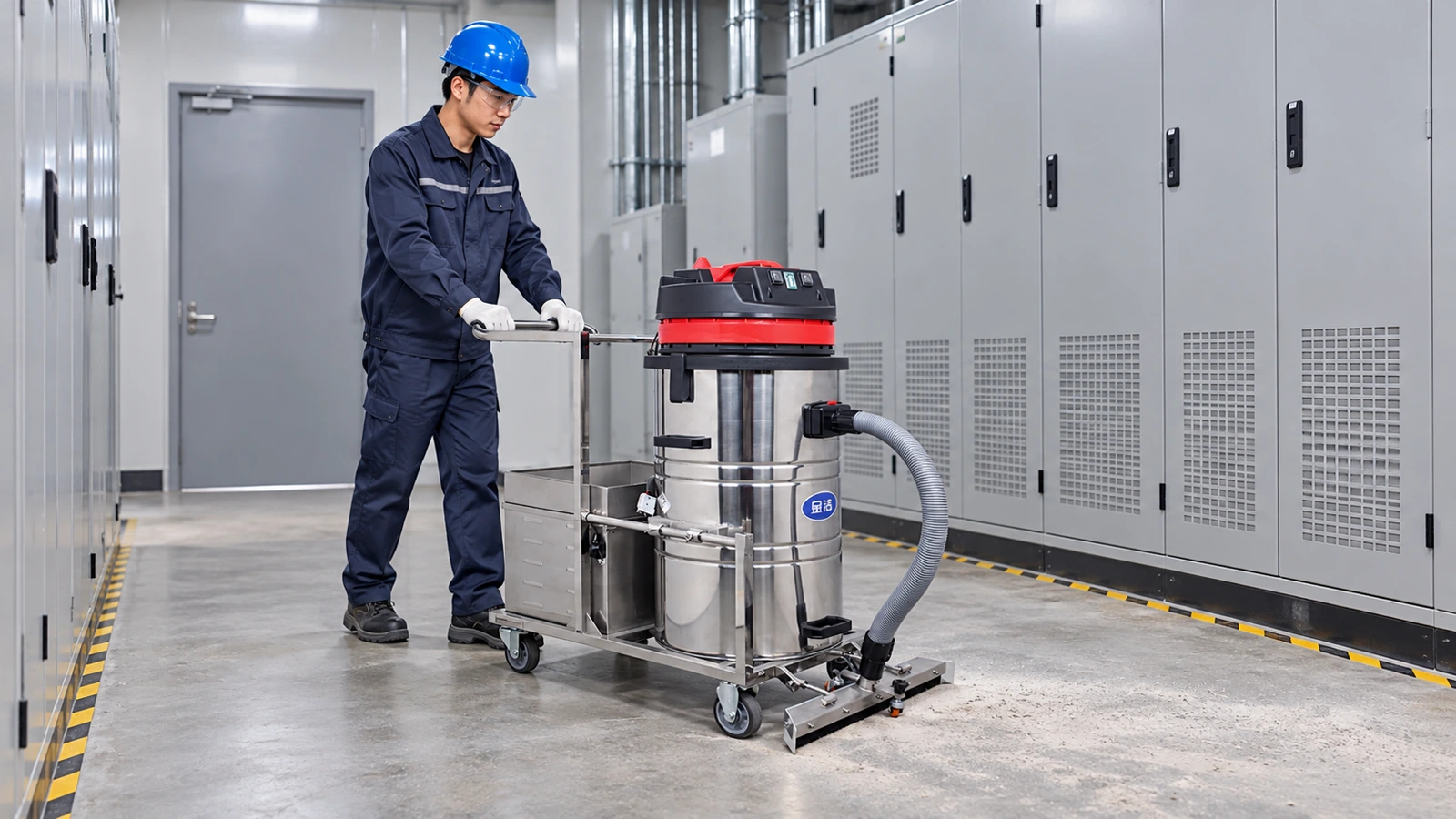
Currently presented as a battery-powered mobile dry/wet unit for dispersed points. Verify battery, runtime, dry/wet filter changeover and permitted materials on the actual machine.
Jinjie JGY-80P
Currently presented as a battery-powered mobile dry/wet unit for dispersed points. Verify battery, runtime, dry/wet filter changeover and permitted materials on the actual machine.
Jinjie JGY-3070
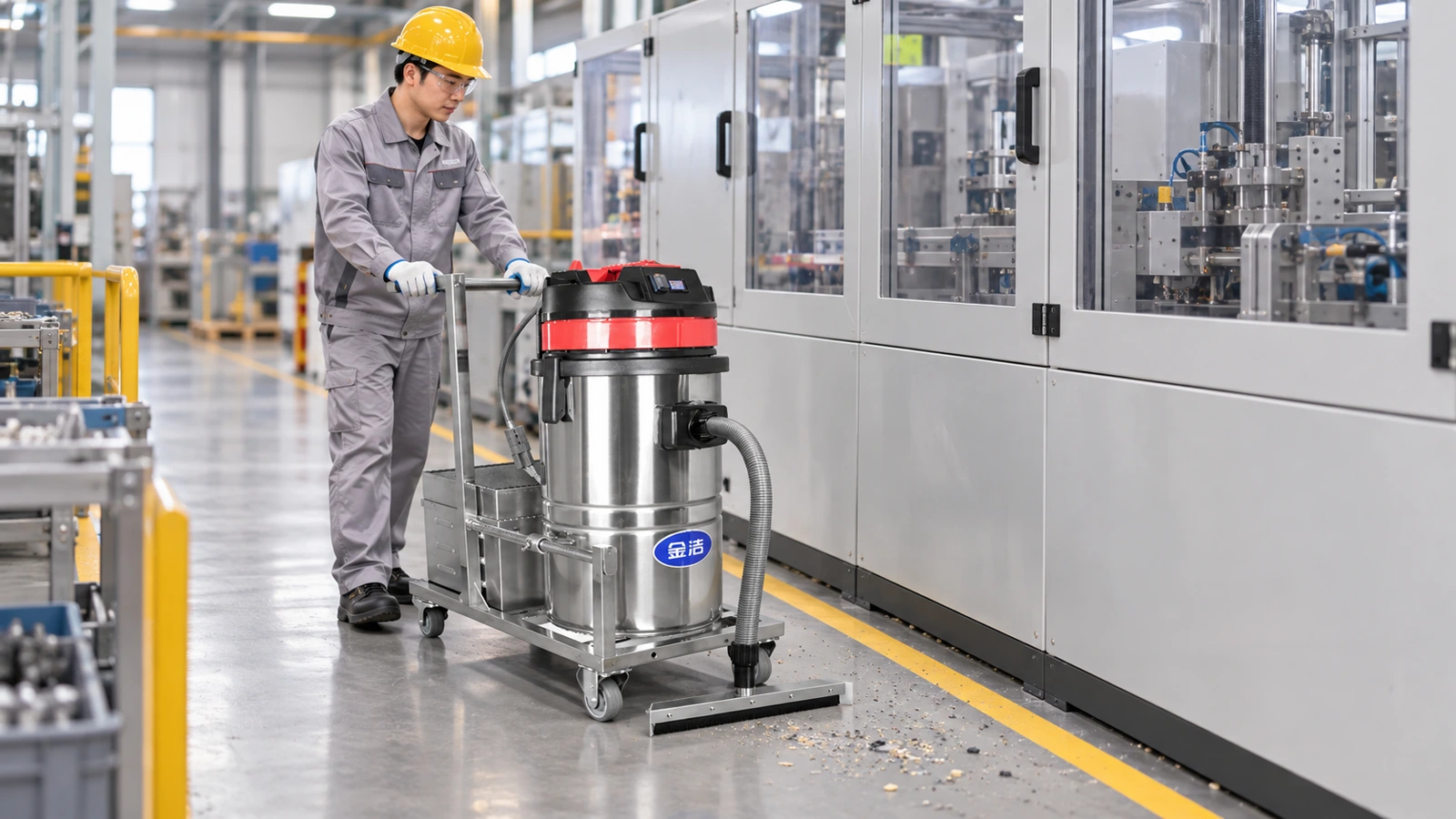
Currently presented as an industrial dust/debris vacuum. Only confirmed ordinary dry debris is discussed; model numbers establish no filter grade, hose suitability or continuous-duty rating.
Jinjie JGY-3078BA
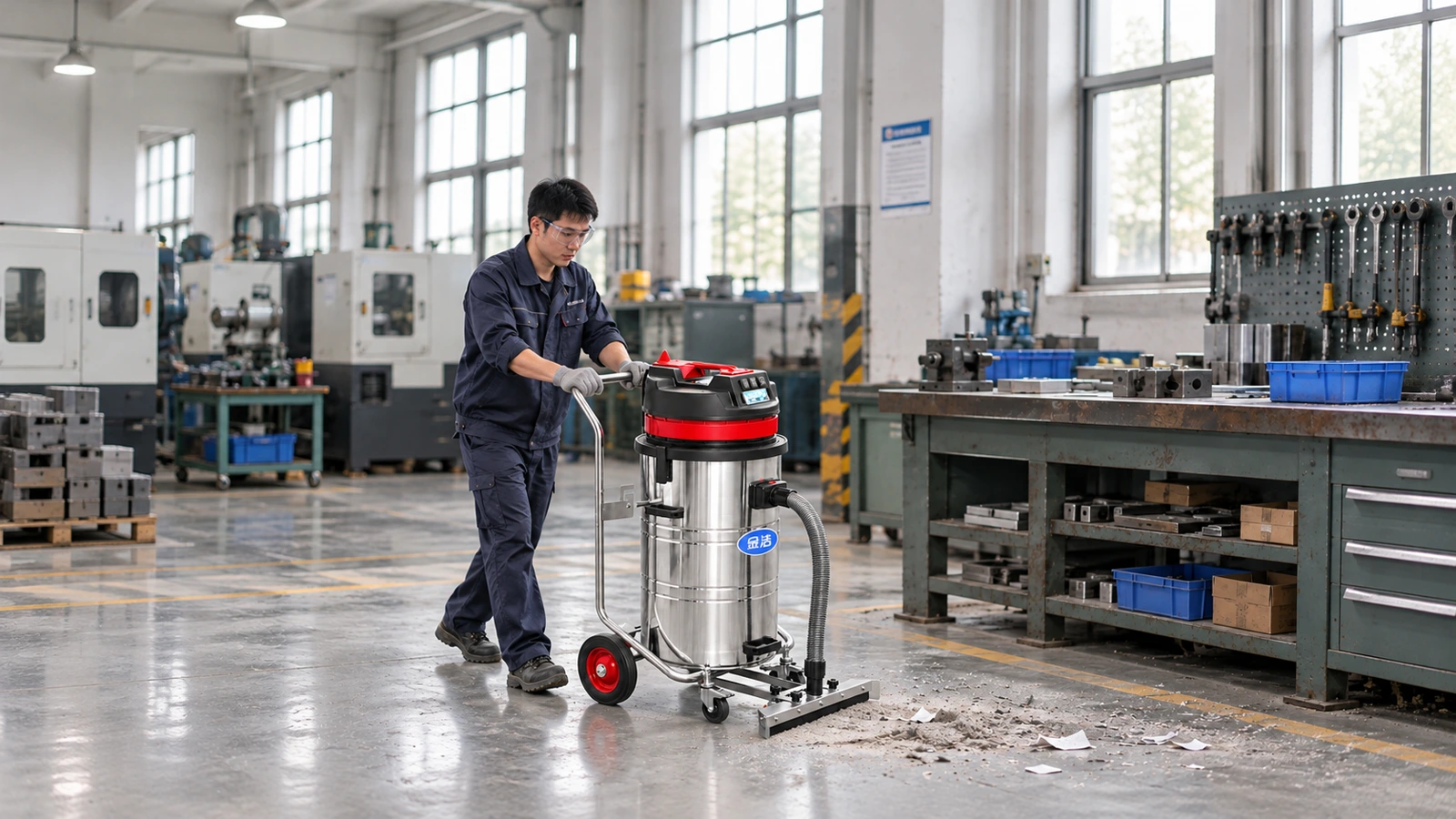
The route is jgy-3078a but the displayed model is JGY-3078BA. Assess general spot cleaning, not bulk metal-swarf or all-day heavy-duty service.
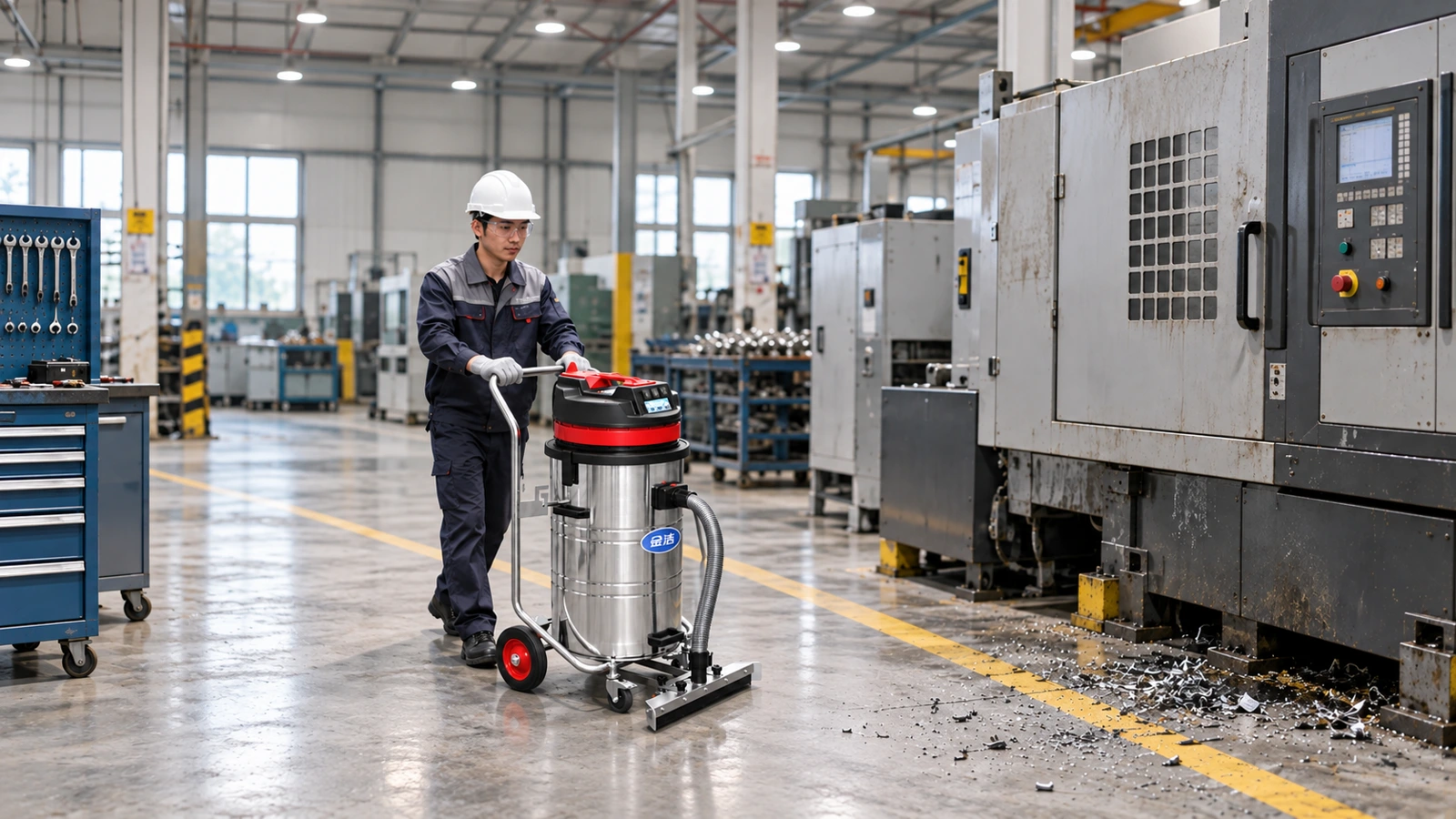
Jinjie JGY-3078BA
The route is jgy-3078a but the displayed model is JGY-3078BA. Assess general spot cleaning, not bulk metal-swarf or all-day heavy-duty service.
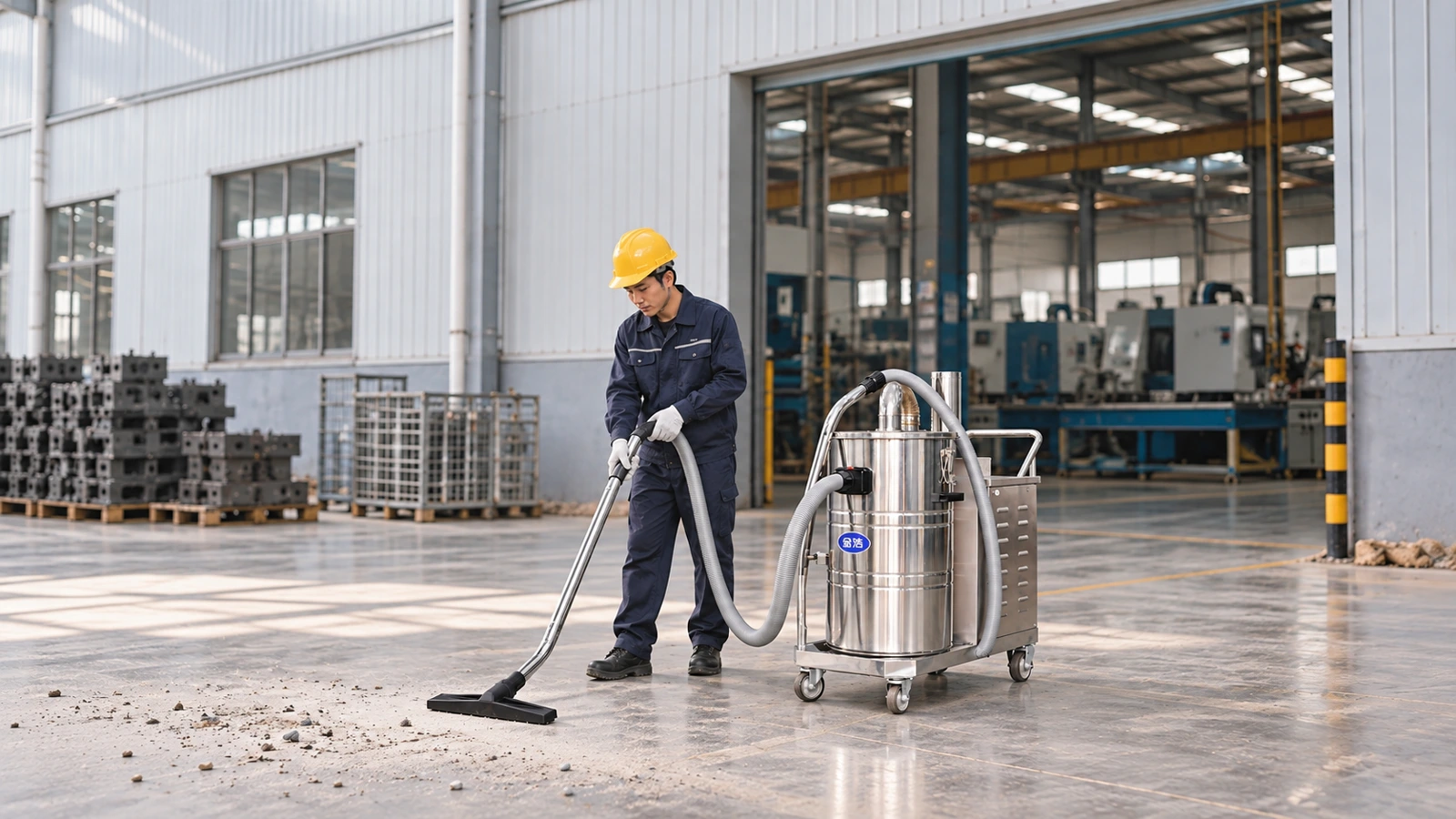
Jinjie JGY80-40
The current name describes a heavy-dust vacuum; it establishes no hazardous-dust class, explosion protection or mineral-dust suitability. This chapter concerns identified ordinary debris on perimeter floors.
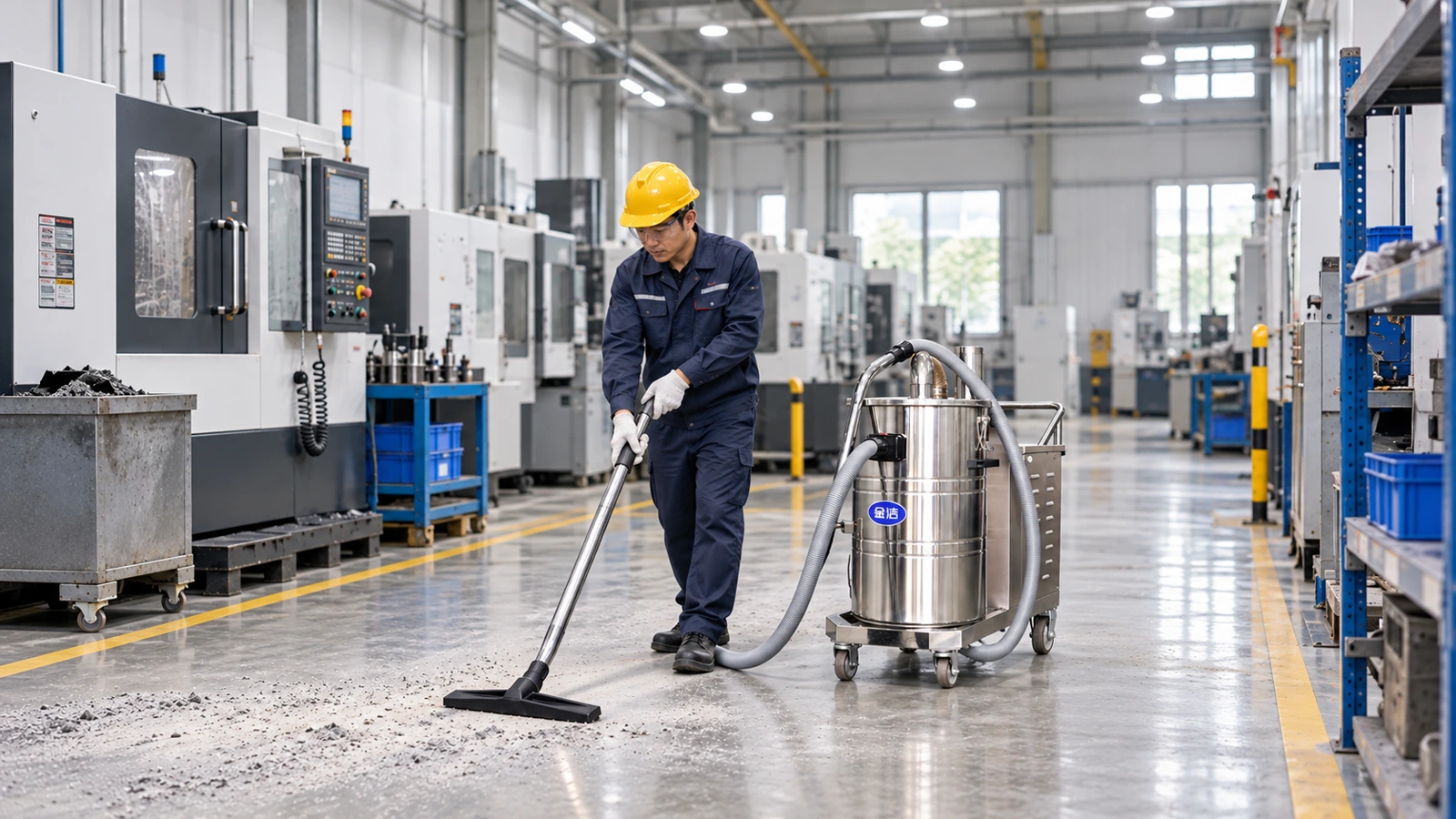
Jinjie JGY80-40
The current name describes a heavy-dust vacuum; it establishes no hazardous-dust class, explosion protection or mineral-dust suitability. This chapter concerns identified ordinary debris on perimeter floors.