
Selected model: Jinjie JC-500JY
Typical application · Equipment selectionWashing loose dust from residential roads | JC-500JY task planning
Jinjie JC-500JY
Collect solids before using controlled water on washable dust and sediment to limit rework from pushing waste into drains. Planning stops, refills and wastewater routes can reduce unnecessary travel and make edge maintenance more continuous. Surface trials, isolation and residual-water checks remain necessary for finish protection and slip control.
01 · What makes this task difficult?
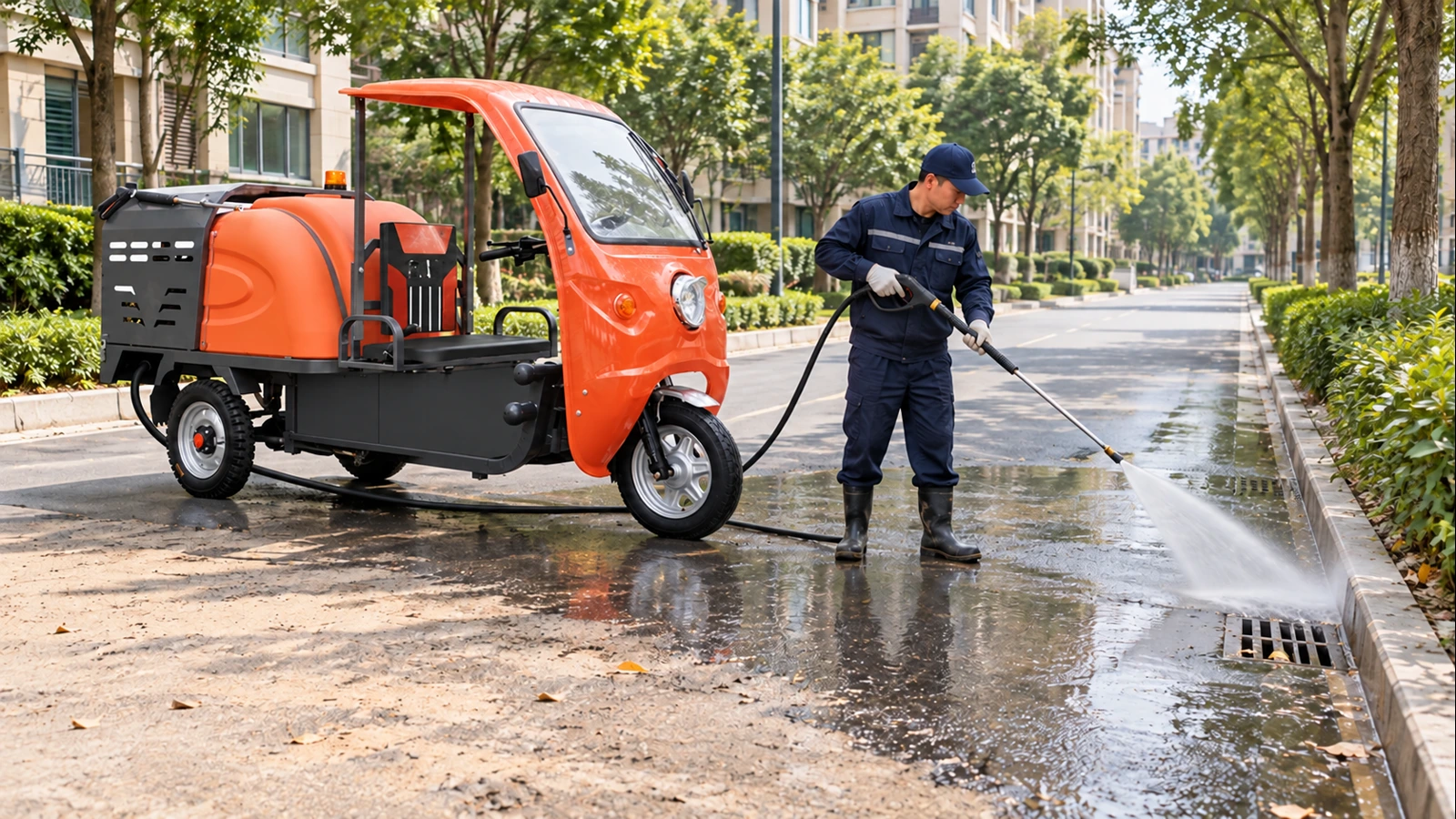
Estate side roads collect dust and sediment around edges and drain entrances. Uncontrolled washing can move debris into drains and conflict with residents. Collect solids first, then organise spot work and wastewater routes in lower-traffic windows.
Scattered stops require repeated water handling
Plan parking, access and water around actual refill points
Dust and sediment mix with solid waste
Collect solids first; trial the surface and control water and discharge
02 · Why consider this Jinjie machine?
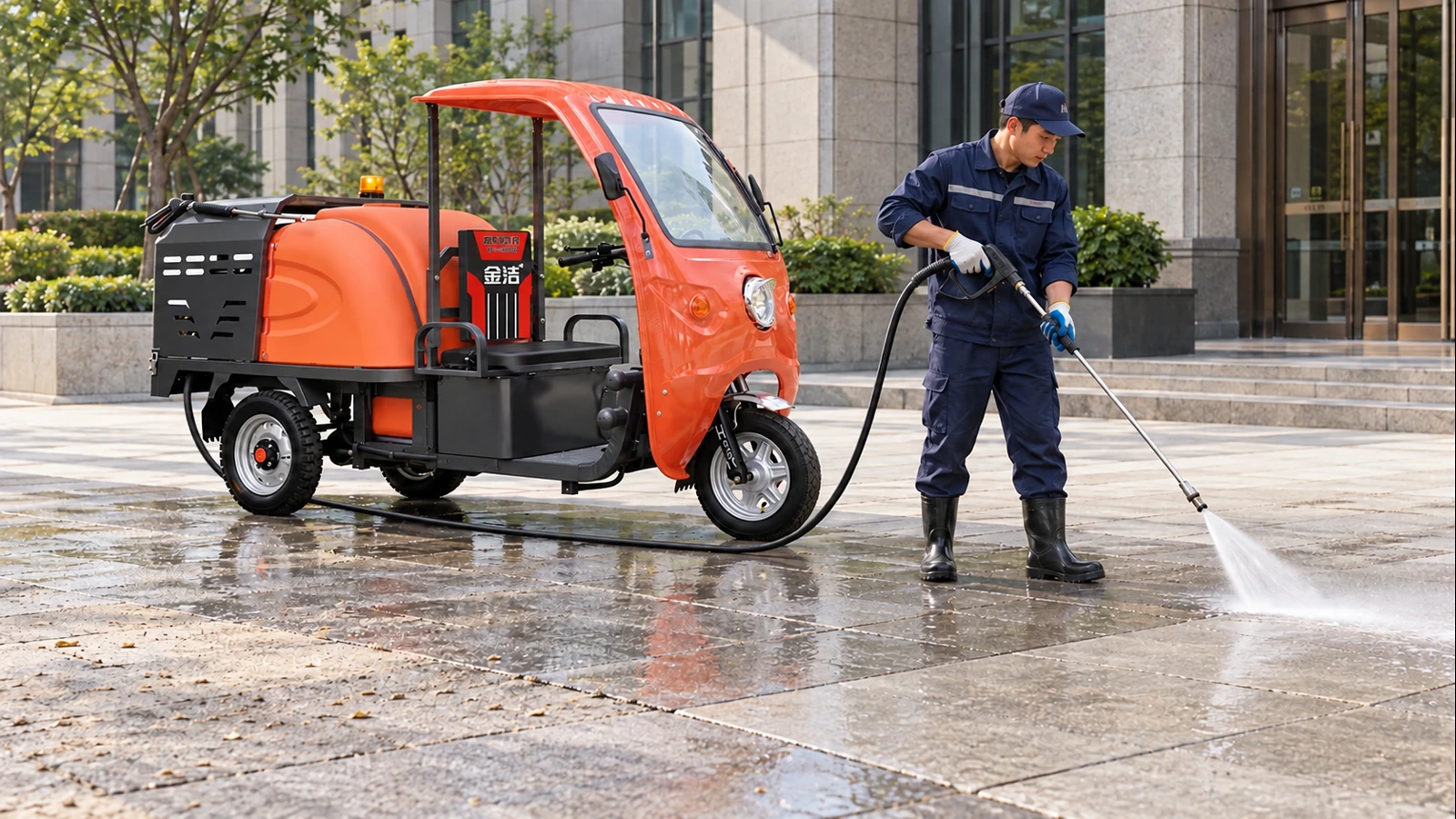
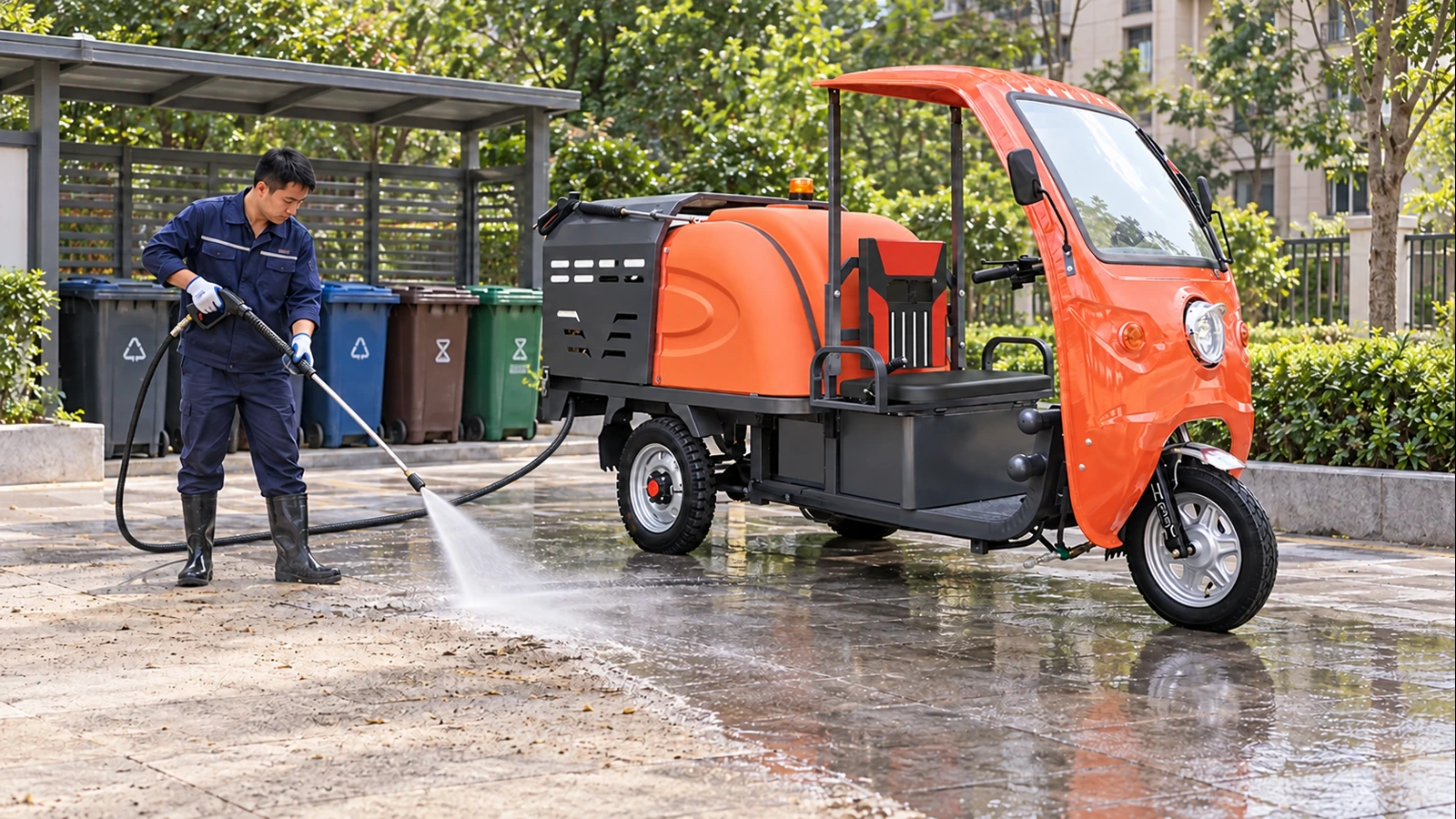
JC-500JY combines a three-wheel mobile platform and 500 L tank for road water-assisted cleaning and local washing organised around refill points. Carrying water between dispersed points can reduce repeated water handling. It does not replace debris collection, and 500 L does not establish runtime or cleaning area.
Three-wheel platform and 500 L tank
Plan parking, access and water around actual refill points
Less unnecessary water handling and travel
Water-assisted cleaning and local washing
Collect solids first; trial the surface and control water and discharge
Cleaner edges with less drain-entry rework
Jinjie JC-500JY · JC-500JY combines a three-wheel mobile platform and 500 L tank for road water-assisted cleaning and local washing organised around refill points. Carrying water between dispersed points can reduce repeated water handling. It does not replace debris collection, and 500 L does not establish runtime or cleaning area.
03 · A better cleaning workflow and customer value
Collect solids before using controlled water on washable dust and sediment to limit rework from pushing waste into drains. Planning stops, refills and wastewater routes can reduce unnecessary travel and make edge maintenance more continuous. Surface trials, isolation and residual-water checks remain necessary for finish protection and slip control.
Less unnecessary water handling and travel
Scattered stops require repeated water handling · Plan parking, access and water around actual refill points
Cleaner edges with less drain-entry rework
Dust and sediment mix with solid waste · Collect solids first; trial the surface and control water and discharge
Match tools, the material and the working route before comparing labour, time, consumables and maintenance costs. The potential value depends on suitable conditions and correct operation; no fixed saving or damage-free result is promised.
Limit work to washable ordinary exterior hard floors and non-hazardous soil. Confirm this vehicle’s actual pressure, flow, nozzle and supply configuration. Separate pedestrians and traffic and assess loading, turning, grades, parking and refilling; vehicle type does not establish road-use permission. Keep water away from live electrics and control discharge to the approved wastewater route.
Working method, evidence and original professional analysis
Task-specific equipment selection
Washing loose dust from residential roads | JC-500JY task planning
Site, material and contamination
Estate side roads collect dust and sediment around edges and drain entrances. Uncontrolled washing can move debris into drains and conflict with residents. Collect solids first, then organise spot work and wastewater routes in lower-traffic windows.
Equipment basis and model differences
JC-500JY combines a three-wheel mobile platform and 500 L tank for road water-assisted cleaning and local washing organised around refill points. Carrying water between dispersed points can reduce repeated water handling. It does not replace debris collection, and 500 L does not establish runtime or cleaning area.
Model configuration and selection
Check model-specific configurations against the machine and order before purchase.
| Model | Current basis and limits |
|---|---|
| JC-500JY | JC-500JY combines a three-wheel mobile platform and 500 L tank for road water-assisted cleaning and local washing organised around refill points. Carrying water between dispersed points can reduce repeated water handling. It does not replace debris collection, and 500 L does not establish runtime or cleaning area. |
| Site problem | Equipment / conditions | Suggested method | Potential value |
|---|---|---|---|
| Scattered stops require repeated water handling | Three-wheel platform and 500 L tank | Plan parking, access and water around actual refill points | Less unnecessary water handling and travel |
| Dust and sediment mix with solid waste | Water-assisted cleaning and local washing | Collect solids first; trial the surface and control water and discharge | Cleaner edges with less drain-entry rework |
Working method, accessories and site supply
- Inspect surfaces and soil and collect packaging, leaves and other solids.
- Confirm refilling, water supply and drainage, then trial a suitable nozzle.
- Separate traffic and pedestrians, park securely and work by section under the vehicle instructions.
- Collect sludge and residues and check water and drain entrances before reopening.
Limits and safety
Limit work to washable ordinary exterior hard floors and non-hazardous soil. Confirm this vehicle’s actual pressure, flow, nozzle and supply configuration. Separate pedestrians and traffic and assess loading, turning, grades, parking and refilling; vehicle type does not establish road-use permission. Keep water away from live electrics and control discharge to the approved wastewater route.
Questions for this task
Prepare site information
Send site photos, materials, soil, area or route, work windows, current configuration, water and waste arrangements and reopening requirements.
FAQ
Why consider JC-500JY?
JC-500JY combines a three-wheel mobile platform and 500 L tank for road water-assisted cleaning and local washing organised around refill points. Carrying water between dispersed points can reduce repeated water handling. It does not replace debris collection, and 500 L does not establish runtime or cleaning area.
What site information is needed?
Provide photos, materials and soil, area or route, traffic windows, supplies and waste arrangements, and confirm model-specific tools and operating conditions.
Are productivity or fixed savings guaranteed?
Illustrations and theoretical figures do not establish fixed savings. Record results, inputs and reopening time during a site trial before calculating benefits.
What site information is needed for selection?
Send site photos, materials, soil, area or route, work windows, current configuration, water and waste arrangements and reopening requirements.
Select equipment for the actual site
Send site photos, materials, soil, area or route, work windows, current configuration, water and waste arrangements and reopening requirements.
Jinjie JC-500JY · Selection enquiryCompare application plansModels and original application images
Compare each model against its own configuration and the actual route, material and site services.
Jinjie JC-500JY
Current model
JC-500JY combines a three-wheel mobile platform and 500 L tank for road water-assisted cleaning and local washing organised around refill points. Carrying water between dispersed points can reduce repeated water handling. It does not replace debris collection…
Jinjie JC-500JY
JC-500JY combines a three-wheel mobile platform and 500 L tank for road water-assisted cleaning and local washing organised around refill points. Carrying water between dispersed points can reduce repeated water handling. It does not replace debris collection…
Jinjie JC-500JY
JC-500JY combines a three-wheel mobile platform and 500 L tank for road water-assisted cleaning and local washing organised around refill points. Carrying water between dispersed points can reduce repeated water handling. It does not replace debris collection…
JC-1800 four-wheel road washing vehicle
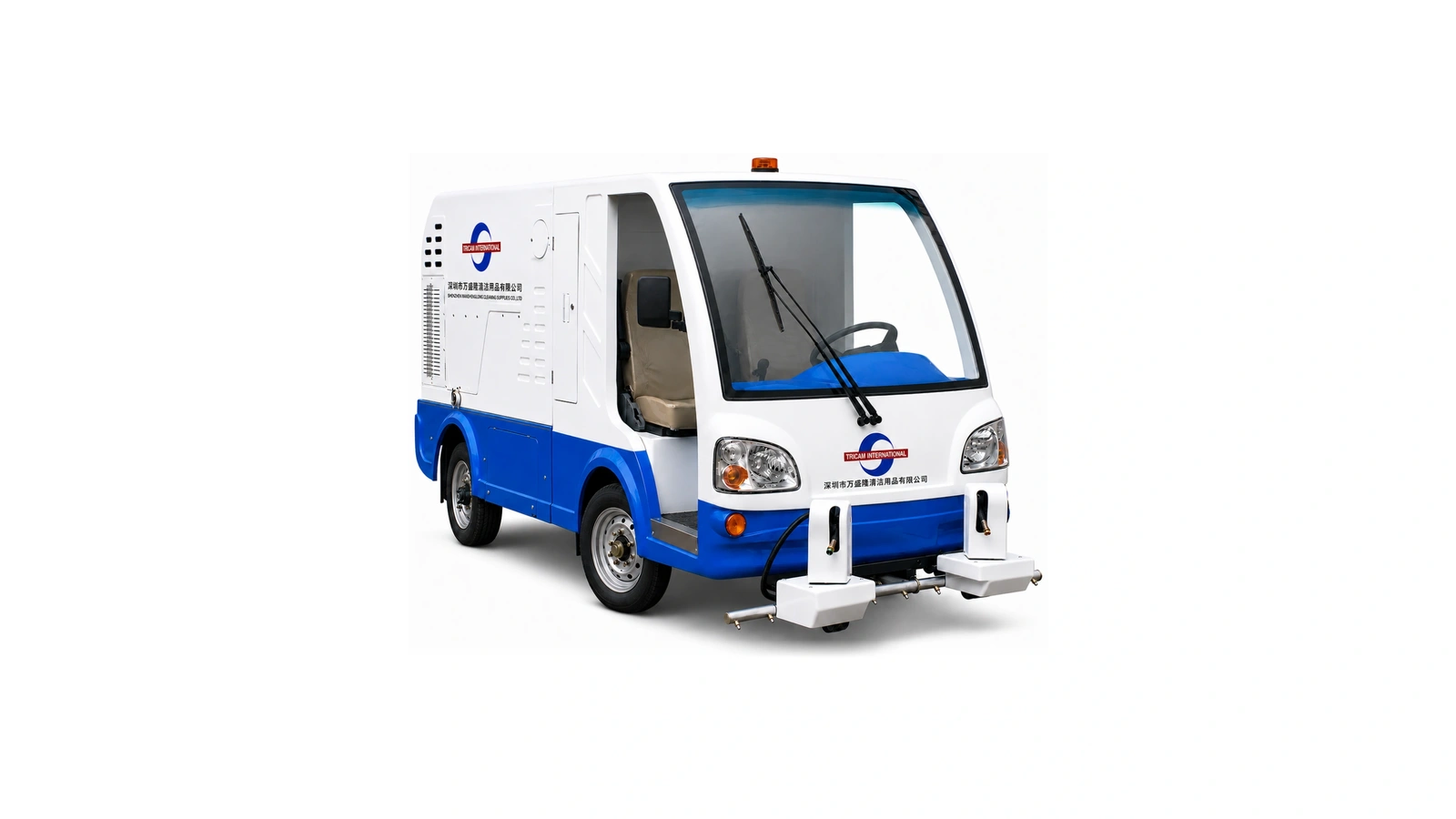
JC-1800 combines a four-wheel mobile platform and onboard water storage for road washing, with longer routes planned only after access and configuration checks. Select it separately from other vehicles on this task page by space, refill and route conditions, …
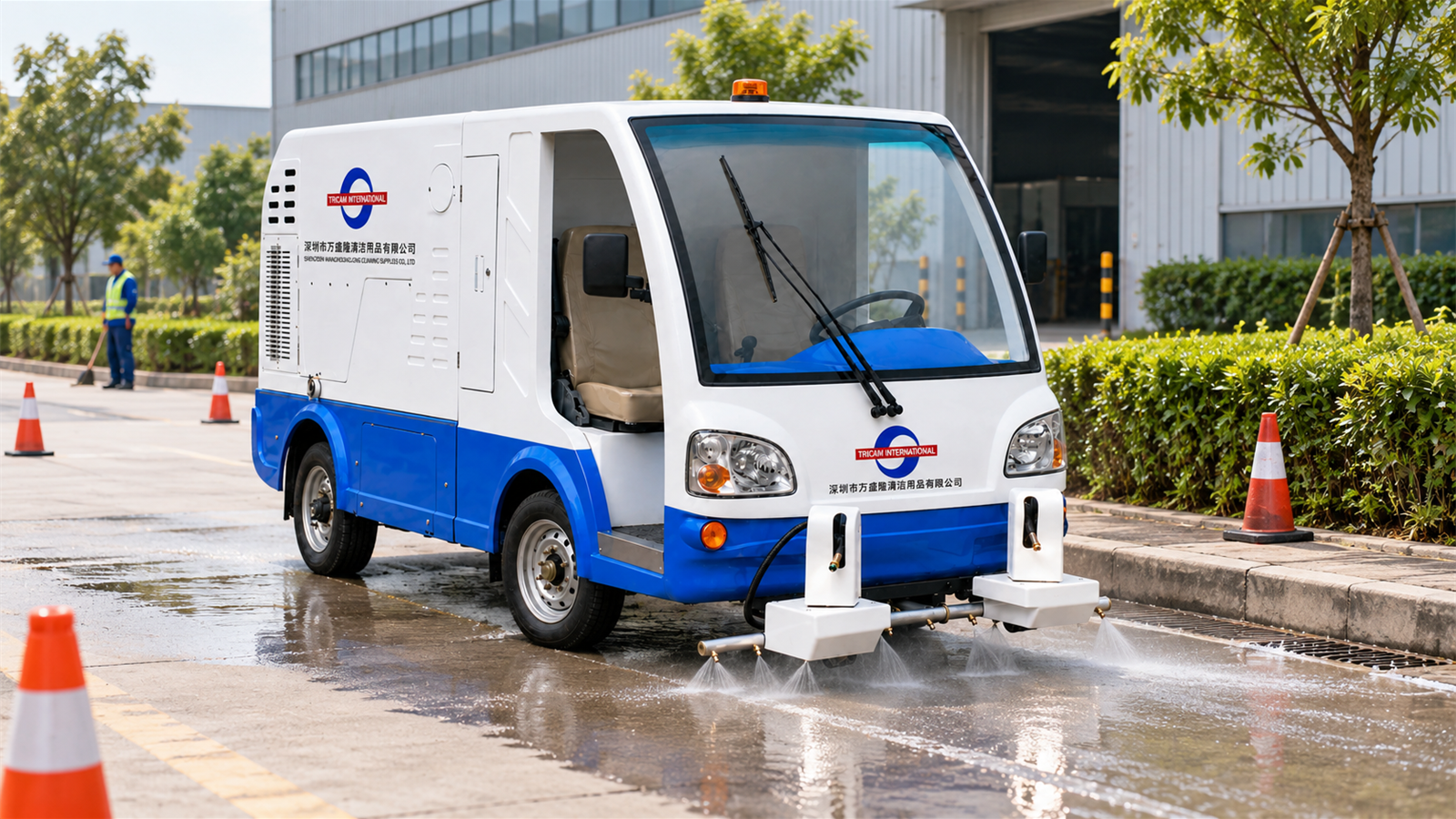
JC-1800 four-wheel road washing vehicle
JC-1800 combines a four-wheel mobile platform and onboard water storage for road washing, with longer routes planned only after access and configuration checks. Select it separately from other vehicles on this task page by space, refill and route conditions, …
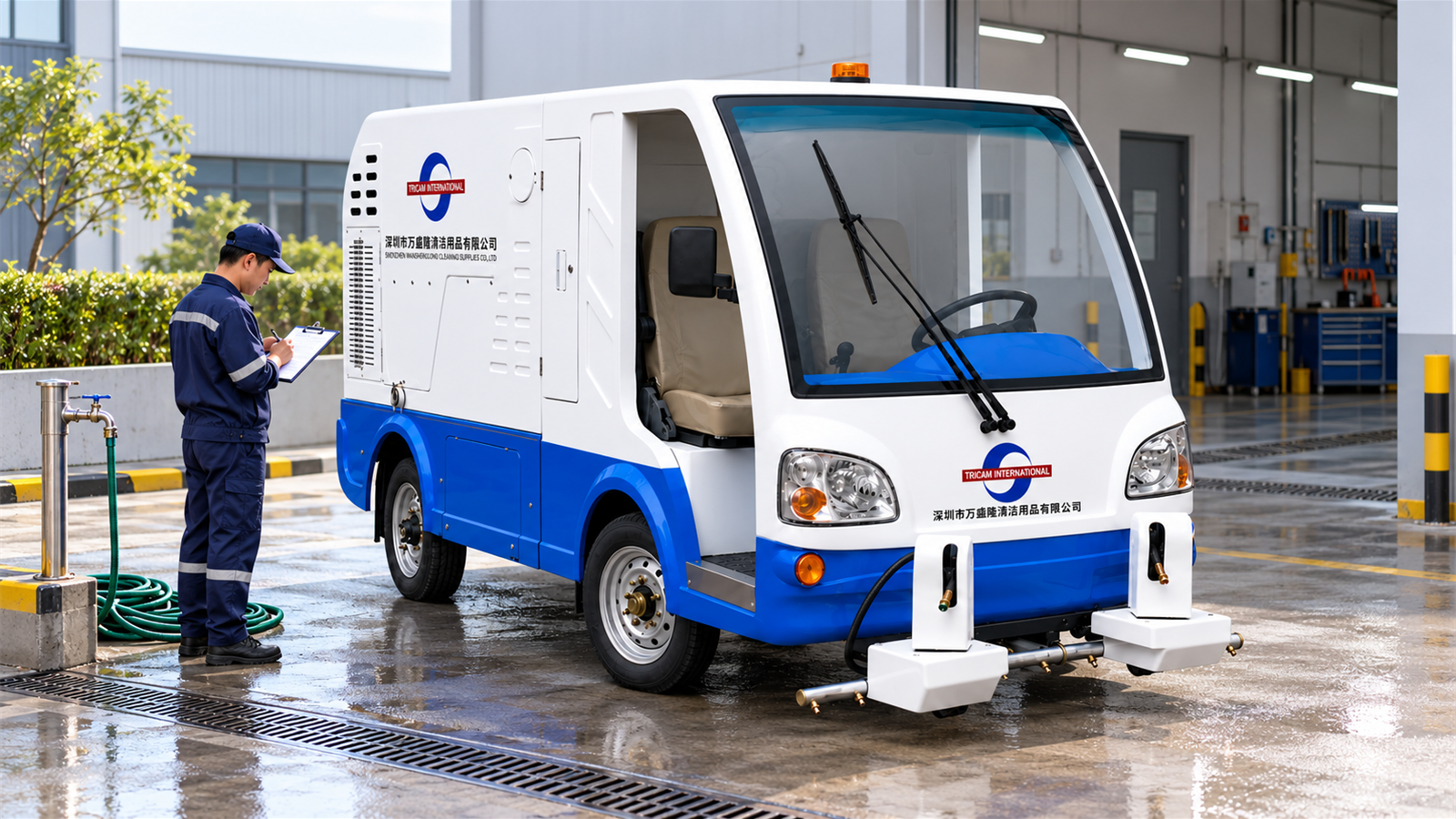
JC-1800 four-wheel road washing vehicle
JC-1800 combines a four-wheel mobile platform and onboard water storage for road washing, with longer routes planned only after access and configuration checks. Select it separately from other vehicles on this task page by space, refill and route conditions, …
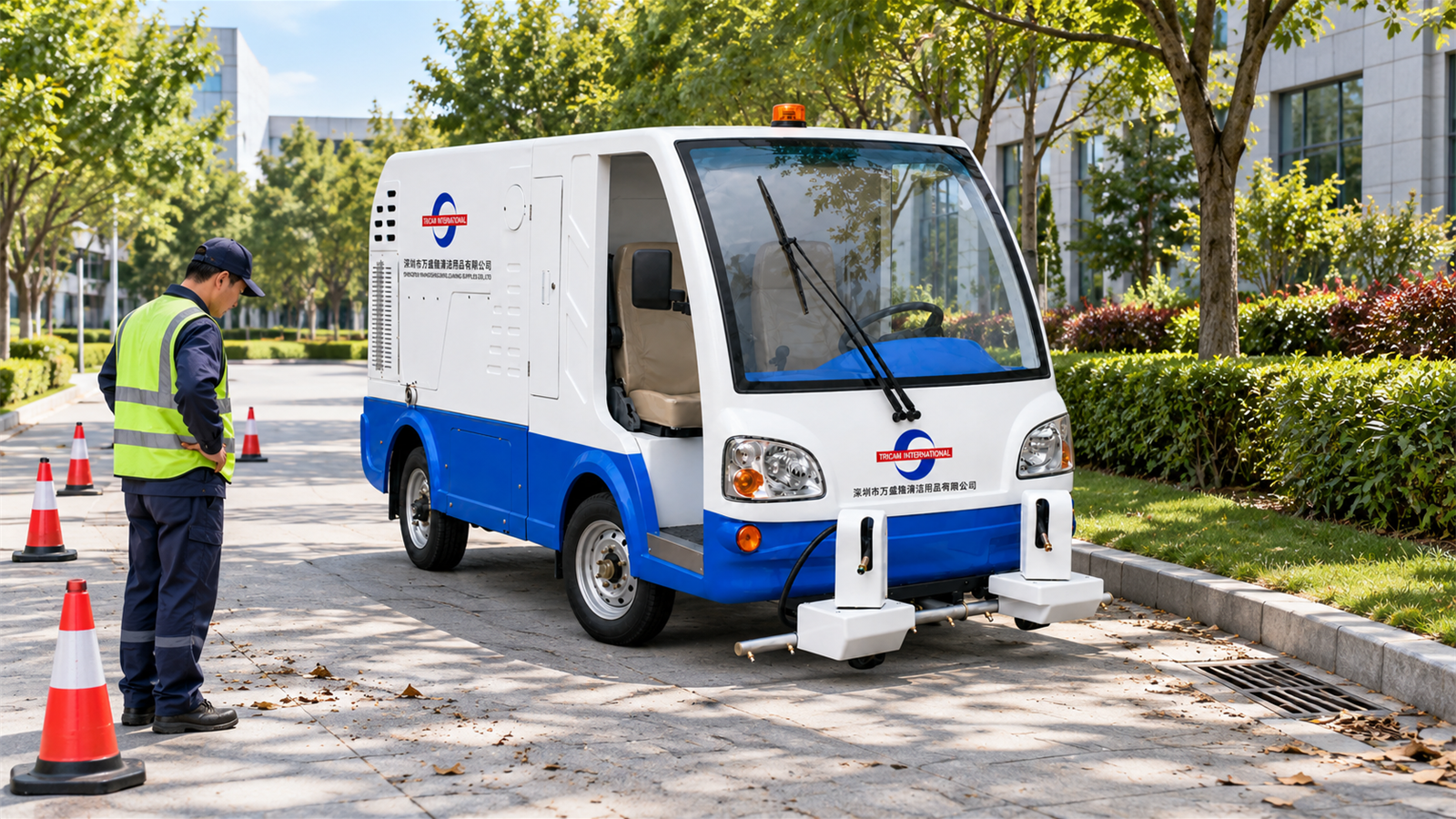
JC-1800 four-wheel road washing vehicle
JC-1800 combines a four-wheel mobile platform and onboard water storage for road washing, with longer routes planned only after access and configuration checks. Select it separately from other vehicles on this task page by space, refill and route conditions, …