
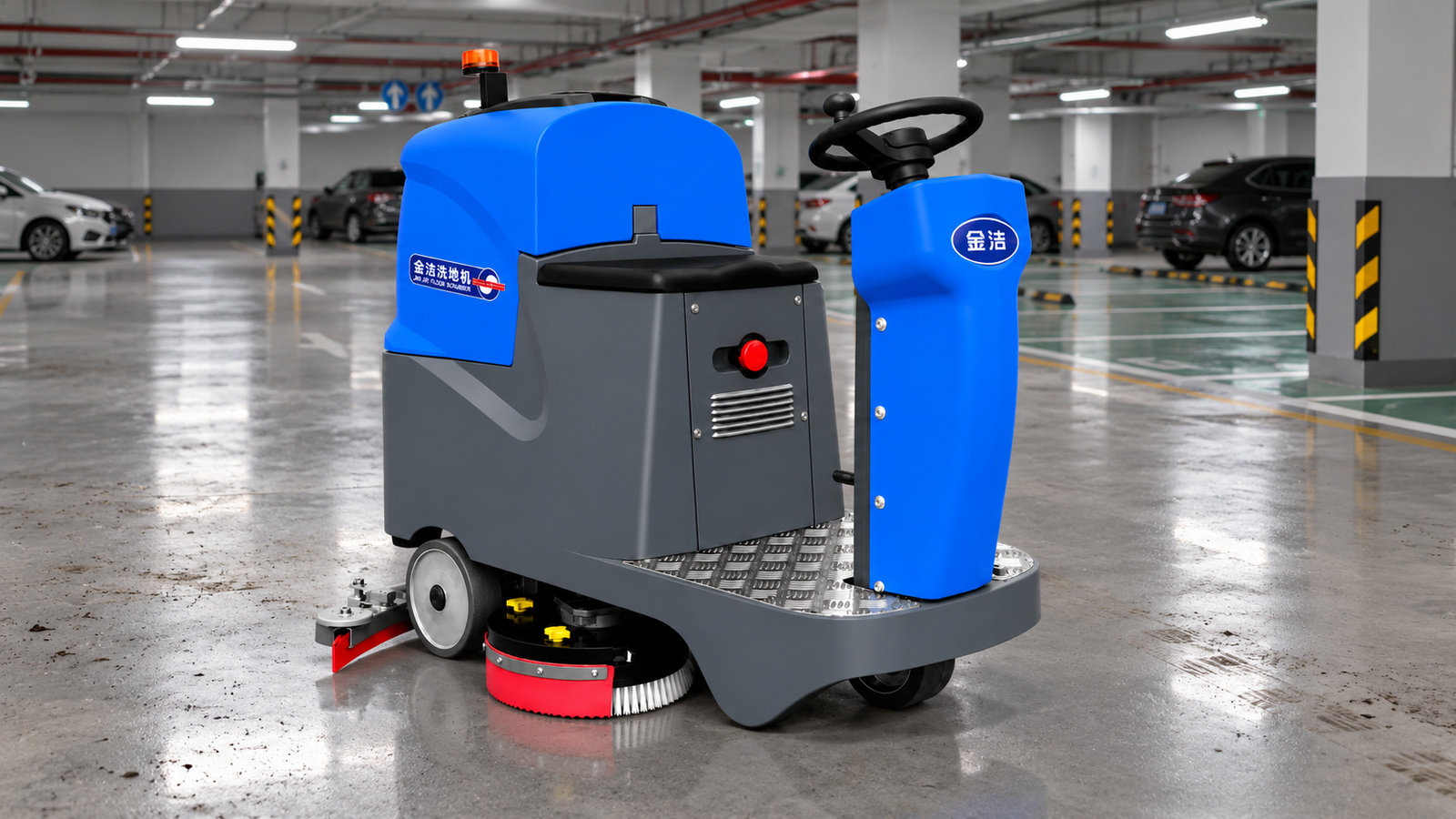
Selected model: Jinjie J-66BF
Typical application · Equipment selectionRide-on cleaning on level garage lanes: isolate vehicles and inspect residual water
Jinjie J-66BF
A coordinated scrub, recovery and reopening workflow can reduce dirty-water tracking and repeat mopping, helping organise shifts. Suitable pads and a trial also help limit surface-damage risk.
01 · What makes this task difficult?
Tracked-in dust and light soil spread along parking lanes, around columns and bay ends. Repeated mopping can miss edges and carry dirty water back onto cleaned areas.
Route and soil
Remove coarse debris, separate vehicles and pedestrians, then scrub and recover by lane. Check squeegee contact and residual water before reopening. Assess ramps separately.
02 · Why consider this Jinjie machine?
J-66BF combines ride-on scrubbing and wastewater recovery for sectional maintenance on suitable level hard floors. Use the machine on accessible lanes and separate edge tools around columns and inaccessible areas.
Plan around this machine
Remove coarse debris, separate vehicles and pedestrians, then scrub and recover by lane. Check squeegee contact and residual water before reopening. Assess ramps separately.
A coordinated scrub, recovery and reopening workflow can reduce dirty-water tracking and repeat mopping, helping organise shifts. Suitable pads and a trial also help limit surface-damage risk.
Jinjie J-66BF · J-66BF combines ride-on scrubbing and wastewater recovery for sectional maintenance on suitable level hard floors. Use the machine on accessible lanes and separate edge tools around columns and inaccessible areas.
03 · A better cleaning workflow and customer value
A coordinated scrub, recovery and reopening workflow can reduce dirty-water tracking and repeat mopping, helping organise shifts. Suitable pads and a trial also help limit surface-damage risk.
A coordinated scrub, recovery and reopening workflow can reduce dirty-water tracking and repeat mopping, helping organise shifts. Suitable pads and a trial also help limit surface-damage risk.
Route and soil · Remove coarse debris, separate vehicles and pedestrians, then scrub and recover by lane. Check squeegee contact and residual water before reopening. Assess ramps separately.
Match tools, the material and the working route before comparing labour, time, consumables and maintenance costs. The potential value depends on suitable conditions and correct operation; no fixed saving or damage-free result is promised.
Use only on compatible level wet-cleanable hard floors. Match gradients, turning clearance, coatings and supply conditions to the machine instructions and site. Assess oil films, delicate finishes and electrical areas separately.
Working method, evidence and original professional analysis
Task-specific equipment selection
Level garage and property shared-floor cleaning | J-66BF
Site, material and contamination
Tracked-in dust and light soil spread along parking lanes, around columns and bay ends. Repeated mopping can miss edges and carry dirty water back onto cleaned areas.
Equipment basis and model differences
J-66BF combines ride-on scrubbing and wastewater recovery for sectional maintenance on suitable level hard floors. Use the machine on accessible lanes and separate edge tools around columns and inaccessible areas.
Model configuration and selection
Check model-specific configurations against the machine and order before purchase.
| Model | Current basis and limits |
|---|---|
| J-66BF | J-66BF combines ride-on scrubbing and wastewater recovery for sectional maintenance on suitable level hard floors. Use the machine on accessible lanes and separate edge tools around columns and inaccessible areas. |
| Site problem | Equipment / conditions | Suggested method | Potential value |
|---|---|---|---|
| Route and soil | Plan around this machine | Remove coarse debris, separate vehicles and pedestrians, then scrub and recover by lane. Check squeegee contact and residual water before reopening. Assess ramps separately. | A coordinated scrub, recovery and reopening workflow can reduce dirty-water tracking and repeat mopping, helping organise shifts. Suitable pads and a trial also help limit surface-damage risk. |
Working method, accessories and site supply
- Remove coarse debris, separate vehicles and pedestrians, then scrub and recover by lane. Check squeegee contact and residual water before reopening. Assess ramps separately.
Limits and safety
Use only on compatible level wet-cleanable hard floors. Match gradients, turning clearance, coatings and supply conditions to the machine instructions and site. Assess oil films, delicate finishes and electrical areas separately.
Questions for this task
Prepare site information
Share the finish, area, clear working width, main soil, cleaning window and site photographs.
FAQ
How should tools and pads be chosen?
Match the finish, soil and supplied attachments, then confirm with a small-area trial.
Is a fixed saving guaranteed?
Compare actual area, shifts, labour and consumables; no fixed saving is promised.
When can the floor reopen?
After collecting solution and checking dryness and slip conditions, follow the site reopening procedure.
What site information is needed for selection?
Share the finish, area, clear working width, main soil, cleaning window and site photographs.
Select equipment for the actual site
Share the finish, area, clear working width, main soil, cleaning window and site photographs.
Jinjie J-66BF · Selection enquiryCompare application plansModels and original application images
Compare each model against its own configuration and the actual route, material and site services.
Jinjie J-66BF
Current model
J-66BF combines ride-on scrubbing and wastewater recovery for sectional maintenance on suitable level hard floors. Use the machine on accessible lanes and separate edge tools around columns and inaccessible areas.
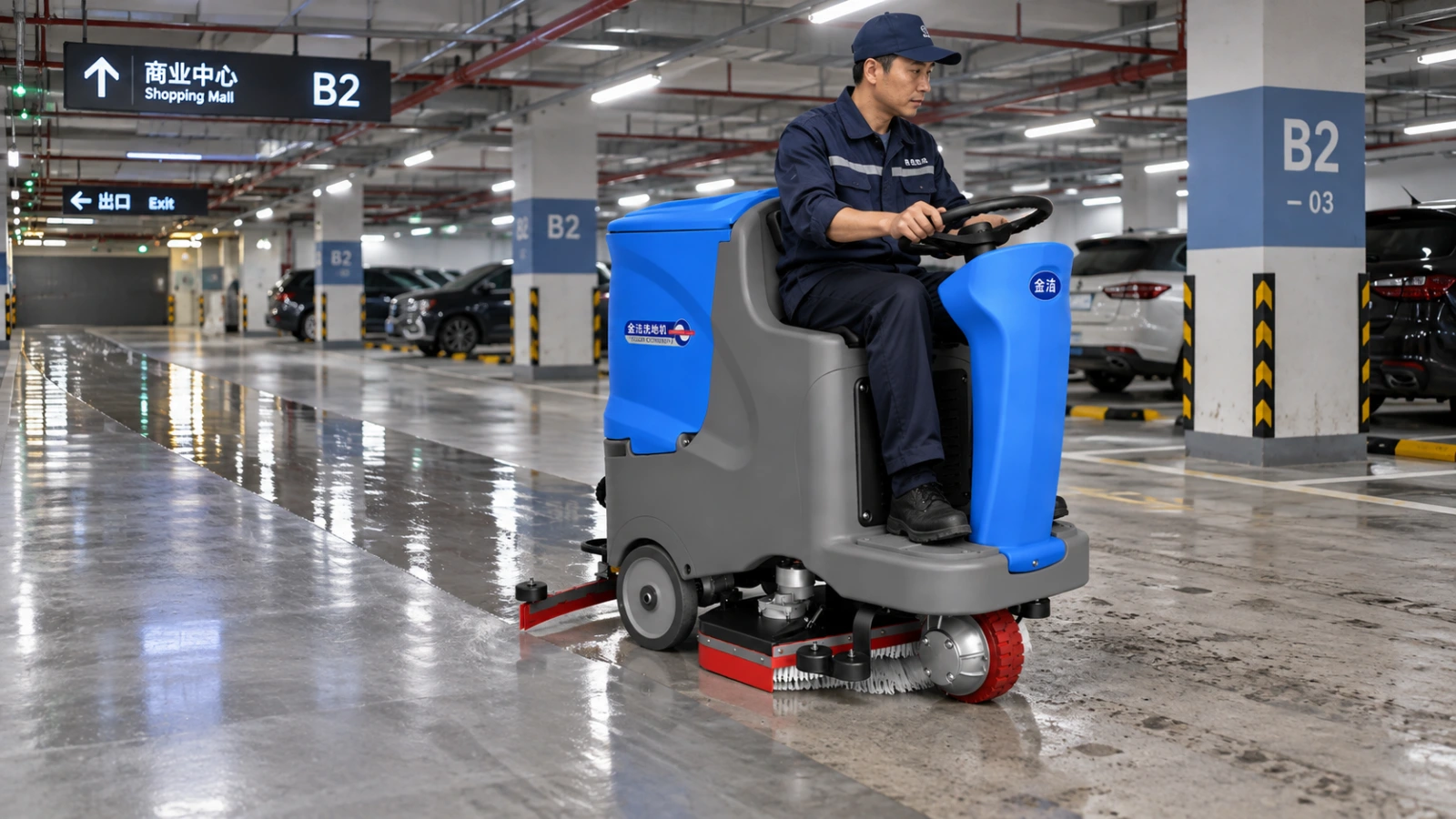
Jinjie J-85BF
J-85BF ride-on scrubbing and wastewater recovery support sectional cleaning of garage main routes with adequate space. Coordinate scrubbing and pickup using compatible pads and detergent for routine scrub-compatible soil to reduce repeated manual mopping. Sel…
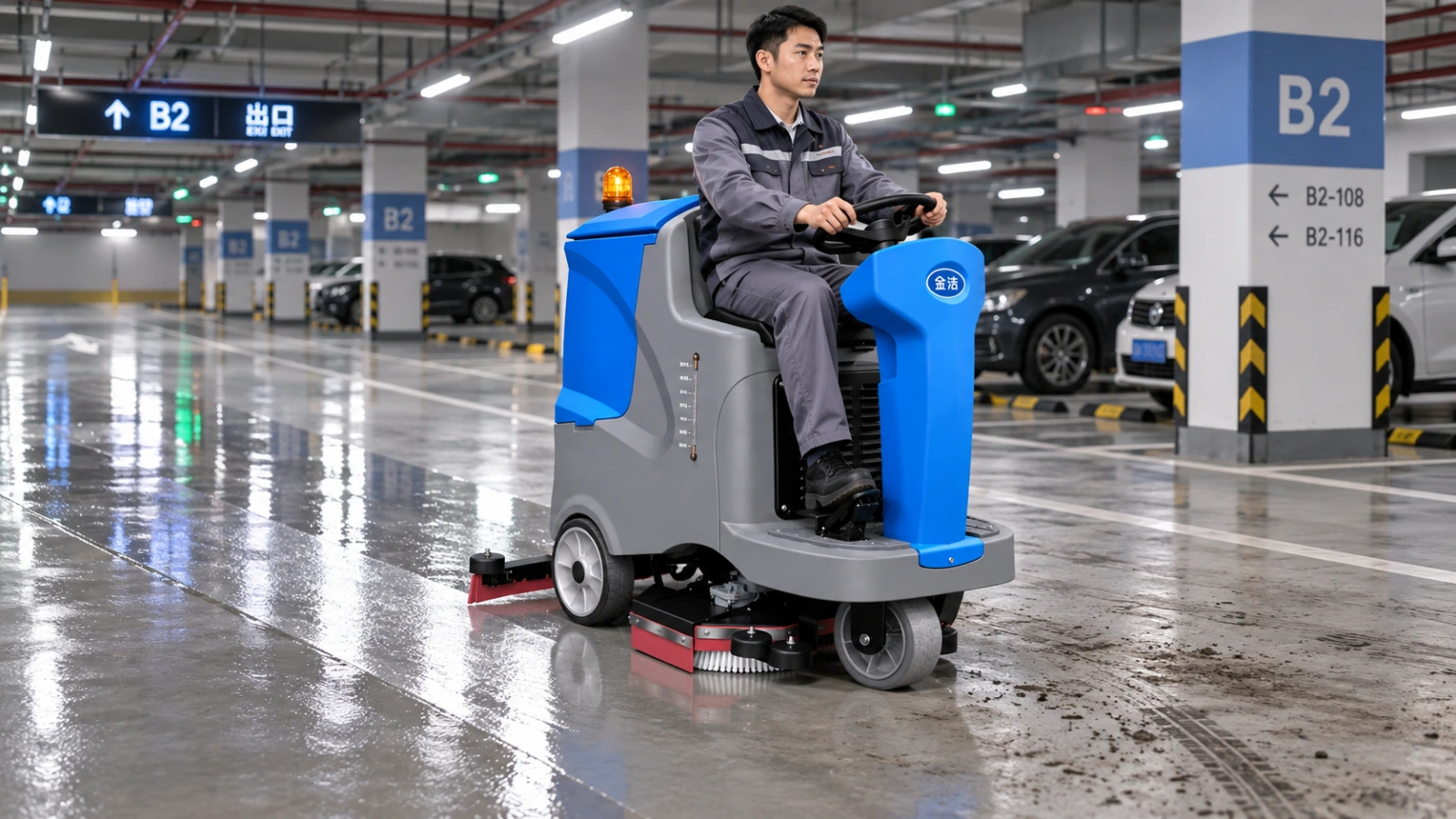
Jinjie J-85BH
Check power, batteries, braking and servicing against each model-specific ride-on configuration. This is not a petrol pressure-washer application; the cleaning-equipment category does not justify petrol operation underground.
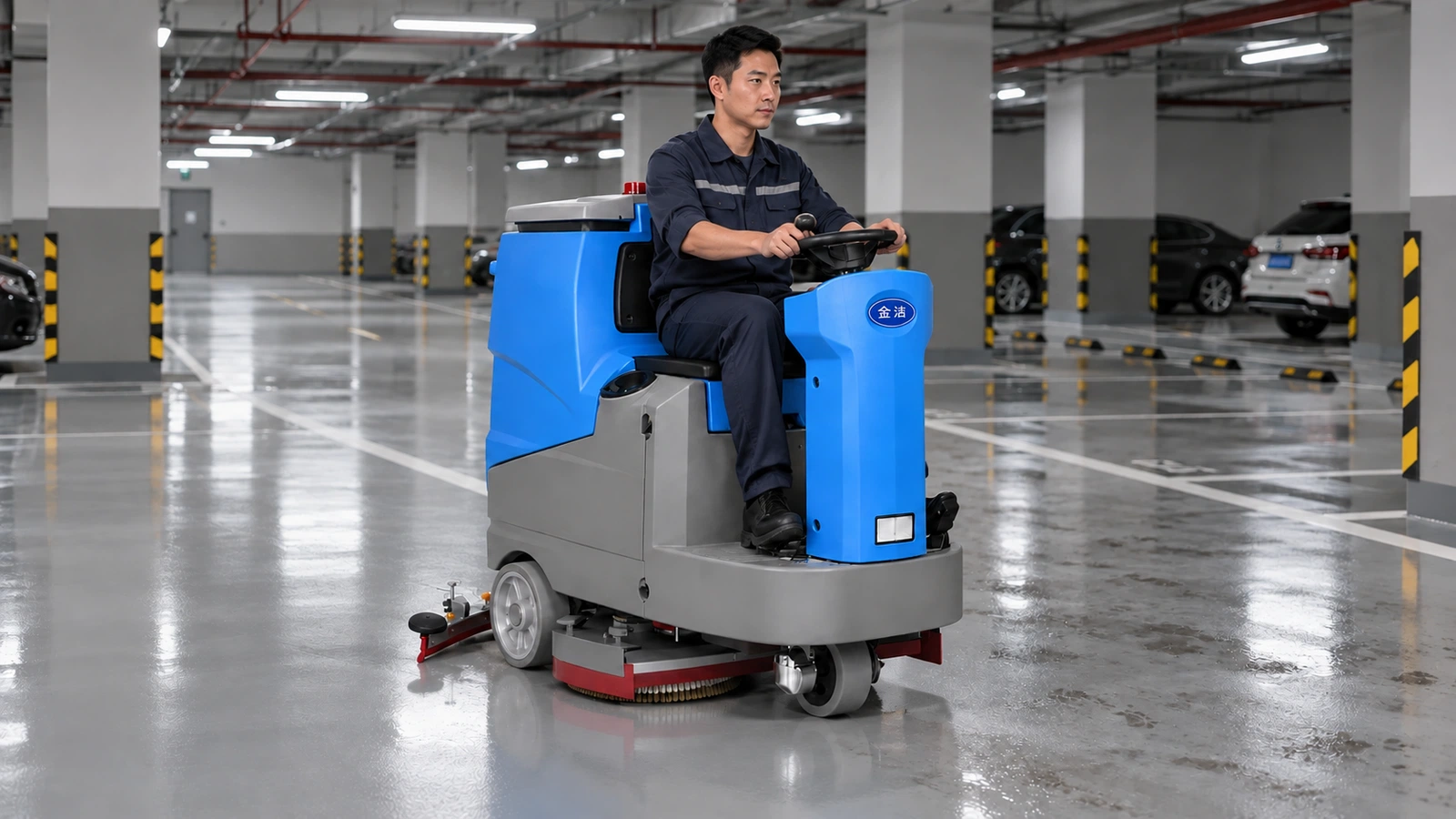
Jinjie J-D8SL mm
Check power, batteries, braking and servicing against each model-specific ride-on configuration. This is not a petrol pressure-washer application; the cleaning-equipment category does not justify petrol operation underground.
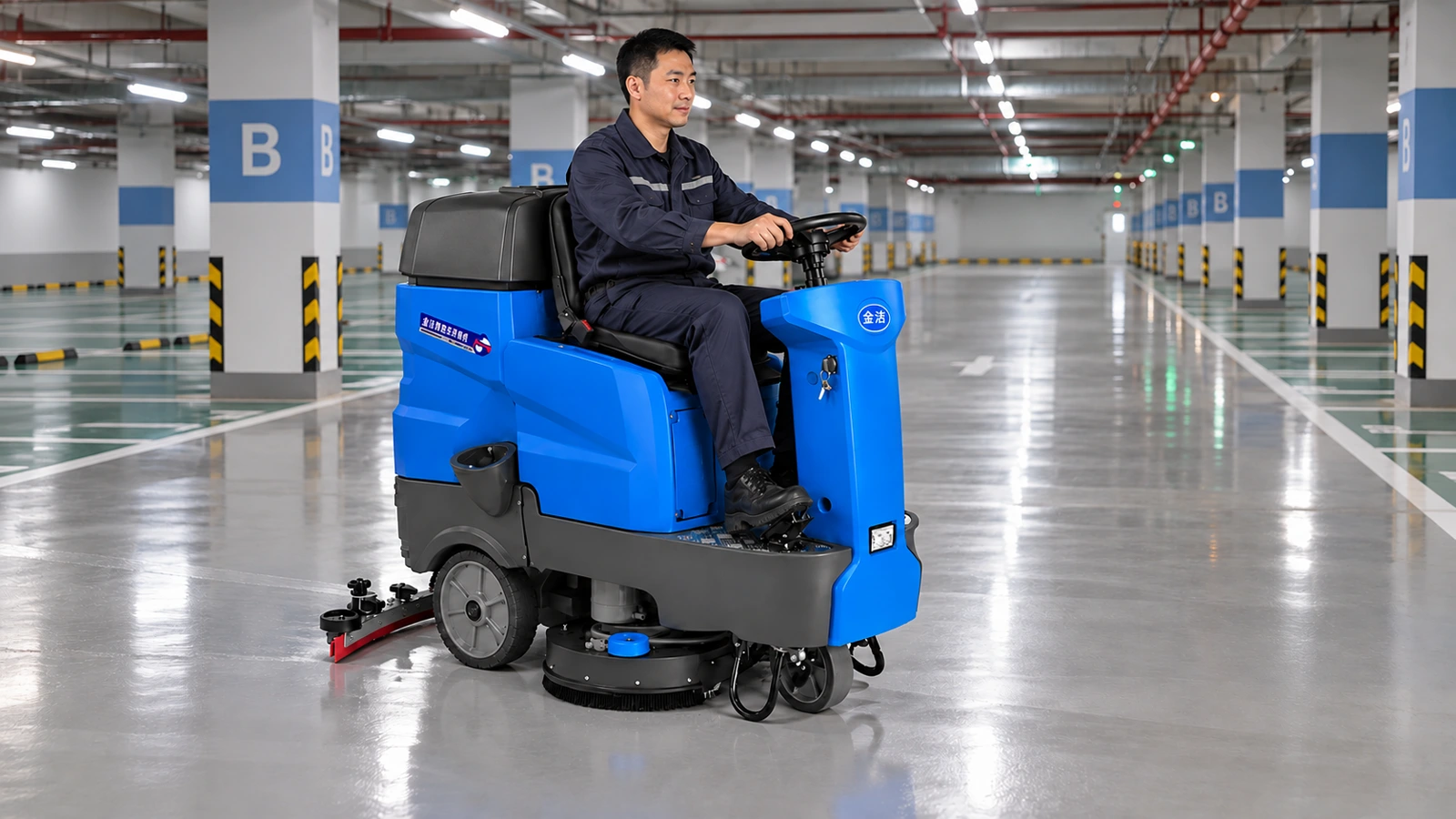
Jinjie J-D9BH
Check power, batteries, braking and servicing against each model-specific ride-on configuration. This is not a petrol pressure-washer application; the cleaning-equipment category does not justify petrol operation underground.
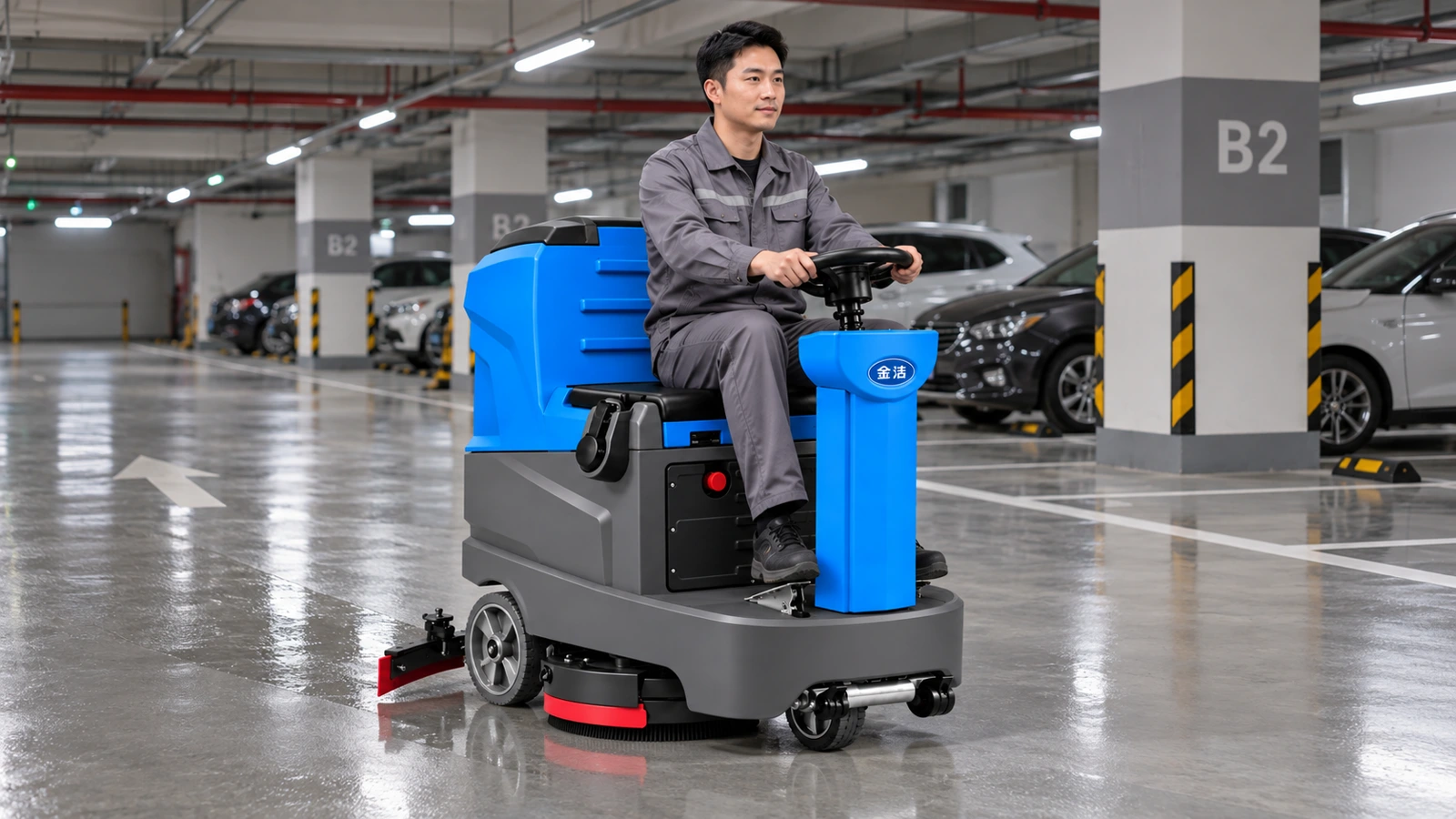
Jinjie J-D7SL mm
Check power, batteries, braking and servicing against each model-specific ride-on configuration. This is not a petrol pressure-washer application; the cleaning-equipment category does not justify petrol operation underground.
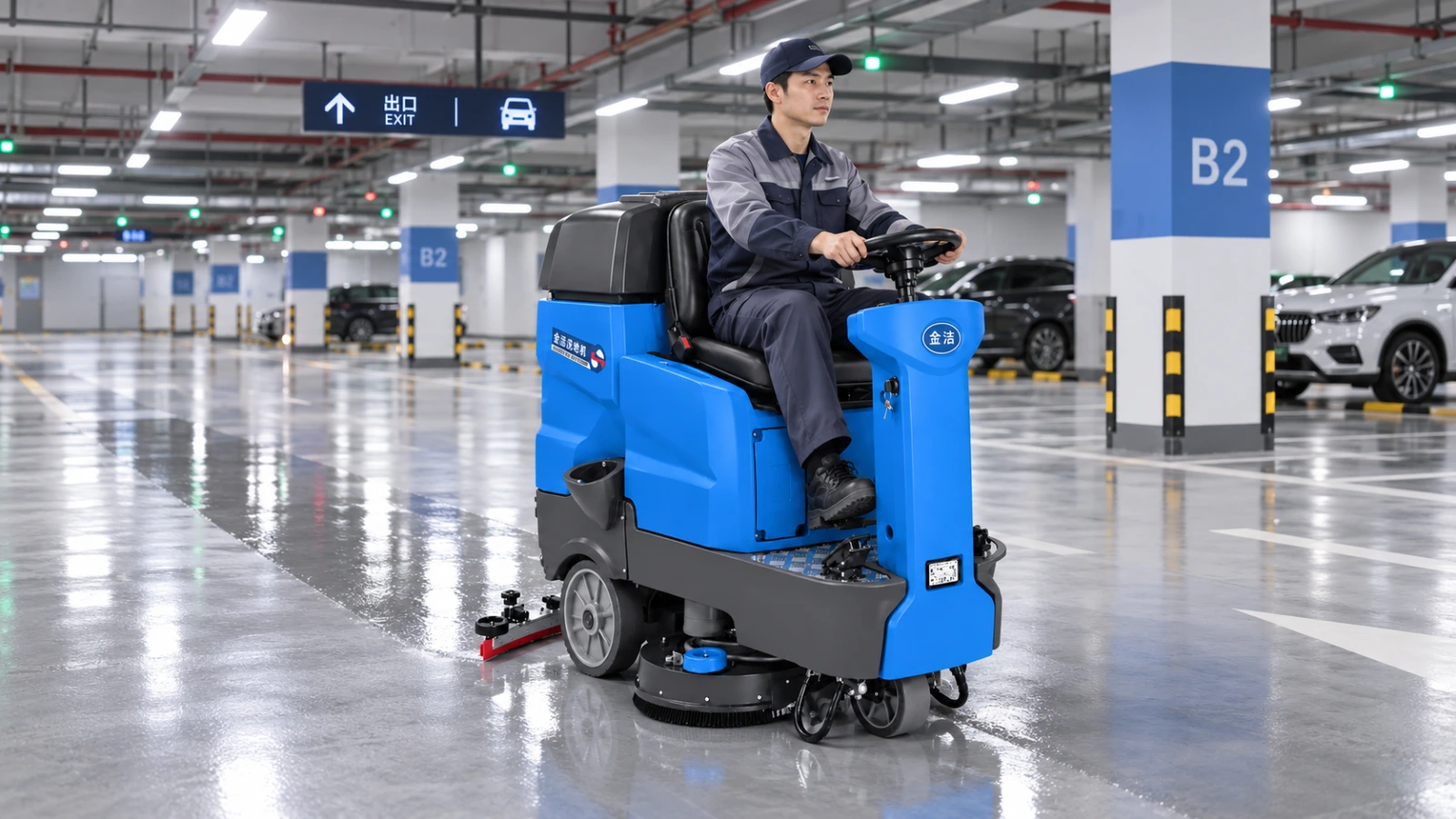
Jinjie J-D9BF
Check power, batteries, braking and servicing against each model-specific ride-on configuration. This is not a petrol pressure-washer application; the cleaning-equipment category does not justify petrol operation underground.
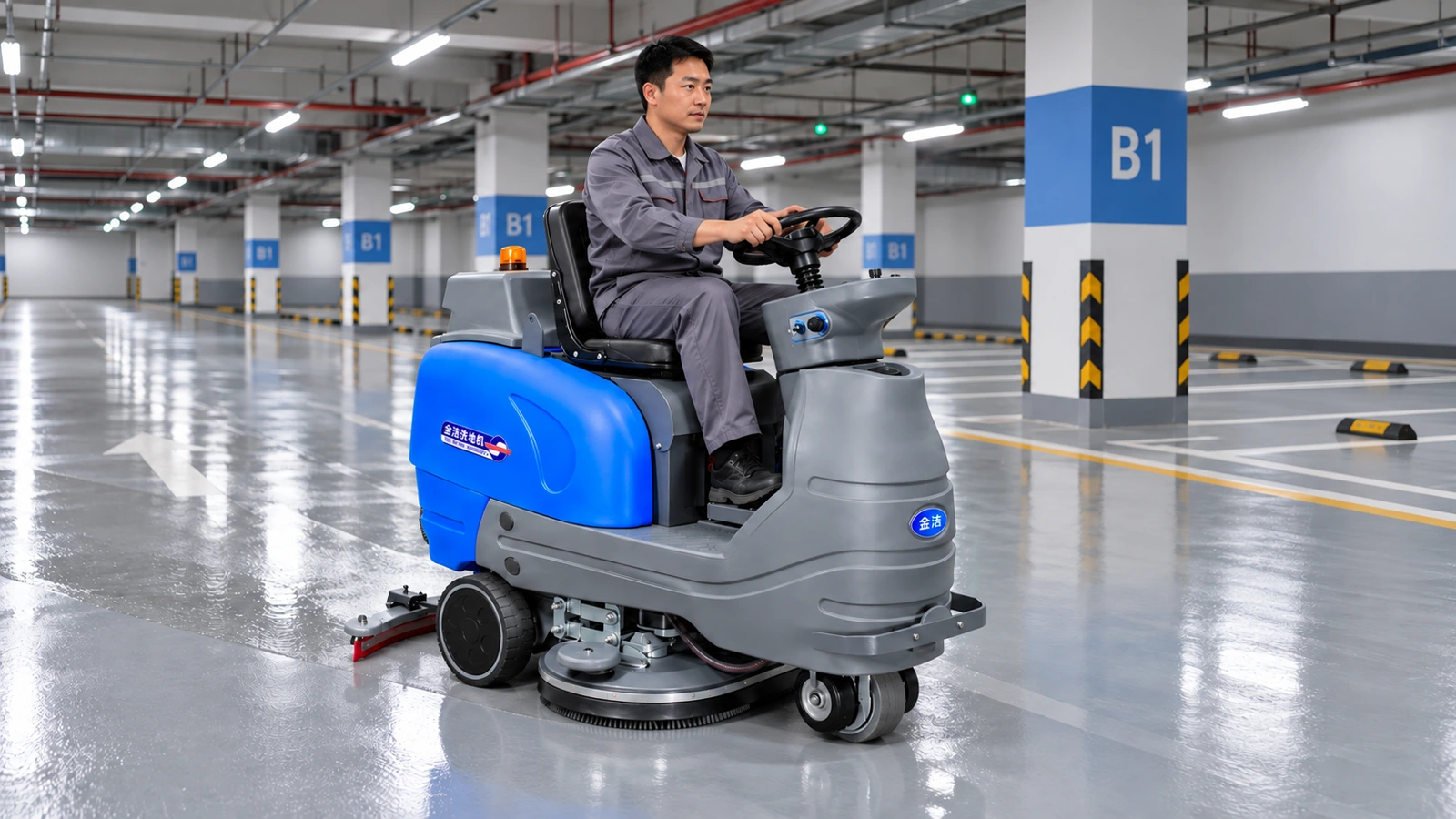
Jinjie J-920B
Check power, batteries, braking and servicing against each model-specific ride-on configuration. This is not a petrol pressure-washer application; the cleaning-equipment category does not justify petrol operation underground.
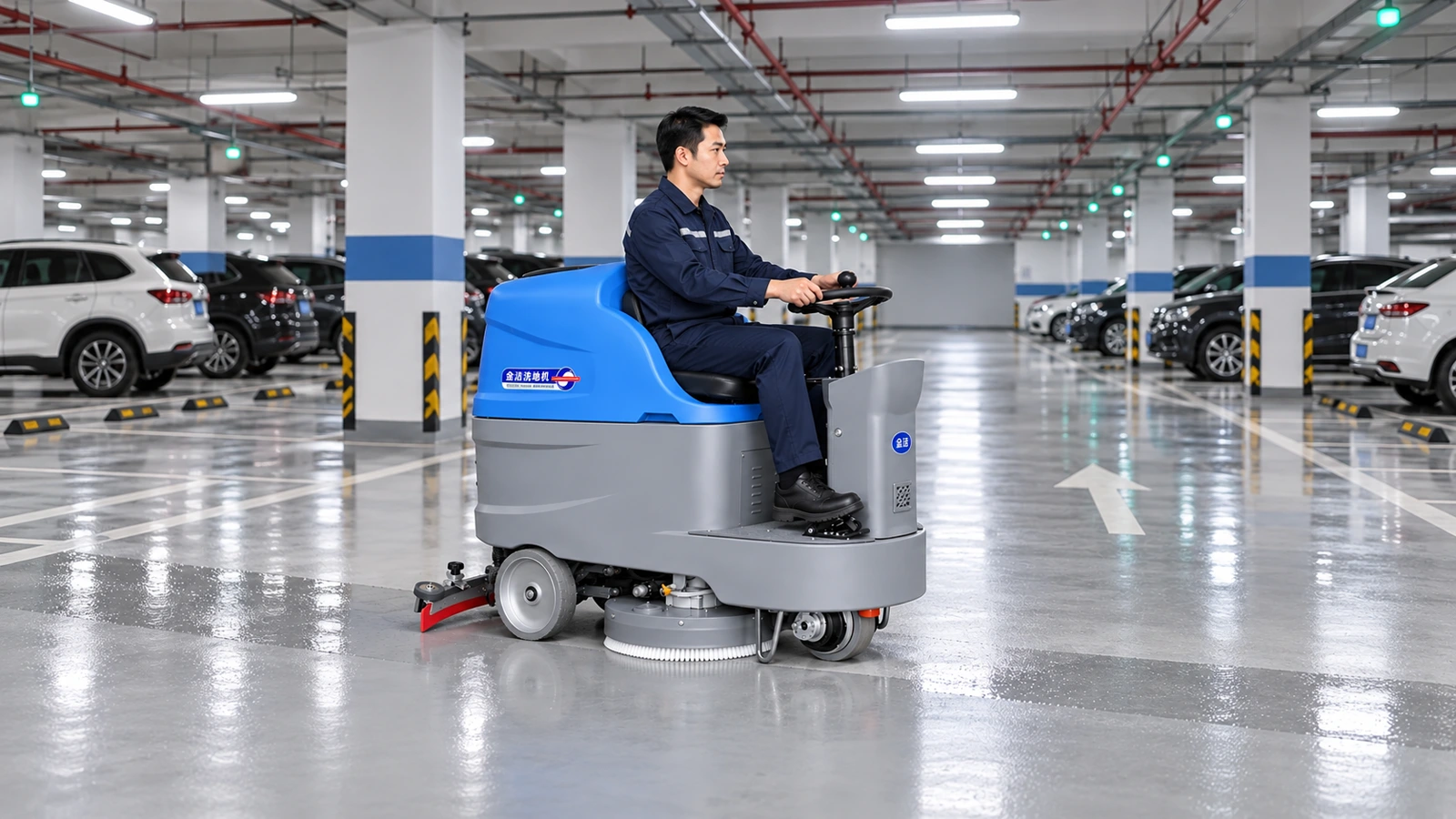
Jinjie J-960B
Assess the current larger ride-on scrubbing and recovery configuration for broad continuous routes, including squeegee clearance and turns. This guidance concerns level floors; slope conditions remain unverified.
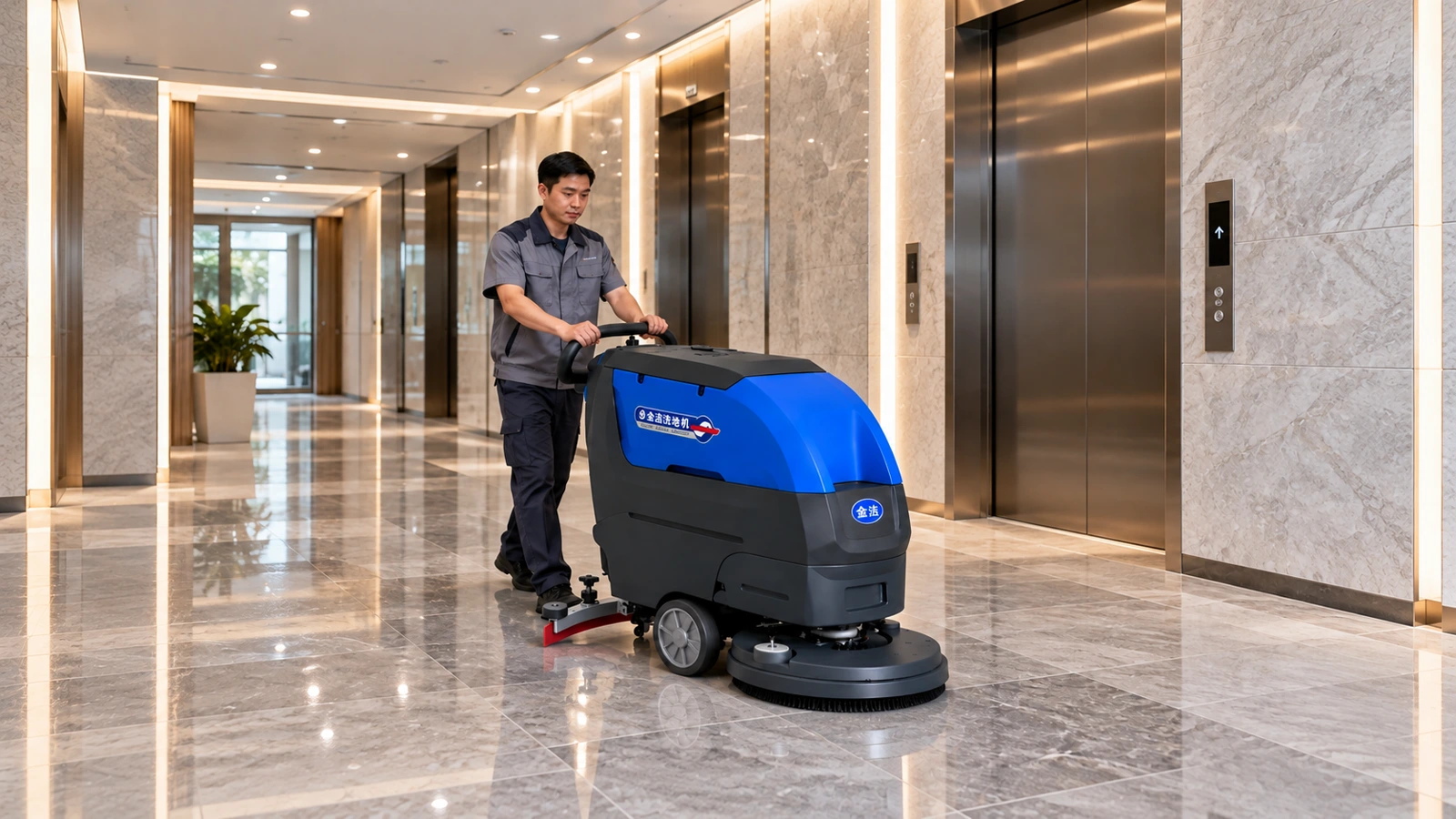
Jinjie J-D3L
Walk-behind handling suits public floor areas where ride-on access is impractical. Check body and squeegee clearance, lift-lobby turns and thresholds. Trial material and residual water with scrubbing and recovery; theoretical area output is not shift producti…
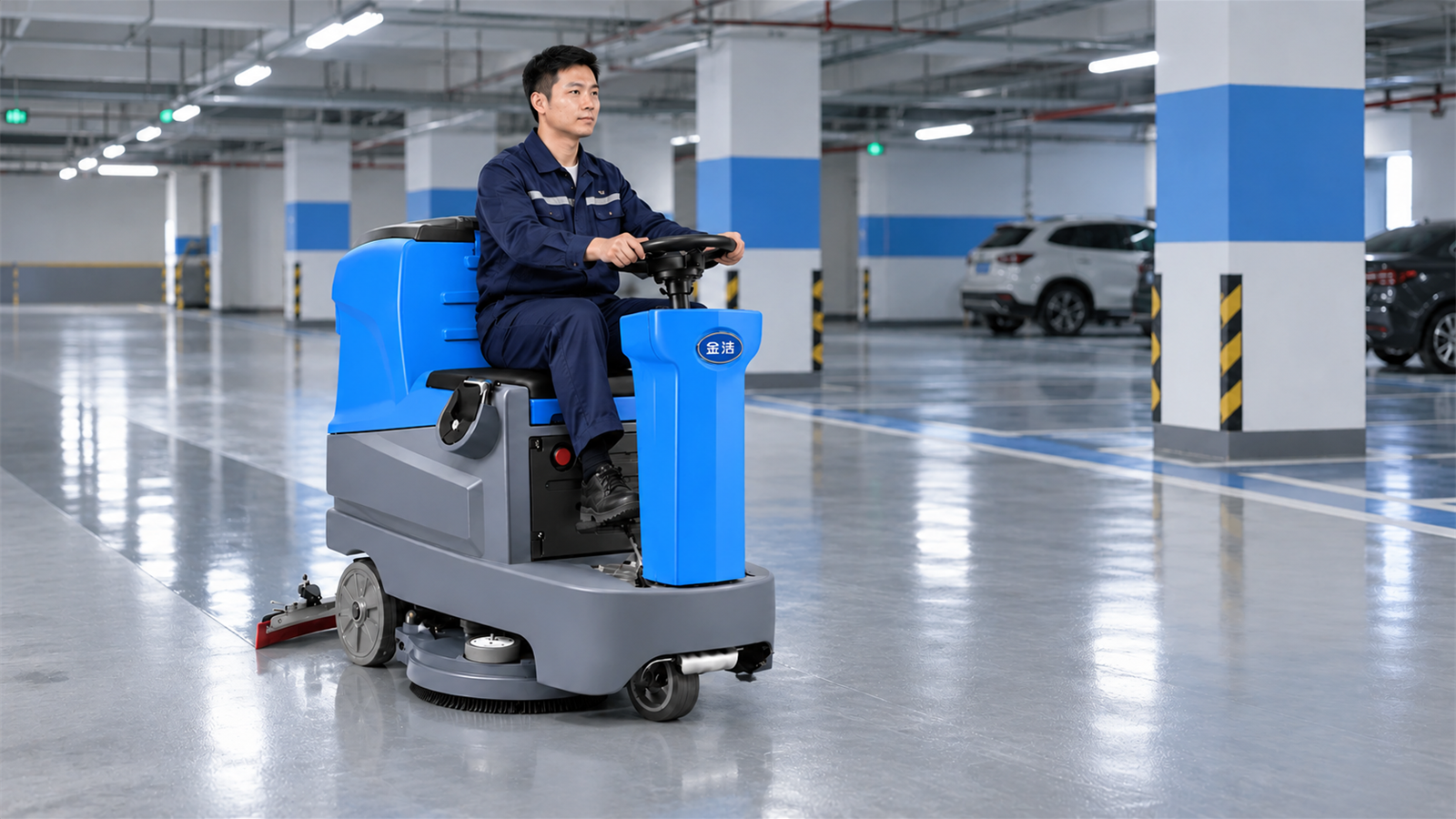
Jinjie J-D6SL ride-on scrubber
J-D6SL ride-on operation suits continuous level lanes after access, turning and water-service checks. Scrubbing and recovery reduce separate mopping and water collection; ramps and slippery areas require separate assessment.