
Selected model: Jinjie J-S130
Typical application · Equipment selectionRegular-route sweeping: repeat tasks, debris collection and human takeover
Jinjie J-S130
Validated repeat routes can reduce unstructured manual rounds, letting staff focus on edges, unloading, maintenance and takeover. Coordinated collection and shifts can improve continuity; assess results, interventions and cost from trials rather than inferring all-day output from demonstrations.
01 · What makes this task difficult?
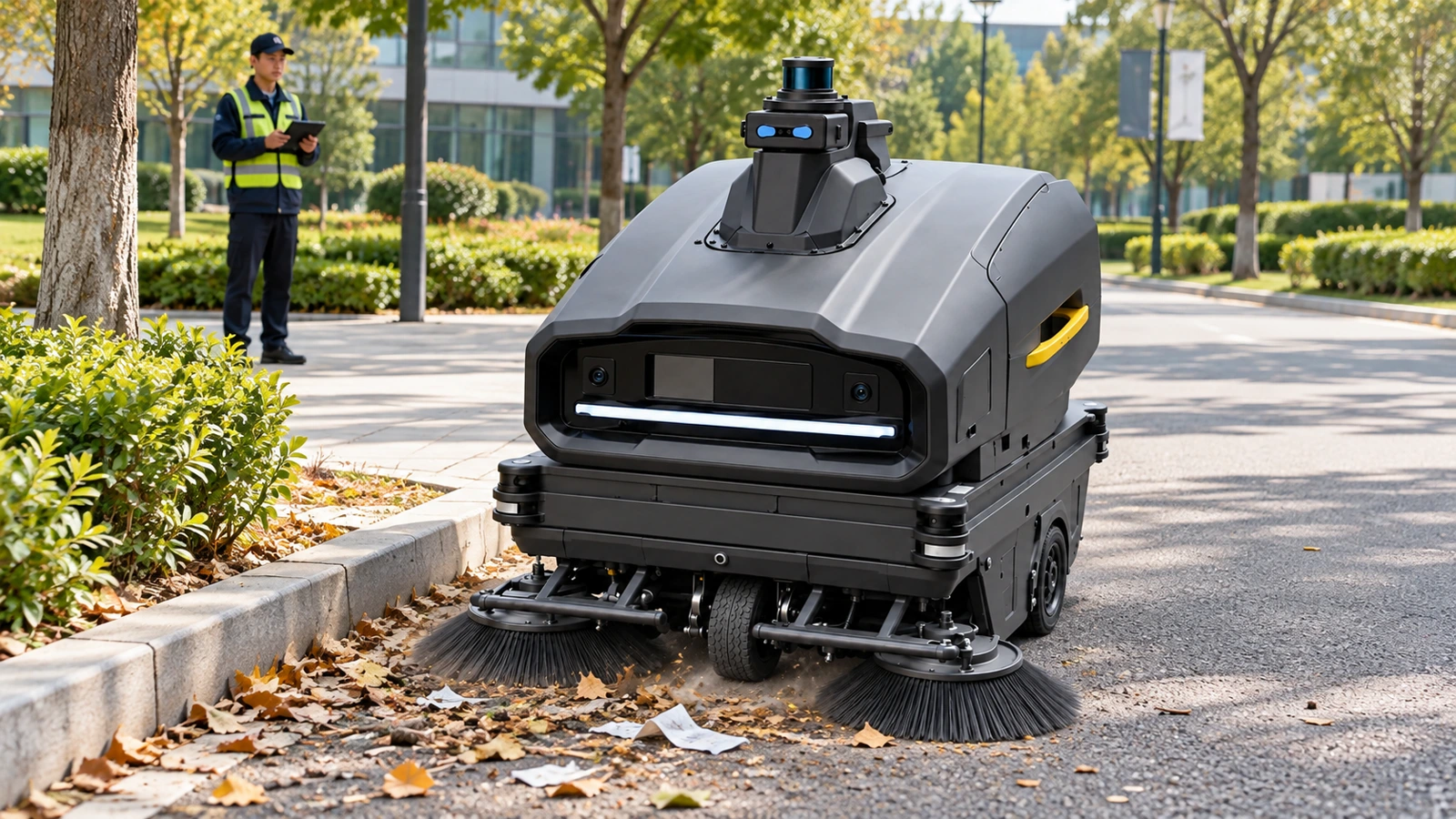
Leaves and paper spread across estate and industrial-perimeter routes, occupying staff on repeated rounds. Moving traffic, obstacles and temporary stock change access. Customers need organised validated ordinary sweeping with timely human handling of exceptions.
Soil, material and routes affect work
Trial material and method, then work sectionally and inspect results
Cleaning conflicts with occupancy or traffic
Plan windows, waste destination and handover inspection
Site conditions must match configuration
Do not borrow other models’ figures or treat options as standard
02 · Why consider this Jinjie machine?
J-S130 supports ordinary debris on regular routes and lower-traffic windows. Verify routes, exclusion boundaries, debris, charging and takeover before deployment. Active avoidance is not absolute safety; complex open roads or long-term unattended operation are not promised. Industrial perimeters are not hazardous-dust zones.
J-S130 real functions and compatible tools
Trial material and method, then work sectionally and inspect results
Reduce unnecessary repeated work
Sections, supplies and human support
Plan windows, waste destination and handover inspection
Organise labour and working time
This model’s instructions, consumables and supply
Do not borrow other models’ figures or treat options as standard
Manage damage, mismatch and rework risks
Jinjie J-S130 · J-S130 supports ordinary debris on regular routes and lower-traffic windows. Verify routes, exclusion boundaries, debris, charging and takeover before deployment. Active avoidance is not absolute safety; complex open roads or long-term unattended operation are not promised. Industrial perimeters are not hazardous-dust zones.
03 · A better cleaning workflow and customer value
Validated repeat routes can reduce unstructured manual rounds, letting staff focus on edges, unloading, maintenance and takeover. Coordinated collection and shifts can improve continuity; assess results, interventions and cost from trials rather than inferring all-day output from demonstrations.
Reduce unnecessary repeated work
Soil, material and routes affect work · Trial material and method, then work sectionally and inspect results
Organise labour and working time
Cleaning conflicts with occupancy or traffic · Plan windows, waste destination and handover inspection
Manage damage, mismatch and rework risks
Site conditions must match configuration · Do not borrow other models’ figures or treat options as standard
Match tools, the material and the working route before comparing labour, time, consumables and maintenance costs. The potential value depends on suitable conditions and correct operation; no fixed saving or damage-free result is promised.
J-S130 supports ordinary debris on regular routes and lower-traffic windows. Verify routes, exclusion boundaries, debris, charging and takeover before deployment. Active avoidance is not absolute safety; complex open roads or long-term unattended operation are not promised. Industrial perimeters are not hazardous-dust zones. Verify the cleaning object, tools and site safety; no damage-free or fixed-saving result is promised. Confirm ordinary dry debris, routes and traffic windows, excluding hazardous dust, liquids and oversized objects.
Working method, evidence and original professional analysis
Task-specific equipment selection
Autonomous sweeping along defined roads | J-S130 selection and value
Site, material and contamination
Leaves and paper spread across estate and industrial-perimeter routes, occupying staff on repeated rounds. Moving traffic, obstacles and temporary stock change access. Customers need organised validated ordinary sweeping with timely human handling of exceptions.
Equipment basis and model differences
J-S130 supports ordinary debris on regular routes and lower-traffic windows. Verify routes, exclusion boundaries, debris, charging and takeover before deployment. Active avoidance is not absolute safety; complex open roads or long-term unattended operation are not promised. Industrial perimeters are not hazardous-dust zones.
Model configuration and selection
Check model-specific configurations against the machine and order before purchase.
| Model | Current basis and limits |
|---|---|
| J-S130 | J-S130 supports ordinary debris on regular routes and lower-traffic windows. Verify routes, exclusion boundaries, debris, charging and takeover before deployment. Active avoidance is not absolute safety; complex open roads or long-term unattended operation are not promised. Industrial perimeters are not hazardous-dust zones. |
| Site problem | Equipment / conditions | Suggested method | Potential value |
|---|---|---|---|
| Soil, material and routes affect work | J-S130 real functions and compatible tools | Trial material and method, then work sectionally and inspect results | Reduce unnecessary repeated work |
| Cleaning conflicts with occupancy or traffic | Sections, supplies and human support | Plan windows, waste destination and handover inspection | Organise labour and working time |
| Site conditions must match configuration | This model’s instructions, consumables and supply | Do not borrow other models’ figures or treat options as standard | Manage damage, mismatch and rework risks |
Working method, accessories and site supply
- Confirm ordinary dry debris, routes and traffic windows, excluding hazardous dust, liquids and oversized objects.
- Use model instructions to define working routes, exclusions, charging and unloading, with reachable takeover staff.
- Trial avoidance, collection and intervention, then sweep validated routes in lower-traffic windows; pause for dynamic hazards.
- Inspect collection, brushes and power servicing, recording actual scope rather than inferring unattended use or fixed output.
Limits and safety
J-S130 supports ordinary debris on regular routes and lower-traffic windows. Verify routes, exclusion boundaries, debris, charging and takeover before deployment. Active avoidance is not absolute safety; complex open roads or long-term unattended operation are not promised. Industrial perimeters are not hazardous-dust zones. Verify the cleaning object, tools and site safety; no damage-free or fixed-saving result is promised. Confirm ordinary dry debris, routes and traffic windows, excluding hazardous dust, liquids and oversized objects.
Questions for this task
Prepare site information
Provide site photos, material and soil, area or route, occupancy windows, supply and waste arrangements, model configuration and reopening requirements.
FAQ
Why choose this model?
J-S130 supports ordinary debris on regular routes and lower-traffic windows. Verify routes, exclusion boundaries, debris, charging and takeover before deployment. Active avoidance is not absolute safety; complex open roads or long-term unattended operation are not promised. Industrial perimeters are not hazardous-dust zones.
Are results or saving percentages guaranteed?
No. Assess actual results using material, soil, routes, configuration and trials; do not invent output, cost or customer delivery.
What site conditions are needed for selection?
Typical application. Trial results depend on the material, contamination and operating conditions.
What site information is needed for selection?
Provide site photos, material and soil, area or route, occupancy windows, supply and waste arrangements, model configuration and reopening requirements.
Select equipment for the actual site
Provide site photos, material and soil, area or route, occupancy windows, supply and waste arrangements, model configuration and reopening requirements.
Jinjie J-S130 · Selection enquiryCompare application plansModels and original application images
Compare each model against its own configuration and the actual route, material and site services.
Jinjie J-S130
Current model
J-S130 supports ordinary debris on regular routes and lower-traffic windows. Verify routes, exclusion boundaries, debris, charging and takeover before deployment. Active avoidance is not absolute safety; complex open roads or long-term unattended operation ar…
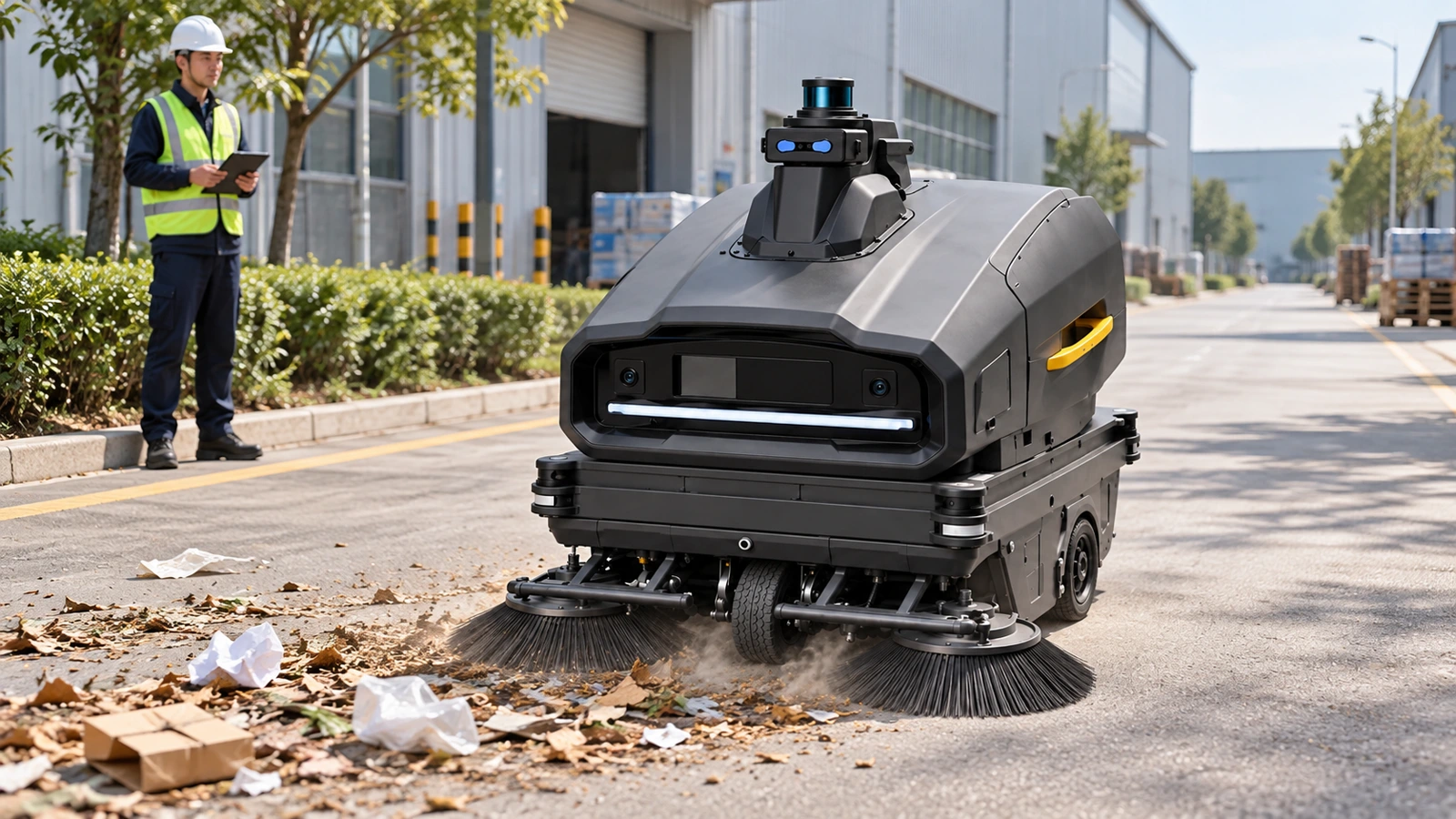
Jinjie J-S130
J-S130 supports ordinary debris on regular routes and lower-traffic windows. Verify routes, exclusion boundaries, debris, charging and takeover before deployment. Active avoidance is not absolute safety; complex open roads or long-term unattended operation ar…
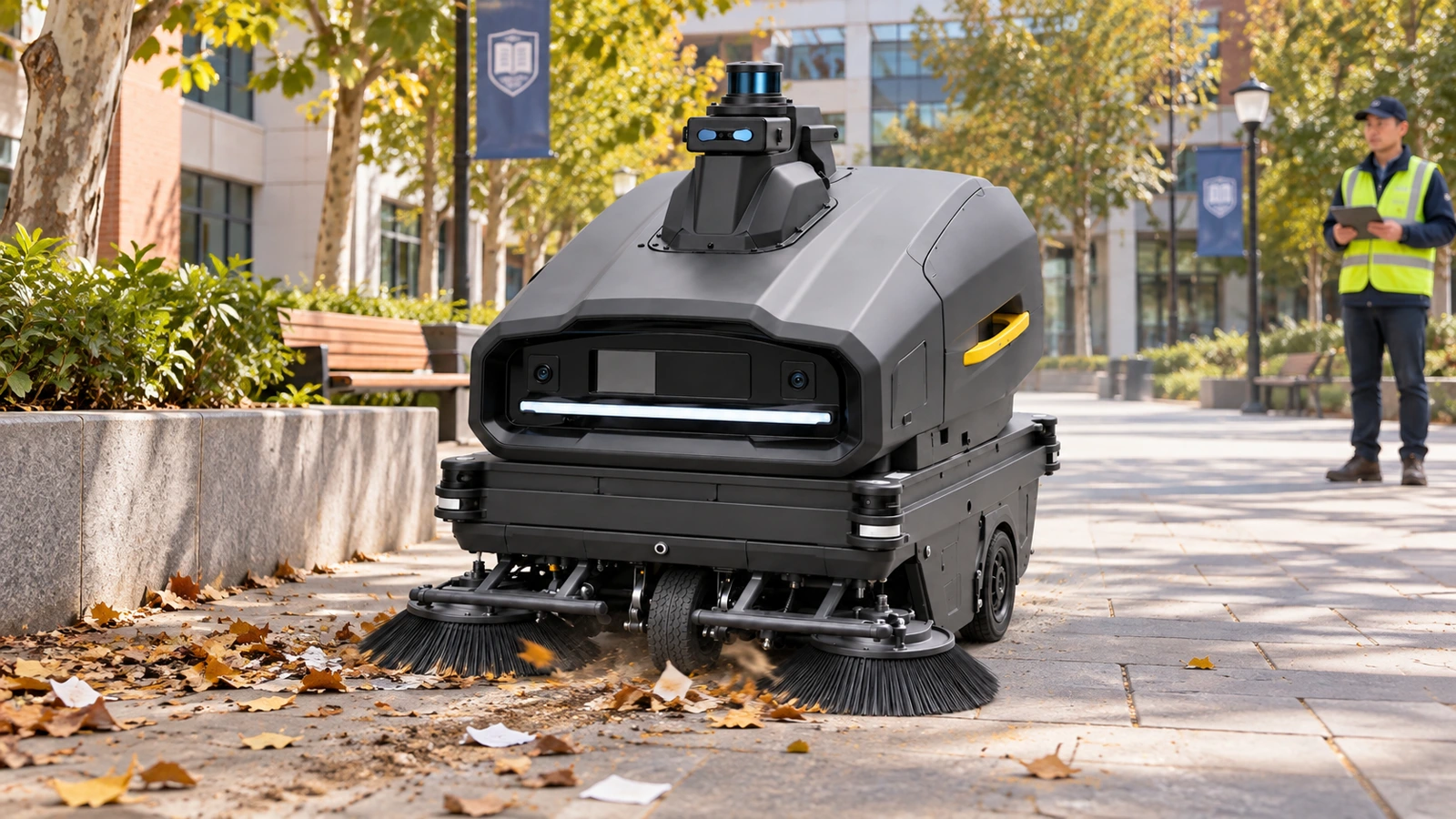
Jinjie J-S130
J-S130 supports ordinary debris on regular routes and lower-traffic windows. Verify routes, exclusion boundaries, debris, charging and takeover before deployment. Active avoidance is not absolute safety; complex open roads or long-term unattended operation ar…