
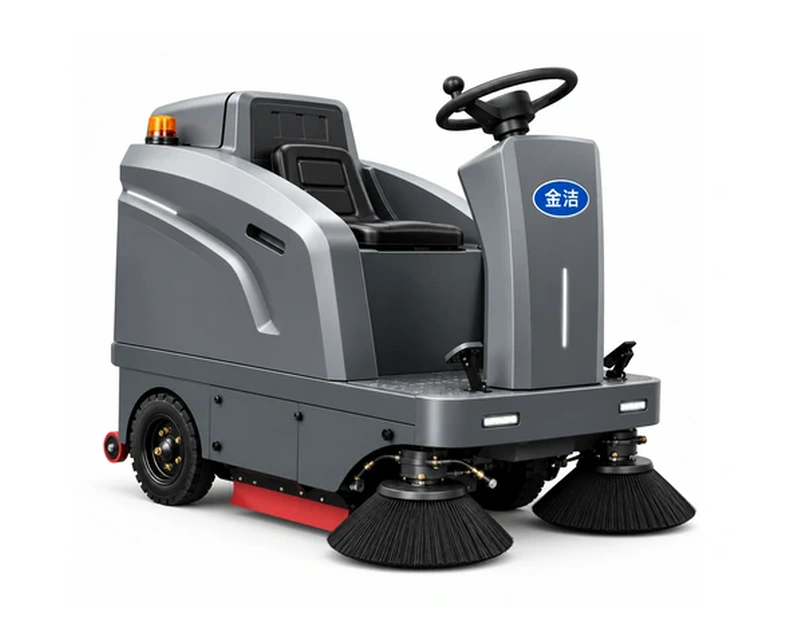
When dust appears, first record where and when it appears. Side-brush disturbance, dust around the body, unloading and filter maintenance can involve different parts of the process. Increasing water or declaring a failed filter before identifying the symptom can obscure the actual question.
Capture one complete observation
Use a route sketch to locate the symptom. Include the action, waste condition, surface moisture and relevant site conditions. State whether it occurs at startup, during a turn, near unloading or during care. Photographs support the report, but an absence of obvious visible dust is not an emissions or protection test.
Ask for the actual system evidence
Identify the supplied filtration arrangement, permitted material, filter-care requirements and spray configuration. A filter name, area or cleaning feature does not automatically establish a filtration class or sustained performance. Water provision is not a substitute for identifying an unknown material hazard. An ordinary sweeper description does not approve hazardous-dust use.
Avoid secondary release during care
Follow the machine documentation and site method for filter care, unloading and waste handling. Do not assume an unidentified filter can be washed or blown with compressed air. Operators stay within permitted checks and pass unresolved symptoms to service with the material, machine and maintenance information.
Recheck comparable conditions
After an authorised action, compare an appropriate route and record changes in material or weather. A scenic-site case is not evidence of filtering performance, and one visual observation is not certification. Any special performance claim needs evidence whose scope identifies the actual equipment and application.
Applying the method to a site problem
If bristles show little wear but dust escapes around the body, check the filter and seals separately. Adjusting the side brush alone may leave the cause untouched.
Yuanmingyuan sweeping project reference
The custom blue sweeper at Beijing’s Yuanmingyuan illustrates equipment selection for visitor roads. Consider visitor movements, the setting, road access and waste collection. Recheck width, turns, debris and unloading before specifying a machine for another park.
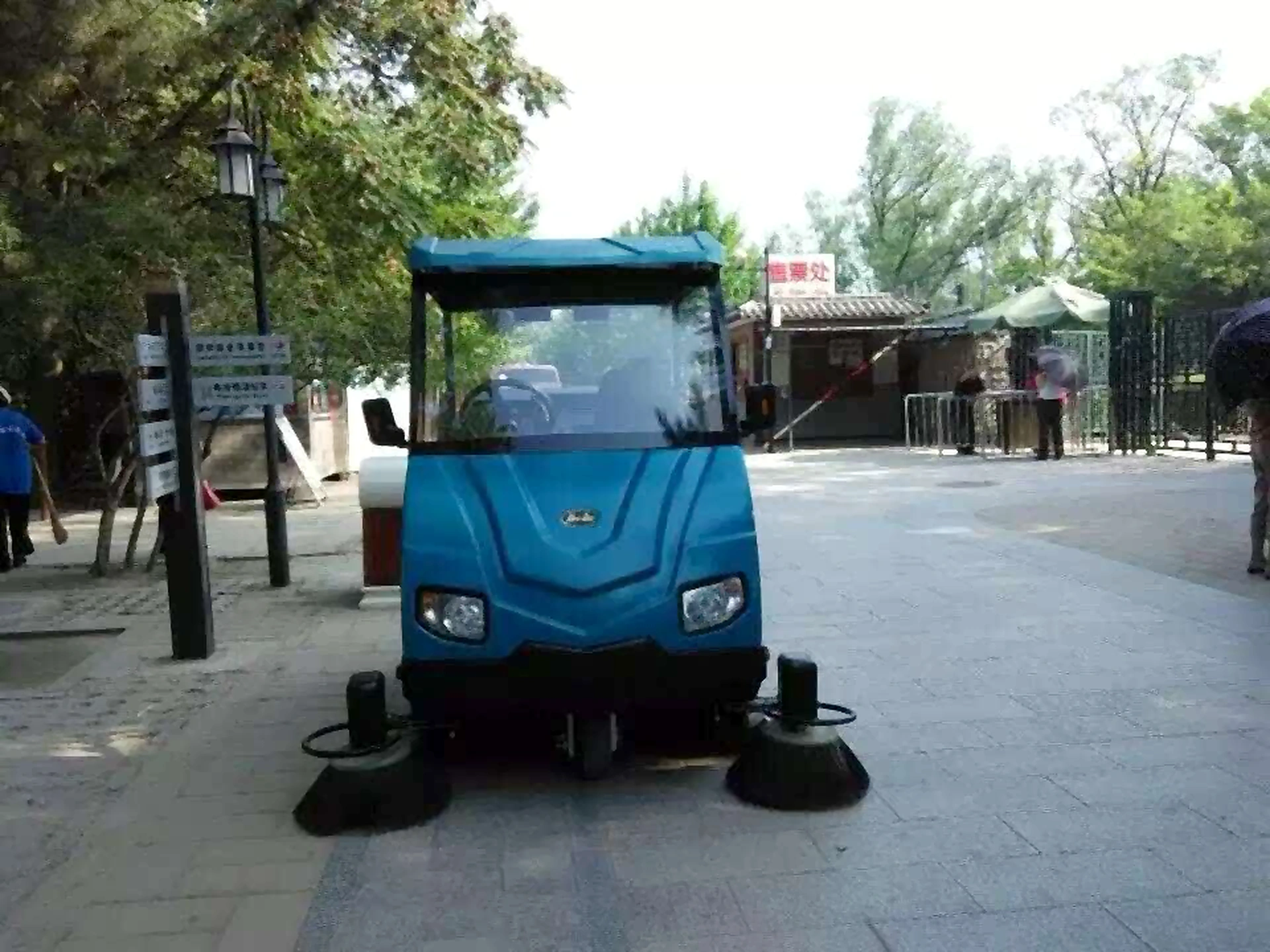
View the Yuanmingyuan sweeping project ↗
Maintenance starts with a clear handover
For service, provide the model, nameplate, photos and a description of the symptom. Headquarters coordinates technical and spare-parts information. Regional support and the delivery records help identify the installed parts.
What to record on site
Observe debris gathering, entry into the hopper, dust around the machine and discharge. Record moisture and filter condition. Specify media, cleaning method and spares so the operator knows which maintenance methods are permitted.
How site conditions affect equipment performance
Water spray wets some debris and dust. Filtration captures dust from the airstream. Check the machine instructions and material for both systems, including maintenance.
Floor sweepers · Jinjie J-XS1460 ride-on sweeper · Shenzhen headquarters and technical support · Guangzhou demonstrations and customer support · Zhaoqing manufacturing and delivery
Discuss equipment for your site ↗
Shenzhen Wanshenglong Cleaning Products Co., Ltd. | Jinjie J-XS1460 ride-on sweeper. Compare the model specification with your route. Updated 2026-11-6.
Checks after reading
- Site area, routes and narrowest access
- Floor, dust, oil, debris or pipe-blockage type
- Daily frequency and continuous working time
- Power, water, wastewater, consumables and service conditions
Explore products and selection information
Sweeper dust control: brushes, spraying, filtration and filter cleaning — frequently asked questions
What information helps a service technician?
Provide the nameplate, component photos, time and location of the symptom, material or floor condition, recent maintenance and accessory changes. Stop if inspection cannot be carried out safely.
How can we check that maintenance solved the problem?
Repeat the observation under permitted, comparable conditions. Record one change at a time. If the symptom returns, give the service team the earlier results.