
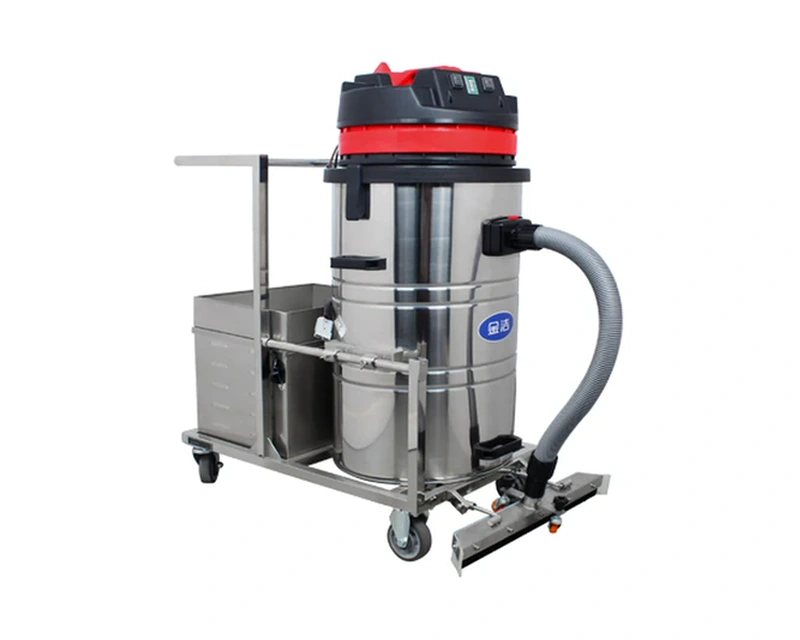
Fine-dust recovery is not simply the selection of a filter. The tool, hose, interfaces, machine sealing, filter, container and unloading or maintenance process form a continuous arrangement. Ask how every relevant suitability statement relates to the identified machine and material. A finer medium or larger area cannot establish a whole-machine protection claim.
Identify the task first
Record the process, material condition, temperature, moisture, quantity basis and available hazard information. Unknown, combustible, conductive or reactive material requires the appropriate competent assessment. A general fine-dust article cannot approve a hazardous-location application, and a collection trial should not be used to discover whether an unidentified hazard is present.
Read the documentary scope
Identify the machine, filter and accessories covered and the permitted material. Separate component properties from the equipment application. Filter area is not filtration classification; classification is not automatically evidence of an emission result, explosion protection or occupational protection for a particular dust. Documents for another product do not establish this one.
Make care practical
Establish which instructions govern inspection, replacement, cleaning and unloading, who performs them and what site conditions are required. Do not assume a filter is washable or may be cleaned with compressed air. A cleaning function does not prove restoration to initial performance after every cycle. Material handling remains part of the risk boundary.
Set a review point
Preserve the selection evidence and unresolved items, and reassess a changed material or process. Do not claim zero emissions or a fixed filtration outcome without the relevant evidence. Unlike a hazardous-dust approval discussion, this article organises ordinary fine-dust purchasing evidence and exits general selection where the task exceeds that scope.
Applying the method to a site problem
If pickup starts normally and then falls, record the material and filter-maintenance history. Follow the manual before considering a higher-powered machine.
Operating applications and limits
Select an industrial vacuum from the material, duty and model documentation. A commercial vacuum purchase or another equipment delivery can illustrate procurement and handover. Special industrial duties need their own technical assessment.
View equipment options for this application ↗
Specifying the material and filtration together
Describe the material and operating conditions before choosing an industrial vacuum, filter or attachment. Headquarters supports technical selection, regional service gathers application details, and the delivery checklist confirms the equipment. Special dusts require documented suitability.
What to record on site
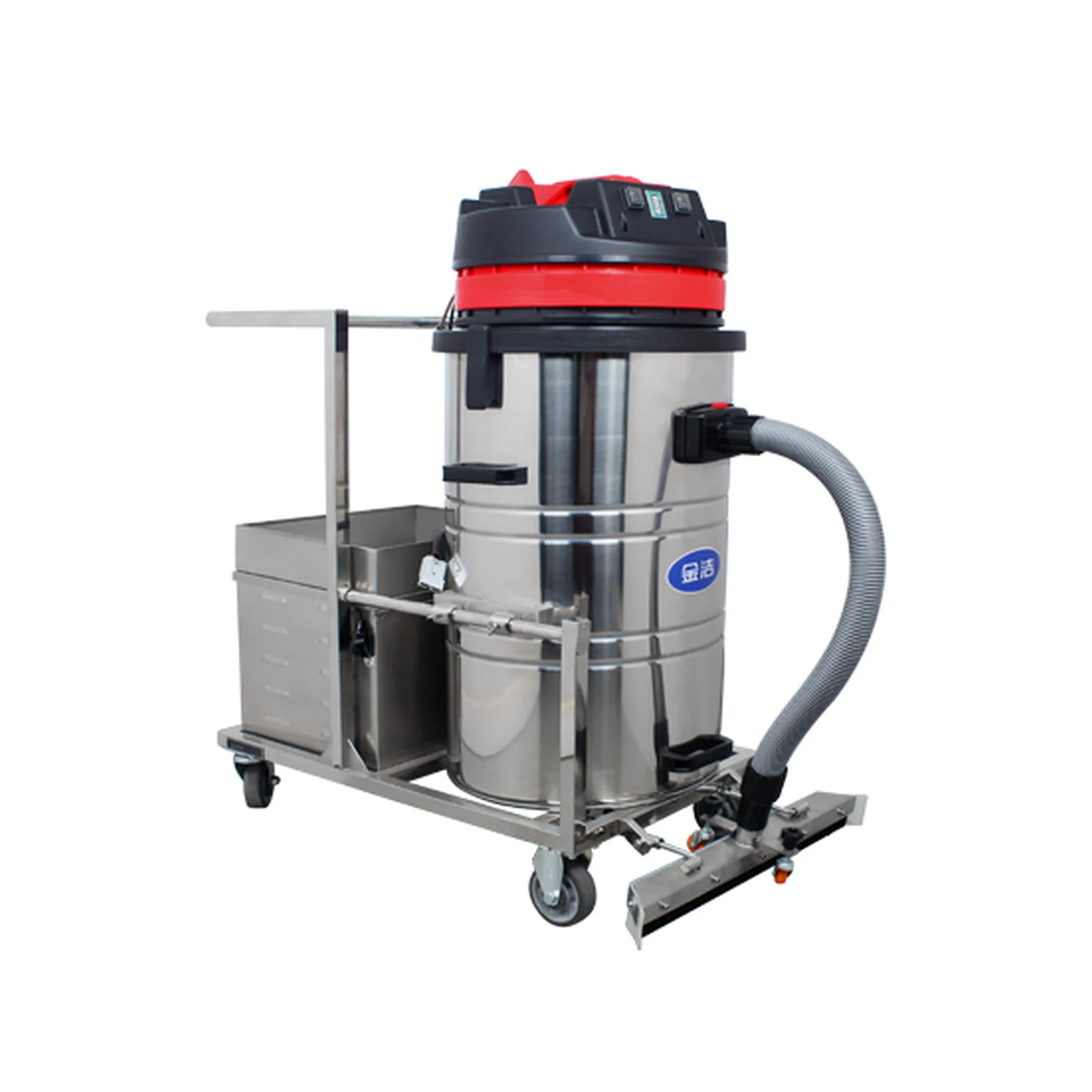
Document the material, machine approval, media, sealing, cleaning method and unloading. Tie any class or special capability to the model and technical document. Record filter changes and maintenance in service. Increasing load cannot compensate for overdue maintenance.
How site conditions affect equipment performance
The filter captures suitable dust and adds airflow resistance. Manage media, installation, seals, cleaning and collection as one system.
Industrial vacuums · Industrial vacuum specifications · Shenzhen headquarters and technical support · Guangzhou demonstrations and customer support · Zhaoqing manufacturing and delivery
Discuss equipment for your site ↗
Shenzhen Wanshenglong Cleaning Products Co., Ltd. | Jinjie JGY-80P industrial vacuum. Confirm material and site suitability for this model. Updated 2026-11-6.
Checks after reading
- Site area, routes and narrowest access
- Floor, dust, oil, debris or pipe-blockage type
- Daily frequency and continuous working time
- Power, water, wastewater, consumables and service conditions
Explore products and selection information
How filtration, sealing and filter cleaning work together — frequently asked questions
Is changing the filter enough for fine dust?
Check the material, machine rating, filter, seals, cleaning and discharge. Special hazards require evidence for the complete system. A component upgrade alone does not extend the machine’s intended use.
How often should the filter be cleaned?
Set filter cleaning intervals from the manual, material load and actual service record. Verify the media and dust type before using compressed air or water.