
Selected model: JQ-8
Typical application
Internal waste-transfer route and loading configuration planning
JQ-8
Plan collection points, containers, routes and handover locations before matching the vehicle and loading arrangements.
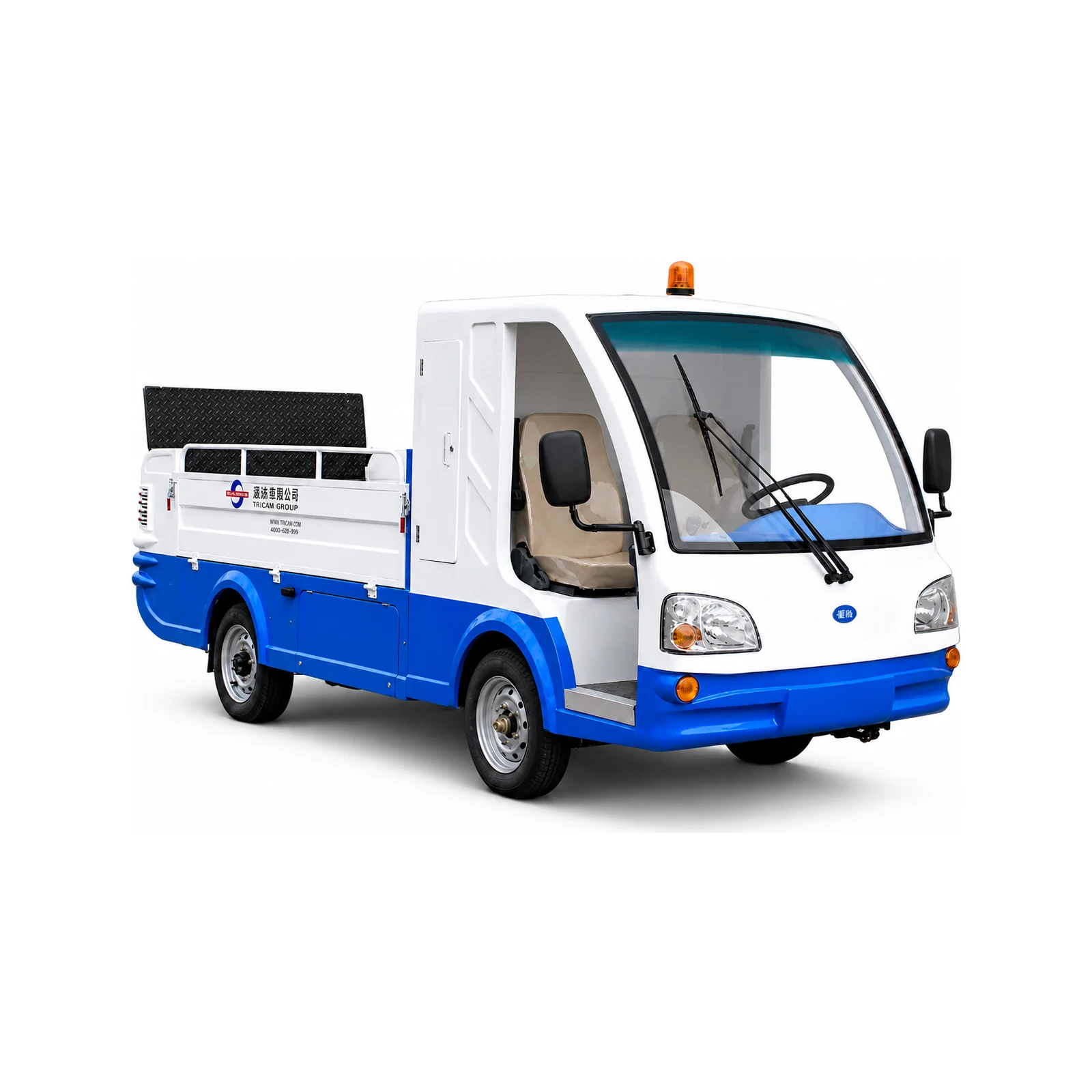
Selection priorities for this model
JQ-8 — Match actual bin positions, securing points and container dimensions before assessing internal routes; the model number does not establish capacity.
Customer problem
Dispersed collection points, restricted routes and poor loading locations increase trips and manual handling. A vehicle being able to move does not establish safe carriage of a required container.
Why assess JQ-260 and JQ-8 separately
Match each vehicle to its actual platform, securing points, containers and loading mechanism. Do not infer tipping from the JQ-260 lifting appearance or eight-bin capacity and restraint from the JQ-8 name. Neither inherits JQ-50 load or configuration data.
Route and handling process
Define waste type, container dimensions, actual weight, collection frequency and handover points. Check access, turns, slopes and pedestrian separation. Load only within the vehicle limits using its prescribed restraints; stop and secure against movement before manual handover. Mechanical loading must follow the actual supplied mechanism and instructions.
Value and limits
Confirming containers, routes and handover together can reduce repeat trips, avoidable handling and vehicle mismatch. Use approved internal routes without inferring road permission, payload, liquid containment or hazardous-waste capability.
FAQ
What should I provide before purchase?
Provide site photos, the proposed material or task, route and required supplied configuration. Check this model separately rather than substituting related-model information.
Does this plan confirm special capabilities?
No. Work depends on matching the supplied version, permitted objects, tools and safety instructions. Images and names do not establish capability.
View JQ-8 product details Discuss JQ-8 configuration and task
Models and original application images
Compare each model against its own configuration and the actual route, material and site services.
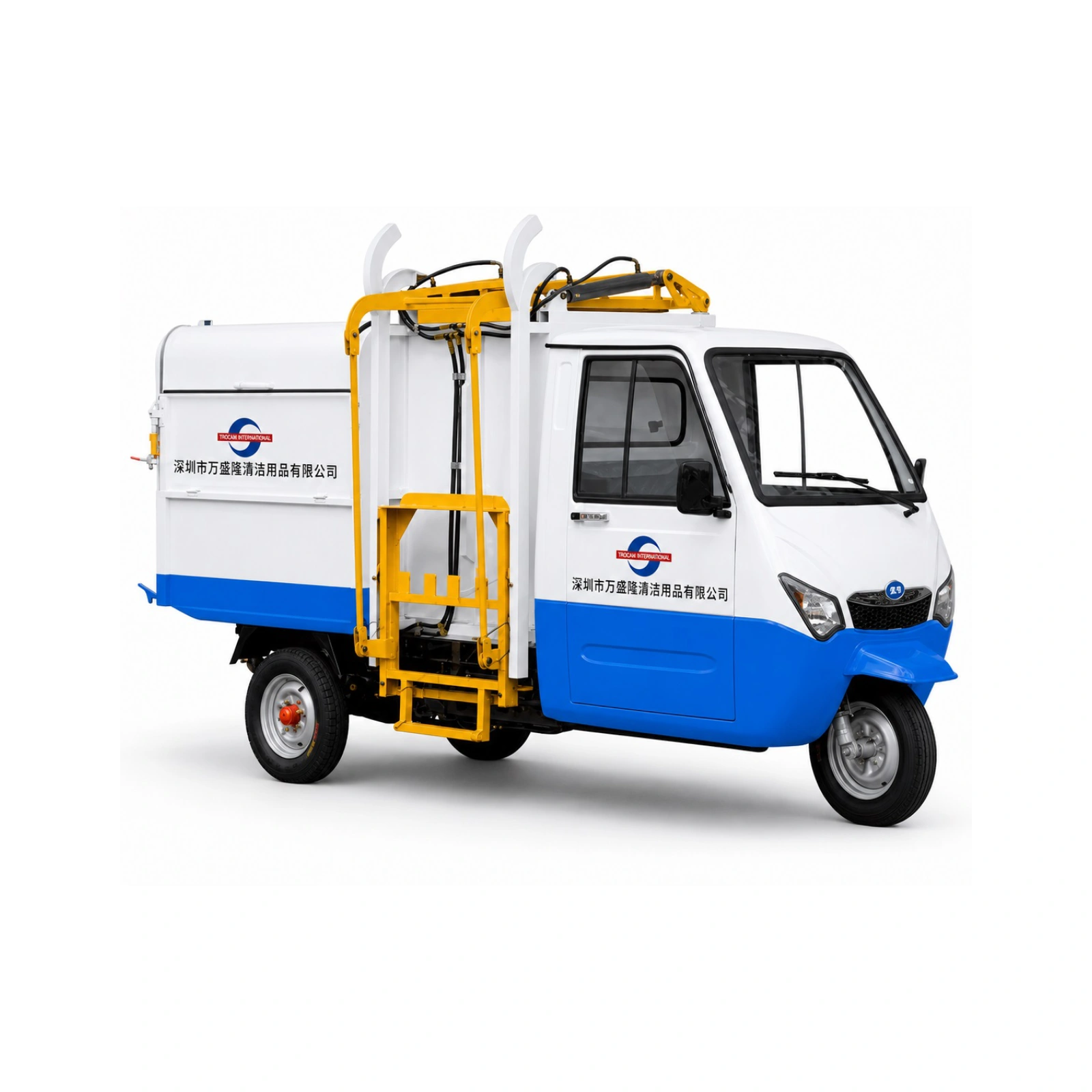
JQ-260
Confirm this vehicle’s loading movement and container restraints before planning collection and handover; a lifting photograph does not establish tipping capability.
JQ-8
Current model
Match actual bin positions, securing points and container dimensions before assessing internal routes; the model number does not establish capacity.