
Selected model: Jinjie J-66BF
Typical application · Equipment selectionProduction-aisle scrubber cleaning
Jinjie J-66BF
Planning one-way production and storage routes can reduce backtracking and repeated cleaning. Compatible pads, a trial and prompt recovery help improve routine-soil removal, protect finishes and control residual water. Align work with shifts and filling/draining points to organise labour, time and overall costs.
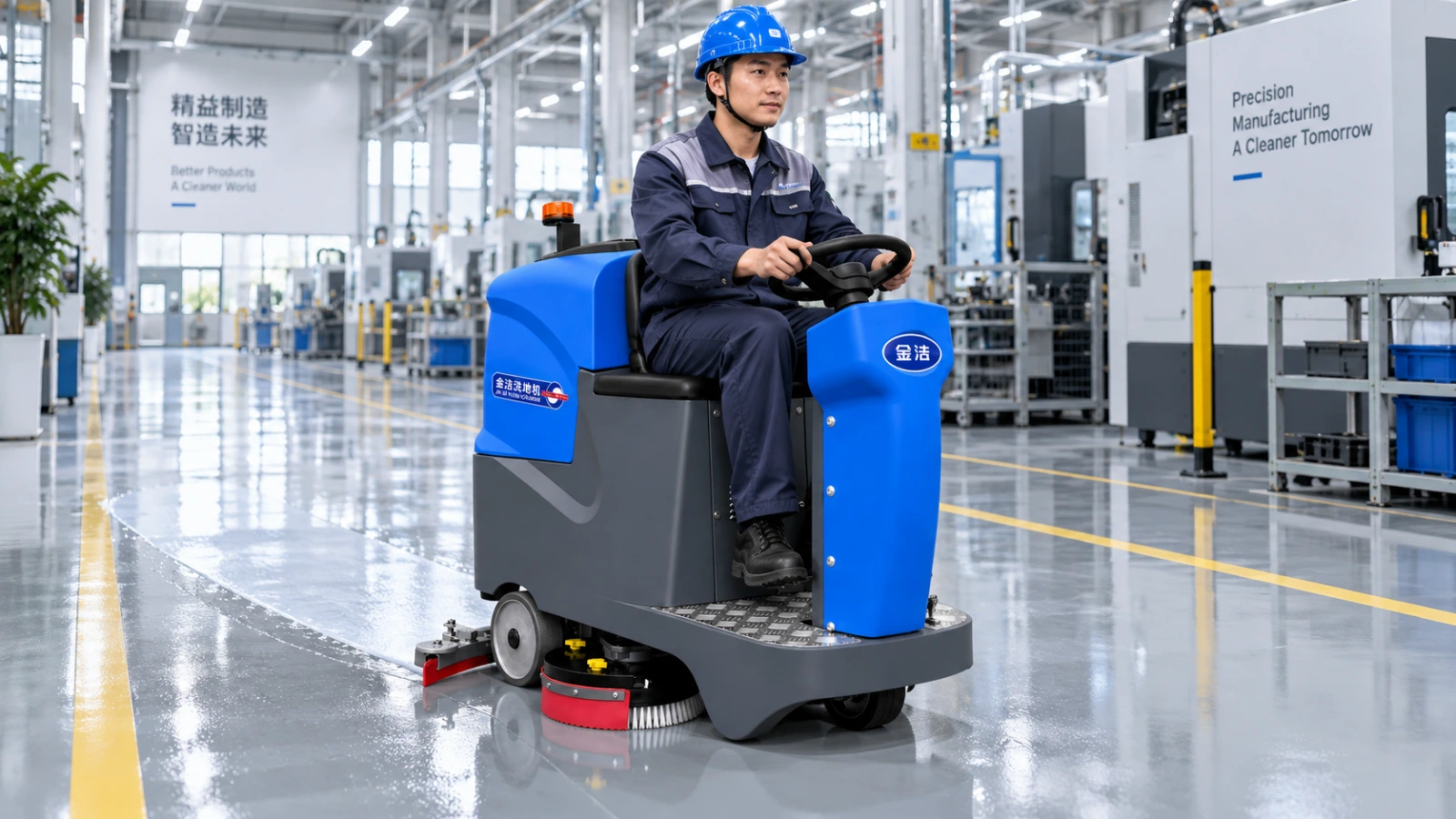
01 · What makes this task difficult?
Ordinary hard floors in factories and warehouse aisles collect tracked marks, light dust and routine scrub-compatible soil. Equipment, stock and pedestrians interrupt otherwise continuous routes. Repeated mopping can miss edges and leave water; first remove larger and sharp debris.
Tracked marks and light dust collect along aisles
Remove grit, then scrub and recover along a planned route
Equipment and stock restrict access
Measure routes and isolate work around production shifts
Protect floors before reopening
Control detergent and inspect water and finish condition
02 · Why consider this Jinjie machine?
J-66BF combines ride-on twin-brush scrubbing and wastewater recovery for continuous compatible hard-floor routes with sufficient access and turning space. Match brushes, pads and detergent to the finish and coordinate scrubbing, recovery and sectional checks to reduce repeated manual mopping. Use this model’s actual configuration.
Ride-on twin brushes and wastewater recovery
Remove grit, then scrub and recover along a planned route
Reduce repeated mopping
Access, turning space and zoned routes
Measure routes and isolate work around production shifts
Reduce backtracking and disruption
Compatible pads, trials and finishing checks
Control detergent and inspect water and finish condition
Improve cleaning quality and manage rework risks
Jinjie J-66BF · J-66BF combines ride-on twin-brush scrubbing and wastewater recovery for continuous compatible hard-floor routes with sufficient access and turning space. Match brushes, pads and detergent to the finish and coordinate scrubbing, recovery and sectional checks to reduce repeated manual mopping. Use this model’s actual configuration.
03 · A better cleaning workflow and customer value
Planning one-way production and storage routes can reduce backtracking and repeated cleaning. Compatible pads, a trial and prompt recovery help improve routine-soil removal, protect finishes and control residual water. Align work with shifts and filling/draining points to organise labour, time and overall costs.
Reduce repeated mopping
Tracked marks and light dust collect along aisles · Remove grit, then scrub and recover along a planned route
Reduce backtracking and disruption
Equipment and stock restrict access · Measure routes and isolate work around production shifts
Improve cleaning quality and manage rework risks
Protect floors before reopening · Control detergent and inspect water and finish condition
Match tools, the material and the working route before comparing labour, time, consumables and maintenance costs. The potential value depends on suitable conditions and correct operation; no fixed saving or damage-free result is promised.
This guidance covers routine cleaning of compatible hard floors, excluding hazardous dust, hot metal chips, unknown chemicals and hazardous areas. Remove larger debris, check finish/tool/detergent compatibility, segregate traffic and inspect residual water before reopening. Grade, load and special configurations require the machine instructions.
Working method, evidence and original professional analysis
Task-specific equipment selection
Factory and warehouse aisle scrubbing | J-66BF selection and value
Site, material and contamination
Ordinary hard floors in factories and warehouse aisles collect tracked marks, light dust and routine scrub-compatible soil. Equipment, stock and pedestrians interrupt otherwise continuous routes. Repeated mopping can miss edges and leave water; first remove larger and sharp debris.
Equipment basis and model differences
J-66BF combines ride-on twin-brush scrubbing and wastewater recovery for continuous compatible hard-floor routes with sufficient access and turning space. Match brushes, pads and detergent to the finish and coordinate scrubbing, recovery and sectional checks to reduce repeated manual mopping. Use this model’s actual configuration.
Model configuration and selection
Check model-specific configurations against the machine and order before purchase.
| Model | Current basis and limits |
|---|---|
| J-66BF | J-66BF combines ride-on twin-brush scrubbing and wastewater recovery for continuous compatible hard-floor routes with sufficient access and turning space. Match brushes, pads and detergent to the finish and coordinate scrubbing, recovery and sectional checks to reduce repeated manual mopping. Use this model’s actual configuration. |
| Site problem | Equipment / conditions | Suggested method | Potential value |
|---|---|---|---|
| Tracked marks and light dust collect along aisles | Ride-on twin brushes and wastewater recovery | Remove grit, then scrub and recover along a planned route | Reduce repeated mopping |
| Equipment and stock restrict access | Access, turning space and zoned routes | Measure routes and isolate work around production shifts | Reduce backtracking and disruption |
| Protect floors before reopening | Compatible pads, trials and finishing checks | Control detergent and inspect water and finish condition | Improve cleaning quality and manage rework risks |
Working method, accessories and site supply
- Identify material, debris and compatible tools; trial under the machine instructions.
- Zone the work and manage access, following the planned route.
- Inspect cleaning, water or sediment collection and maintain equipment before reopening.
Limits and safety
This guidance covers routine cleaning of compatible hard floors, excluding hazardous dust, hot metal chips, unknown chemicals and hazardous areas. Remove larger debris, check finish/tool/detergent compatibility, segregate traffic and inspect residual water before reopening. Grade, load and special configurations require the machine instructions.
Questions for this task
Prepare site information
Share material, soil, area, access photos, work hours and the actual tool list to discuss J-66BF configuration.
FAQ
What task does this scene cover?
Ordinary hard floors in factories and warehouse aisles collect tracked marks, light dust and routine scrub-compatible soil. Equipment, stock and pedestrians interrupt otherwise continuous routes. Repeated mopping can miss edges and leave water; first remove larger and sharp debris.
Why consider J-66BF?
J-66BF combines ride-on twin-brush scrubbing and wastewater recovery for continuous compatible hard-floor routes with sufficient access and turning space. Match brushes, pads and detergent to the finish and coordinate scrubbing, recovery and sectional checks to reduce repeated manual mopping. Use this model’s actual configuration.
How should cleaning and surface protection be balanced?
This guidance covers routine cleaning of compatible hard floors, excluding hazardous dust, hot metal chips, unknown chemicals and hazardous areas. Remove larger debris, check finish/tool/detergent compatibility, segregate traffic and inspect residual water before reopening. Grade, load and special configurations require the machine instructions.
Are fixed productivity or cost savings guaranteed?
Trial against site conditions, compatible tools and routes before costing. Reducing repeat work is a reasonable aim, not a fixed percentage or damage-free guarantee.
What site information is needed for selection?
Share material, soil, area, access photos, work hours and the actual tool list to discuss J-66BF configuration.
Select equipment for the actual site
Share material, soil, area, access photos, work hours and the actual tool list to discuss J-66BF configuration.
Jinjie J-66BF · Selection enquiryCompare application plansModels and original application images
Compare each model against its own configuration and the actual route, material and site services.

Jinjie J-D5SL
Use the current J-D5SL self-propelled identity and verify drive controls and recovery. Its electrical rating does not establish explosion protection or compatibility with every liquid; check parts and instructions individually.
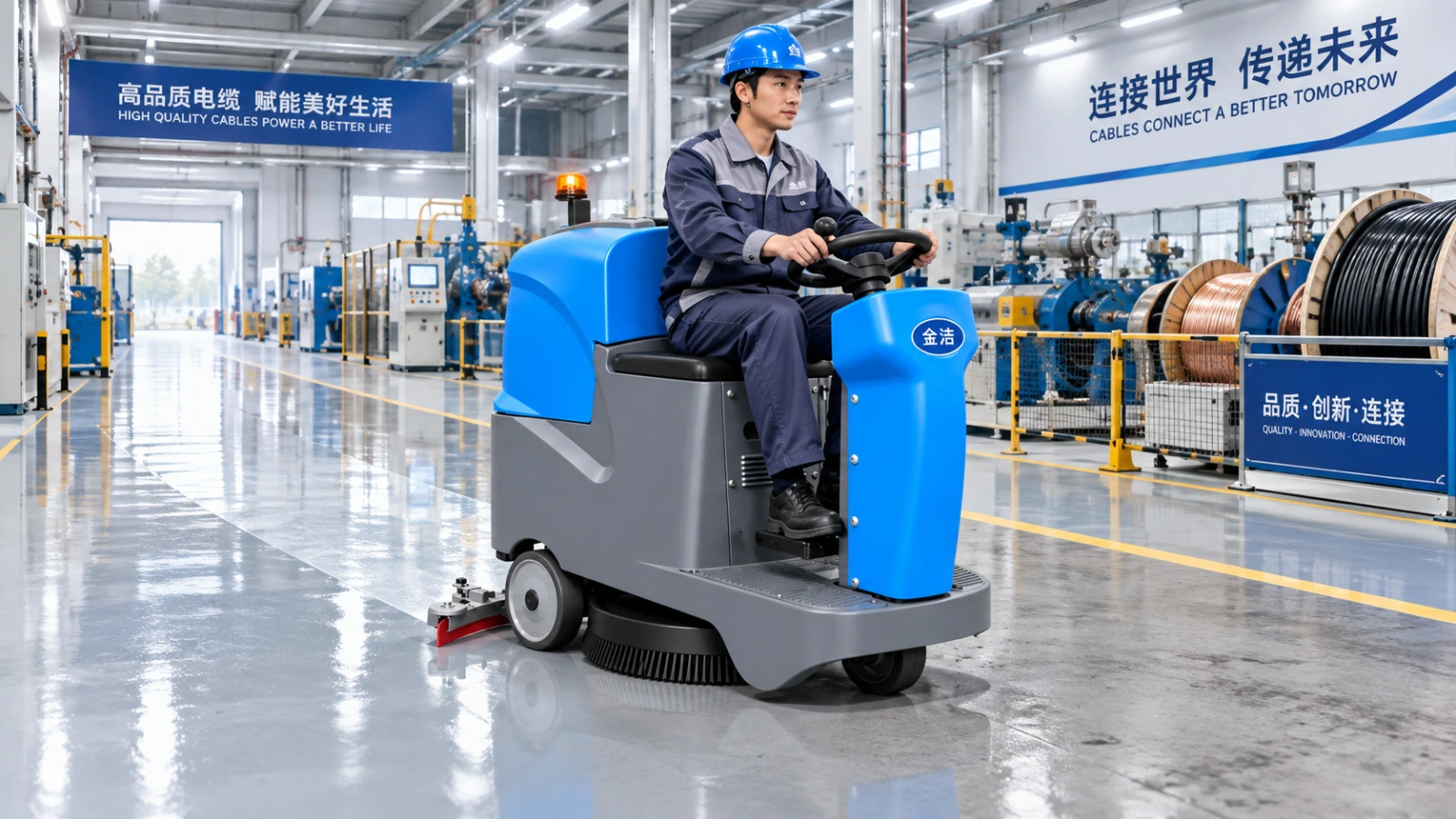
Jinjie J-56BF
Associated models have individual scrubbing, recovery and drive configurations. Verify battery, tank, width and gradient limits per machine; similar frames do not prove identical parts or specifications.
Jinjie J-66BF
Current model
J-66BF combines ride-on twin-brush scrubbing and wastewater recovery for continuous compatible hard-floor routes with sufficient access and turning space. Match brushes, pads and detergent to the finish and coordinate scrubbing, recovery and sectional checks …
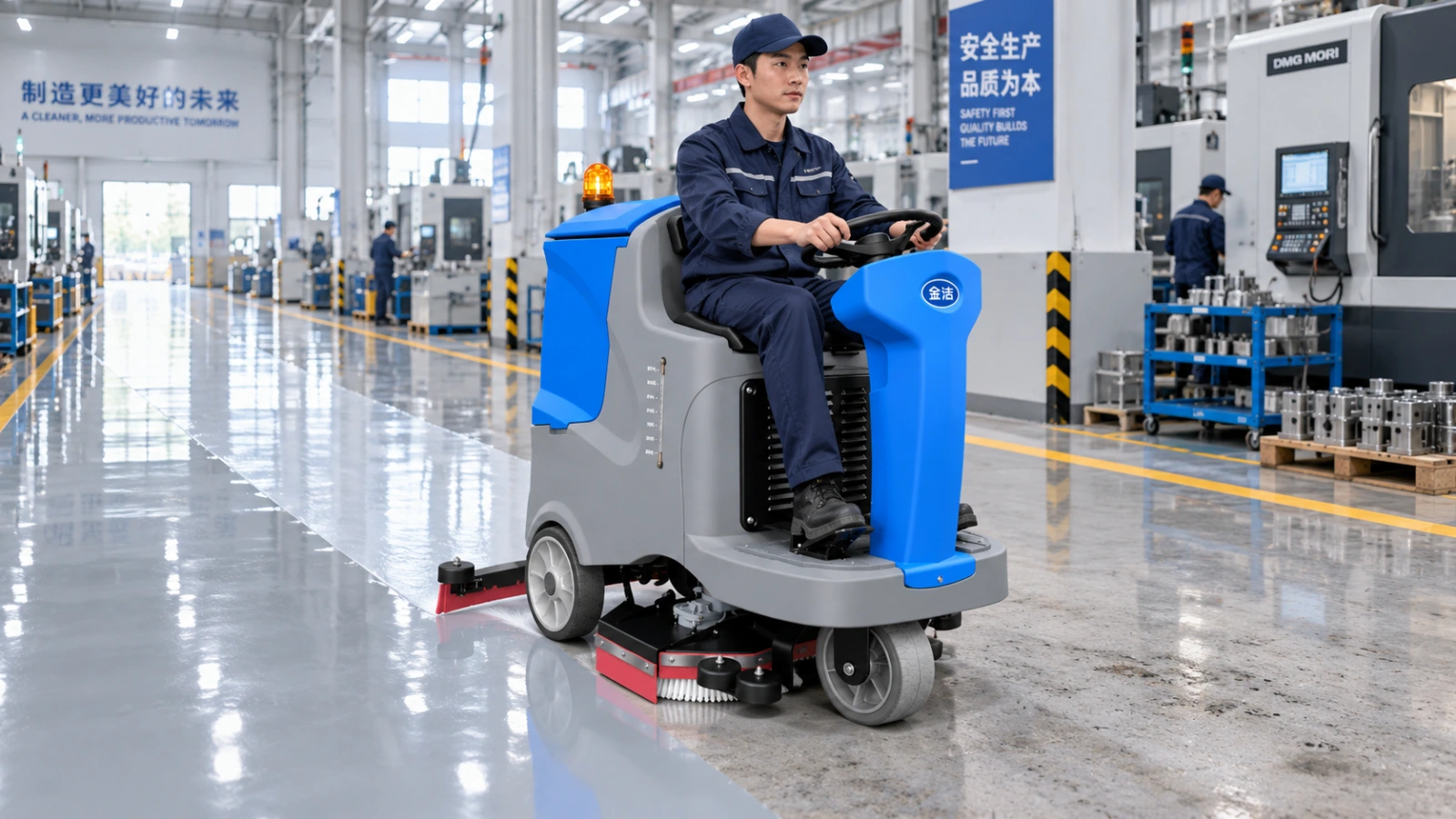
Jinjie J-85BH
Associated models have individual scrubbing, recovery and drive configurations. Verify battery, tank, width and gradient limits per machine; similar frames do not prove identical parts or specifications.
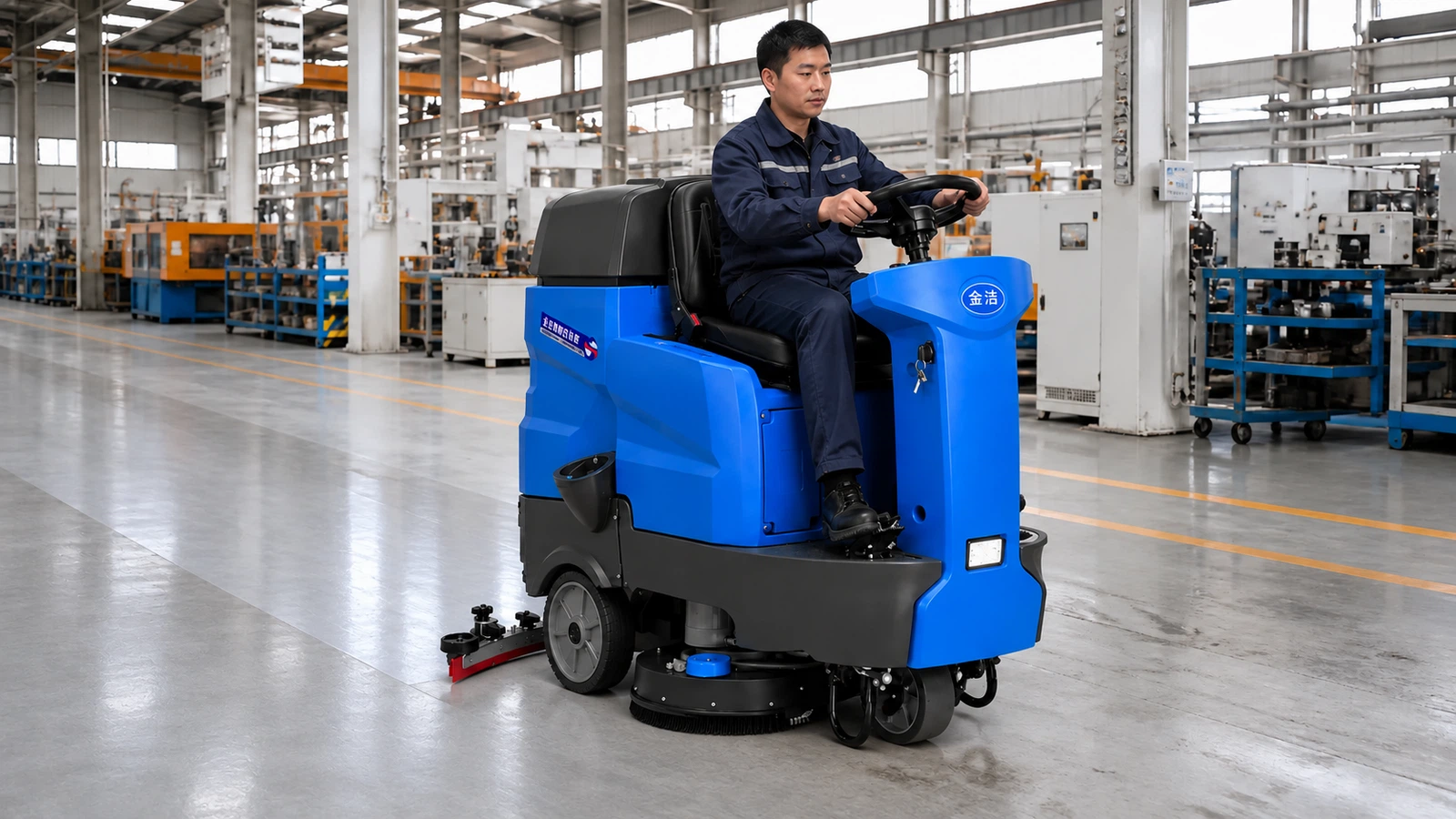
Jinjie J-D9BH
Associated models have individual scrubbing, recovery and drive configurations. Verify battery, tank, width and gradient limits per machine; similar frames do not prove identical parts or specifications.
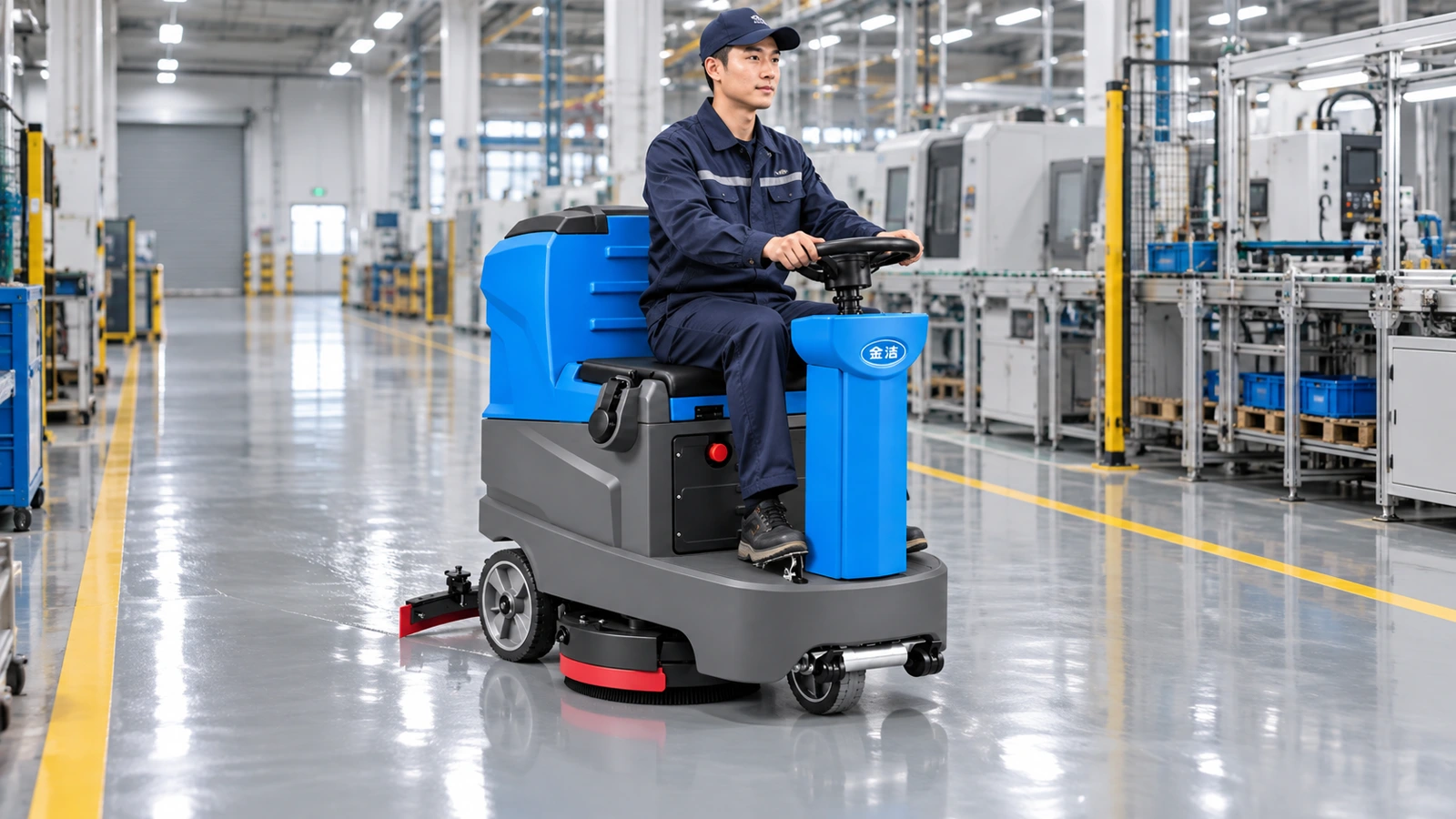
Jinjie J-D7SL mm
Associated models have individual scrubbing, recovery and drive configurations. Verify battery, tank, width and gradient limits per machine; similar frames do not prove identical parts or specifications.
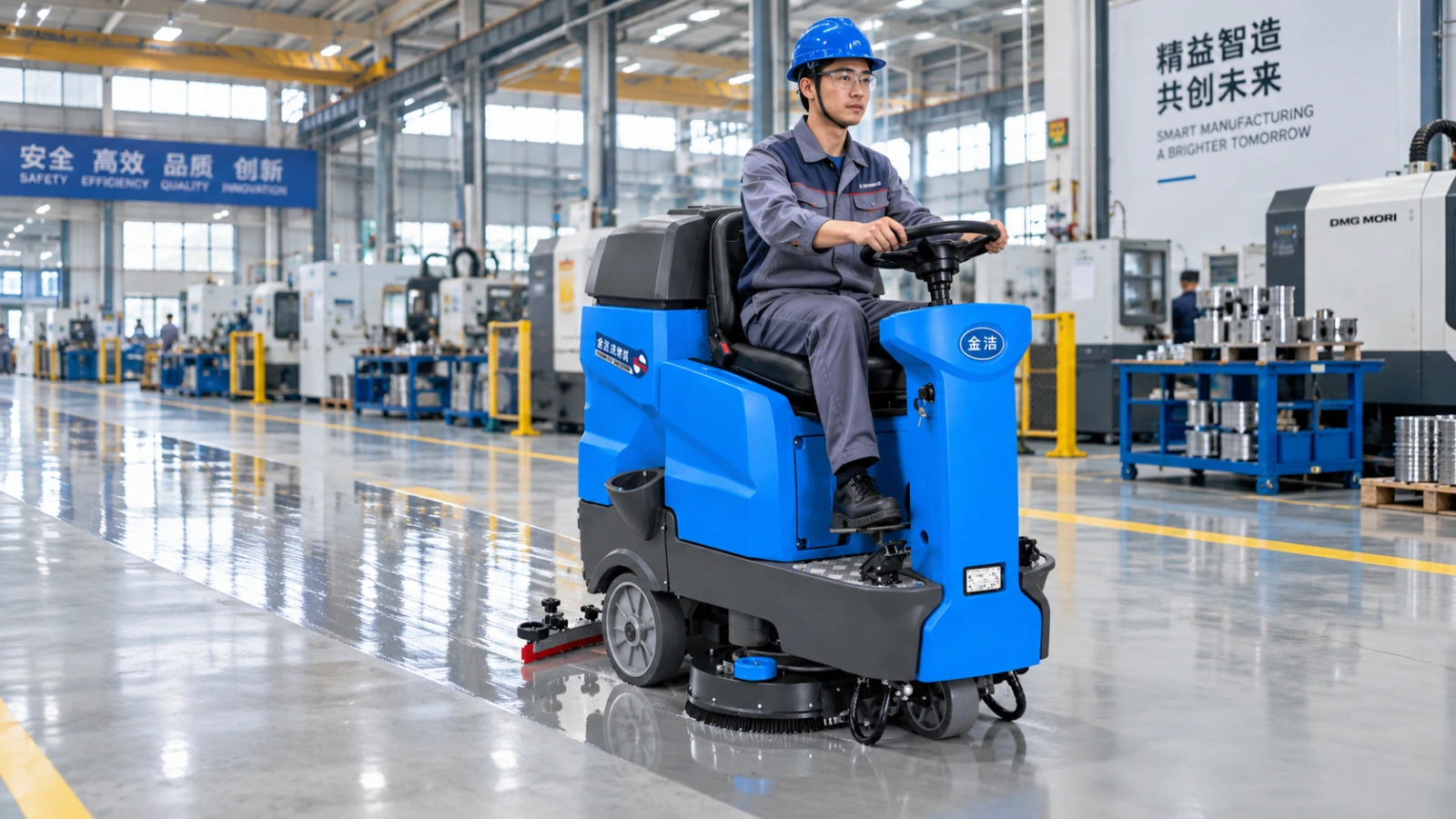
Jinjie J-D9BF
Associated models have individual scrubbing, recovery and drive configurations. Verify battery, tank, width and gradient limits per machine; similar frames do not prove identical parts or specifications.
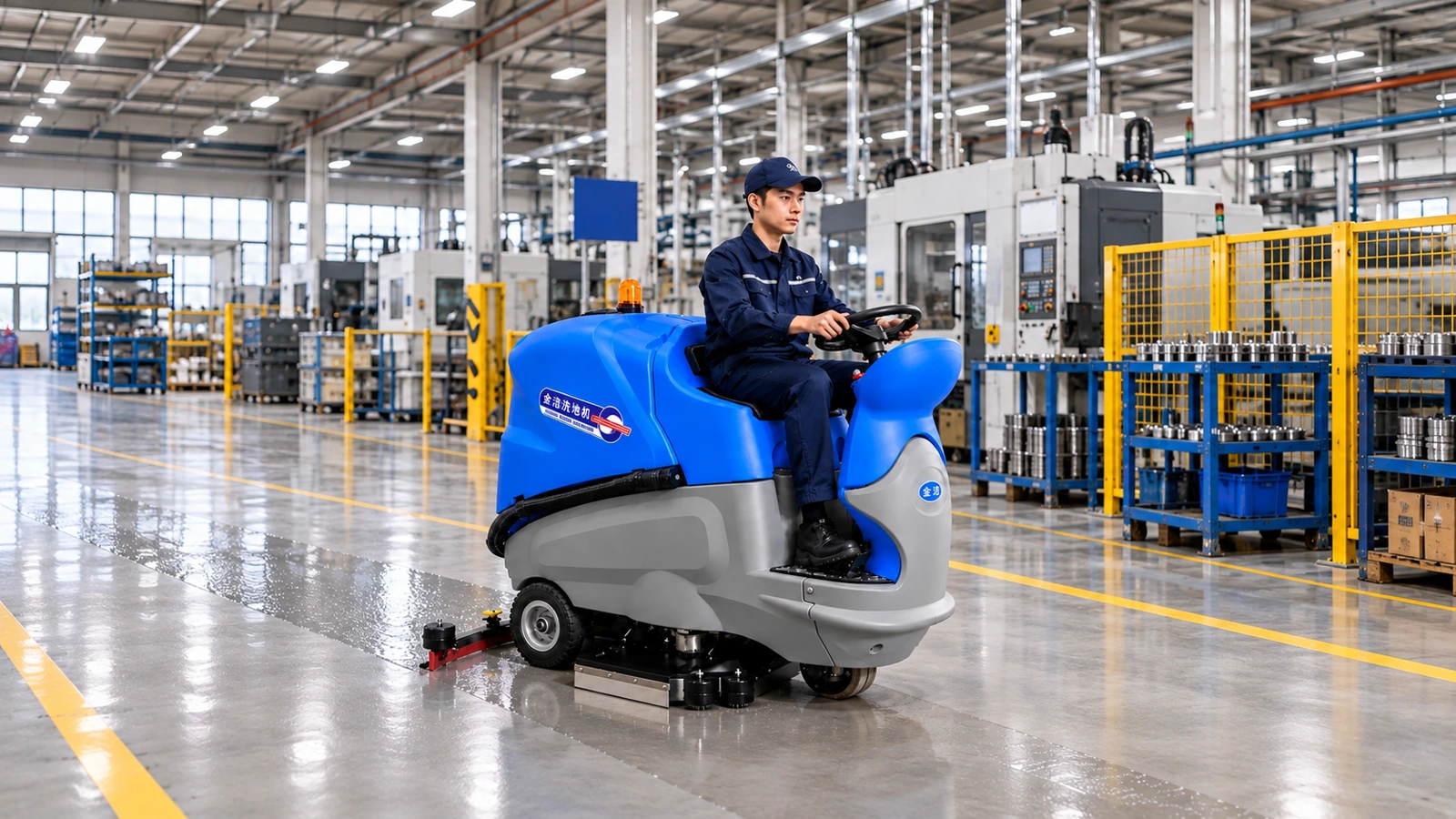
Jinjie J-105BF
Larger ride-on scrubbing and recovery support sectional work in suitable open areas. Operating voltage and battery wiring remain unresolved and cannot be inferred from battery count; plan charging, water and disposal.
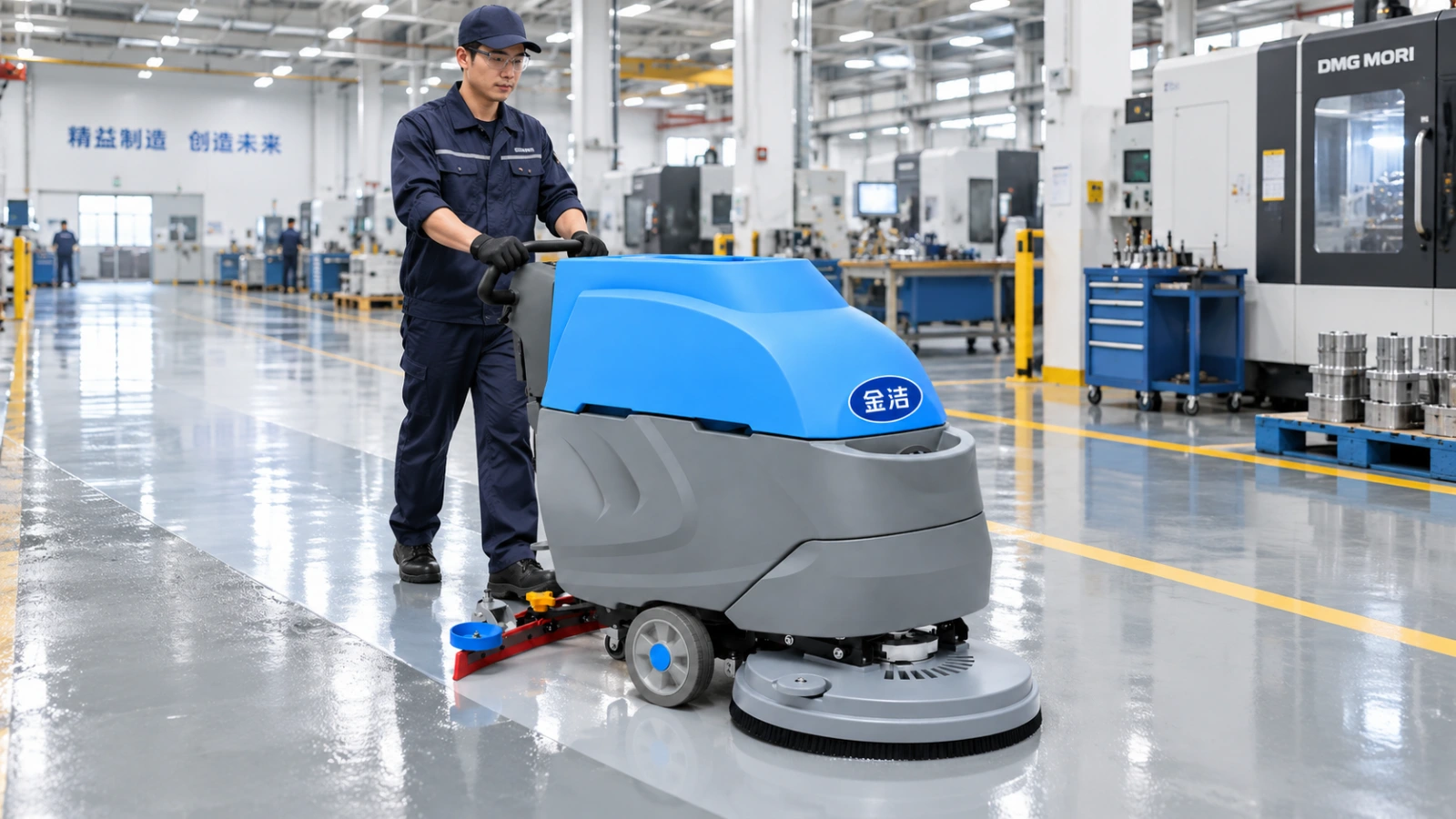
Jinjie J-D3S
Compact walk-behind scrubbing and recovery support sectional maintenance around furniture or machinery aisles. Remove debris and test the material and turns before selecting pads and detergent.