
Selected model: AllyBot-C2
Typical application · Equipment selectionSelecting planned-task equipment for public hard floors: routes, recovery and human takeover
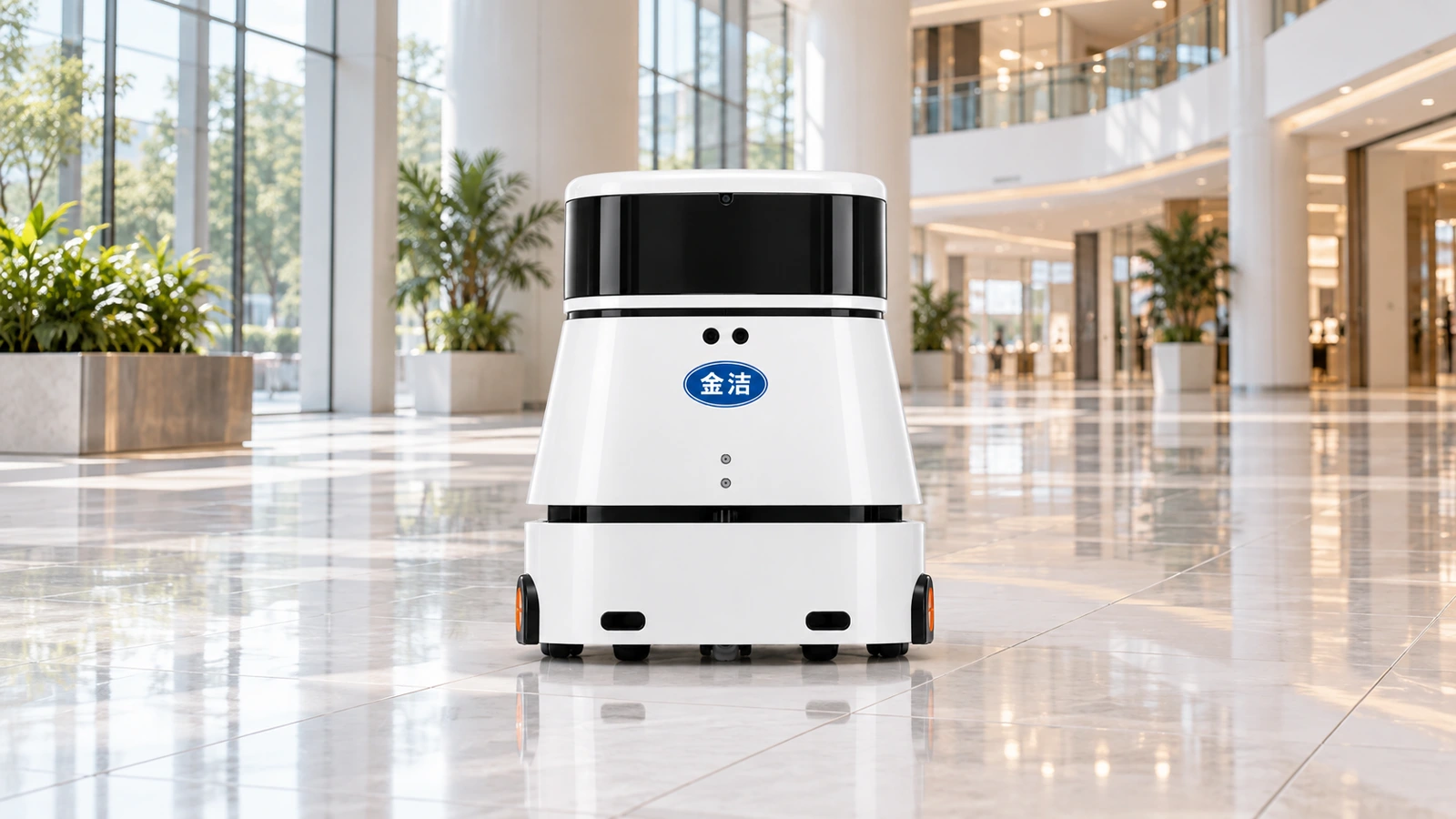
AllyBot-C2
Validated routes and suitable cleaning modes can reduce repeated manual travel and unstructured rounds, letting staff focus on detail and exceptions. Matched pads, detergent and recovery help protect finishes and reduce water-related rework. Assess time and overall cost using actual servicing and takeover records, without unattended or fixed-saving promises.
01 · What makes this task difficult?
Commercial, office and hospital public routes repeatedly collect foot marks and tracked grit while pedestrians and temporary obstacles change access. Customers need consistent floor care without blocking movement. Establish wet-cleanable materials and repeatable routes before dividing planned tasks and human detail work.
Repeated routes occupy staff time
Trial the route and cleaning mode before assigning staff roles
Protect floors and movement
Separate sections and inspect residual water and sensitive areas before handover
Servicing and exceptions interrupt work
Plan consumables, filling, emptying and exception handling
02 · Why consider this Jinjie machine?
AllyBot-C2: This model provides scrubbing, vacuuming and dust-mopping modes, navigation and human takeover. Match the mode to material and soil, then trial routes and water recovery rather than promising unattended operation. Certification, squeegee width and theoretical cleaning speed remain unverified; travel speed is not cleaning productivity.
AllyBot-C2 current working configuration
Trial the route and cleaning mode before assigning staff roles
Reduce unnecessary repeat work
Compatible tools, recovery and boundary management
Separate sections and inspect residual water and sensitive areas before handover
Manage damage, slip and rework risks
This model’s configuration and takeover arrangements
Plan consumables, filling, emptying and exception handling
Organise shifts and overall resources
AllyBot-C2 · This model provides scrubbing, vacuuming and dust-mopping modes, navigation and human takeover. Match the mode to material and soil, then trial routes and water recovery rather than promising unattended operation. Certification, squeegee width and theoretical cleaning speed remain unverified; travel speed is not cleaning productivity.
03 · A better cleaning workflow and customer value
Validated routes and suitable cleaning modes can reduce repeated manual travel and unstructured rounds, letting staff focus on detail and exceptions. Matched pads, detergent and recovery help protect finishes and reduce water-related rework. Assess time and overall cost using actual servicing and takeover records, without unattended or fixed-saving promises.
Reduce unnecessary repeat work
Repeated routes occupy staff time · Trial the route and cleaning mode before assigning staff roles
Manage damage, slip and rework risks
Protect floors and movement · Separate sections and inspect residual water and sensitive areas before handover
Organise shifts and overall resources
Servicing and exceptions interrupt work · Plan consumables, filling, emptying and exception handling
Match tools, the material and the working route before comparing labour, time, consumables and maintenance costs. The potential value depends on suitable conditions and correct operation; no fixed saving or damage-free result is promised.
This guidance concerns ordinary compatible indoor public hard floors. Provide pedestrian controls and human takeover; trial materials, thresholds, edges, moving obstacles and residual water. Do not assume disinfection, medical certification, access or lift integration, or multi-floor use. Verify replenishment equipment and optional stations for each model; an illustration does not prove whole-site safety.
Working method, evidence and original professional analysis
Task-specific equipment selection
Routine commercial public-area cleaning | AllyBot-C2 selection and value
Site, material and contamination
Commercial, office and hospital public routes repeatedly collect foot marks and tracked grit while pedestrians and temporary obstacles change access. Customers need consistent floor care without blocking movement. Establish wet-cleanable materials and repeatable routes before dividing planned tasks and human detail work.
Equipment basis and model differences
This model provides scrubbing, vacuuming and dust-mopping modes, navigation and human takeover. Match the mode to material and soil, then trial routes and water recovery rather than promising unattended operation. Certification, squeegee width and theoretical cleaning speed remain unverified; travel speed is not cleaning productivity.
Model configuration and selection
Check model-specific configurations against the machine and order before purchase.
| Model | Current basis and limits |
|---|---|
| AllyBot-C2 | This model provides scrubbing, vacuuming and dust-mopping modes, navigation and human takeover. Match the mode to material and soil, then trial routes and water recovery rather than promising unattended operation. Certification, squeegee width and theoretical cleaning speed remain unverified; travel speed is not cleaning productivity. |
| Site problem | Equipment / conditions | Suggested method | Potential value |
|---|---|---|---|
| Repeated routes occupy staff time | AllyBot-C2 current working configuration | Trial the route and cleaning mode before assigning staff roles | Reduce unnecessary repeat work |
| Protect floors and movement | Compatible tools, recovery and boundary management | Separate sections and inspect residual water and sensitive areas before handover | Manage damage, slip and rework risks |
| Servicing and exceptions interrupt work | This model’s configuration and takeover arrangements | Plan consumables, filling, emptying and exception handling | Organise shifts and overall resources |
Working method, accessories and site supply
- Assess material, soil, traffic, thresholds, edges and service points; remove large debris first.
- Configure tasks and exclusion boundaries under the model instructions, trialling avoidance, recovery and residual water. Do not enable unverified functions.
- Use agreed windows with reachable takeover staff. Pause for traffic, obstruction or recovery problems.
- Inspect floors, consumables, water and charging at handover; record the actual scope and interventions.
Limits and safety
This guidance concerns ordinary compatible indoor public hard floors. Provide pedestrian controls and human takeover; trial materials, thresholds, edges, moving obstacles and residual water. Do not assume disinfection, medical certification, access or lift integration, or multi-floor use. Verify replenishment equipment and optional stations for each model; an illustration does not prove whole-site safety.
Questions for this task
Prepare site information
Provide a floor plan, material and soil photos, pedestrian and vehicle windows, thresholds and gradients, service and disposal points, the model configuration and a site contact.
FAQ
Why select the configuration for this model?
This model provides scrubbing, vacuuming and dust-mopping modes, navigation and human takeover. Match the mode to material and soil, then trial routes and water recovery rather than promising unattended operation. Certification, squeegee width and theoretical cleaning speed remain unverified; travel speed is not cleaning productivity.
Does the image prove a delivery or measured result?
Use the illustration as an example of the work area. Check the floor, access and working clearance on your site, then confirm suitability in a trial.
How should actual value be assessed?
Validate material, soil, tools, supply and safety under this model’s instructions, then record actual work, human support and maintenance resources. Fixed savings are not promised.
What site information is needed for selection?
Provide a floor plan, material and soil photos, pedestrian and vehicle windows, thresholds and gradients, service and disposal points, the model configuration and a site contact.
Select equipment for the actual site
Provide a floor plan, material and soil photos, pedestrian and vehicle windows, thresholds and gradients, service and disposal points, the model configuration and a site contact.
AllyBot-C2 · Selection enquiryCompare application plansModels and original application images
Compare each model against its own configuration and the actual route, material and site services.
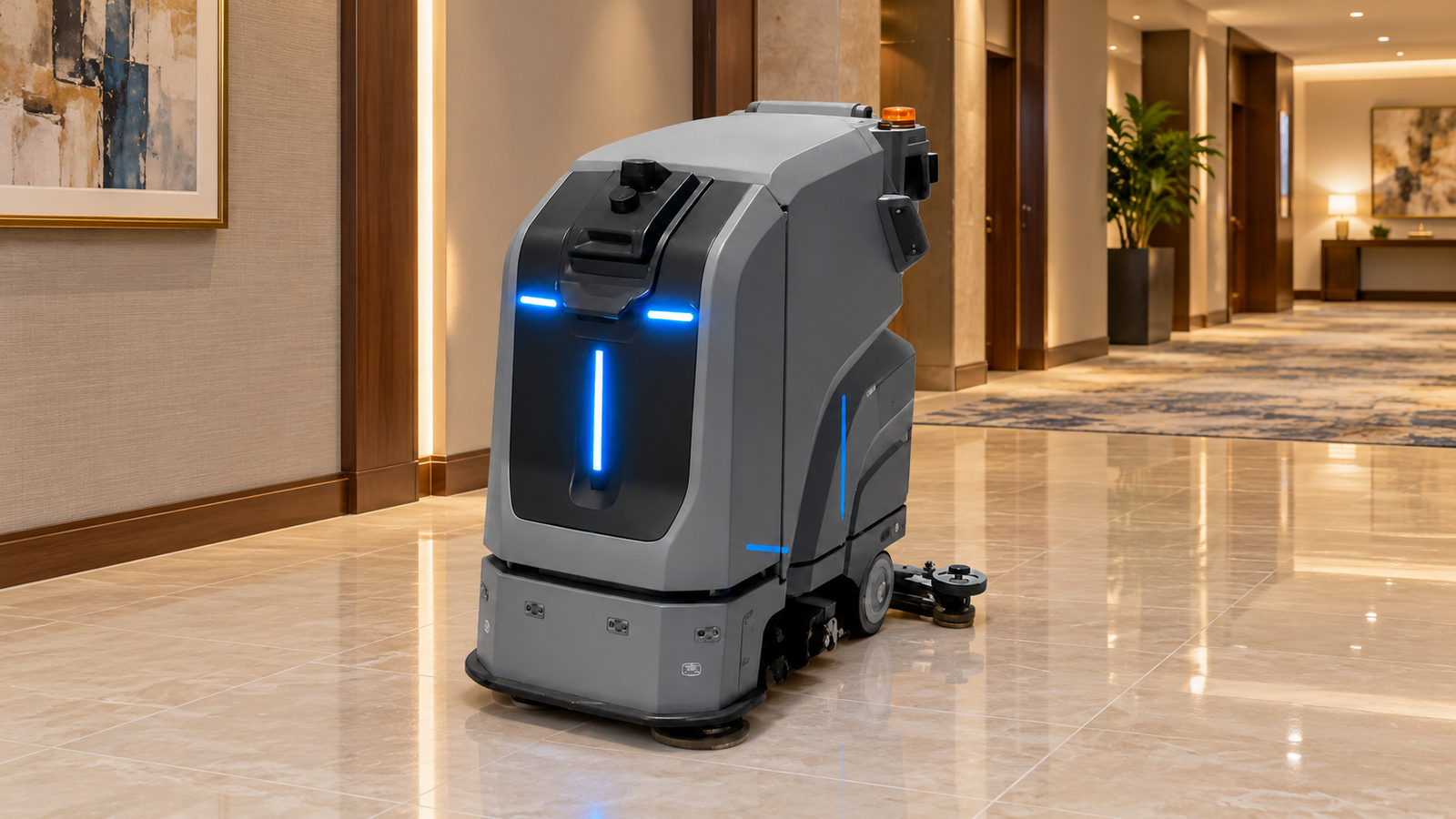
Jinjie J-W70
J-W70 floor scrubbing and recovery can support planning repeated hard-floor maintenance around routes, replenishment and staff checks. Trial the actual environment first; the robot label does not establish door control, elevator use or unattended operation.
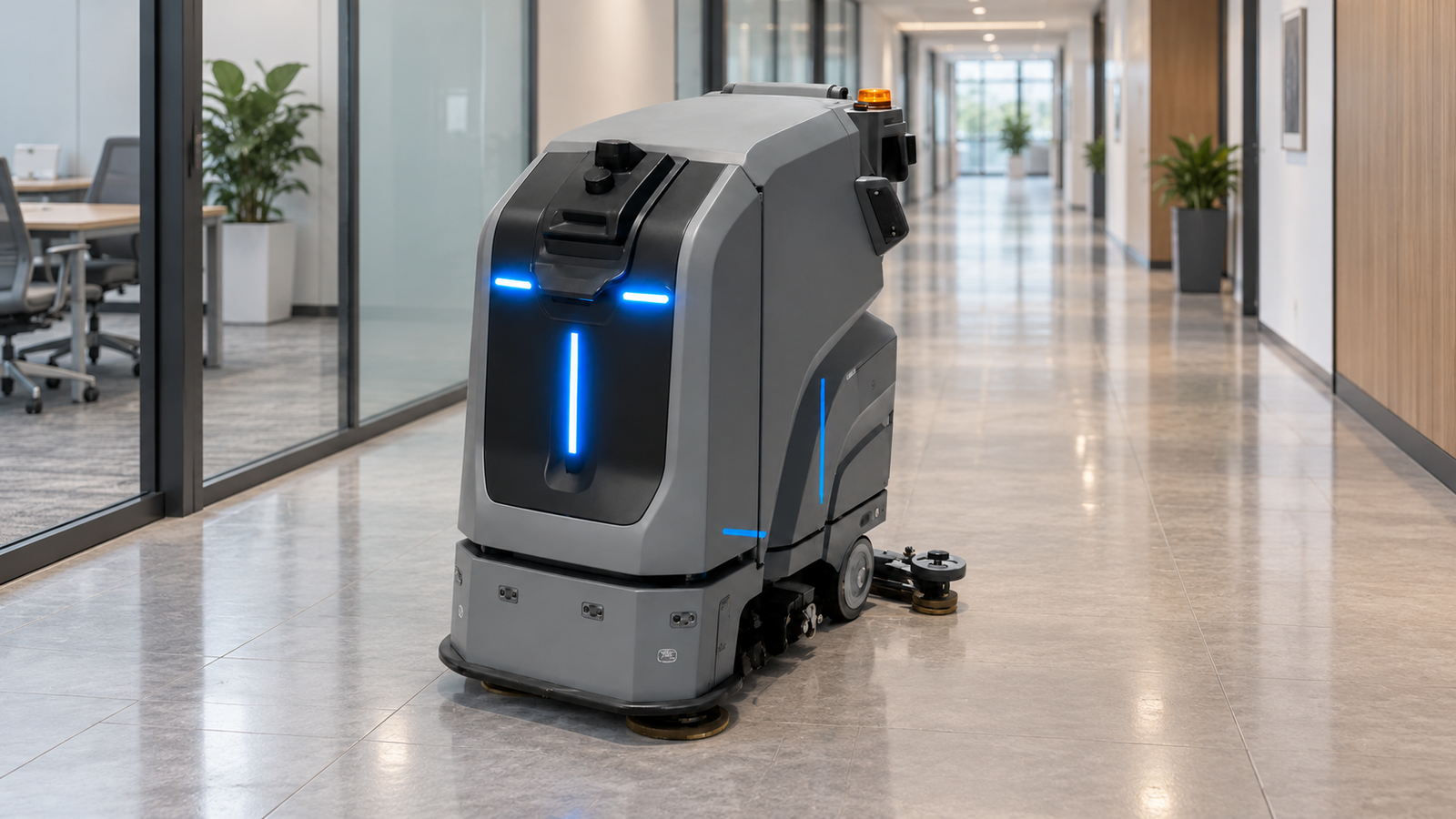
Jinjie J-W70
J-W70 floor scrubbing and recovery can support planning repeated hard-floor maintenance around routes, replenishment and staff checks. Trial the actual environment first; the robot label does not establish door control, elevator use or unattended operation.
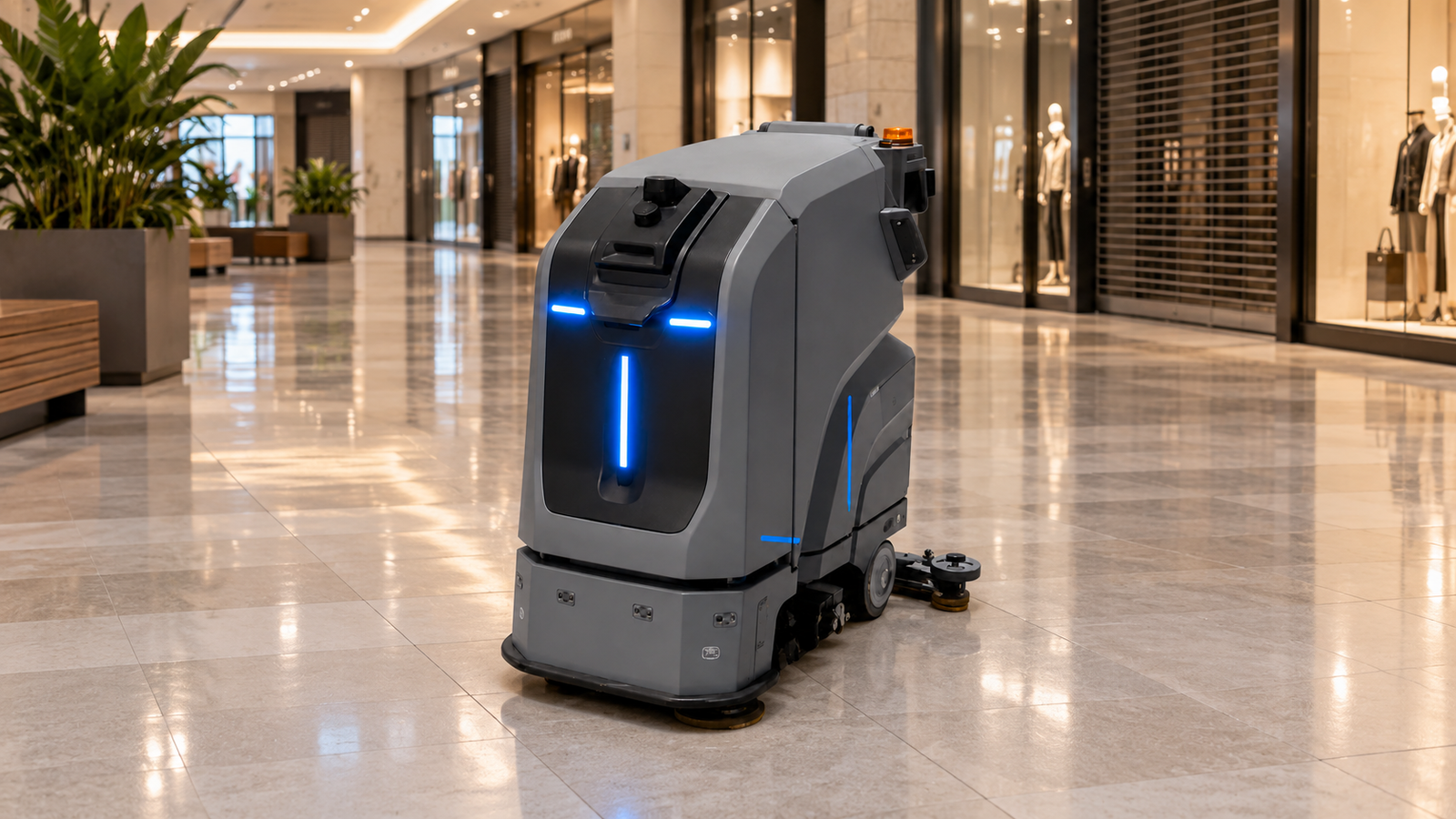
Jinjie J-W70
J-W70 floor scrubbing and recovery can support planning repeated hard-floor maintenance around routes, replenishment and staff checks. Trial the actual environment first; the robot label does not establish door control, elevator use or unattended operation.
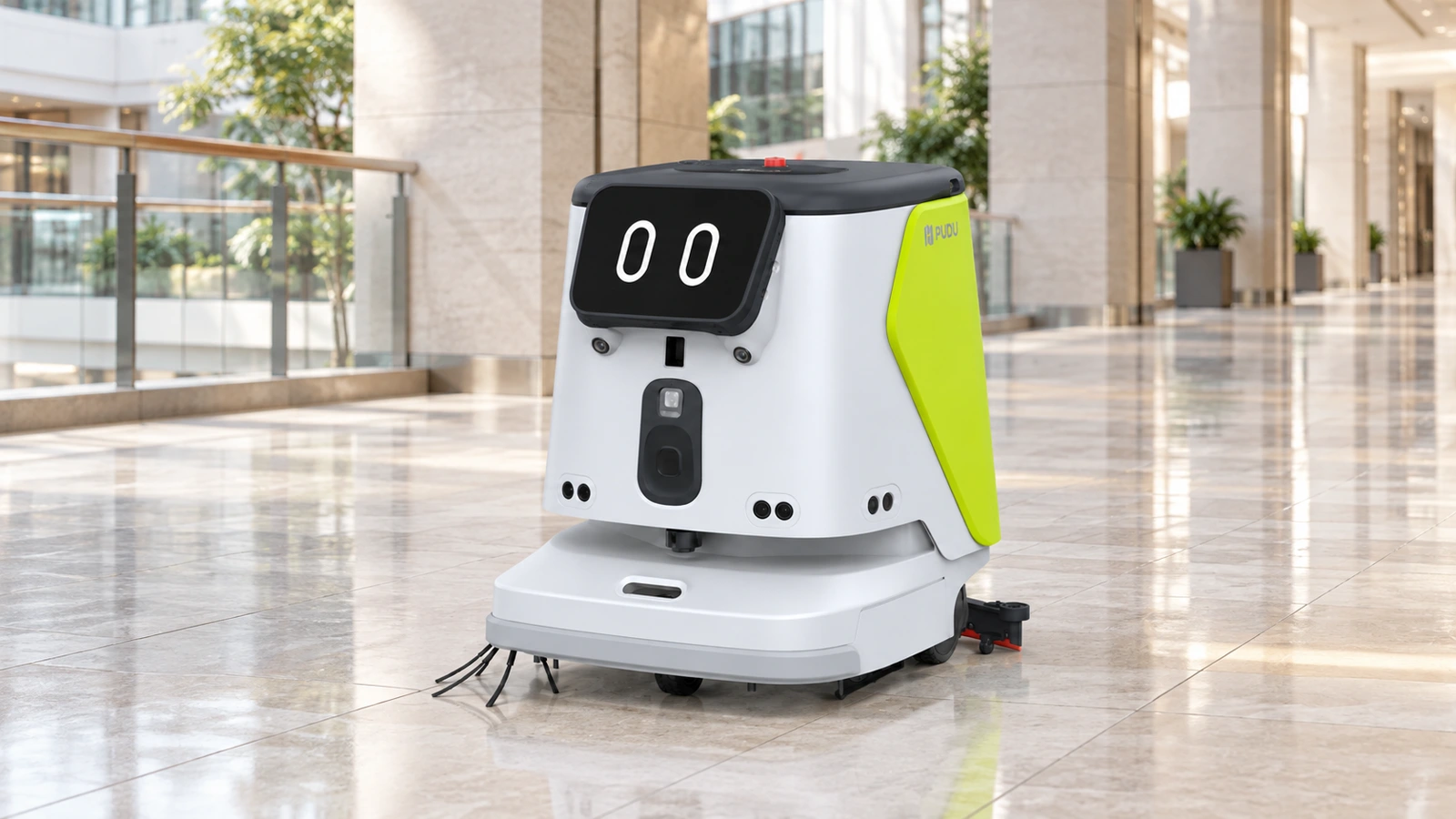
Jinjie CC1
Model information positions CC1 for indoor combined cleaning, planned routes, charging and task management. Validated routes can support repeated work while people handle exceptions and detail. Automatic filling and emptying require the optional station; door…
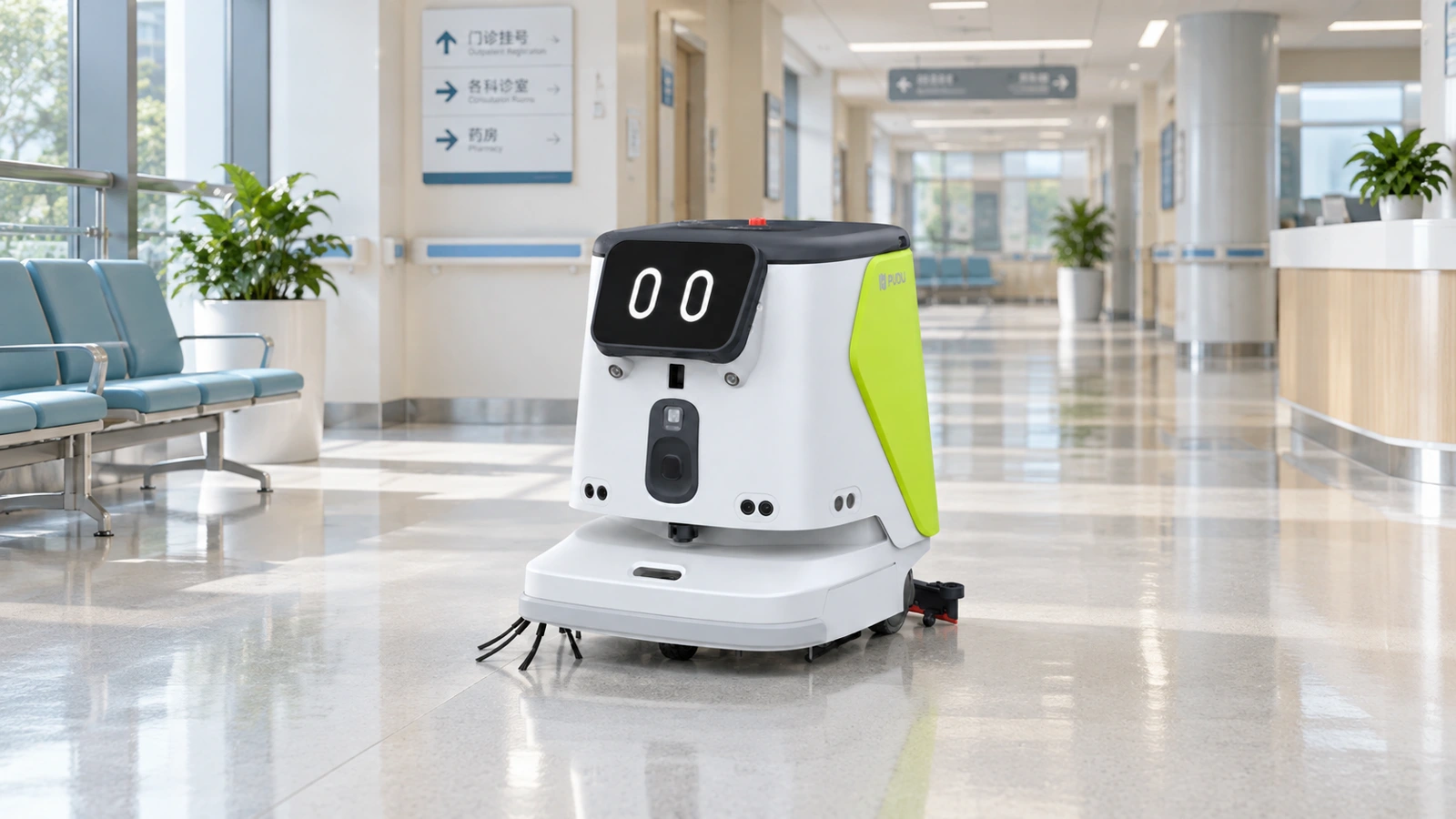
Jinjie CC1
Model information positions CC1 for indoor combined cleaning, planned routes, charging and task management. Validated routes can support repeated work while people handle exceptions and detail. Automatic filling and emptying require the optional station; door…
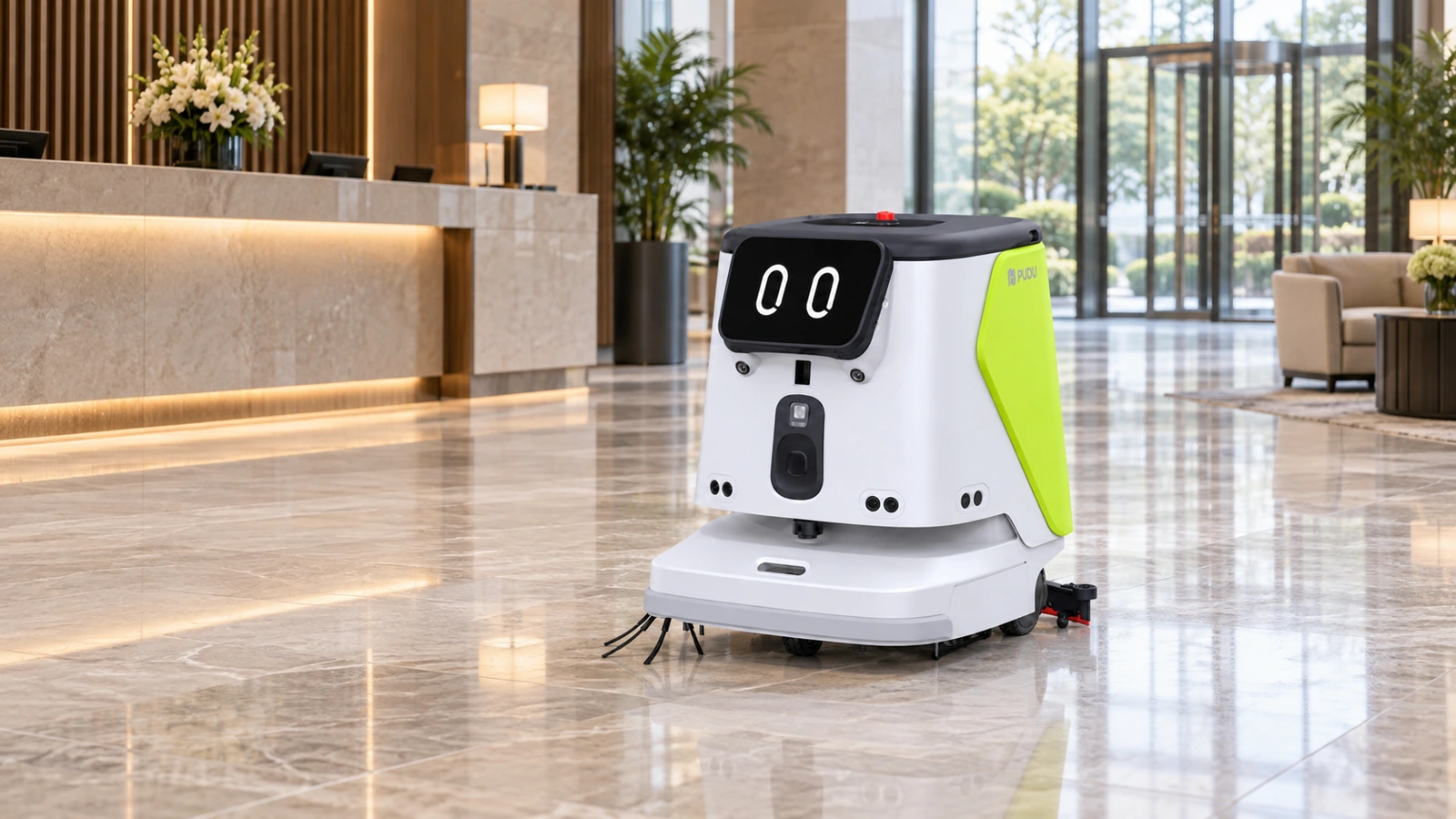
Jinjie CC1
Model information positions CC1 for indoor combined cleaning, planned routes, charging and task management. Validated routes can support repeated work while people handle exceptions and detail. Automatic filling and emptying require the optional station; door…
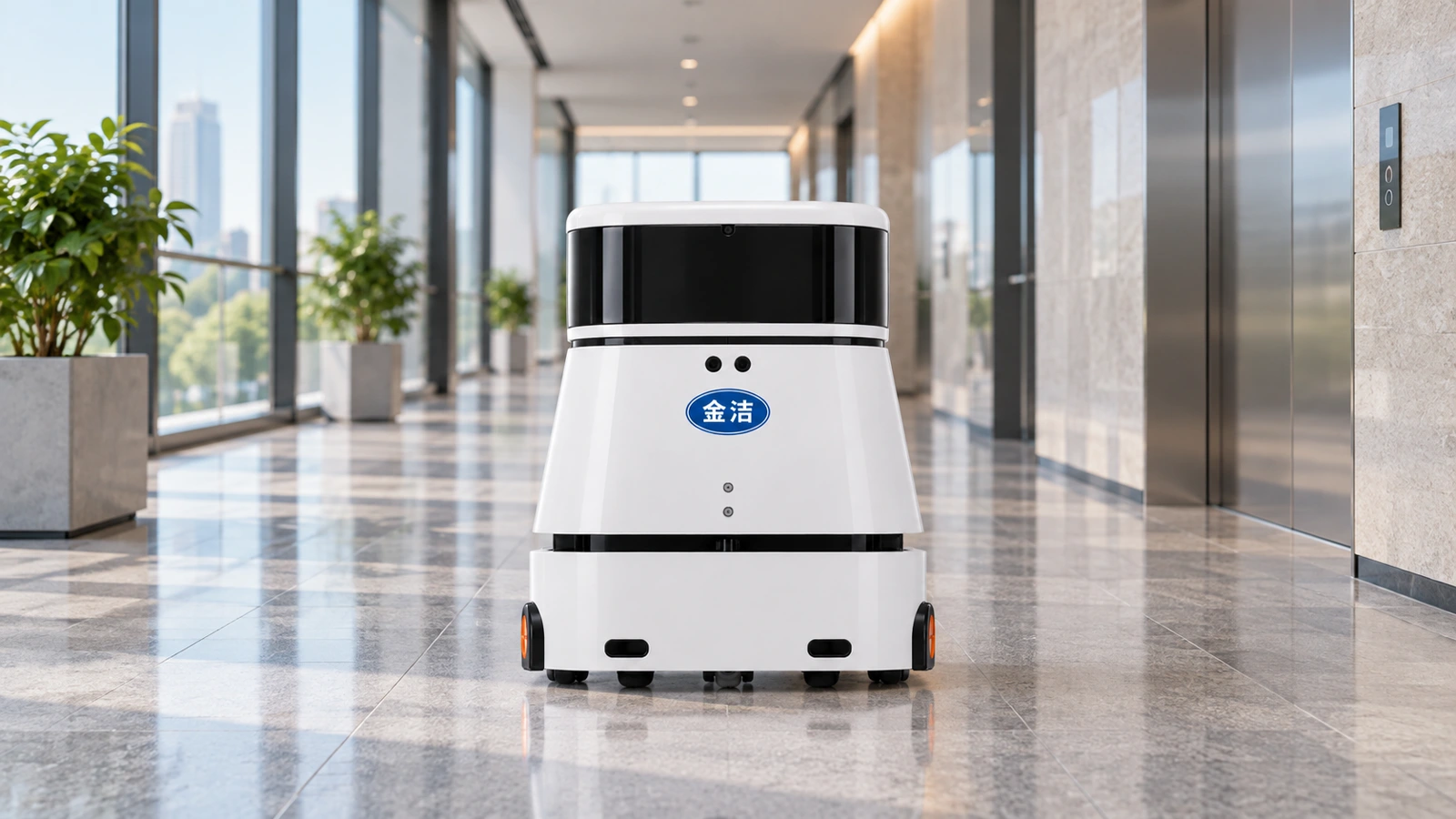
AllyBot-C2
This model provides scrubbing, vacuuming and dust-mopping modes, navigation and human takeover. Match the mode to material and soil, then trial routes and water recovery rather than promising unattended operation. Certification, squeegee width and theoretical…
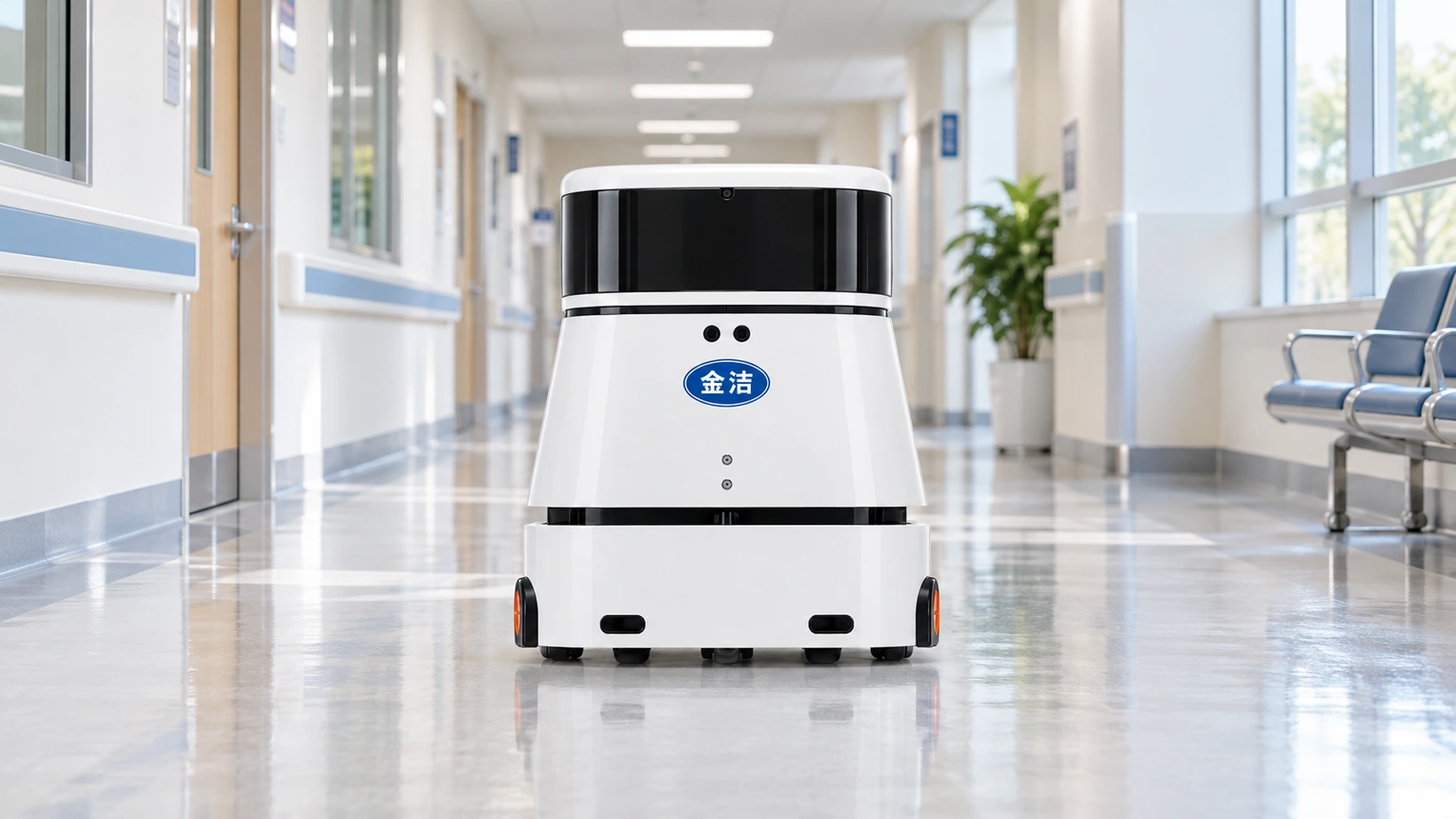
AllyBot-C2
This model provides scrubbing, vacuuming and dust-mopping modes, navigation and human takeover. Match the mode to material and soil, then trial routes and water recovery rather than promising unattended operation. Certification, squeegee width and theoretical…
AllyBot-C2
Current model
This model provides scrubbing, vacuuming and dust-mopping modes, navigation and human takeover. Match the mode to material and soil, then trial routes and water recovery rather than promising unattended operation. Certification, squeegee width and theoretical…