
Selected model: Jinjie J-W70
Typical application · Equipment selectionSelecting planned-task equipment for public hard floors: routes, recovery and human takeover
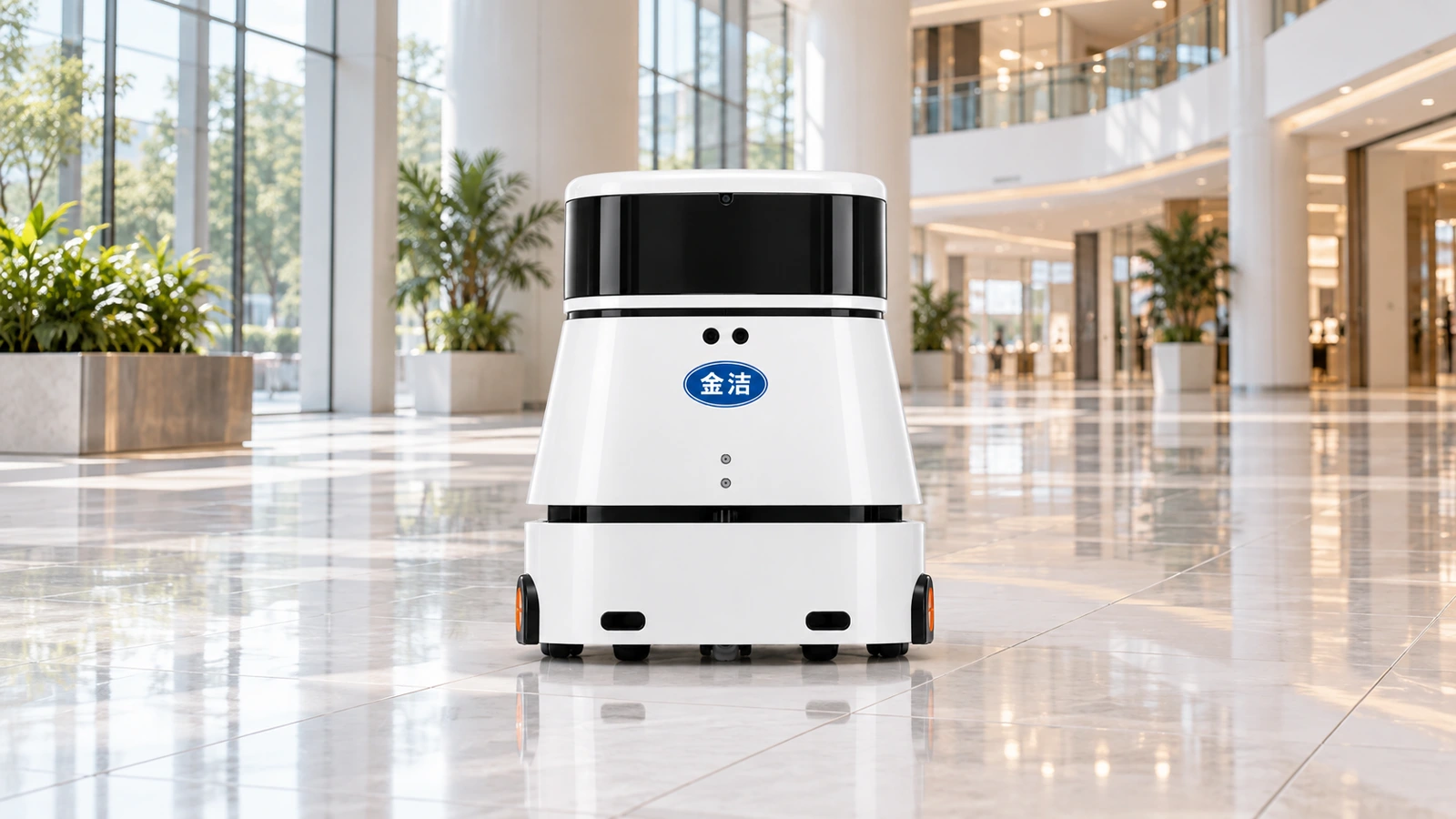
Jinjie J-W70
Separating repeat-route tasks from edges and obstacle handling helps staff organise inspections and focused cleaning with less unnecessary travel.
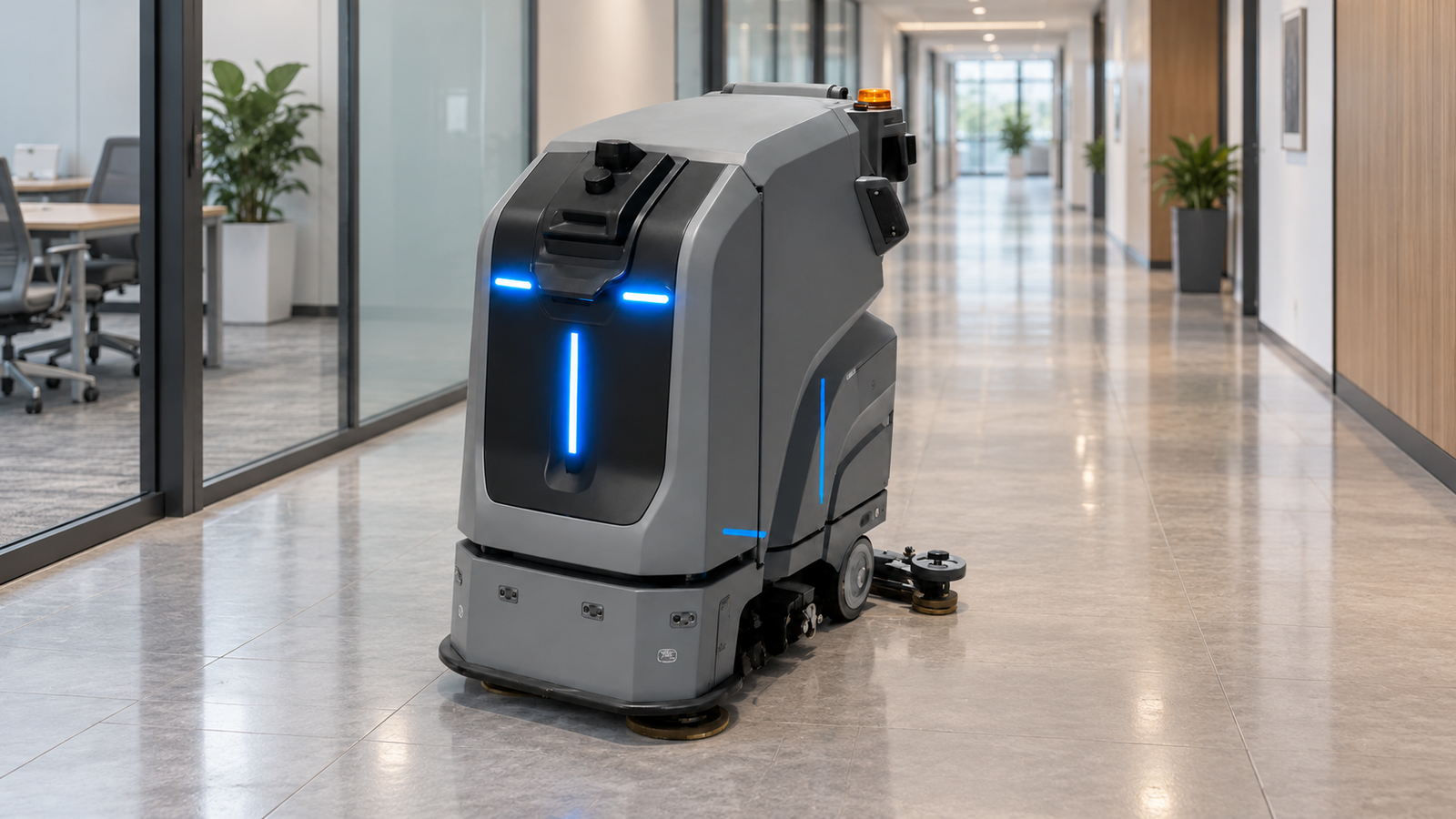
01 · What makes this task difficult?
Office common routes are relatively stable, but doorways, meetings and temporary obstacles interrupt maintenance. An untried route should not be assumed usable.
Task and site limits
Remove larger debris, check the finish and define the permitted level area. Staff should trial the route, handle supply and disposal and inspect residual water, taking over when temporary obstacles occur.
02 · Why consider this Jinjie machine?
J-W70 floor scrubbing and recovery can support planning repeated hard-floor maintenance around routes, replenishment and staff checks. Trial the actual environment first; the robot label does not establish door control, elevator use or unattended operation.
Plan around this model
Remove larger debris, check the finish and define the permitted level area. Staff should trial the route, handle supply and disposal and inspect residual water, taking over when temporary obstacles occur.
Separating repeat-route tasks from edges and obstacle handling helps staff organise inspections and focused cleaning with less unnecessary travel.
Jinjie J-W70 · J-W70 floor scrubbing and recovery can support planning repeated hard-floor maintenance around routes, replenishment and staff checks. Trial the actual environment first; the robot label does not establish door control, elevator use or unattended operation.
03 · A better cleaning workflow and customer value
Separating repeat-route tasks from edges and obstacle handling helps staff organise inspections and focused cleaning with less unnecessary travel.
Separating repeat-route tasks from edges and obstacle handling helps staff organise inspections and focused cleaning with less unnecessary travel.
Task and site limits · Remove larger debris, check the finish and define the permitted level area. Staff should trial the route, handle supply and disposal and inspect residual water, taking over when temporary obstacles occur.
Match tools, the material and the working route before comparing labour, time, consumables and maintenance costs. The potential value depends on suitable conditions and correct operation; no fixed saving or damage-free result is promised.
Limit this plan to compatible level wet-cleanable floors and staffed repeat-route management. Address thresholds, ramps, moving people and takeover points individually. Use the actual replenishment arrangement without assuming an automatic station.
Working method, evidence and original professional analysis
Task-specific equipment selection
Office cleaning along planned routes | J-W70
Site, material and contamination
Office common routes are relatively stable, but doorways, meetings and temporary obstacles interrupt maintenance. An untried route should not be assumed usable.
Equipment basis and model differences
J-W70 floor scrubbing and recovery can support planning repeated hard-floor maintenance around routes, replenishment and staff checks. Trial the actual environment first; the robot label does not establish door control, elevator use or unattended operation.
Model configuration and selection
Check model-specific configurations against the machine and order before purchase.
| Model | Current basis and limits |
|---|---|
| J-W70 | J-W70 floor scrubbing and recovery can support planning repeated hard-floor maintenance around routes, replenishment and staff checks. Trial the actual environment first; the robot label does not establish door control, elevator use or unattended operation. |
| Site problem | Equipment / conditions | Suggested method | Potential value |
|---|---|---|---|
| Task and site limits | Plan around this model | Remove larger debris, check the finish and define the permitted level area. Staff should trial the route, handle supply and disposal and inspect residual water, taking over when temporary obstacles occur. | Separating repeat-route tasks from edges and obstacle handling helps staff organise inspections and focused cleaning with less unnecessary travel. |
Working method, accessories and site supply
- Remove larger debris, check the finish and define the permitted level area. Staff should trial the route, handle supply and disposal and inspect residual water, taking over when temporary obstacles occur.
Limits and safety
Limit this plan to compatible level wet-cleanable floors and staffed repeat-route management. Address thresholds, ramps, moving people and takeover points individually. Use the actual replenishment arrangement without assuming an automatic station.
Questions for this task
Prepare site information
Share the actual object, material, area or pipe layout, supply conditions and site photographs.
FAQ
Is a trial necessary?
Yes. Trial the material, soil and actual tools on a small area before setting the route and process.
Can another model’s configuration be assumed?
No. Match accessories and supply to this model and the actual supplied configuration.
Is fixed productivity or saving guaranteed?
No. Assess actual scope, shifts and maintenance inputs.
What site information is needed for selection?
Share the actual object, material, area or pipe layout, supply conditions and site photographs.
Select equipment for the actual site
Share the actual object, material, area or pipe layout, supply conditions and site photographs.
Jinjie J-W70 · Selection enquiryCompare application plansModels and original application images
Compare each model against its own configuration and the actual route, material and site services.
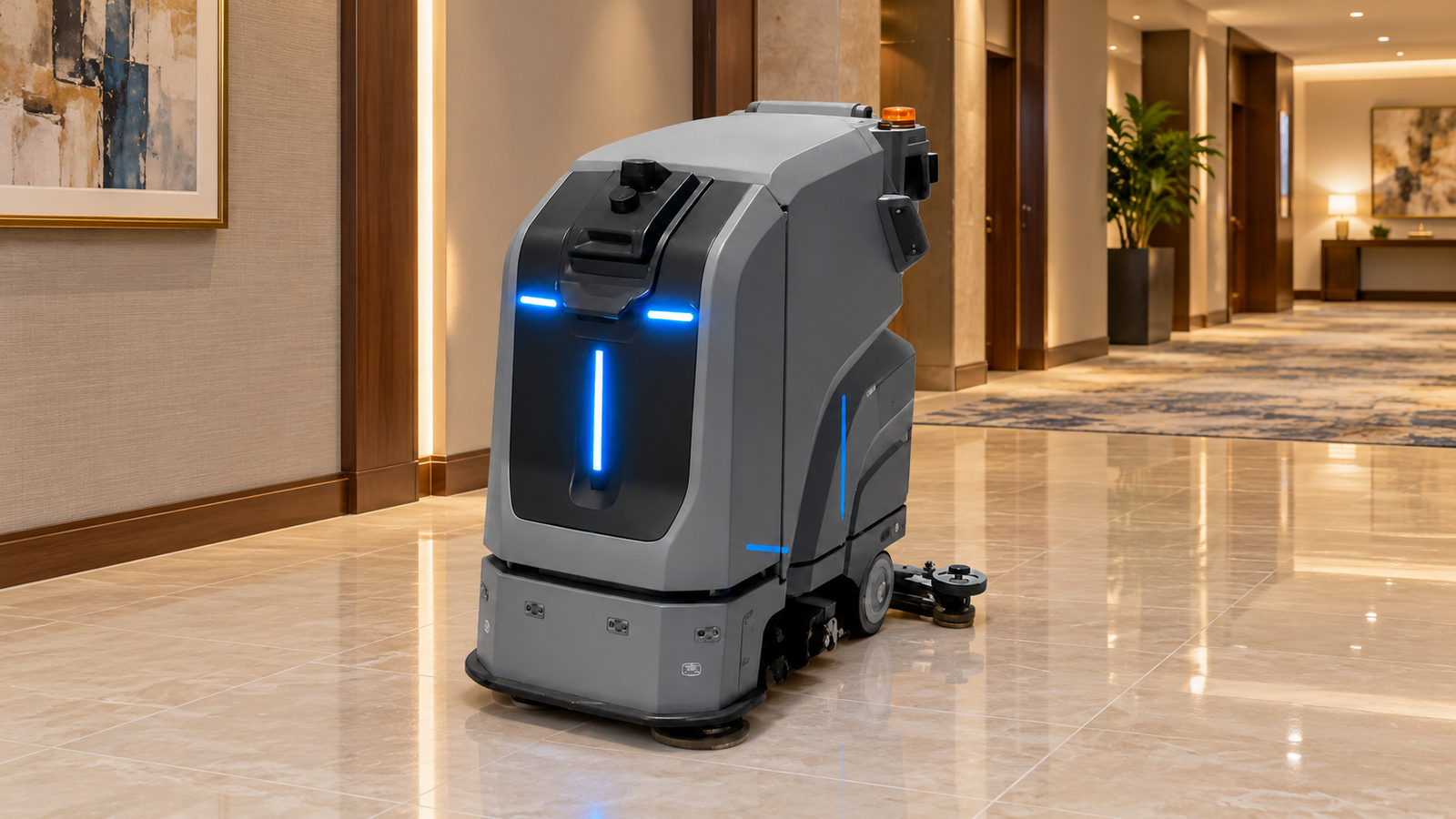
Jinjie J-W70
J-W70 floor scrubbing and recovery can support planning repeated hard-floor maintenance around routes, replenishment and staff checks. Trial the actual environment first; the robot label does not establish door control, elevator use or unattended operation.
Jinjie J-W70
Current model
J-W70 floor scrubbing and recovery can support planning repeated hard-floor maintenance around routes, replenishment and staff checks. Trial the actual environment first; the robot label does not establish door control, elevator use or unattended operation.
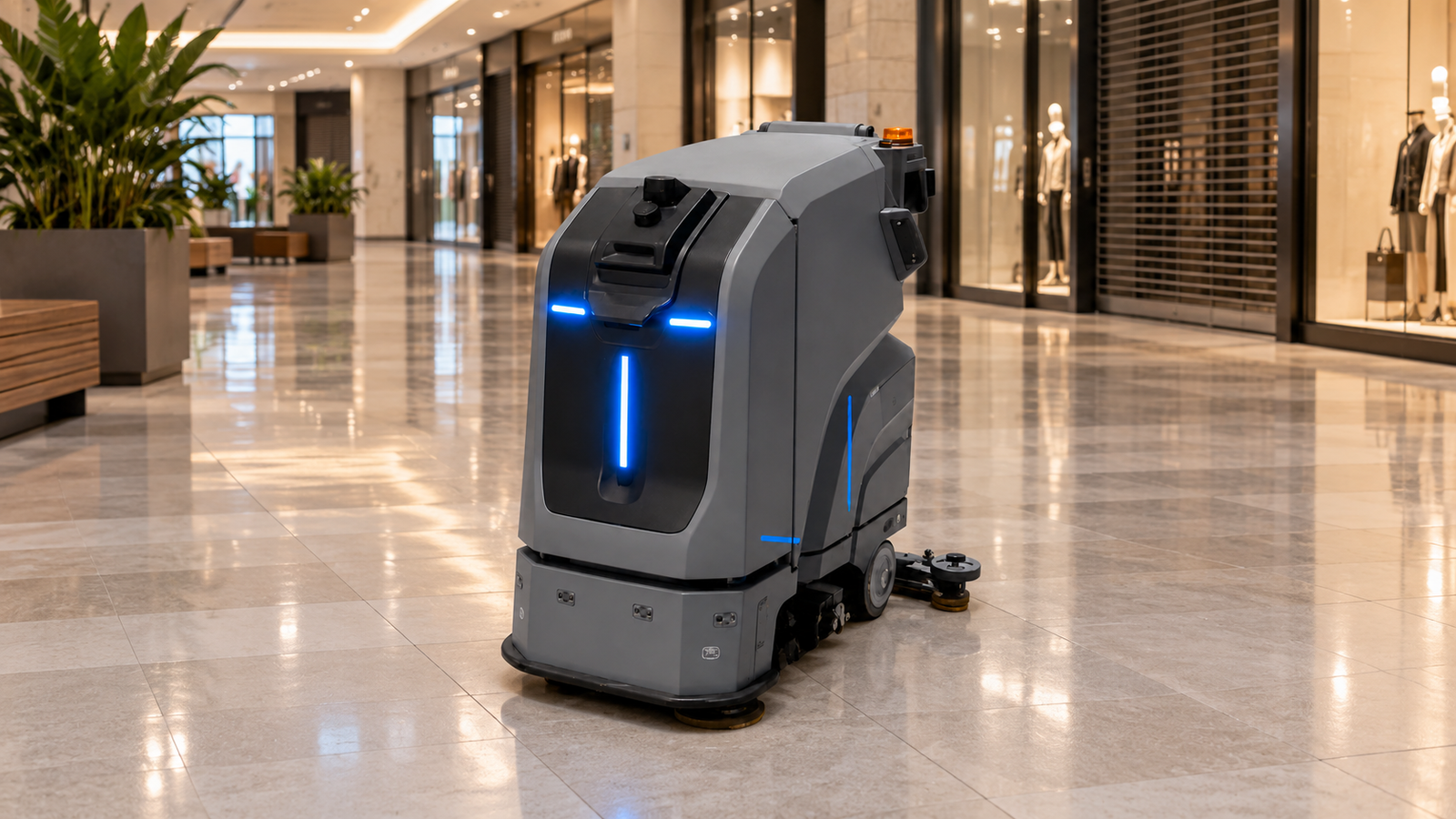
Jinjie J-W70
J-W70 floor scrubbing and recovery can support planning repeated hard-floor maintenance around routes, replenishment and staff checks. Trial the actual environment first; the robot label does not establish door control, elevator use or unattended operation.
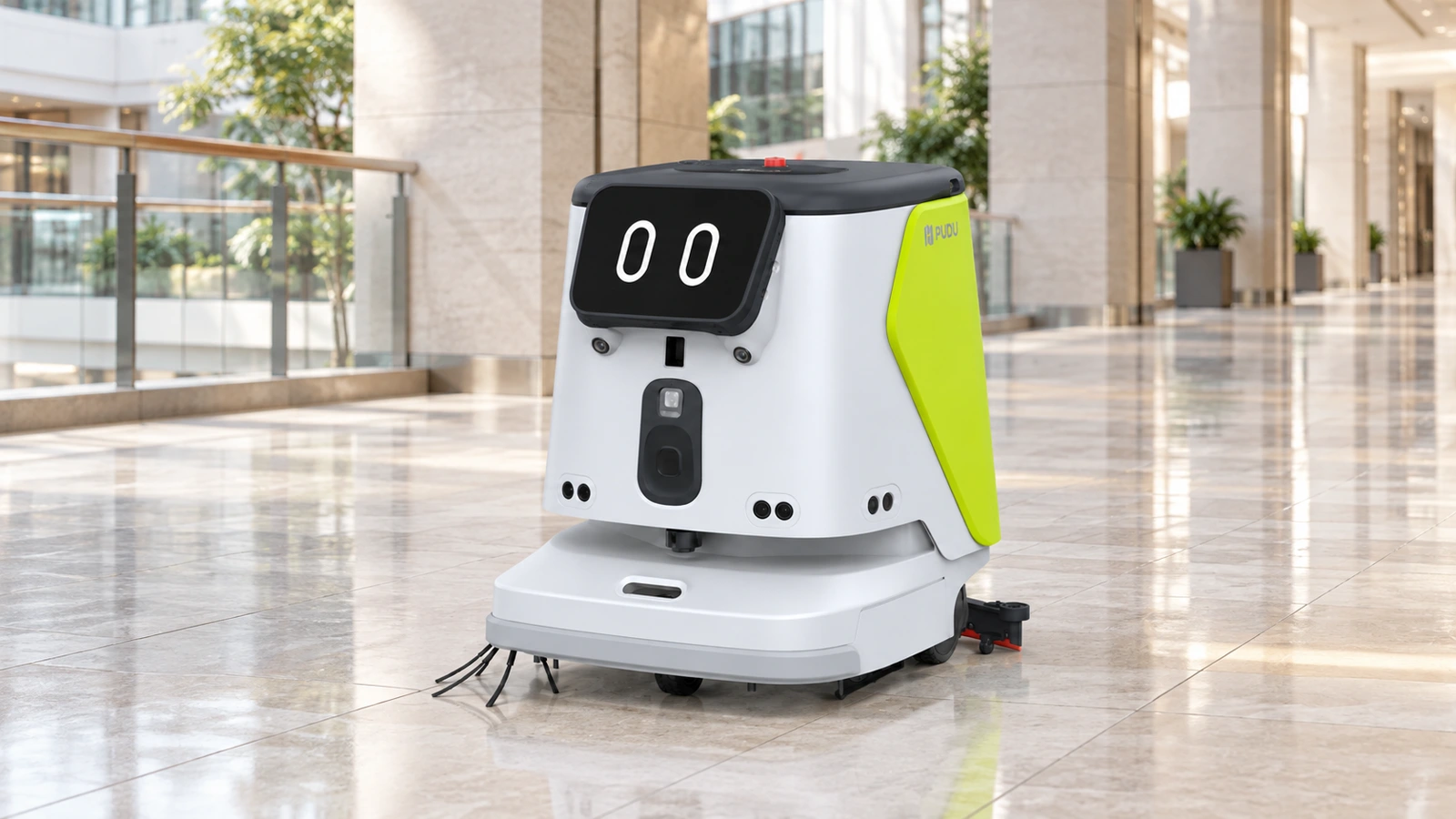
Jinjie CC1
Model information positions CC1 for indoor combined cleaning, planned routes, charging and task management. Validated routes can support repeated work while people handle exceptions and detail. Automatic filling and emptying require the optional station; door…
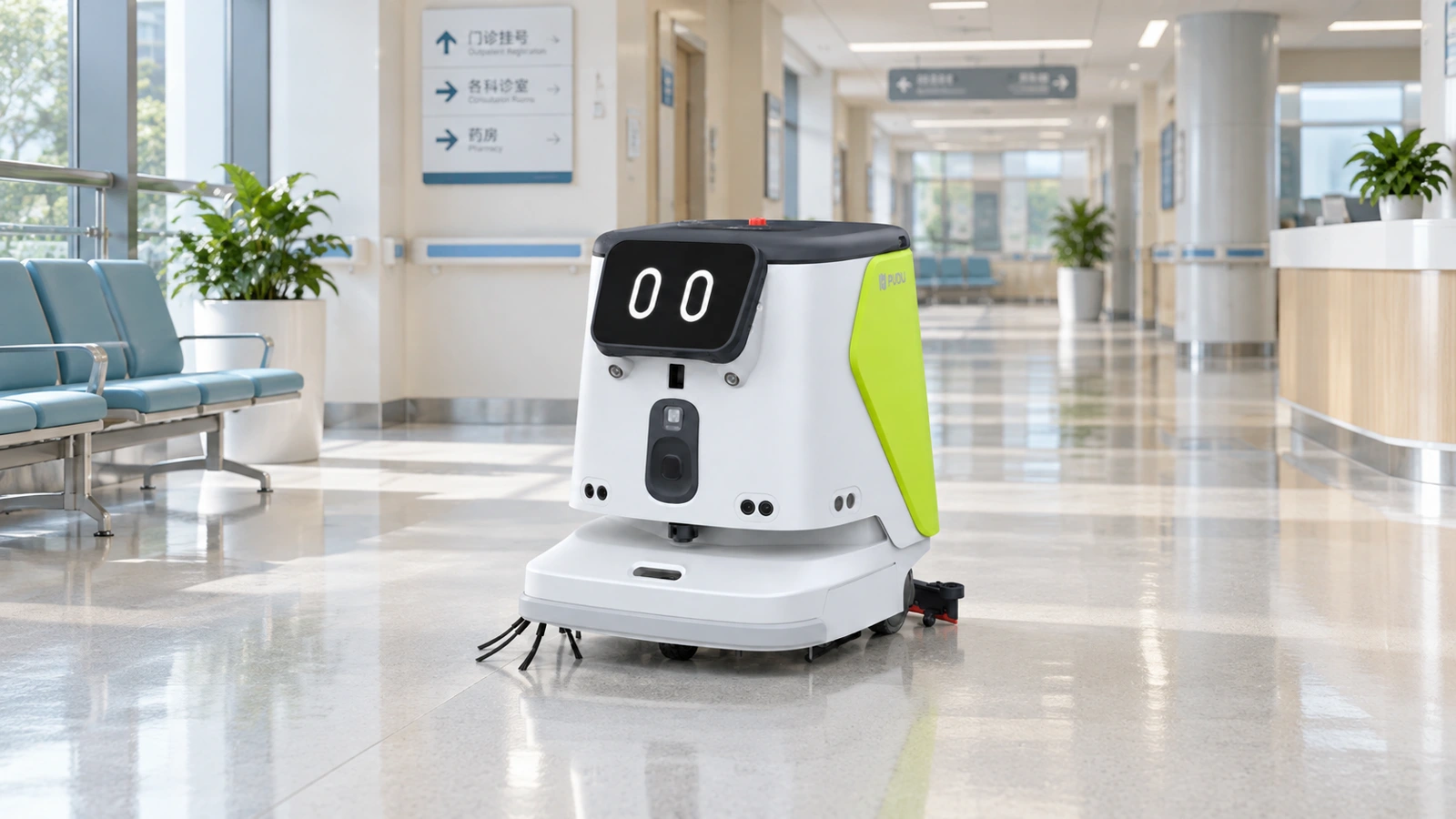
Jinjie CC1
Model information positions CC1 for indoor combined cleaning, planned routes, charging and task management. Validated routes can support repeated work while people handle exceptions and detail. Automatic filling and emptying require the optional station; door…
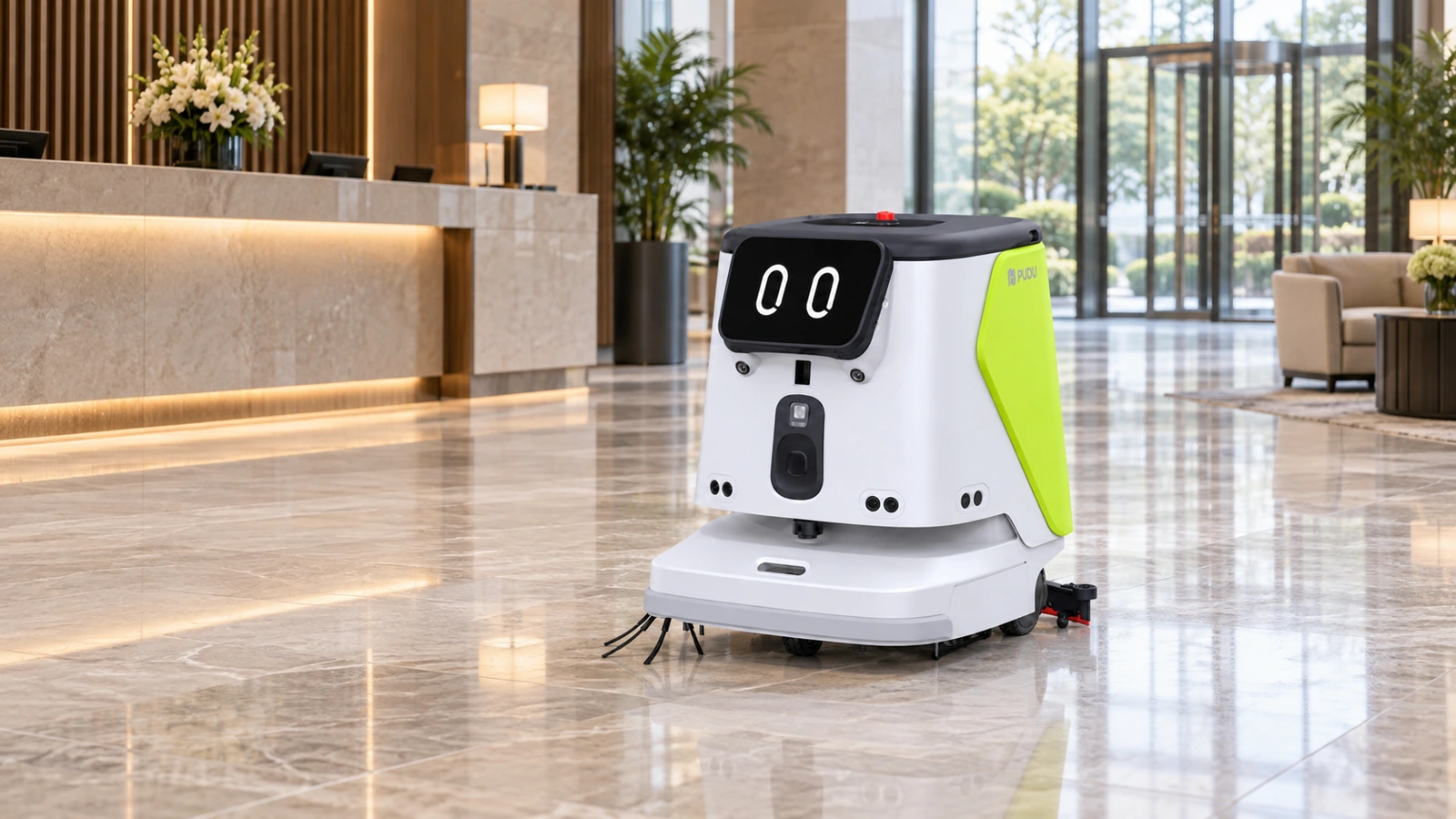
Jinjie CC1
Model information positions CC1 for indoor combined cleaning, planned routes, charging and task management. Validated routes can support repeated work while people handle exceptions and detail. Automatic filling and emptying require the optional station; door…
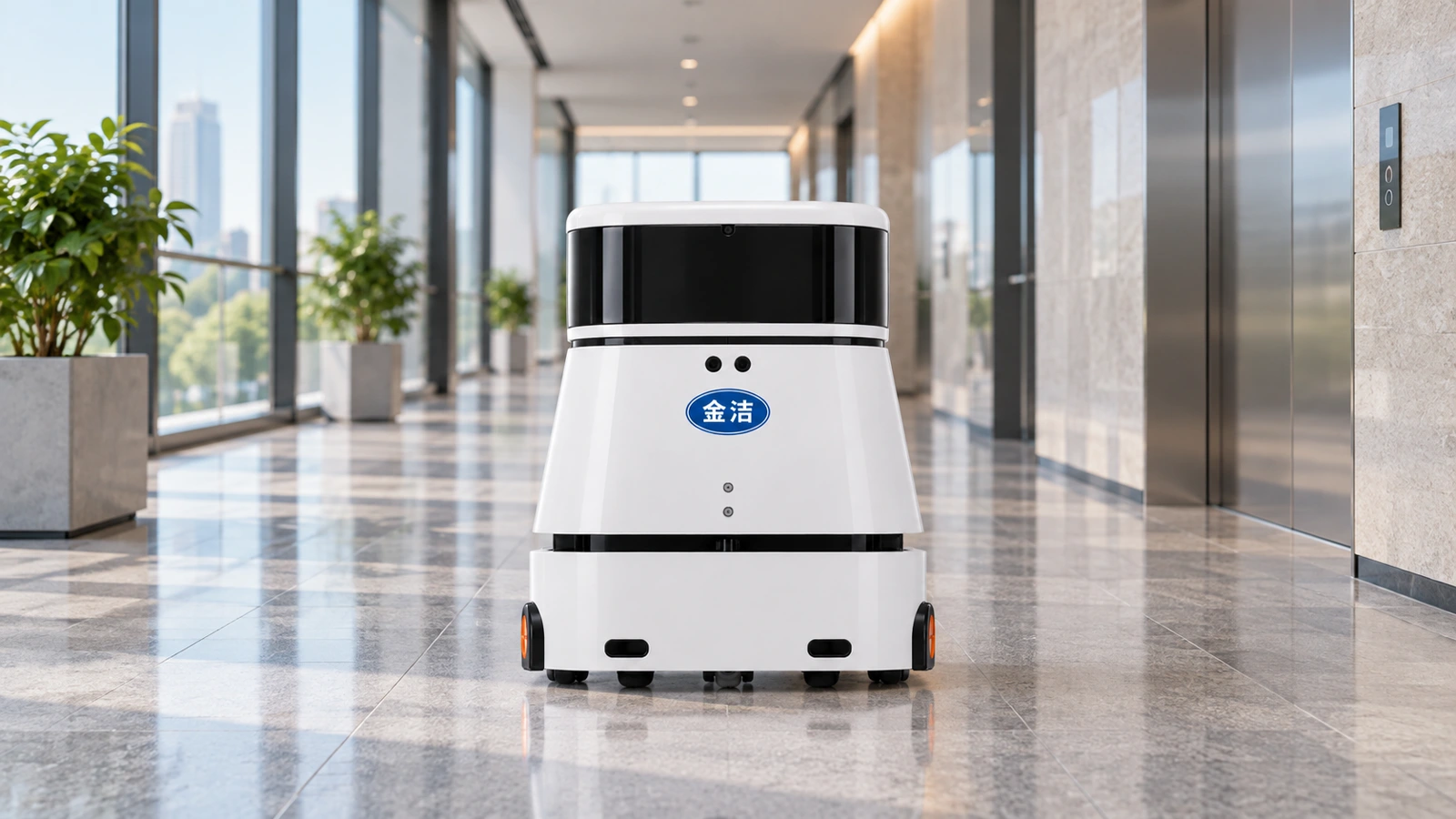
AllyBot-C2
This model provides scrubbing, vacuuming and dust-mopping modes, navigation and human takeover. Match the mode to material and soil, then trial routes and water recovery rather than promising unattended operation. Certification, squeegee width and theoretical…
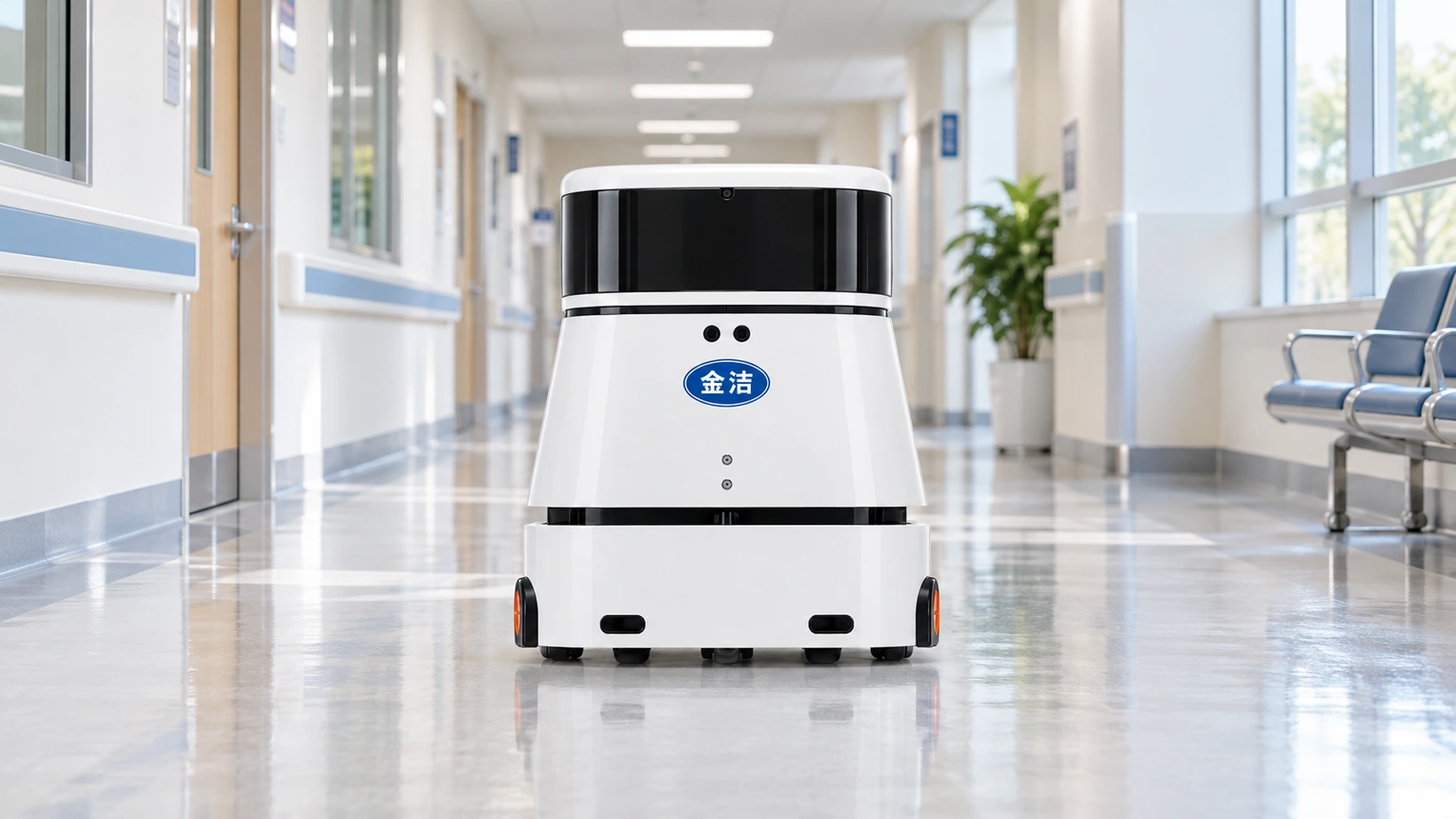
AllyBot-C2
This model provides scrubbing, vacuuming and dust-mopping modes, navigation and human takeover. Match the mode to material and soil, then trial routes and water recovery rather than promising unattended operation. Certification, squeegee width and theoretical…
AllyBot-C2
This model provides scrubbing, vacuuming and dust-mopping modes, navigation and human takeover. Match the mode to material and soil, then trial routes and water recovery rather than promising unattended operation. Certification, squeegee width and theoretical…